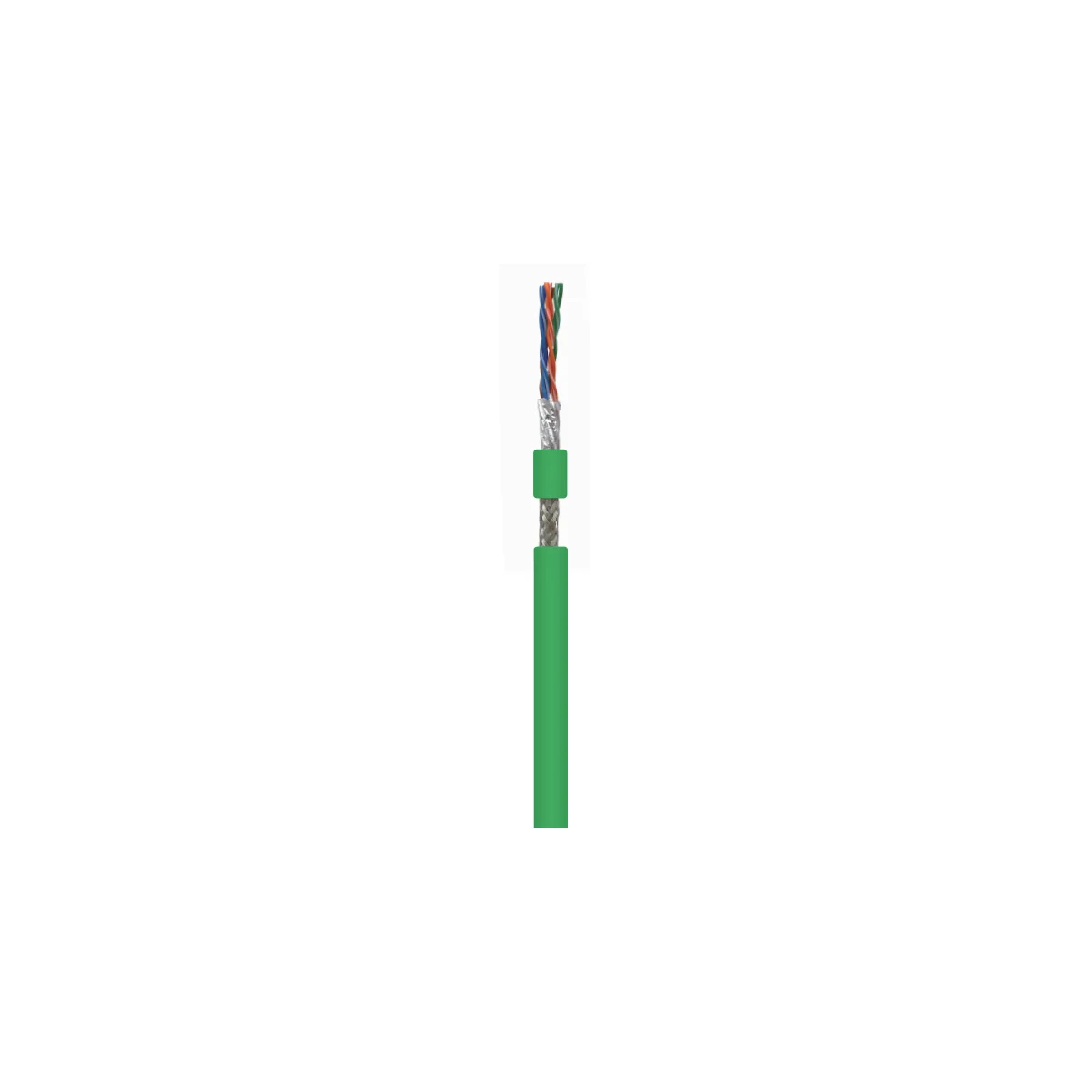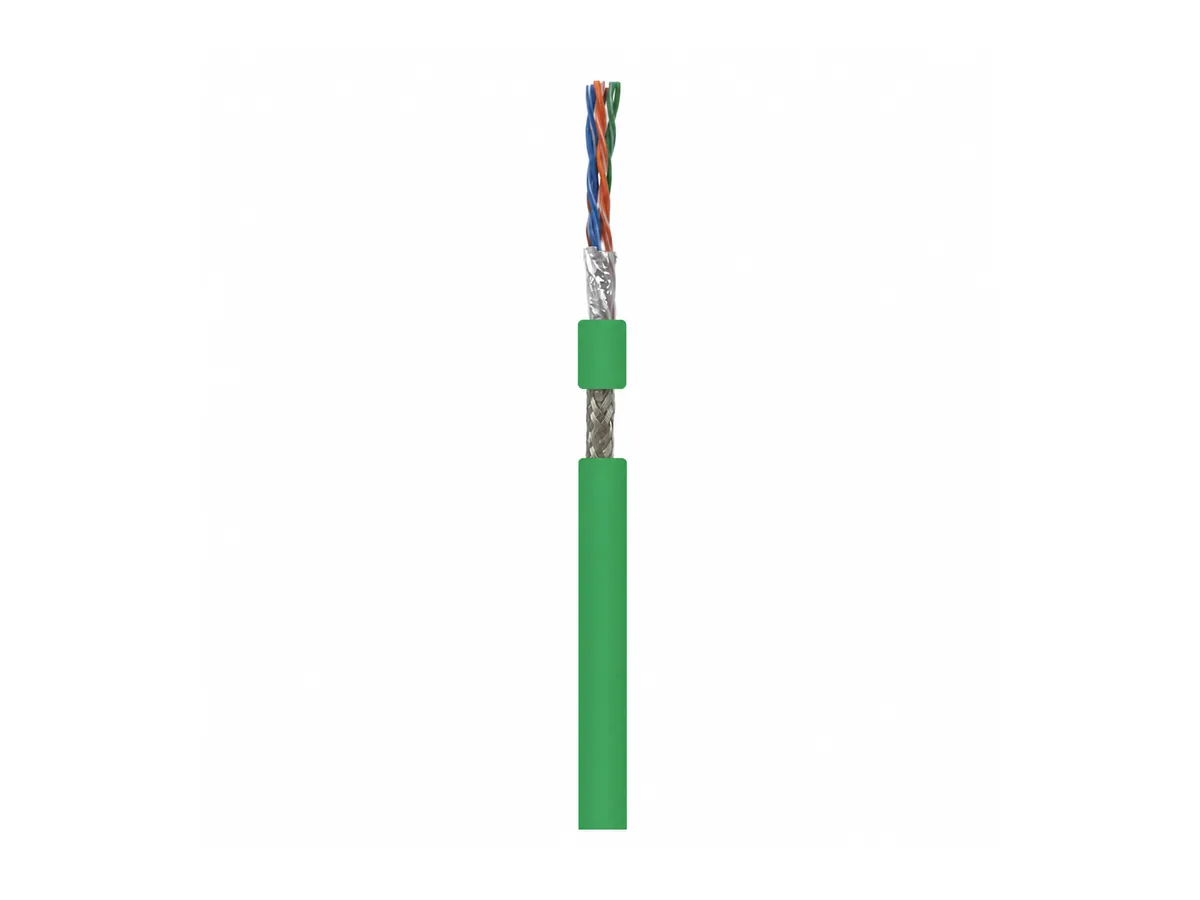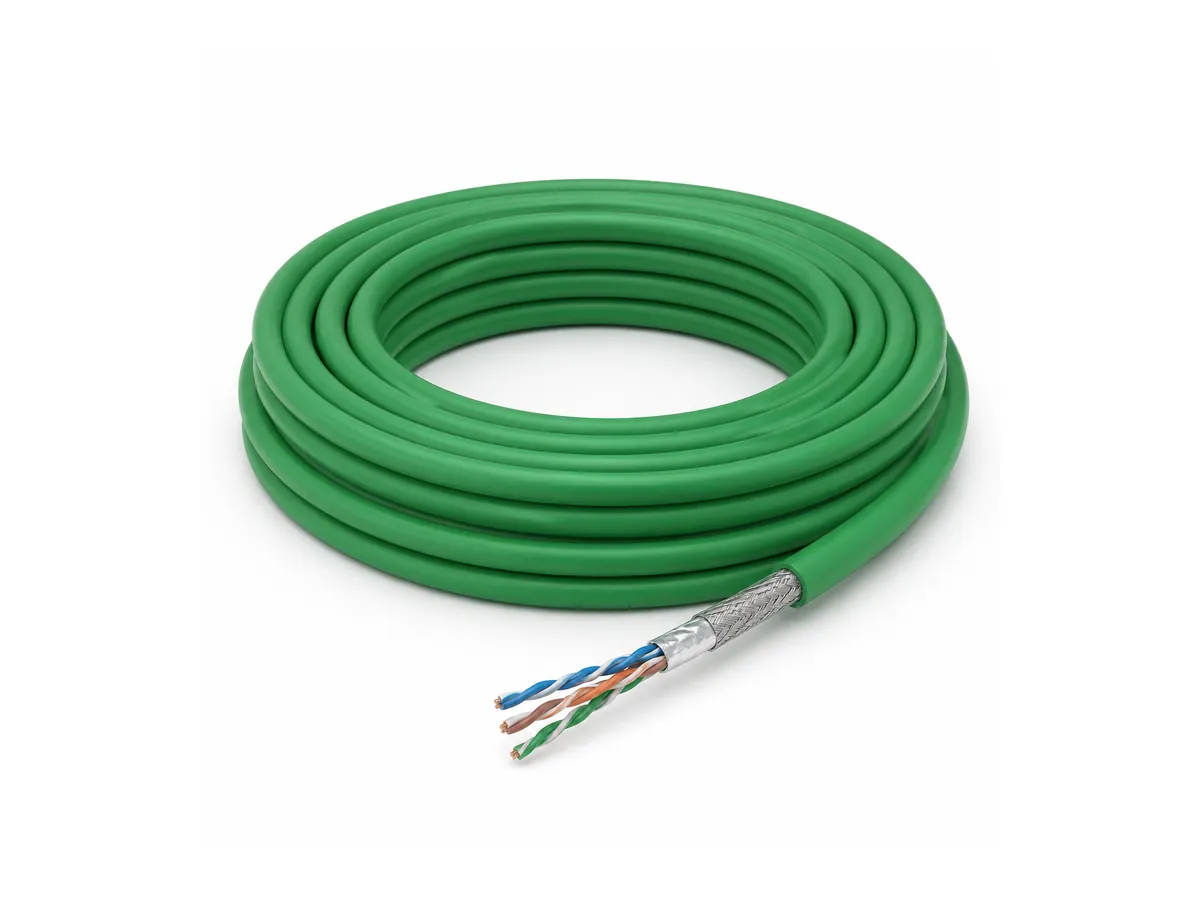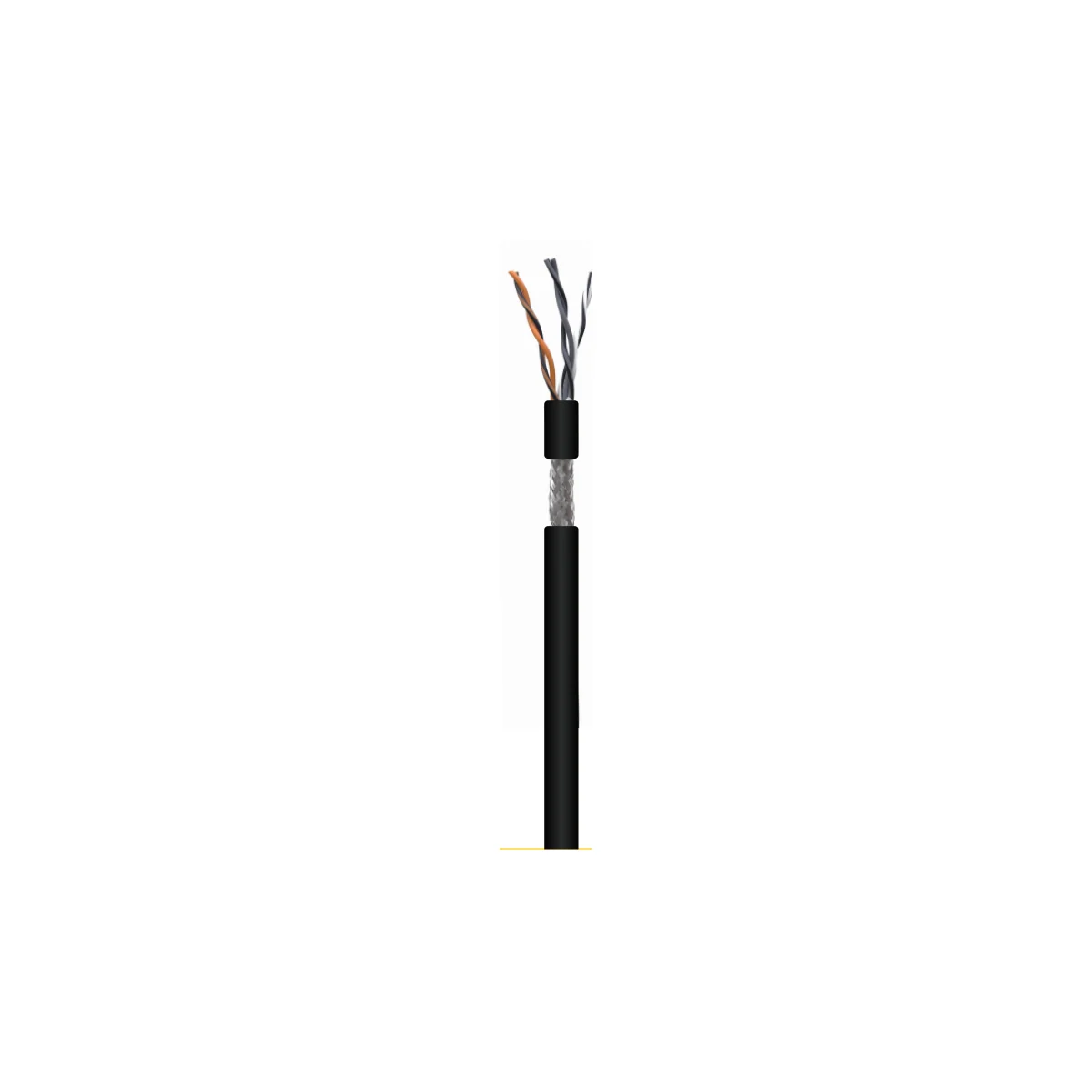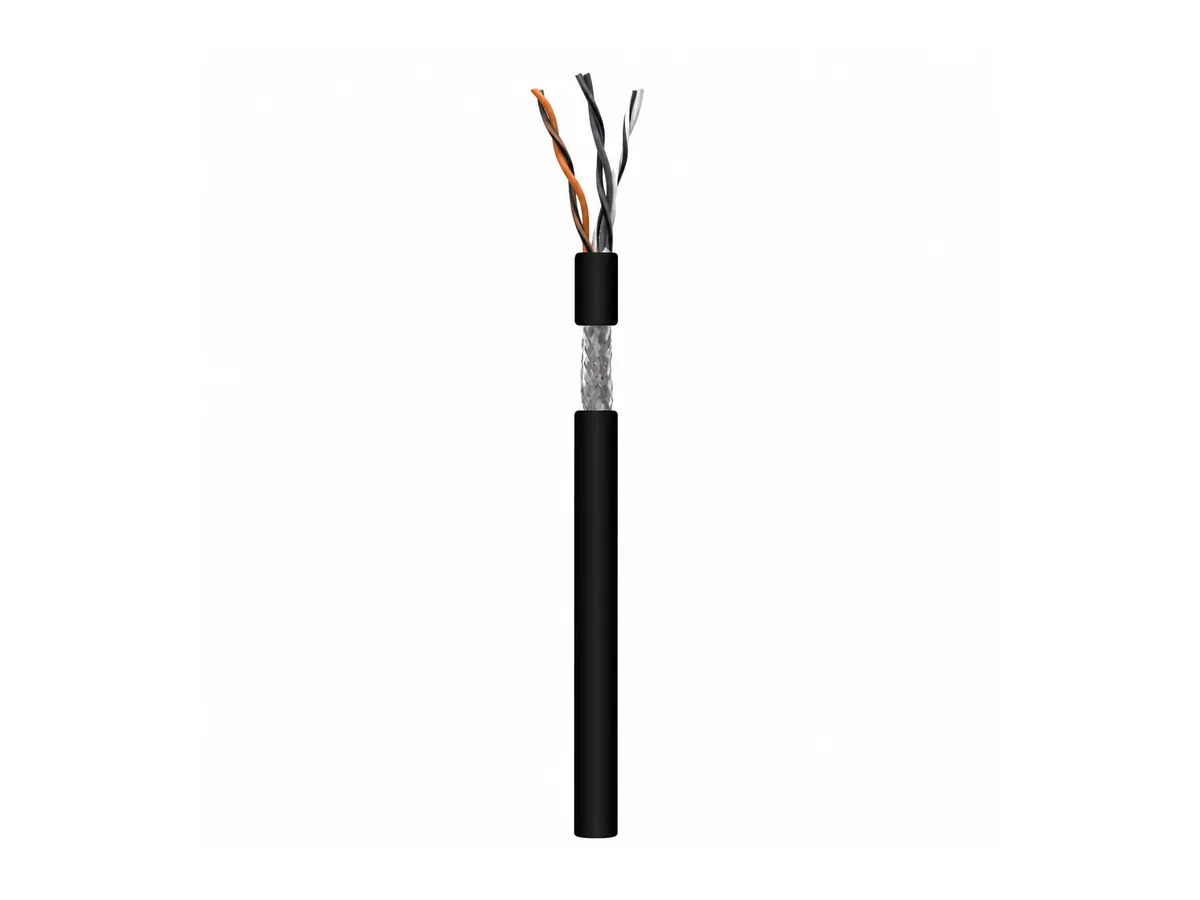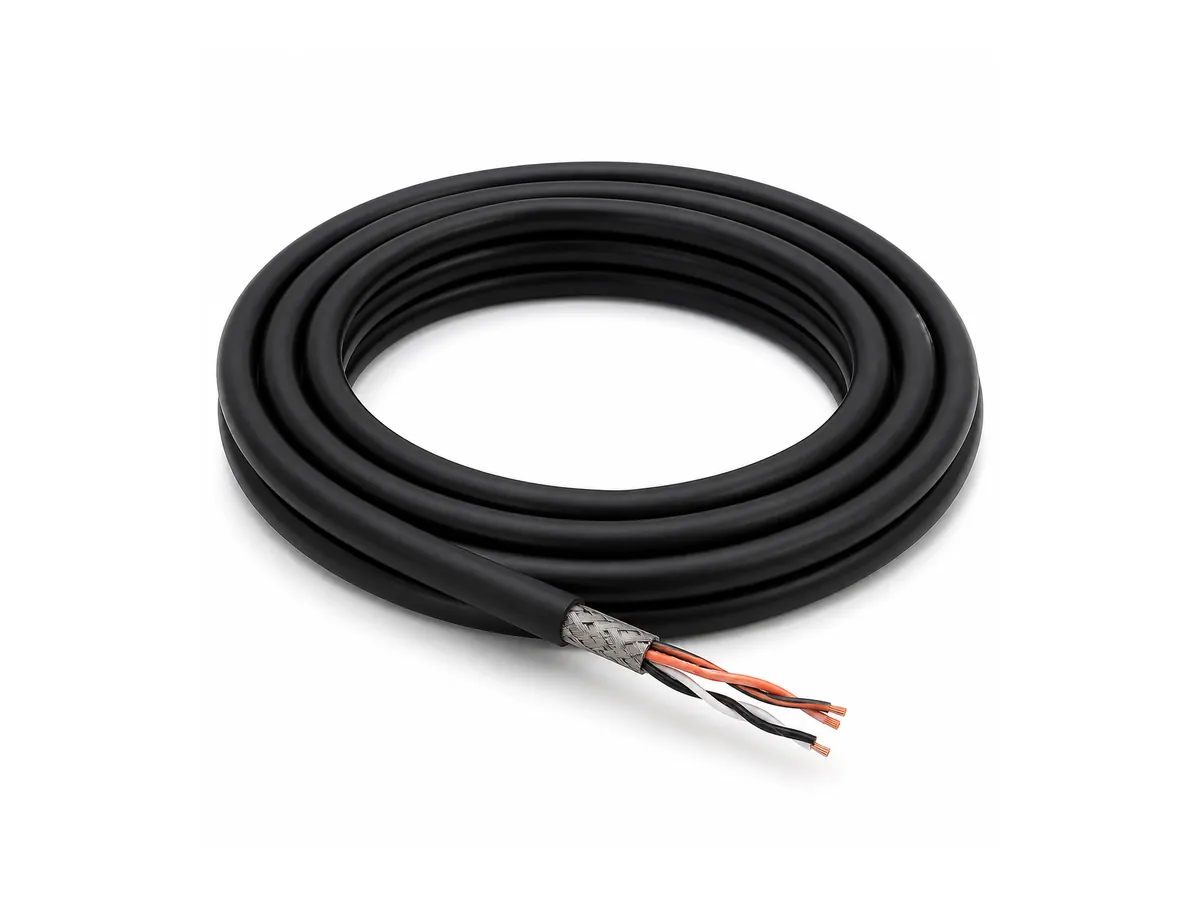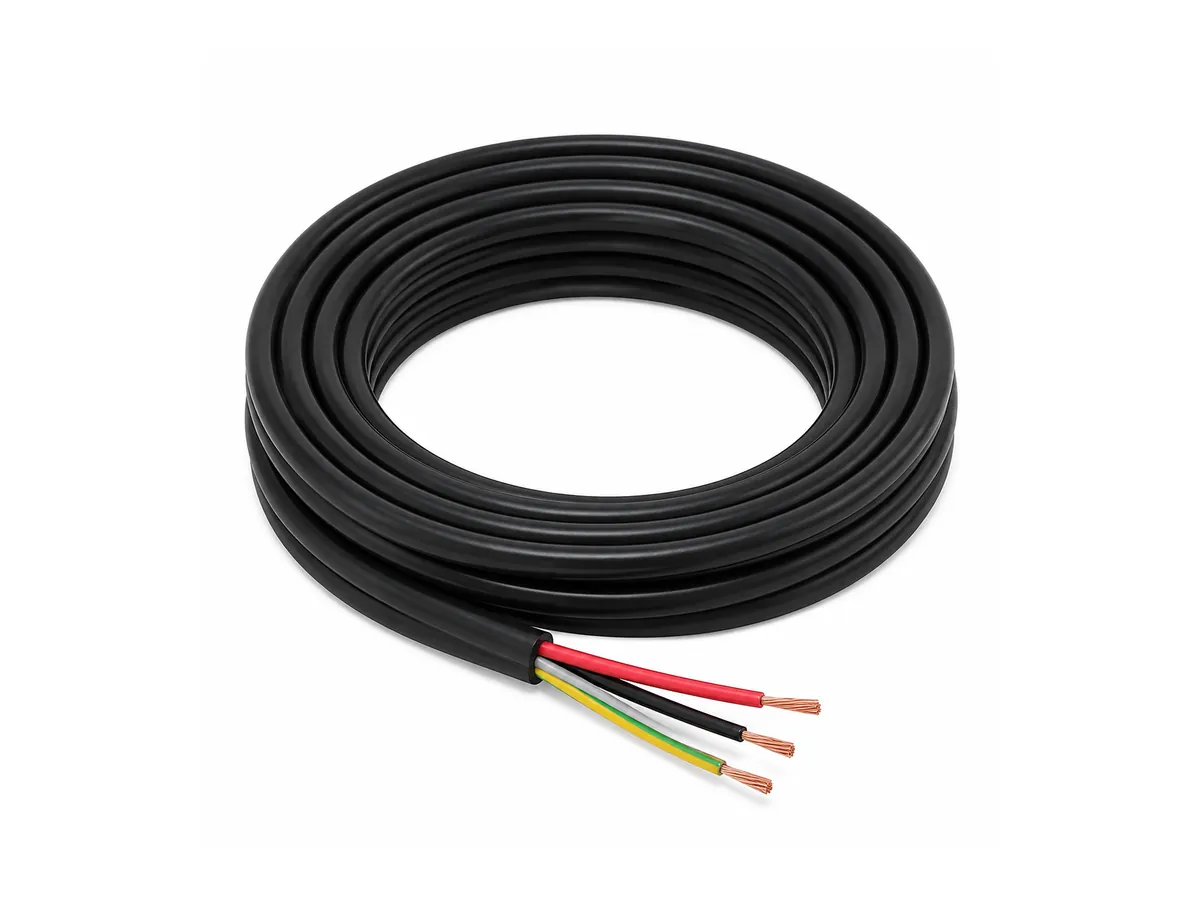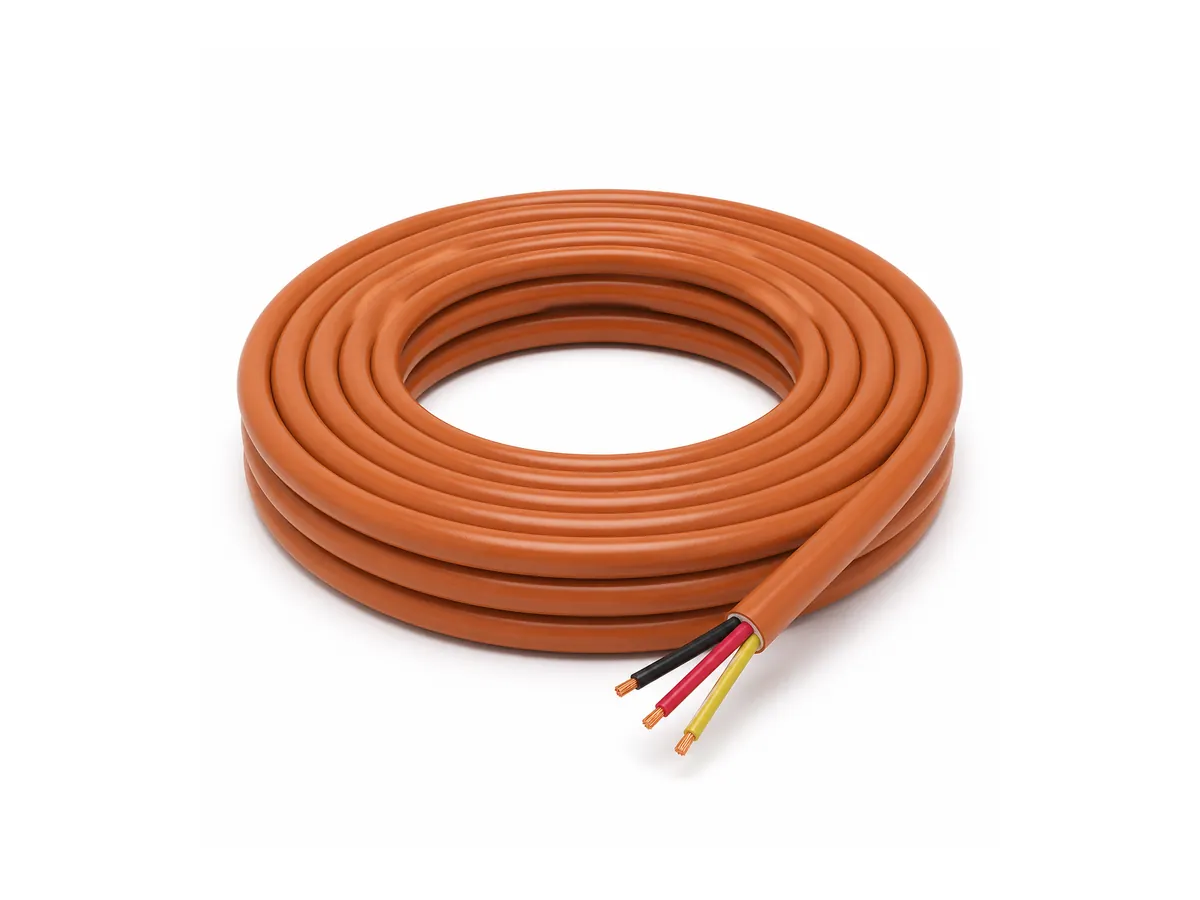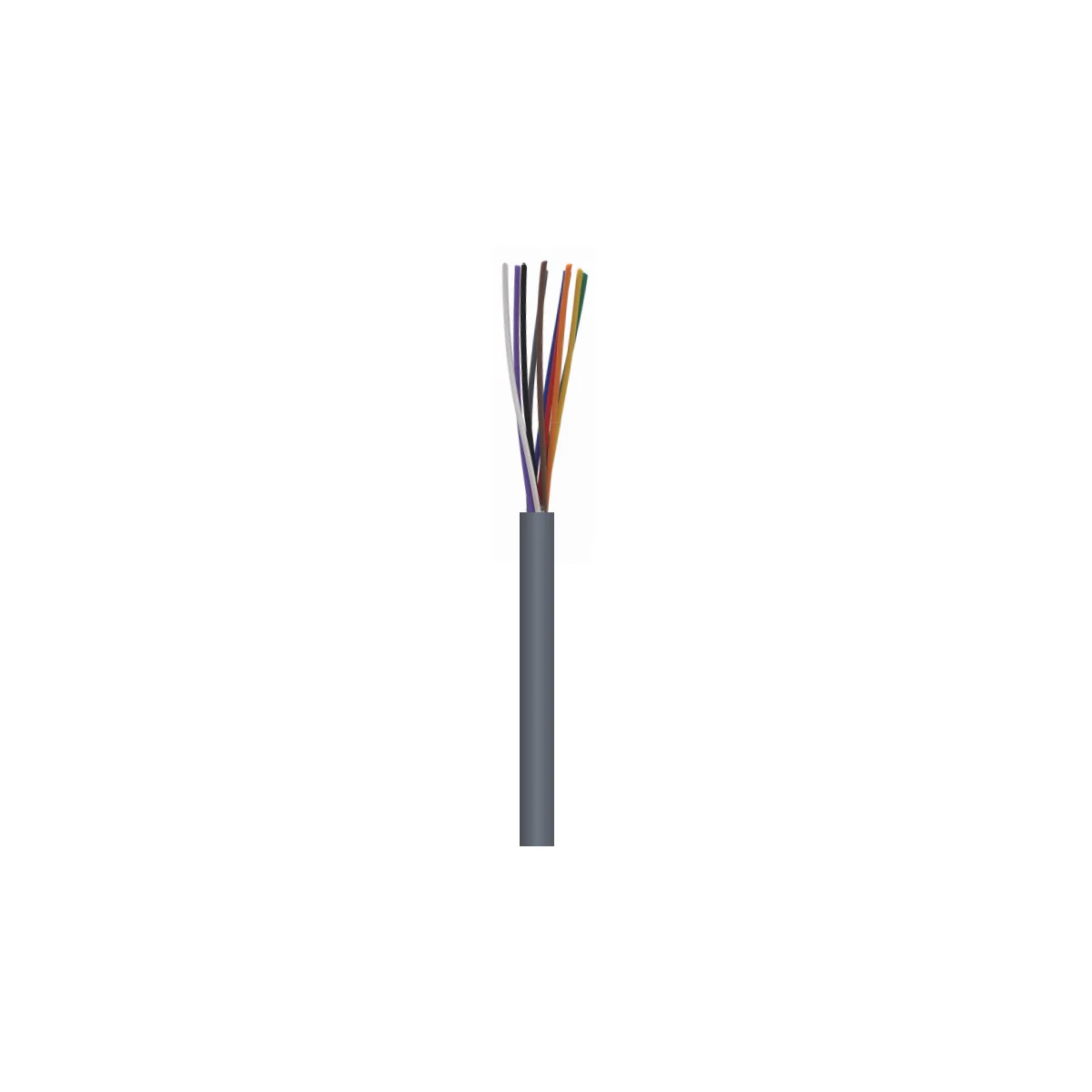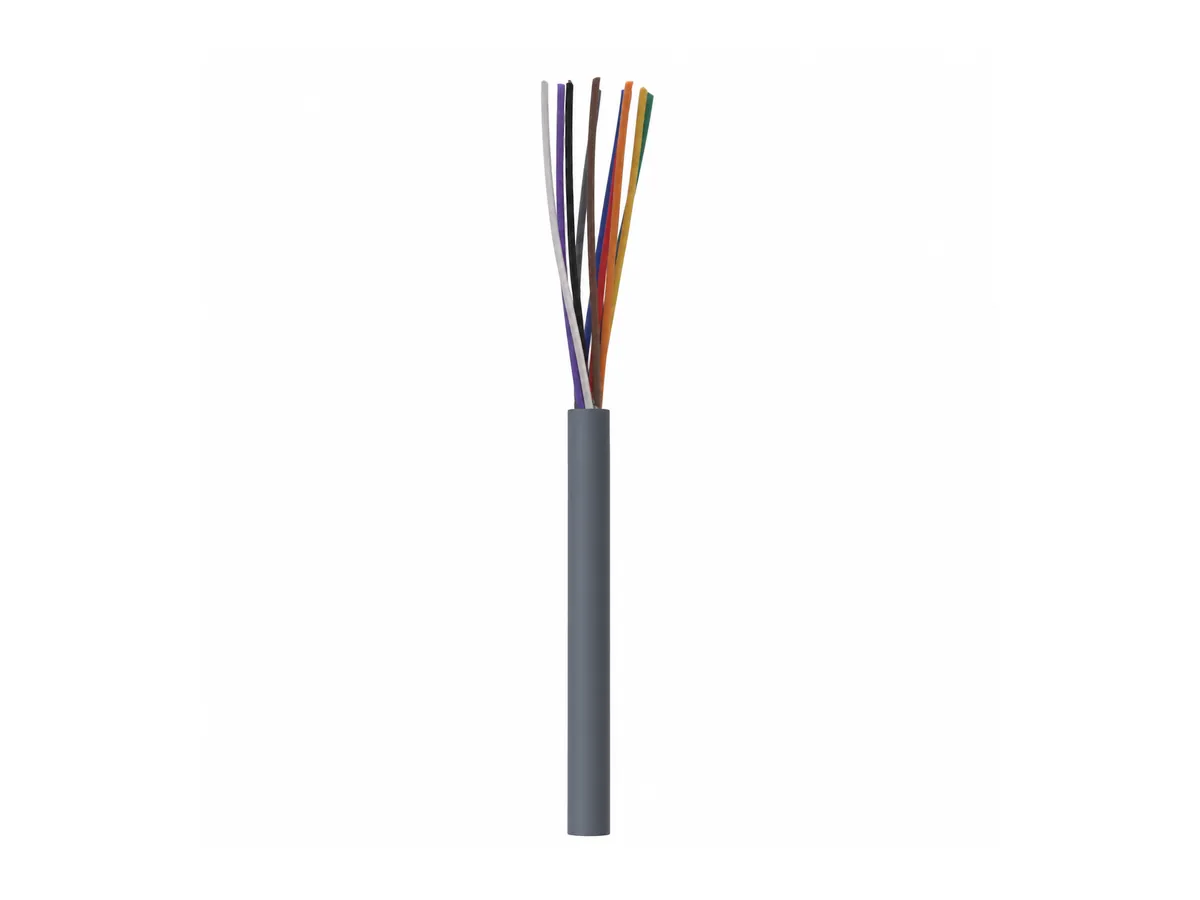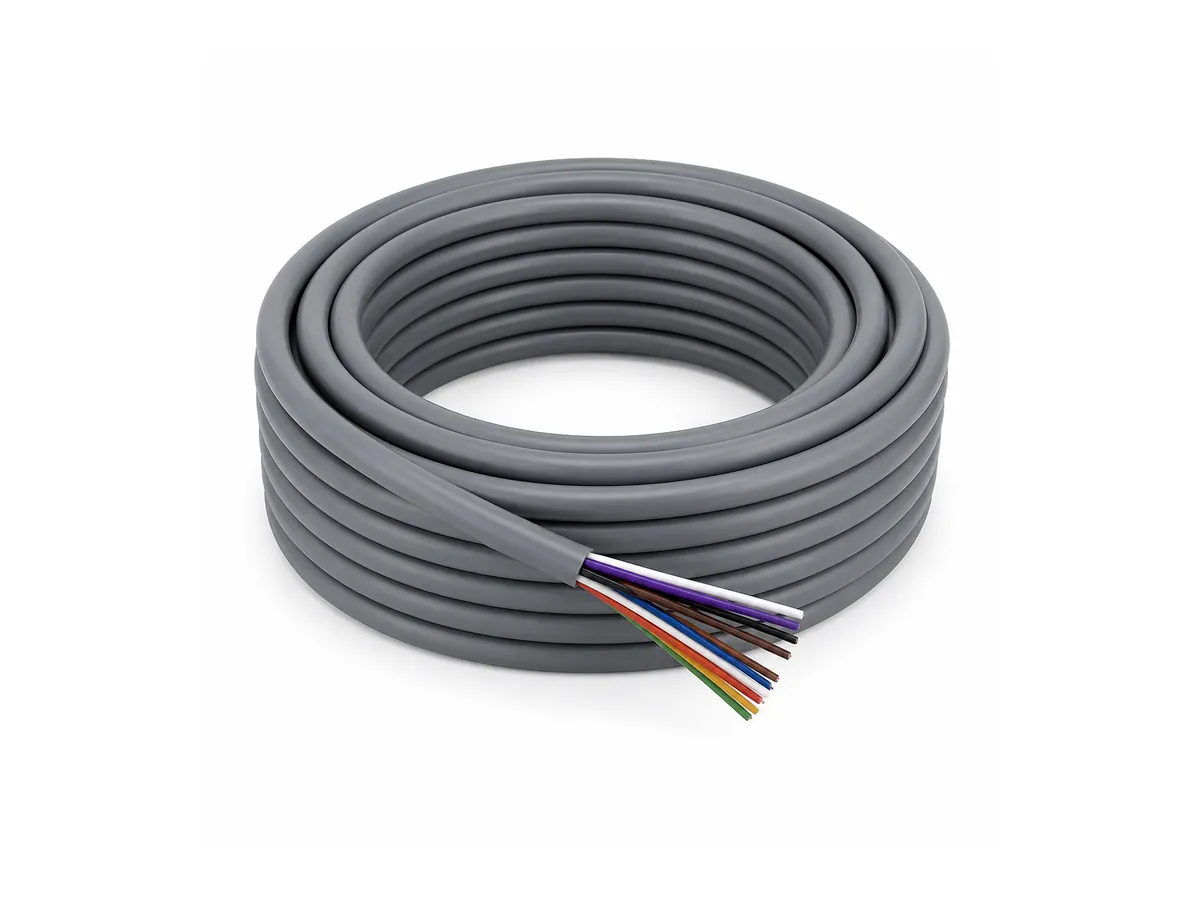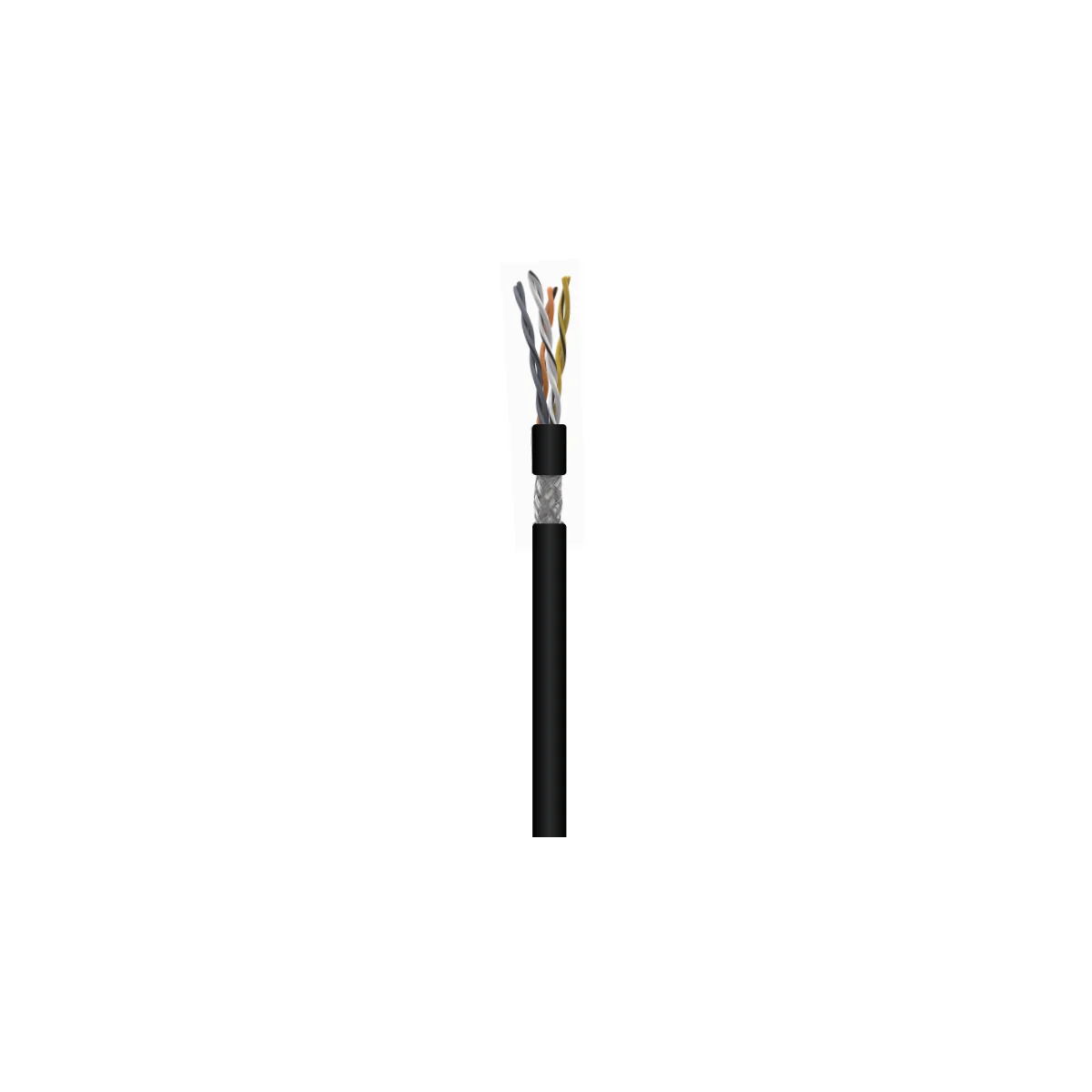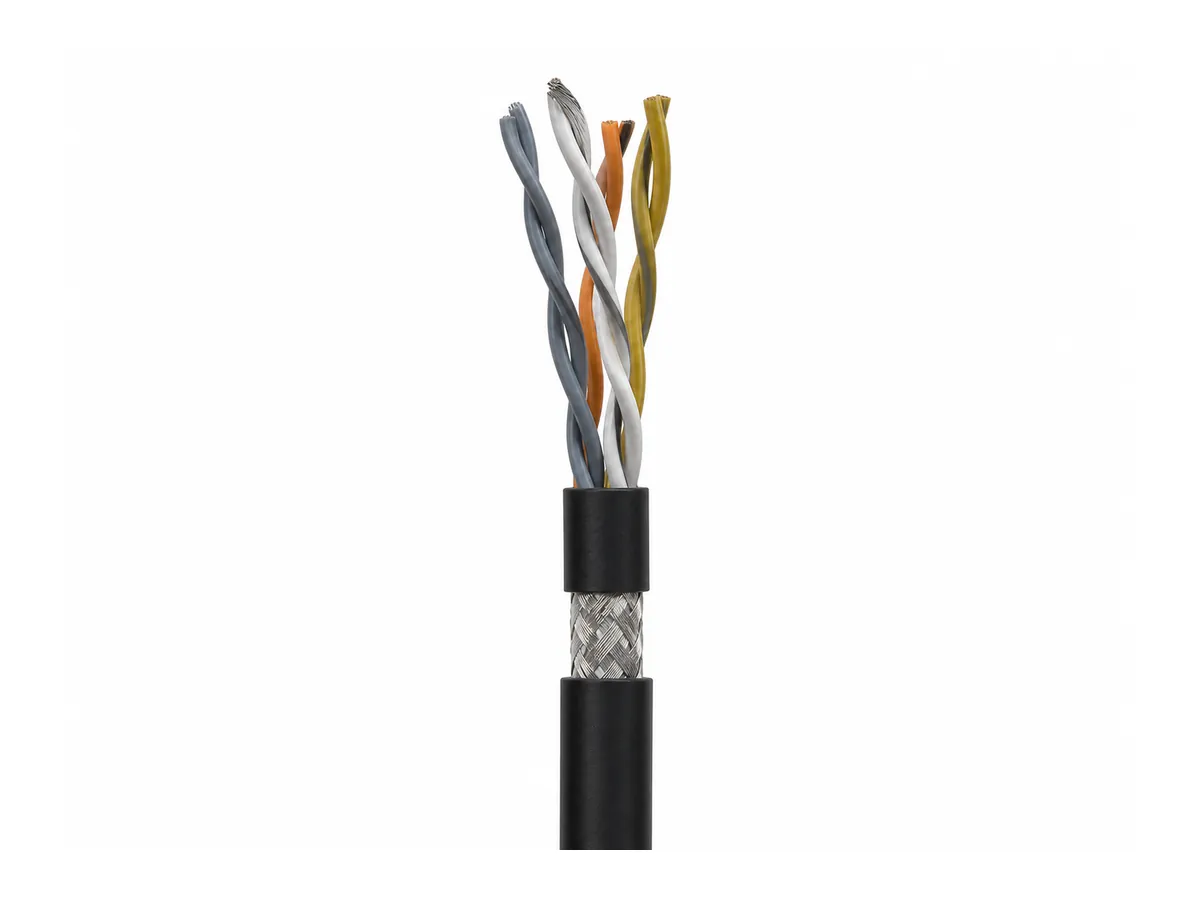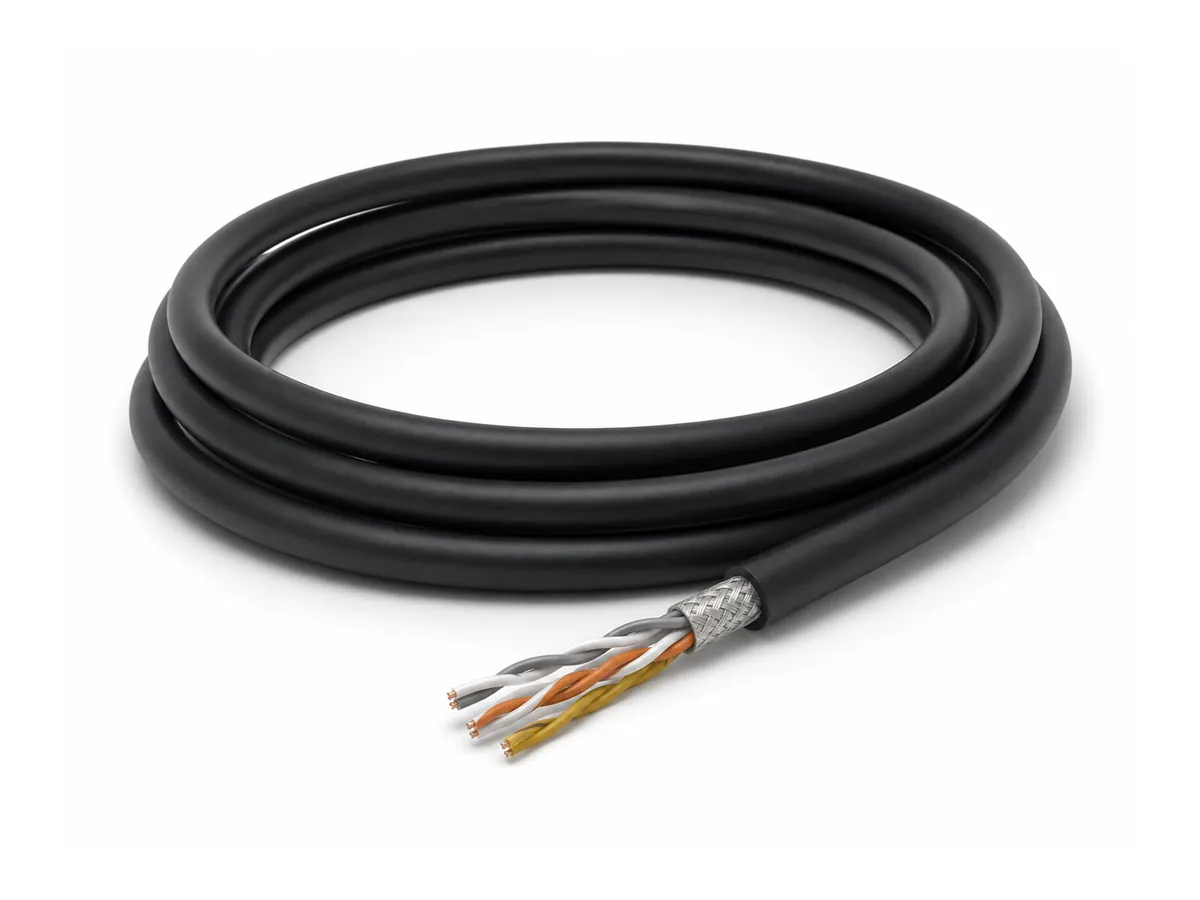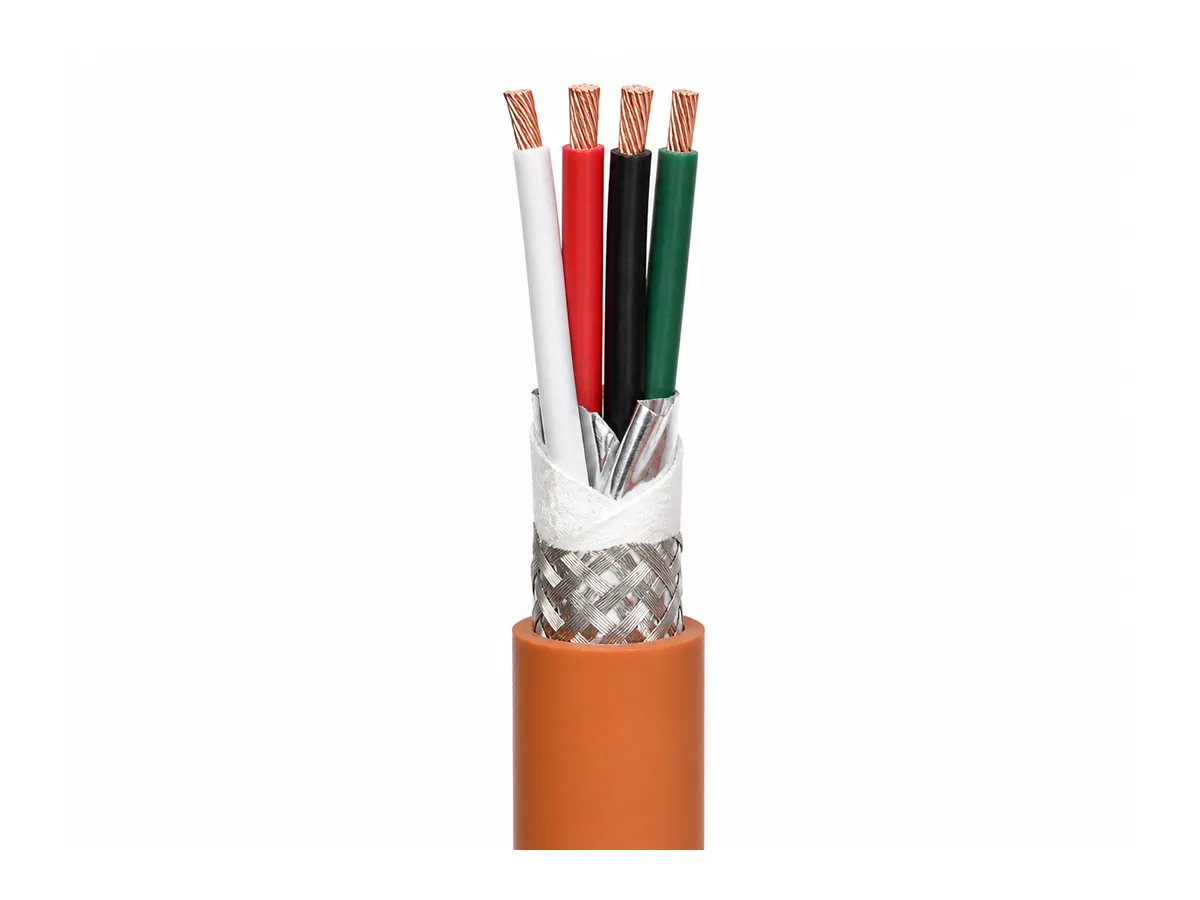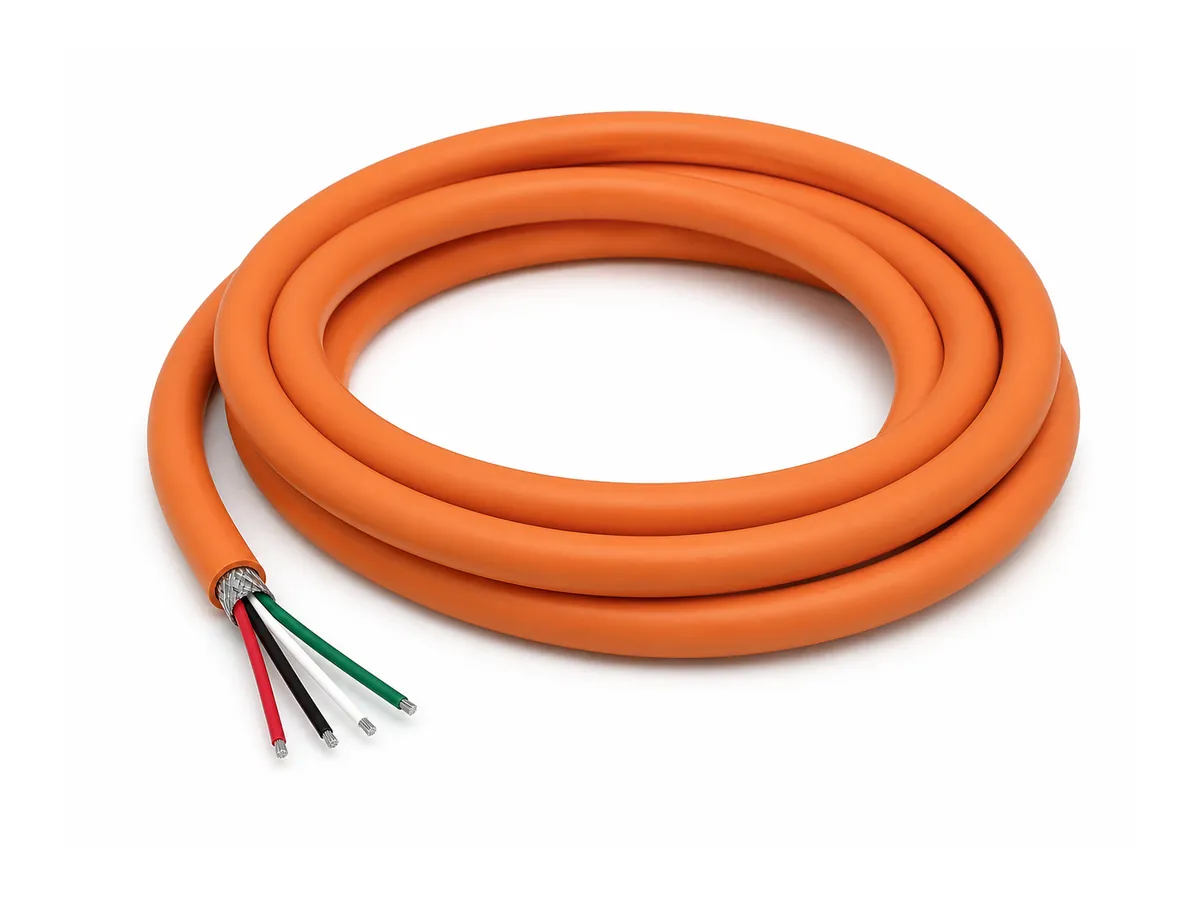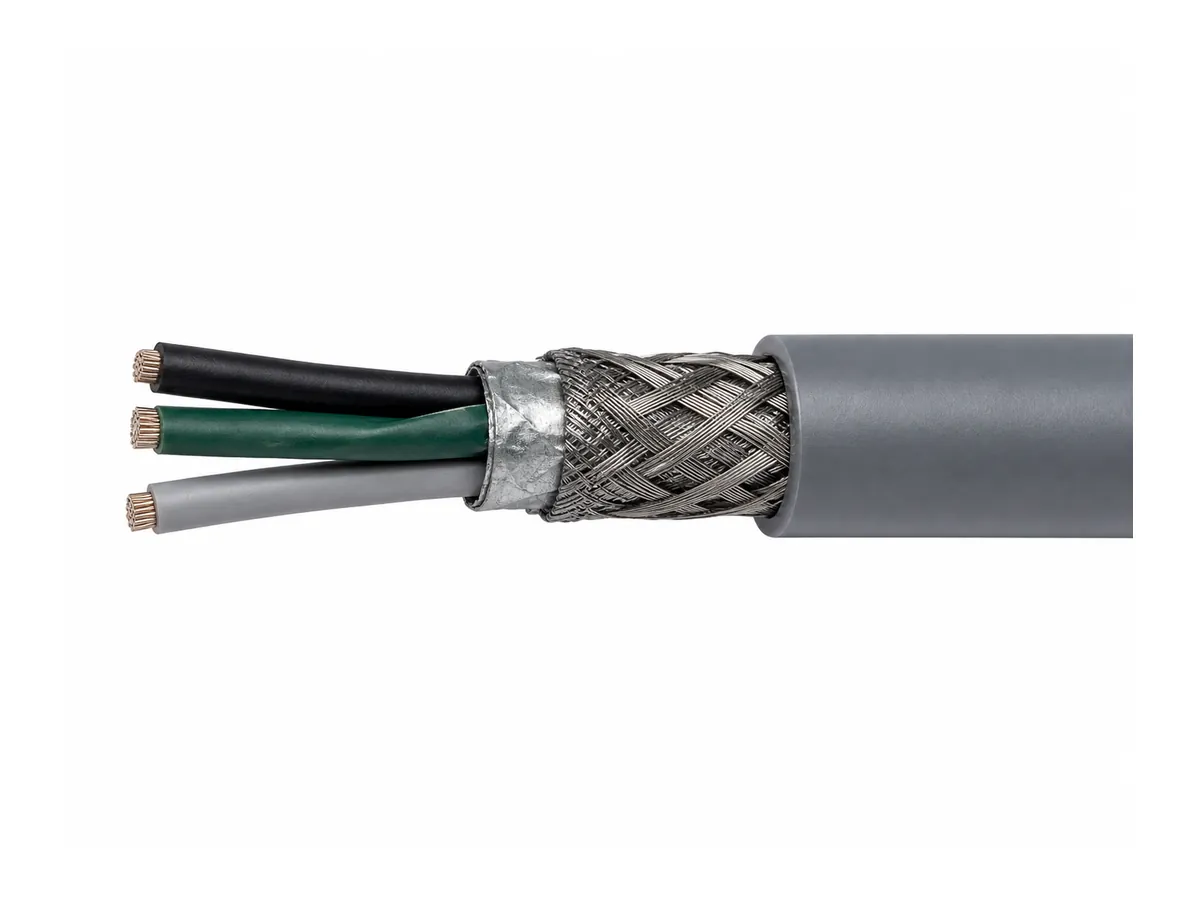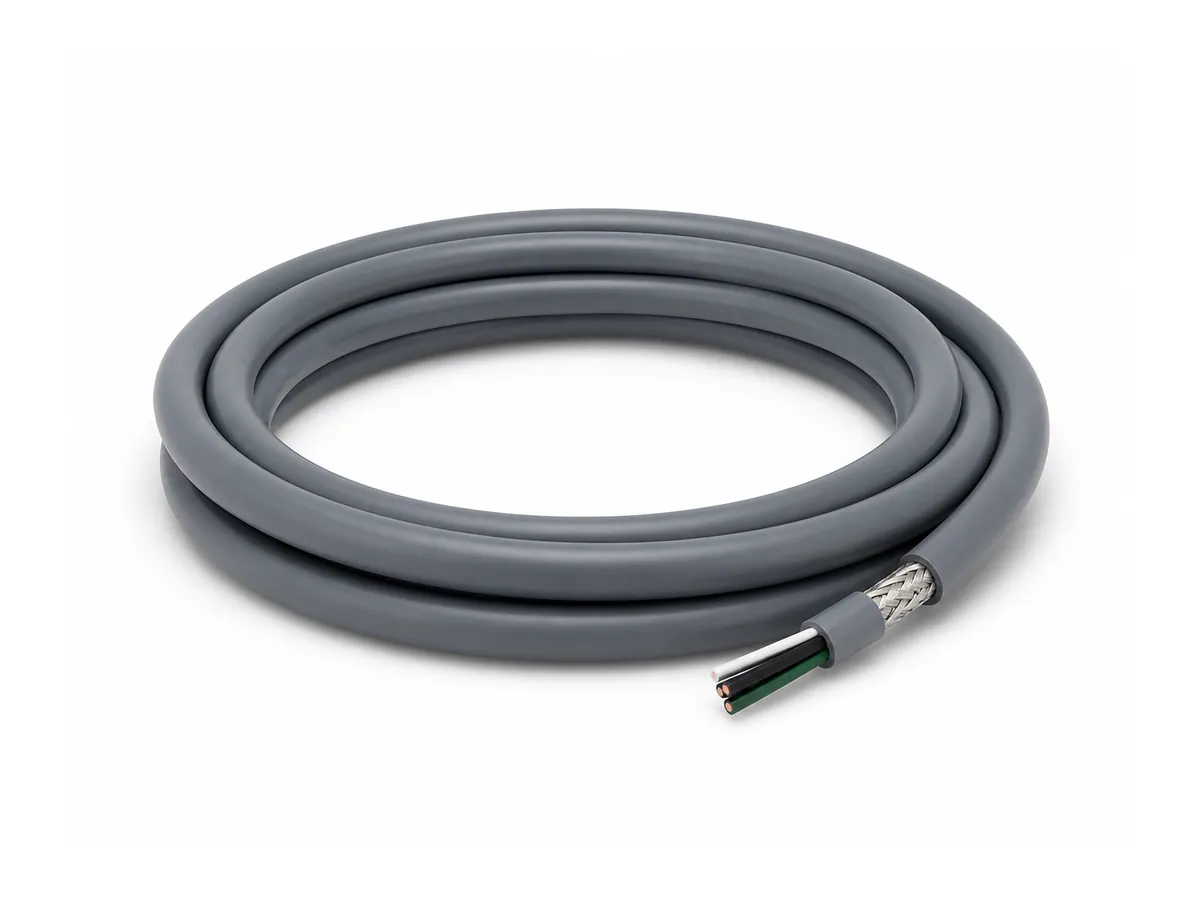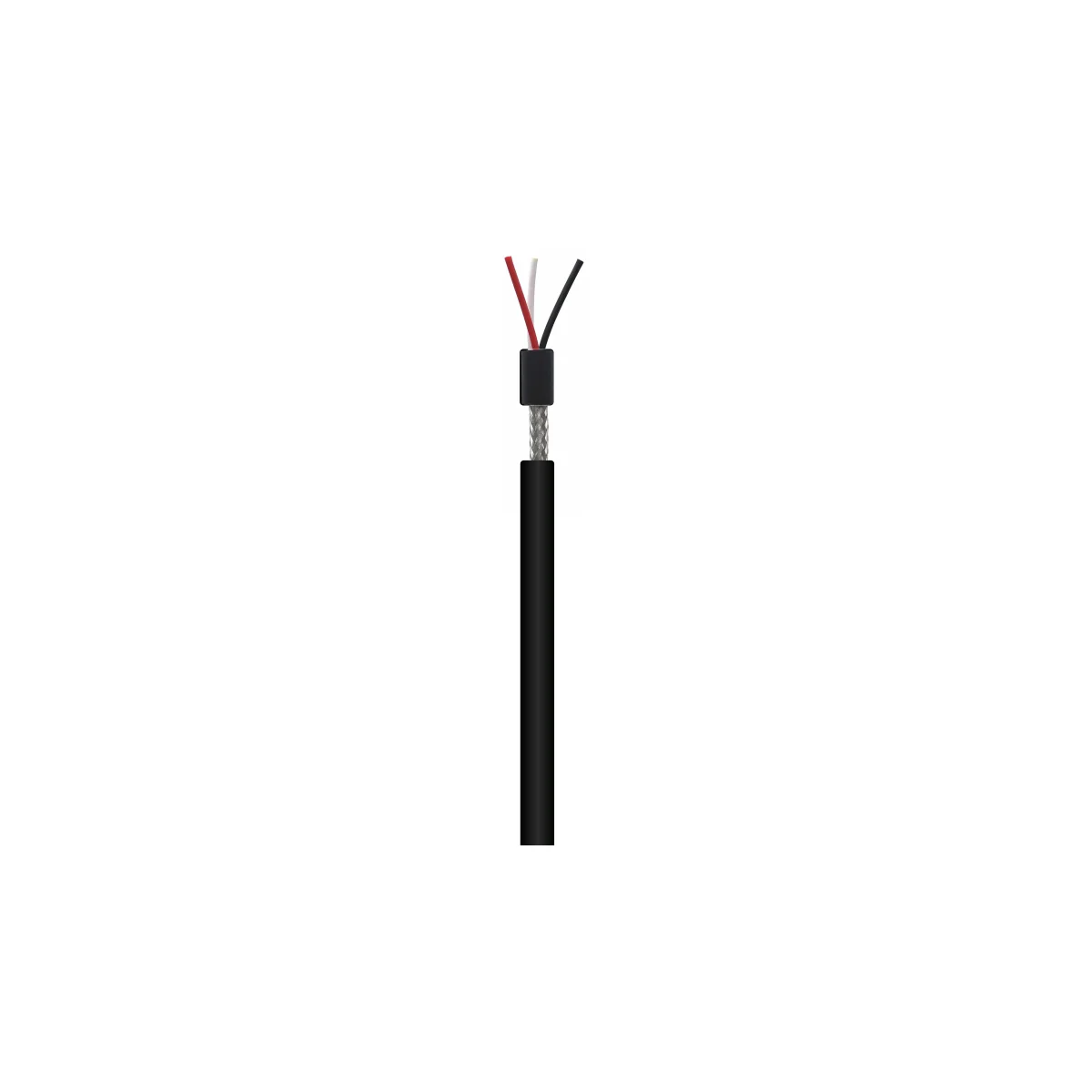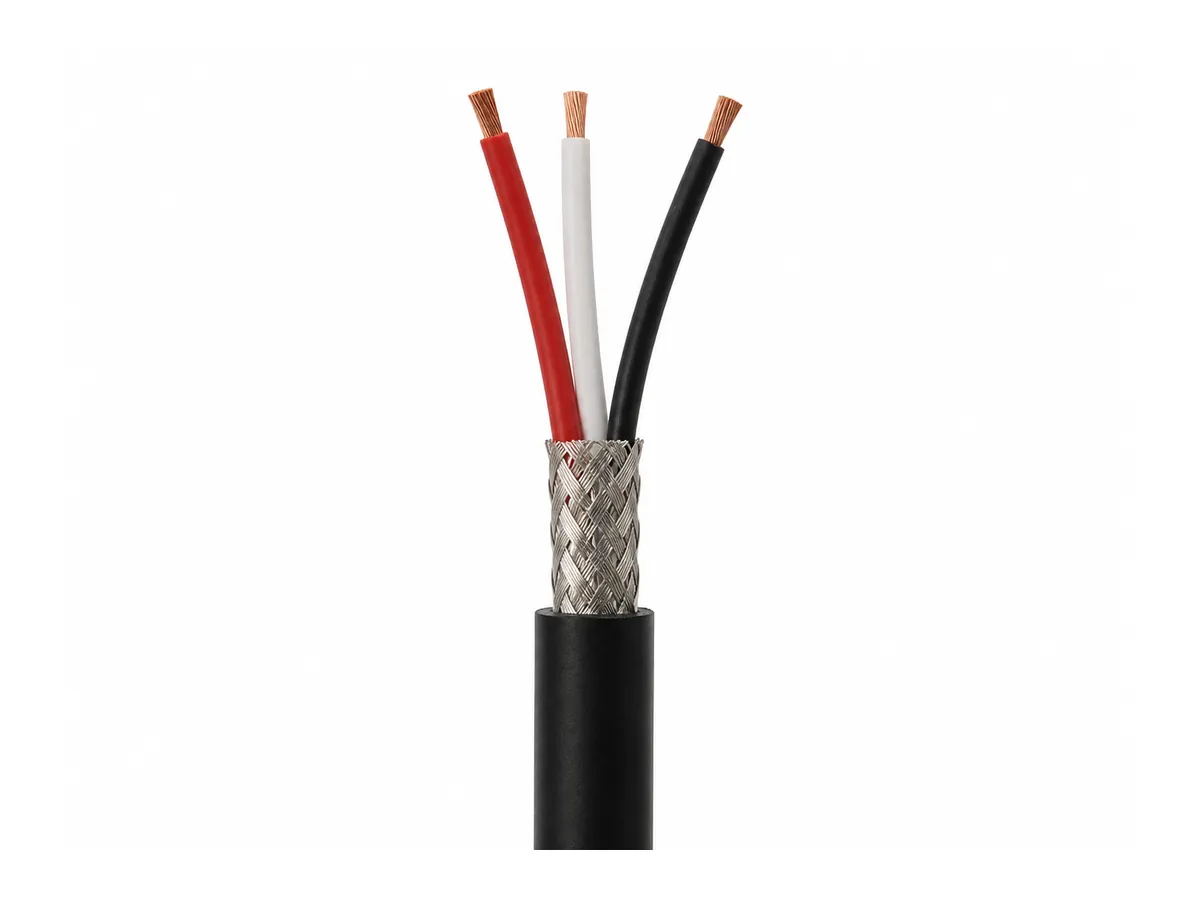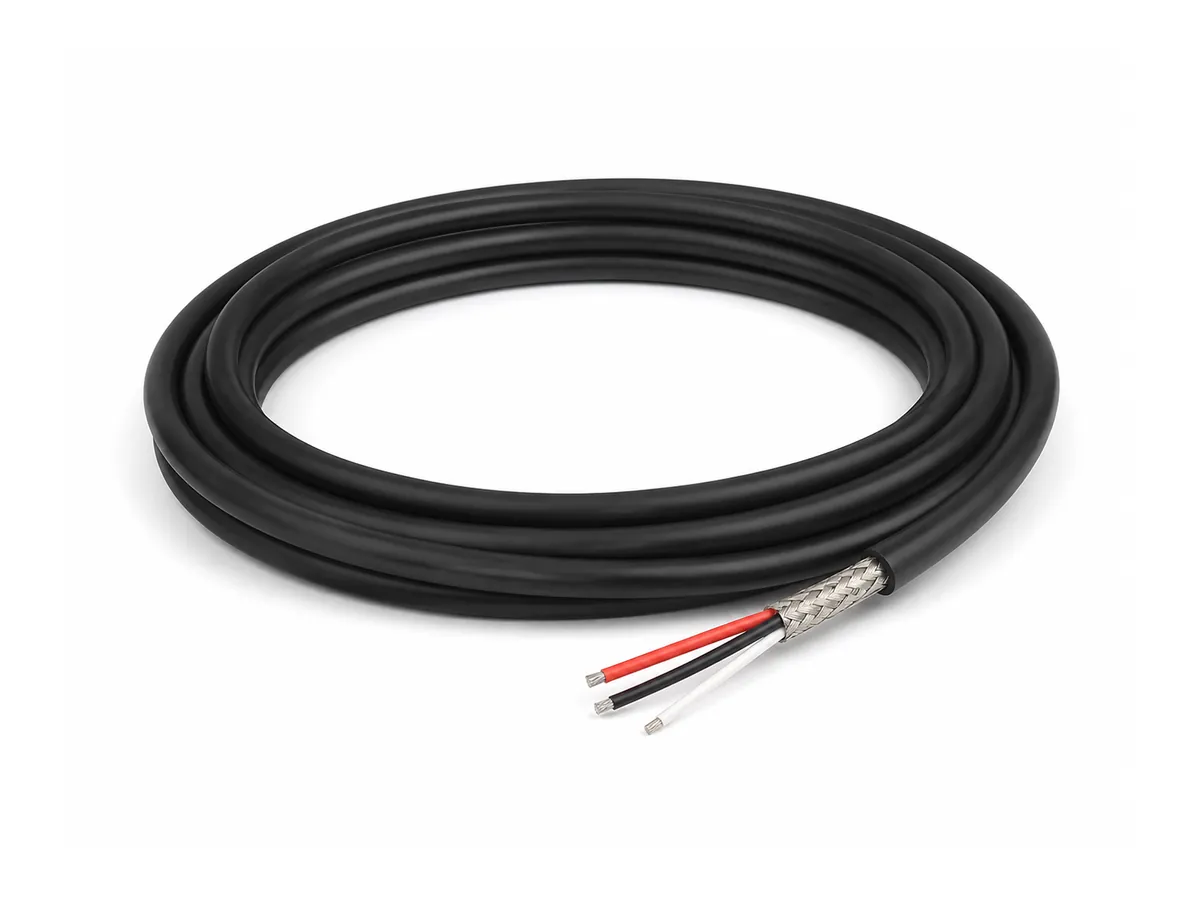
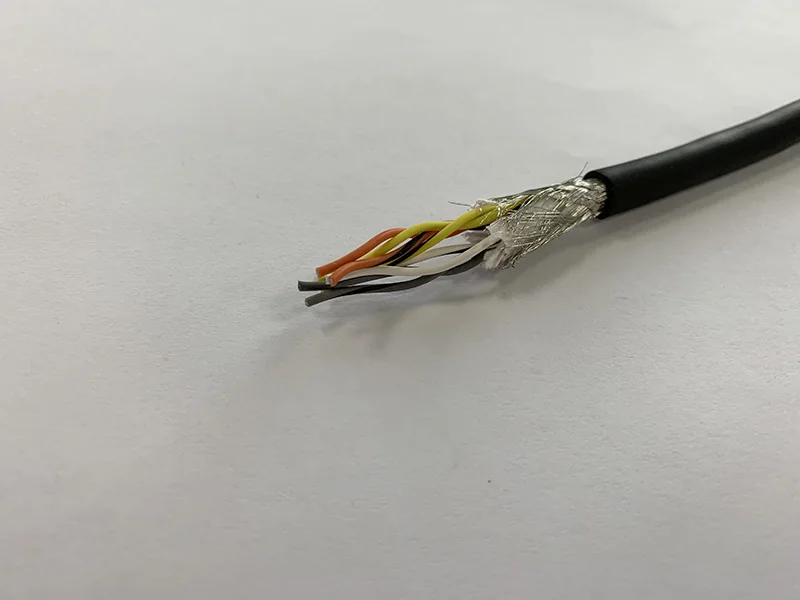
Industrial automation depends on cables that move power, control signals, feedback and network data between fixed cabinets and moving equipment. In a cable carrier, ordinary flexible cable may experience repeated bending far beyond its intended duty. Ultra-flexible drag chain cables are designed specifically for this controlled motion.
Robotics and Servo Axes
Robotic cells and servo-driven equipment require power cables, brake and auxiliary cores, encoder feedback and control connections. Linear axes commonly use continuous-flex cables in cable carriers, while multi-axis robots may also introduce torsion. Cable selection must distinguish between linear flexing and torsional robot service.
CNC Machines and Machining Centers
Machine tools use moving cables for spindles, tool changers, servo motors, sensors and feedback systems. These installations may combine high acceleration with exposure to oil, coolant, chips and abrasion. Suitable conductor construction, shielding and jacket material help protect electrical performance within the carrier.
Automated Material Handling
Gantry systems, stacker cranes, conveyors and automated warehouses use long-travel power, control and network links. Gliding carrier applications require attention to travel distance, carrier design, cable weight and installation clearance. The cable specification should be reviewed together with the energy-chain layout.
Assembly and Packaging Equipment
Pick-and-place machines, inspection equipment and packaging lines often perform rapid, repetitive movements. Compact bend radius, stable signal transmission and predictable cable routing can reduce pressure on the moving mechanism and simplify maintenance.
Industrial Ethernet and Fieldbus
Ethernet, encoder and bus cables must maintain signal geometry while moving. Pair twist, impedance, shielding and connector termination are as important as mechanical flexibility. A generic multicore control cable should not replace a specified industrial communication cable.
Vision, Measurement and Feedback Systems
Cameras, linear scales, grating encoders and other sensors may require small-diameter shielded cables with stable signal performance. Repeated movement must not disturb conductor pairing or shield continuity. Connector pinout and strain relief should be confirmed as part of the cable assembly.
How to Match Cable to an Automation Project
- Define linear, torsional or combined motion.
- Provide travel, speed, acceleration and cycle frequency.
- Confirm dynamic bend radius and carrier dimensions.
- Separate power, feedback and network requirements.
- Identify temperature, oil, abrasion and flame requirements.
- Specify connector, pinout, length and grounding method.
Installation Remains Critical
The cable should be installed without twisting, with sufficient clearance and suitable separation from incompatible services. Strain relief belongs outside the actively bending section. Overfilled carriers, incorrect fixed points and a radius below the specified minimum can shorten service life.
Conclusion
Ultra-flexible drag chain cables support nearly every moving function in modern automation, but no single construction fits every system. Reliable selection begins with the complete motion, electrical and environmental requirements.
Browse our industrial cable products and best-selling cable solutions, or send us your drawing and application requirements.