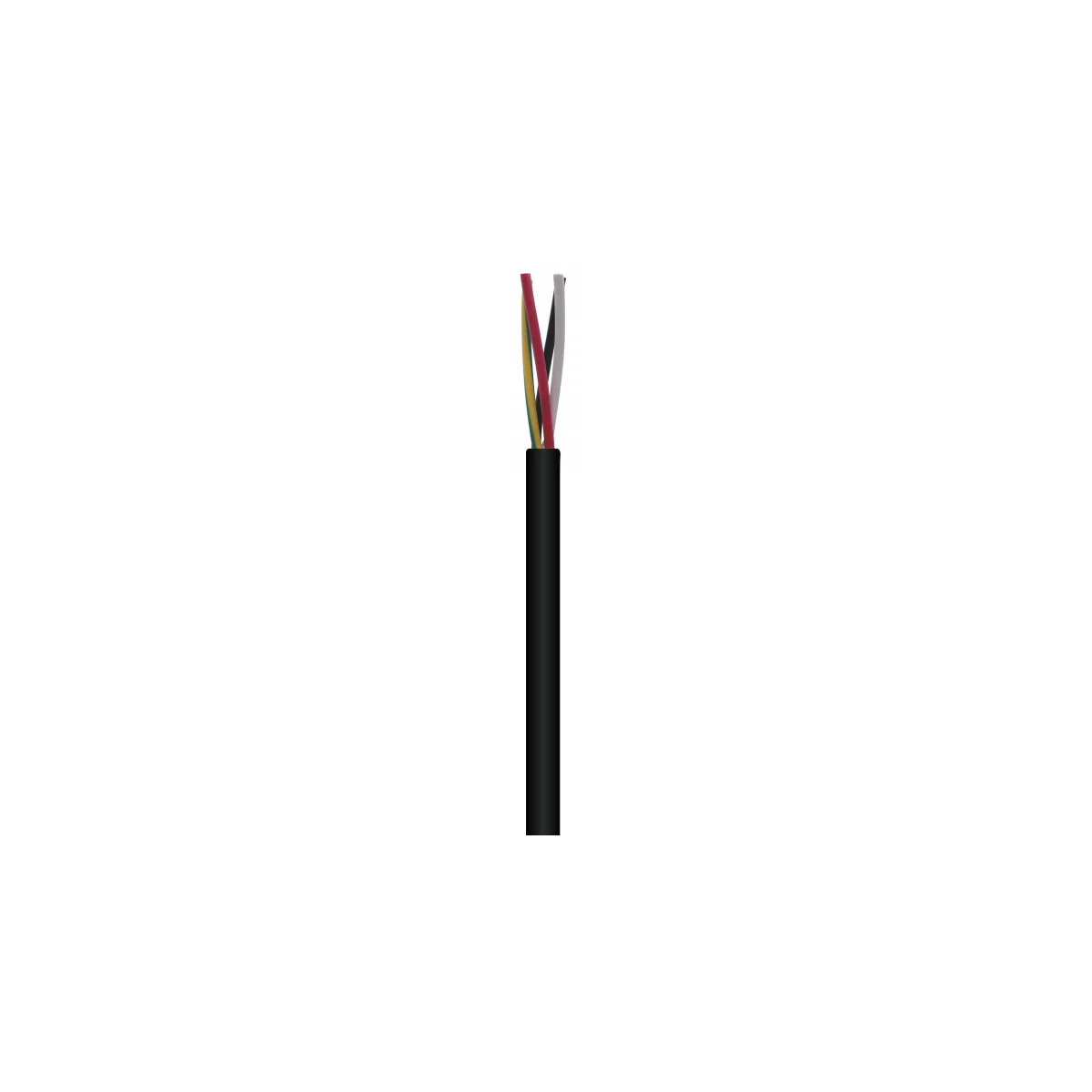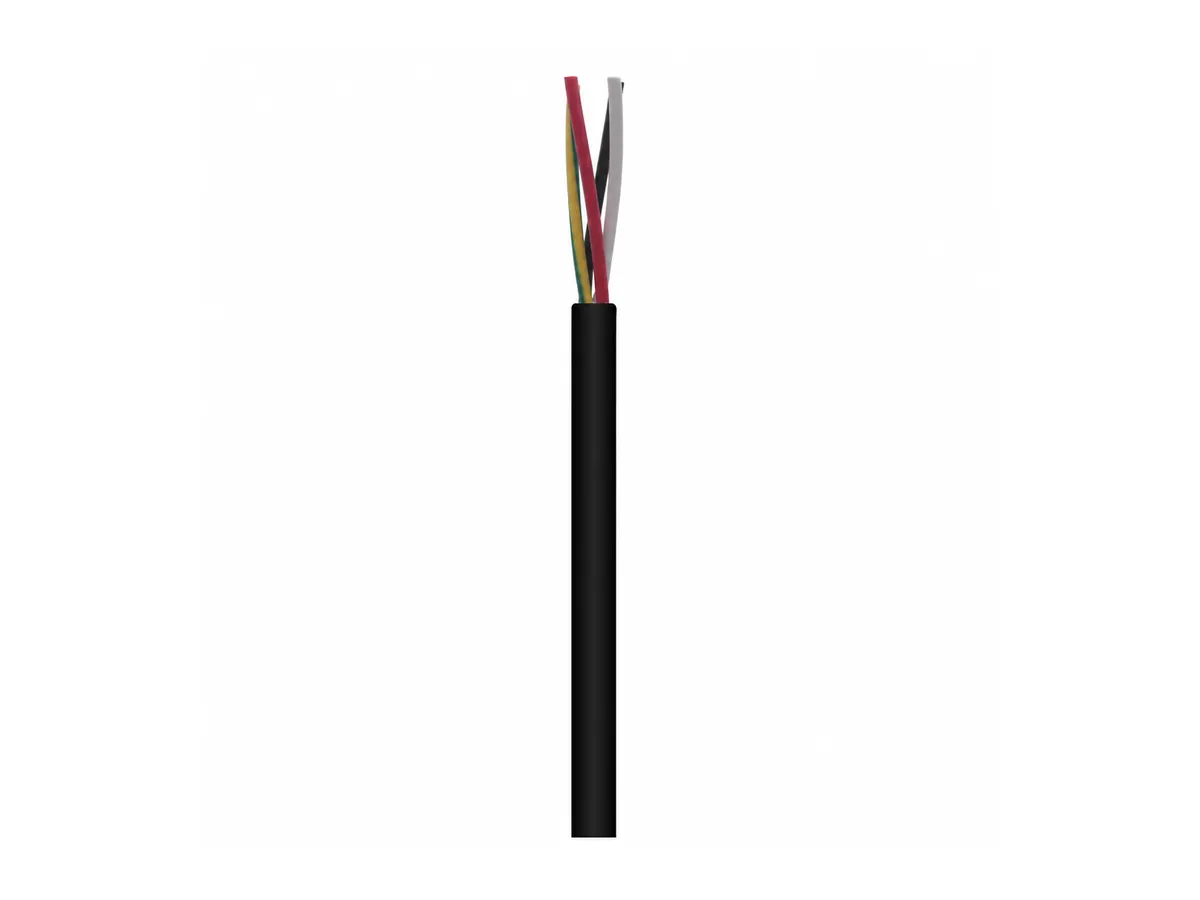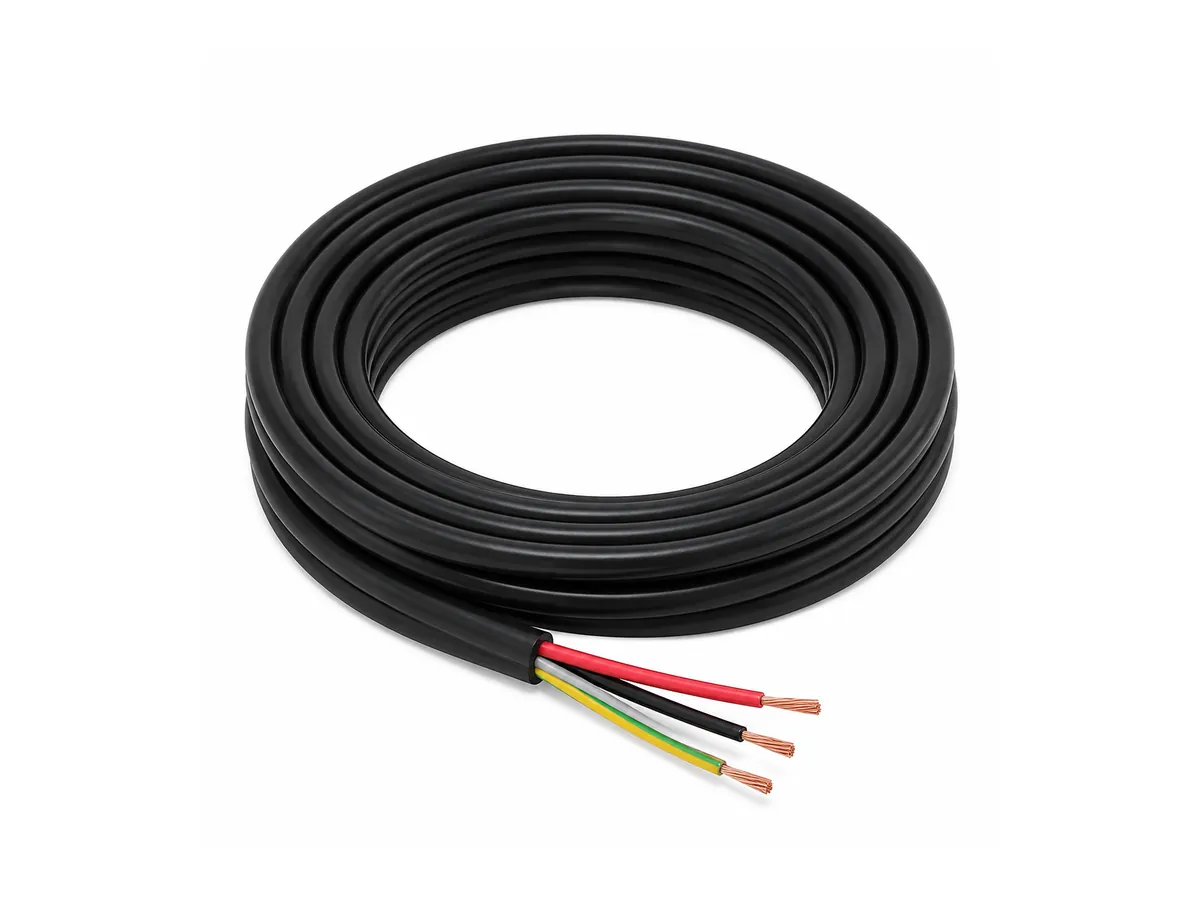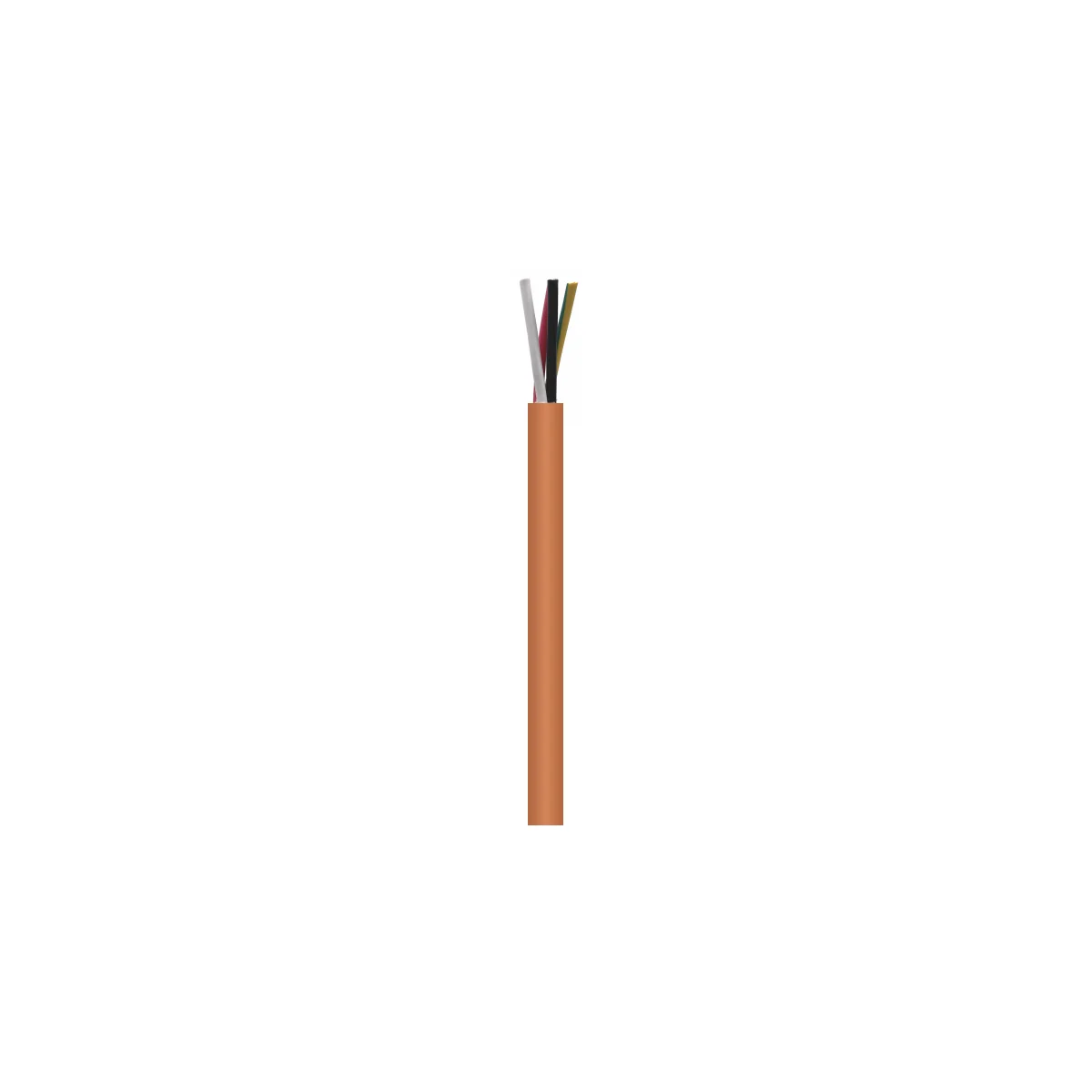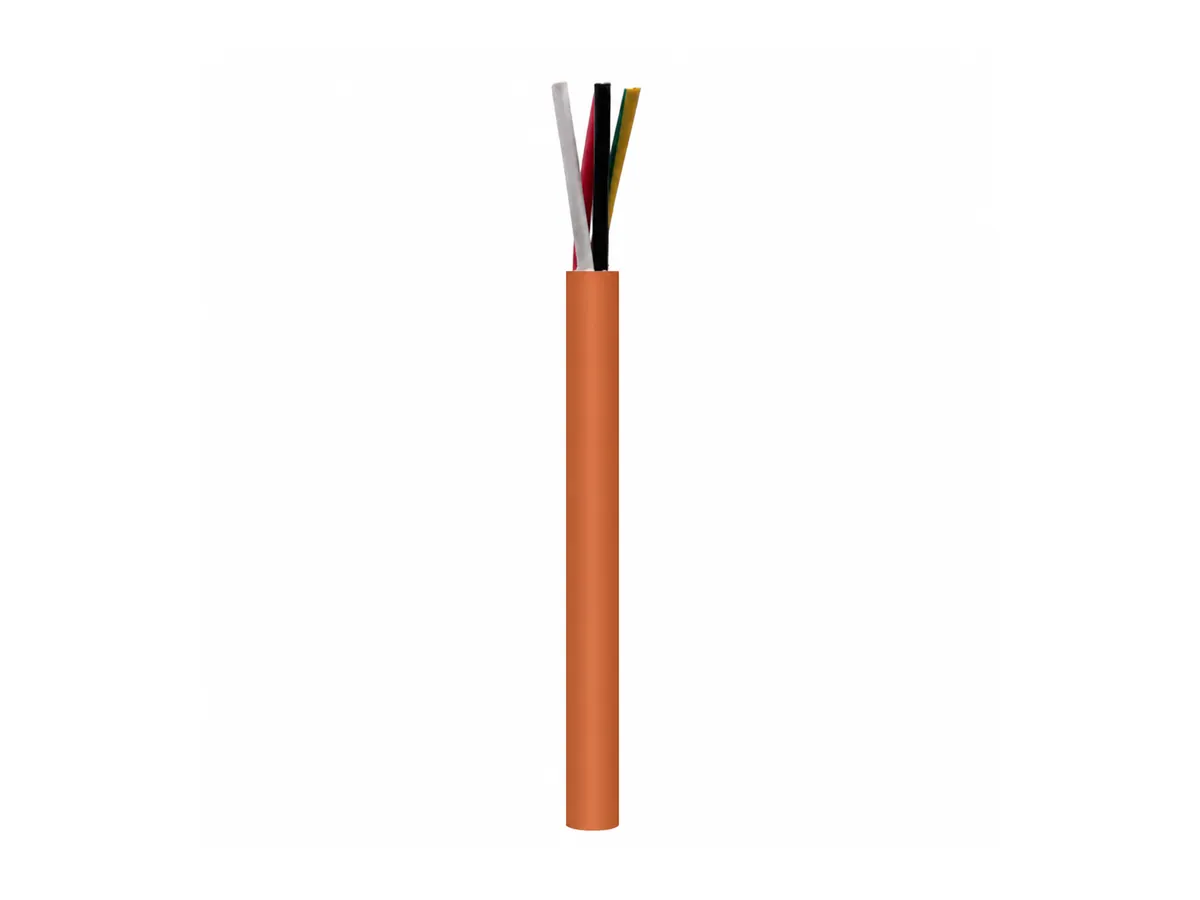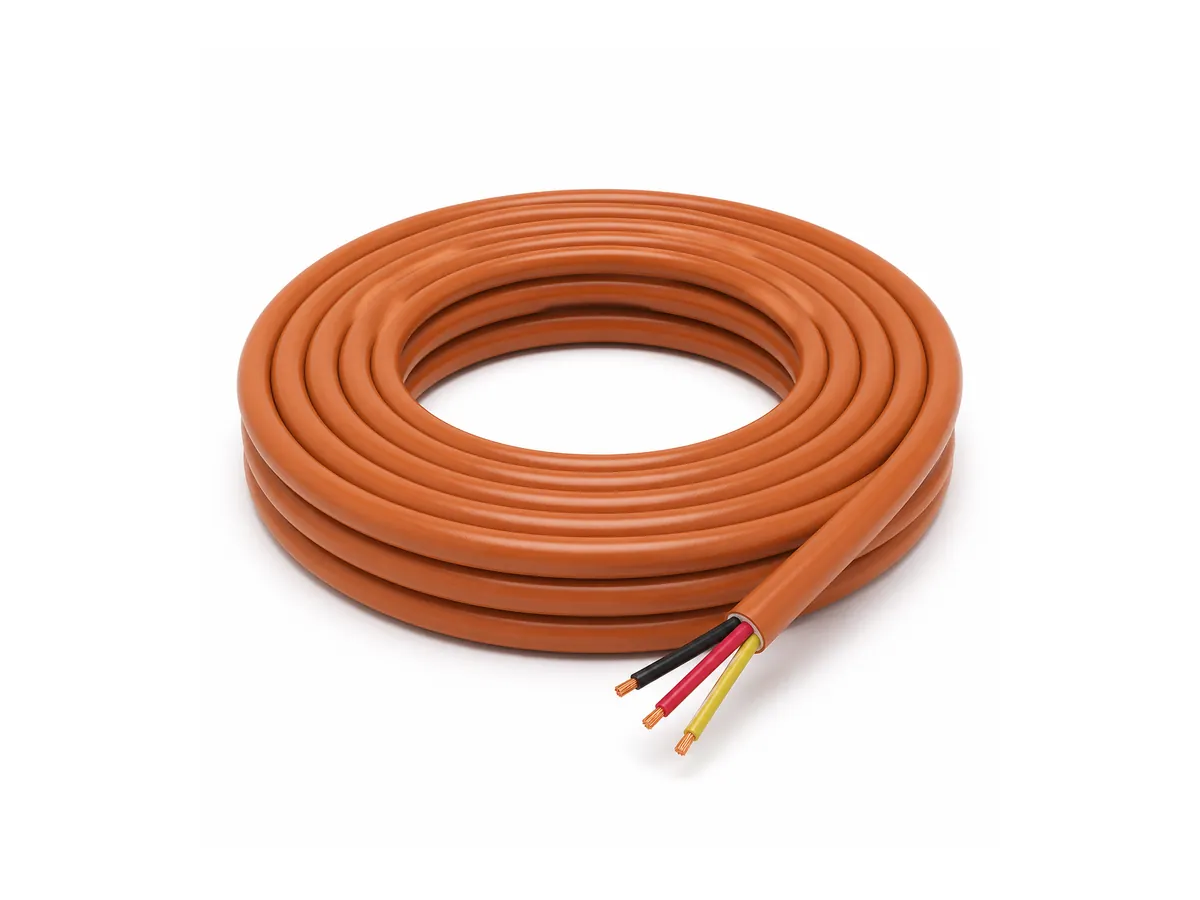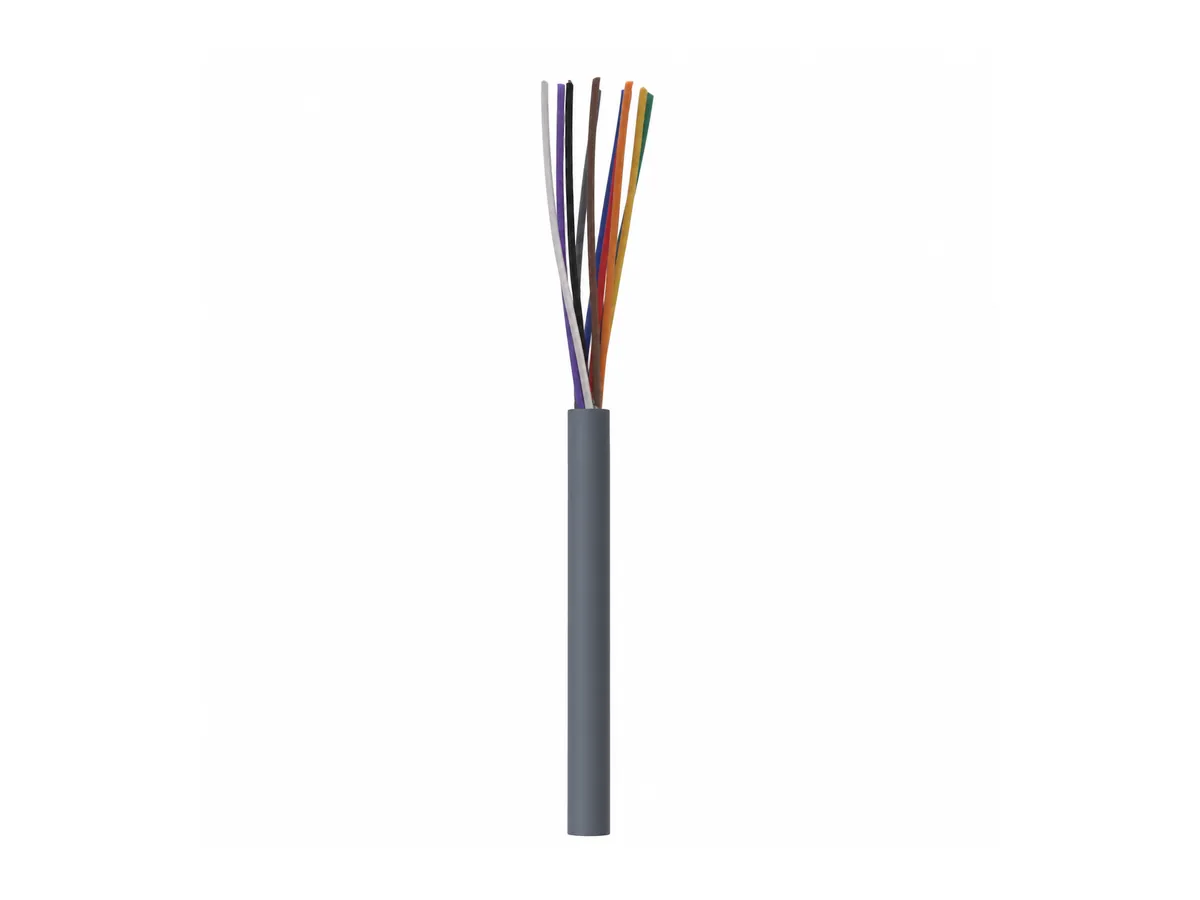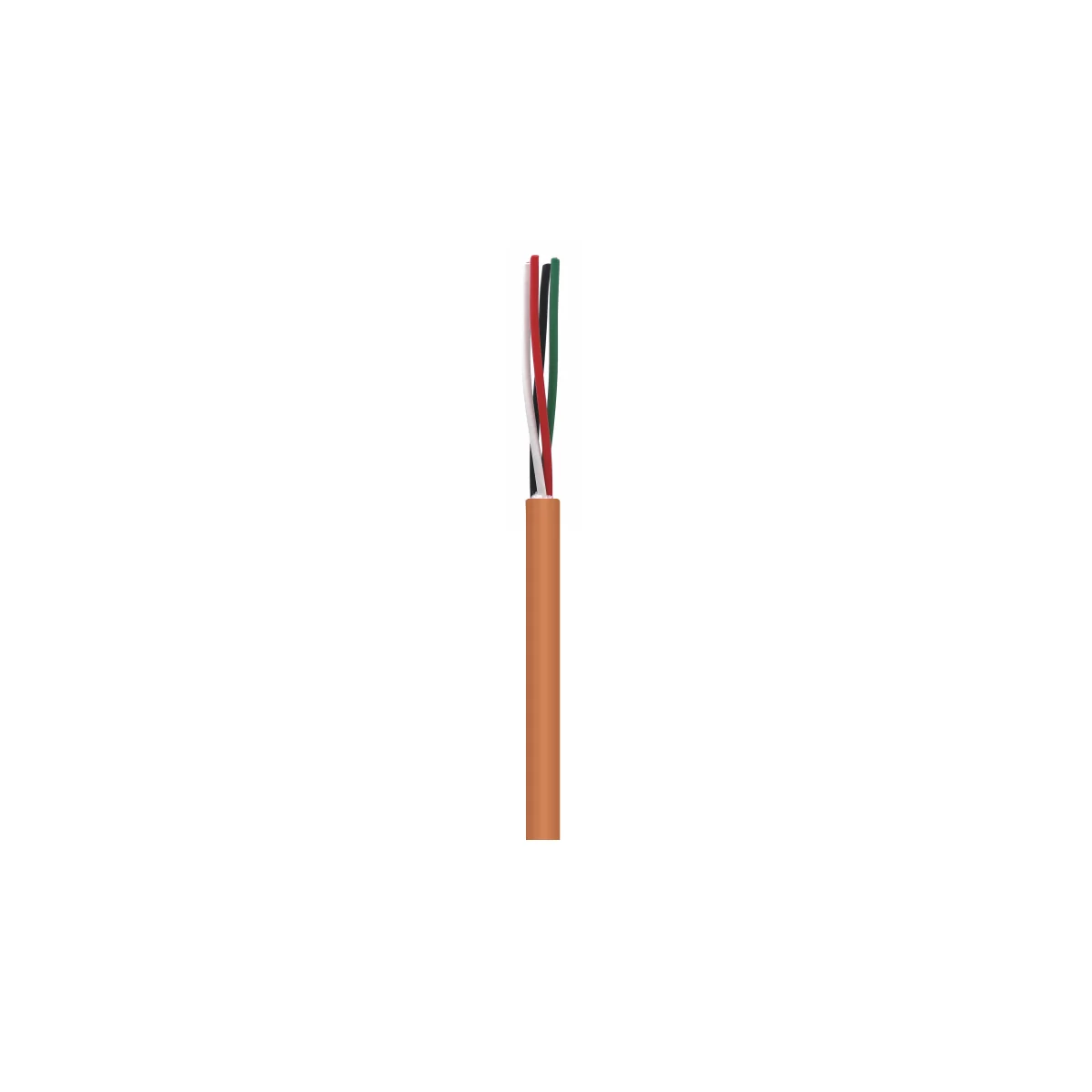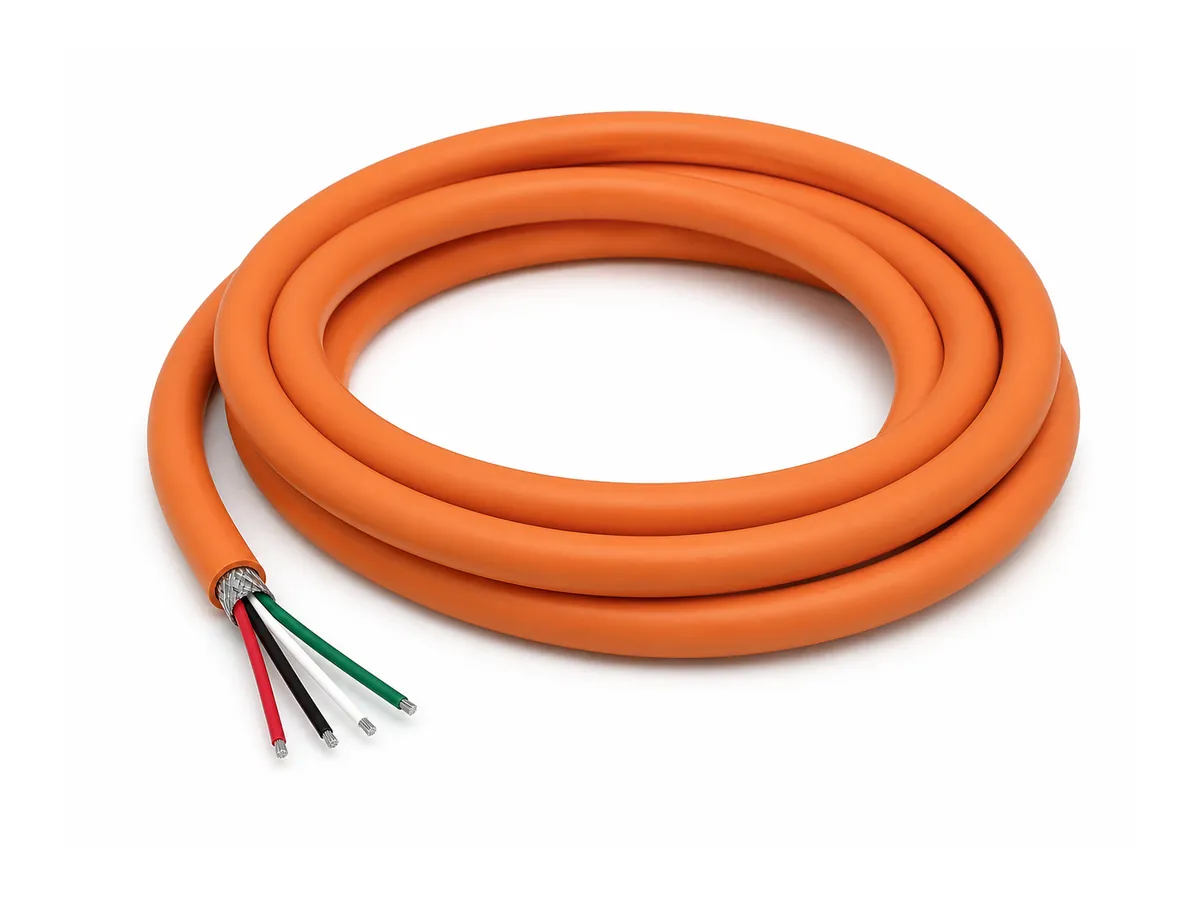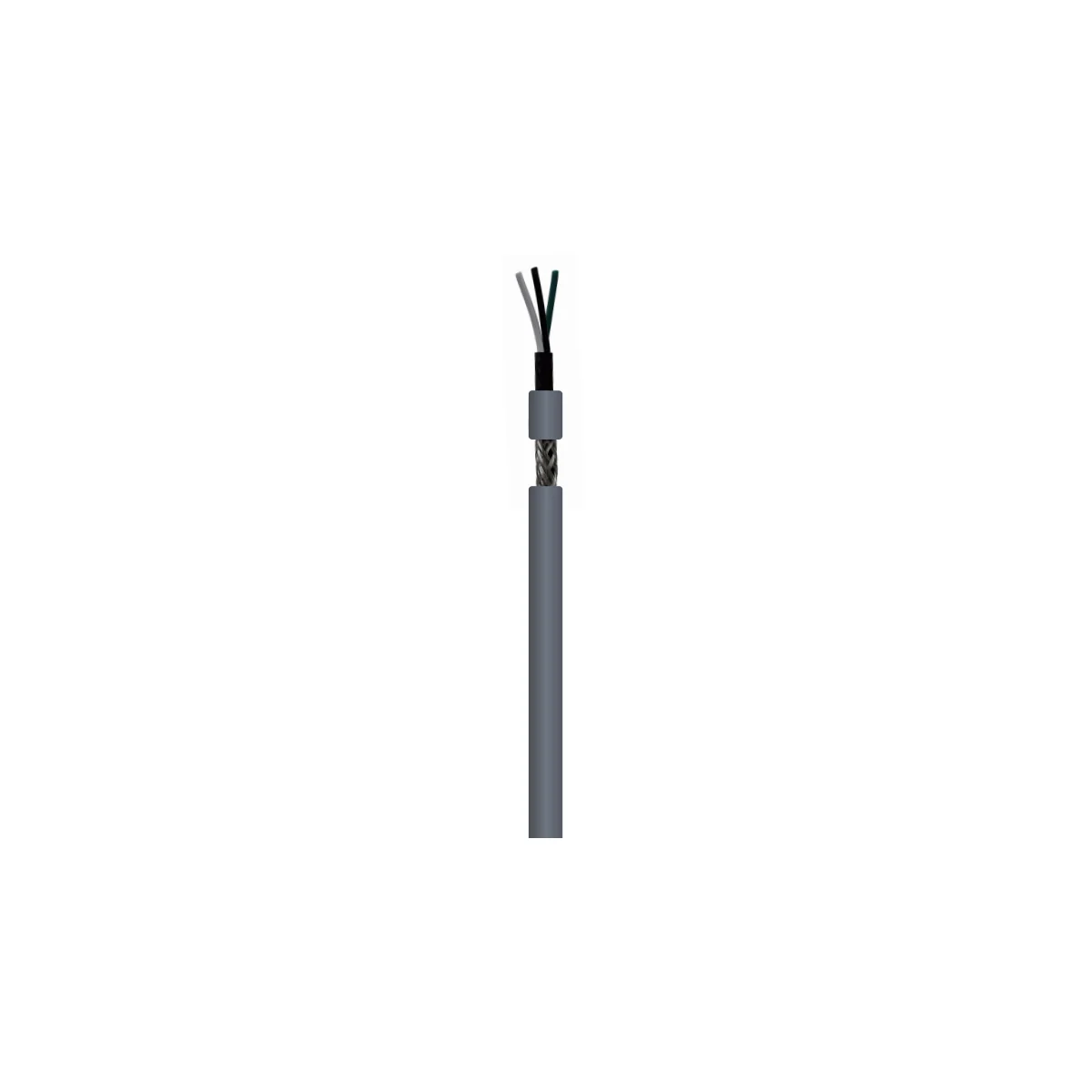
Ultra-flexible drag chain cables are manufactured as complete mechanical and electrical systems. Their ability to withstand repeated movement depends on controlled conductor geometry, insulation, core arrangement, shielding, sheath materials and process consistency.
1. Conductor Preparation
Production begins with copper wire drawing, annealing and fine-strand preparation. Strand diameter, conductor lay and cross-sectional area are controlled to provide the required resistance and flexibility. The conductor design must match the intended movement; a construction suitable for fixed wiring is not automatically appropriate for continuous flexing.
2. Insulation Extrusion
Each conductor is insulated with the specified PVC, PE, TPE or other compound. Extrusion controls include material condition, temperature profile, concentricity, surface quality and minimum insulation thickness. Online dimensional measurement and spark testing may be used according to the approved product specification.
3. Pairing and Core Cabling
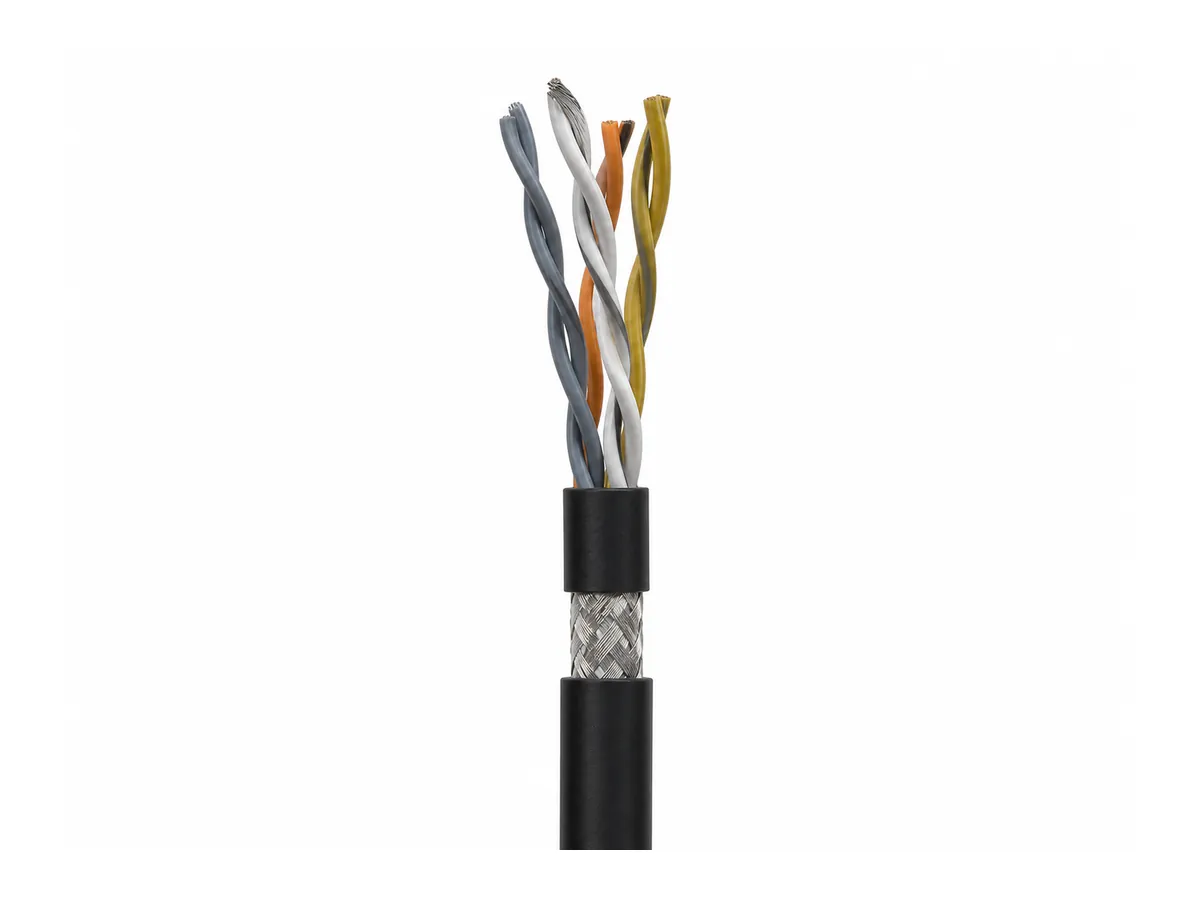
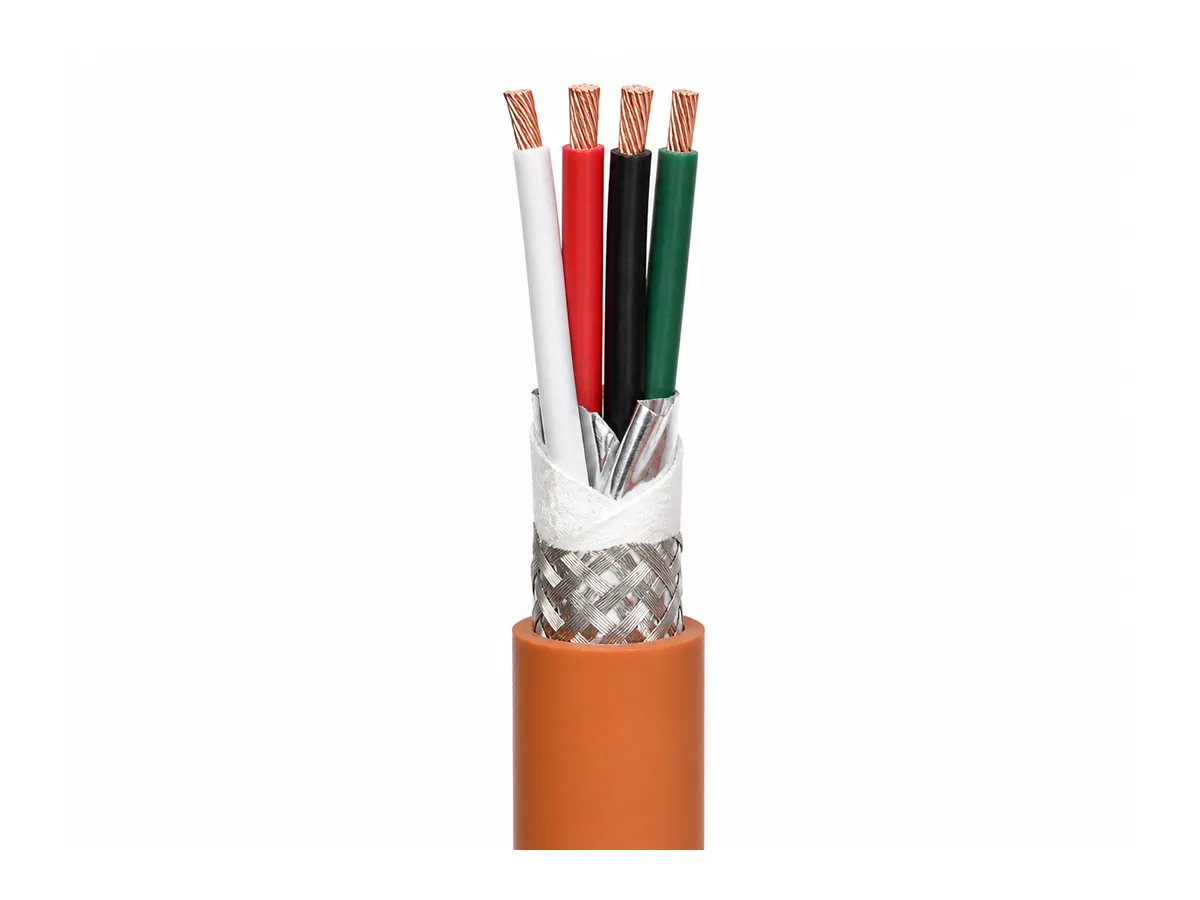
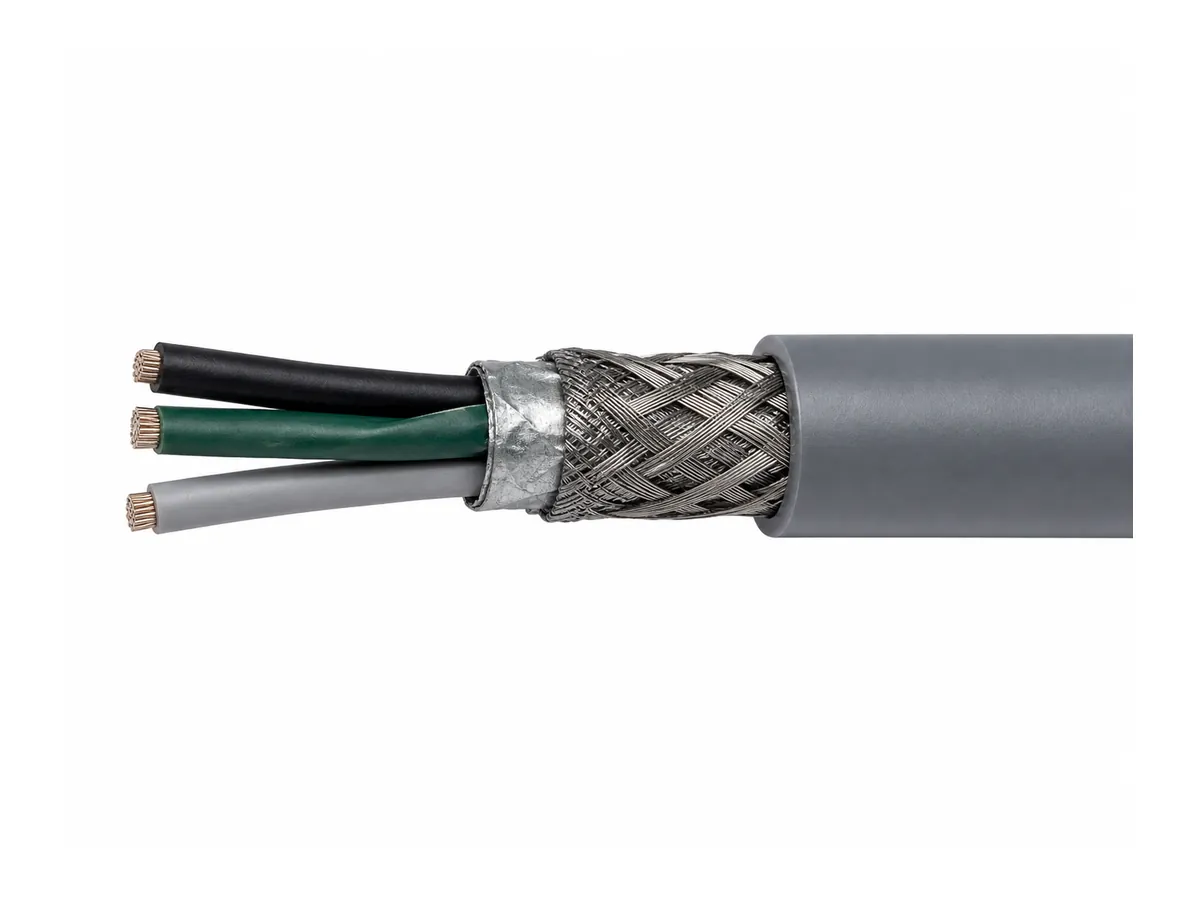
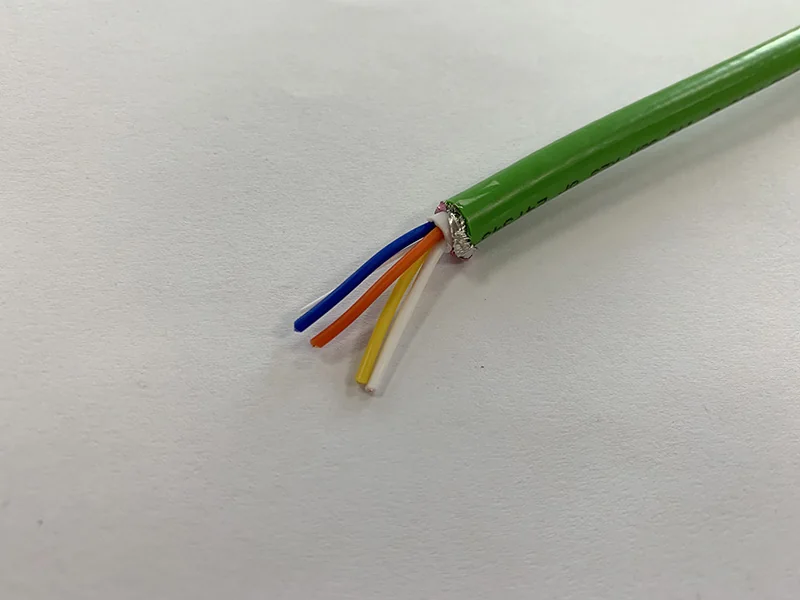
Signal pairs, power cores or control conductors are arranged with a controlled lay. Twisted pairs help maintain electrical geometry in data and feedback cables. Fillers, wrapping tapes or an inner jacket may be added to stabilize the cable core and prevent individual elements from migrating during movement.
4. Shield Application
Shielded designs may use foil, braided tinned-copper wire or a combined construction. Braid coverage, angle and wire size affect both electromagnetic performance and flexibility. The shield must remain supported by the underlying cable core and should be compatible with the intended termination method.
5. Outer Sheath Extrusion
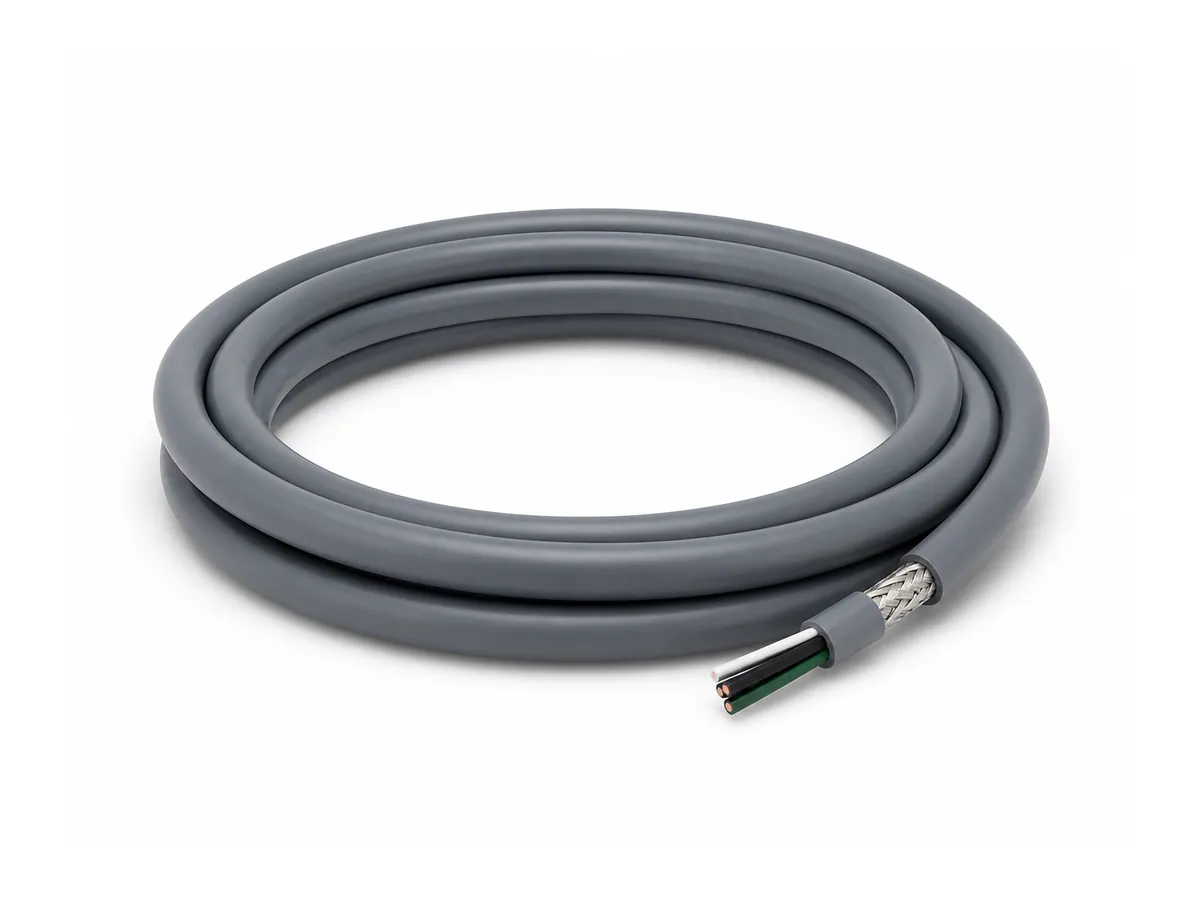
The outer jacket protects the cable and keeps its internal elements working together. PVC can suit many indoor machine applications, PUR is often chosen for abrasion and oil exposure, and TPE compounds may address demanding motion or temperature requirements. The actual compound is selected from the approved application specification.
6. Marking and Dimensional Control
Cable markings can include the manufacturer, construction, voltage, applicable standard, batch information and customer identification. Outer diameter, ovality, surface quality and color are checked against the drawing and tolerance requirements.
7. Electrical and Mechanical Testing
Finished-cable inspection may include conductor resistance, continuity, insulation resistance, voltage testing, dimensional checks and visual inspection. Where continuous-flex performance is specified, test conditions should define bend radius, travel, speed, acceleration, number of cycles and failure criteria. Flame, oil, abrasion or low-temperature tests are performed only when required by the applicable specification.
Why Process Control Matters
Even a suitable material can perform poorly if stranding, cabling or extrusion varies between batches. For OEM orders, an approved drawing, first article and inspection plan provide a clear manufacturing reference. Traceable materials and batch records help buyers compare delivered goods with the approved sample.
Conclusion
Manufacturing a reliable drag chain cable requires coordination across every layer. Controlled conductor preparation, stable insulation, balanced cabling, movement-compatible shielding and verified testing work together to support long-term machine operation.
Browse our industrial cable products and best-selling cable solutions, or send us your drawing and application requirements.