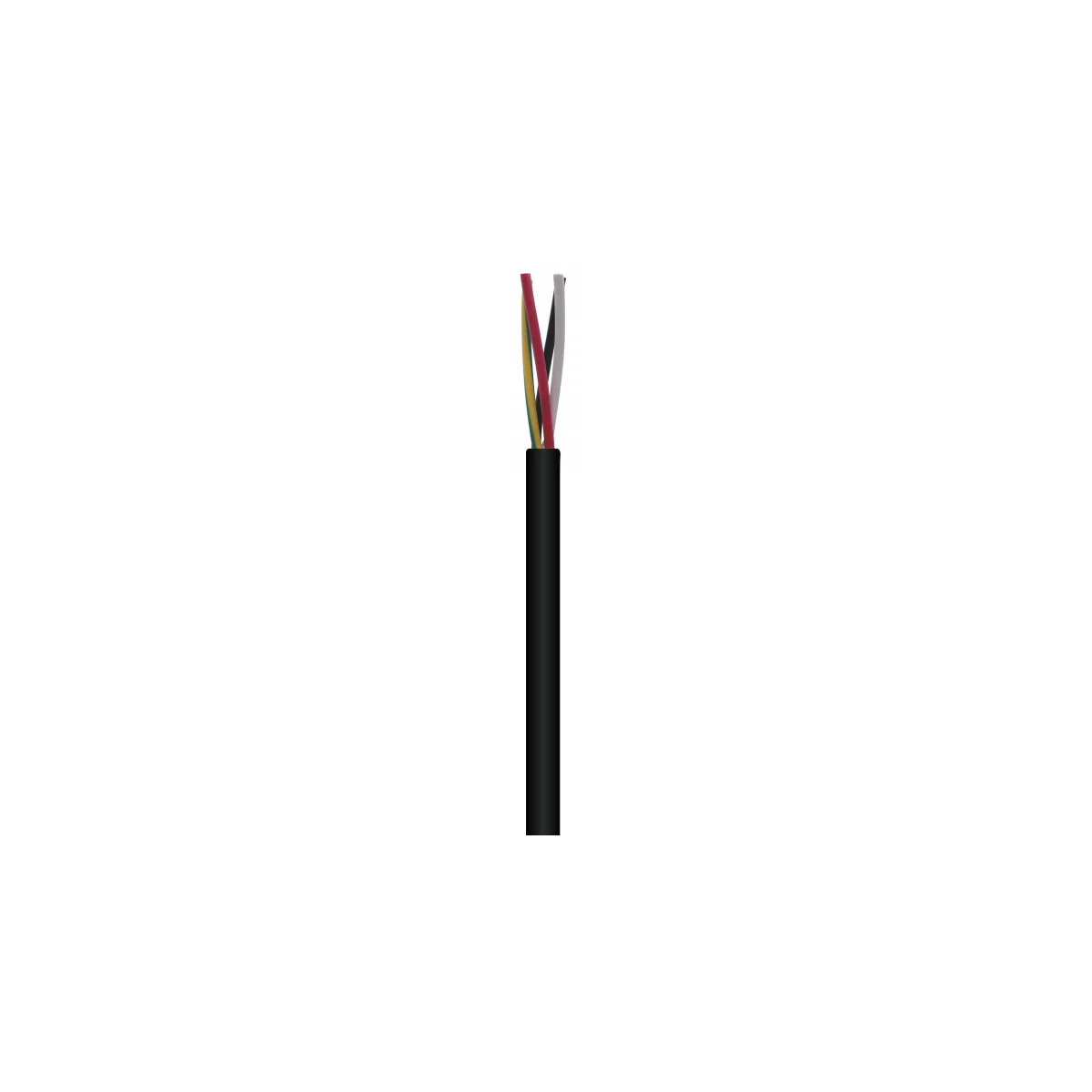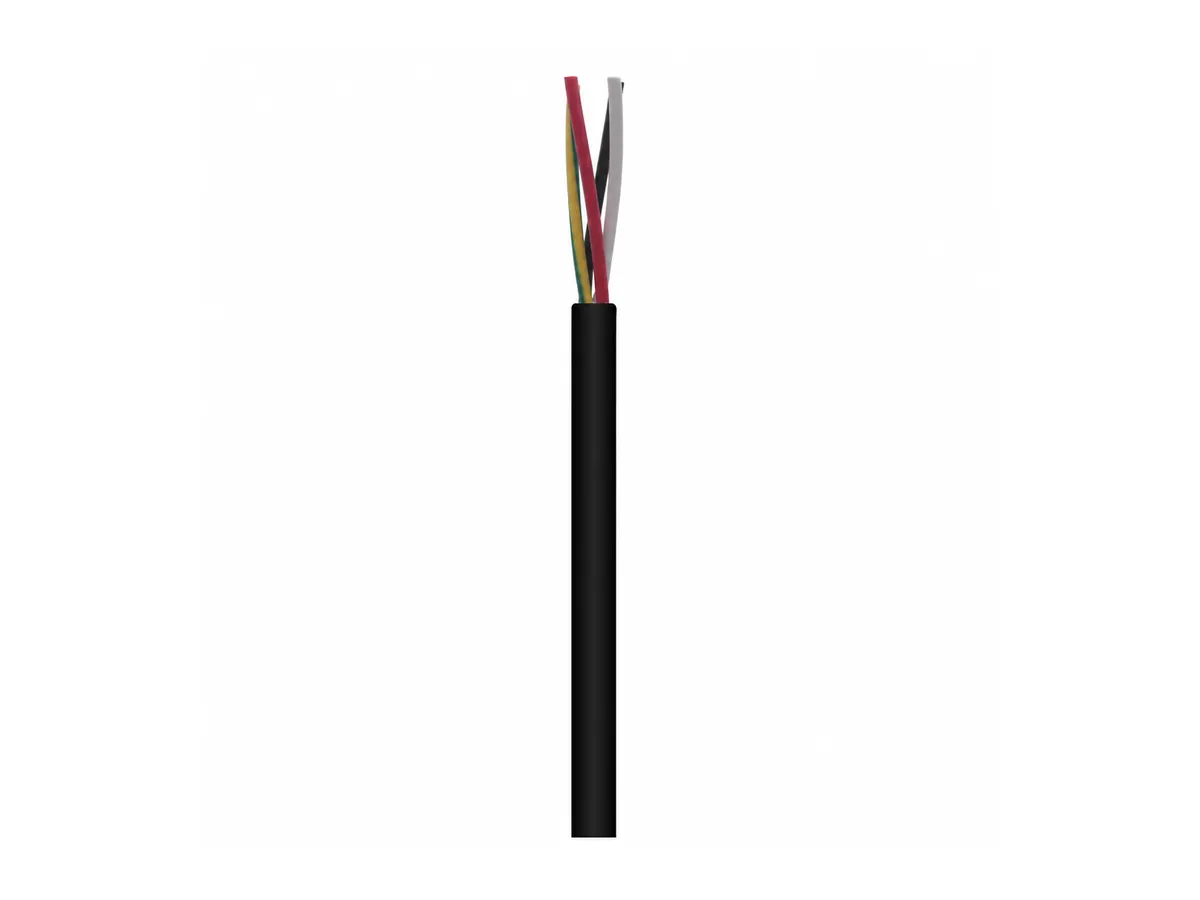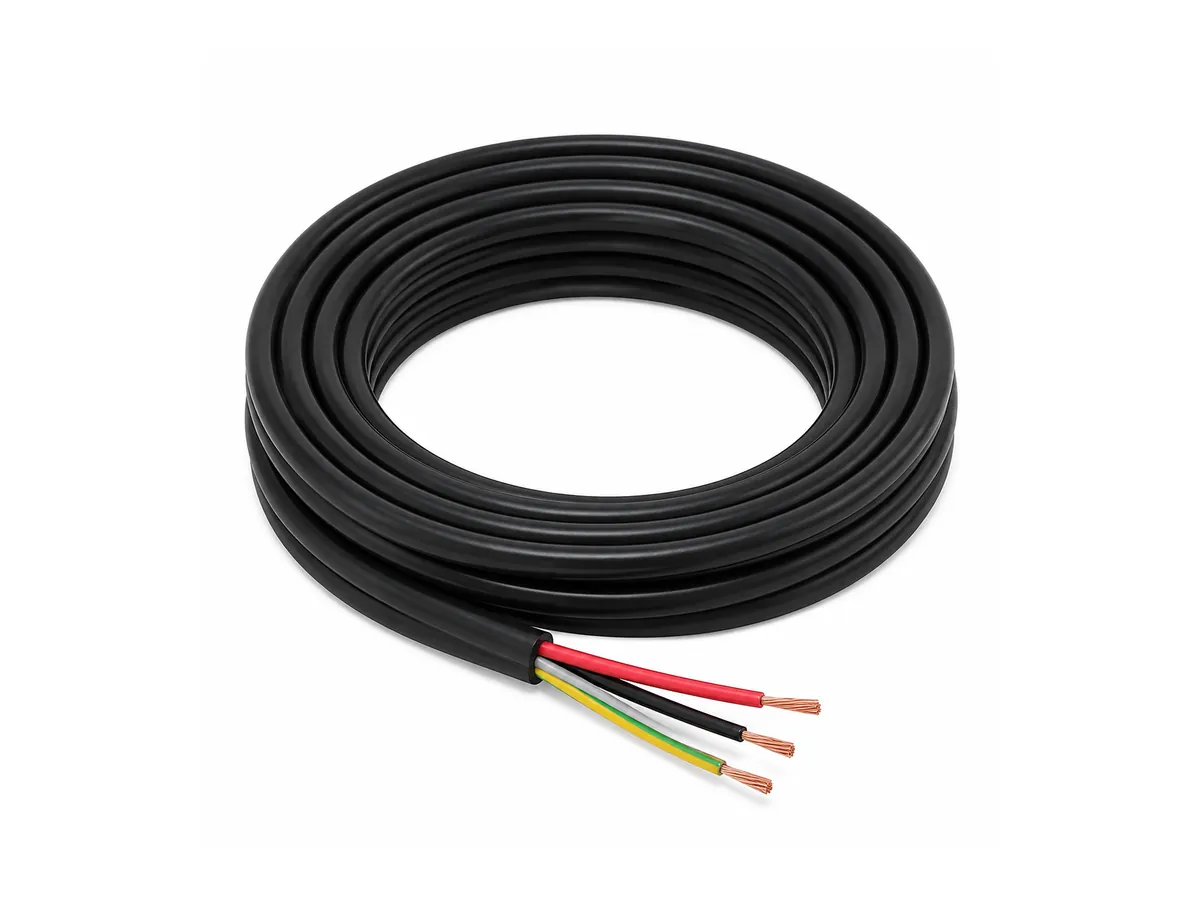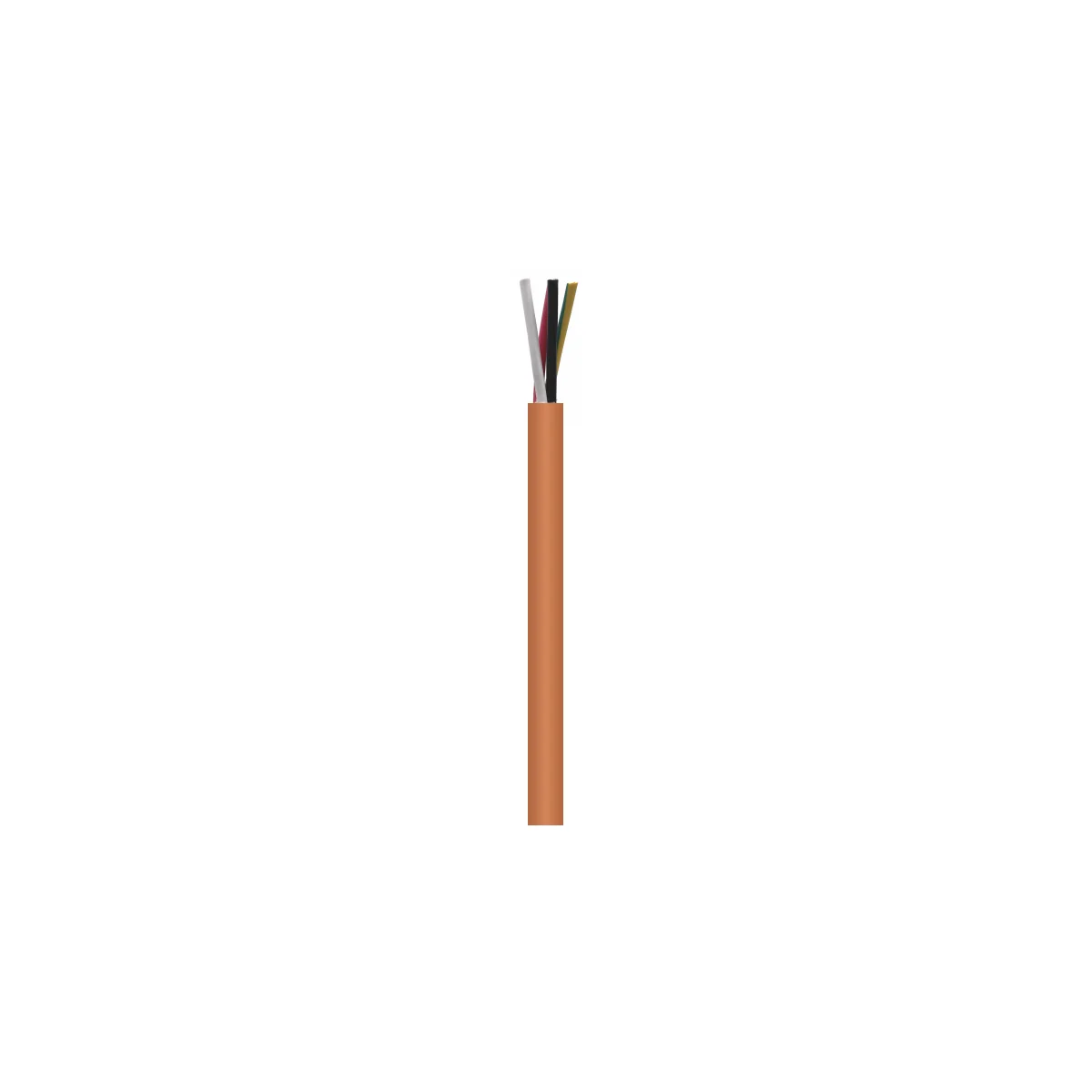
Selecting an ultra-flexible drag chain cable requires more than matching conductor size and voltage. The cable must perform electrically while repeatedly moving within a defined carrier, temperature range and mechanical load. A structured selection process helps engineering buyers avoid premature conductor, shield and jacket failure.
1. Define the Motion Profile
Start with the actual machine movement. Record the travel distance, cycle frequency, speed, acceleration, operating hours and whether the motion is linear, torsional or combined. A cable designed for moderate linear travel may not be suitable for robotic torsion or long gliding applications.
When service-life expectations are important, provide the manufacturer with the complete motion data and installation drawing. Cycle-life statements are meaningful only when the test radius, travel, speed, acceleration and environmental conditions are also defined.
2. Confirm the Dynamic Bend Radius
The machine carrier radius must be equal to or greater than the cable’s specified dynamic bend radius. Expressing bend radius as a multiple of cable diameter makes comparison easier, but the published value must correspond to continuous movement rather than fixed installation.
Selecting the smallest possible bend radius is not always the best strategy. More space in the cable carrier can reduce mechanical stress and improve operating margin.
3. Match the Electrical Construction
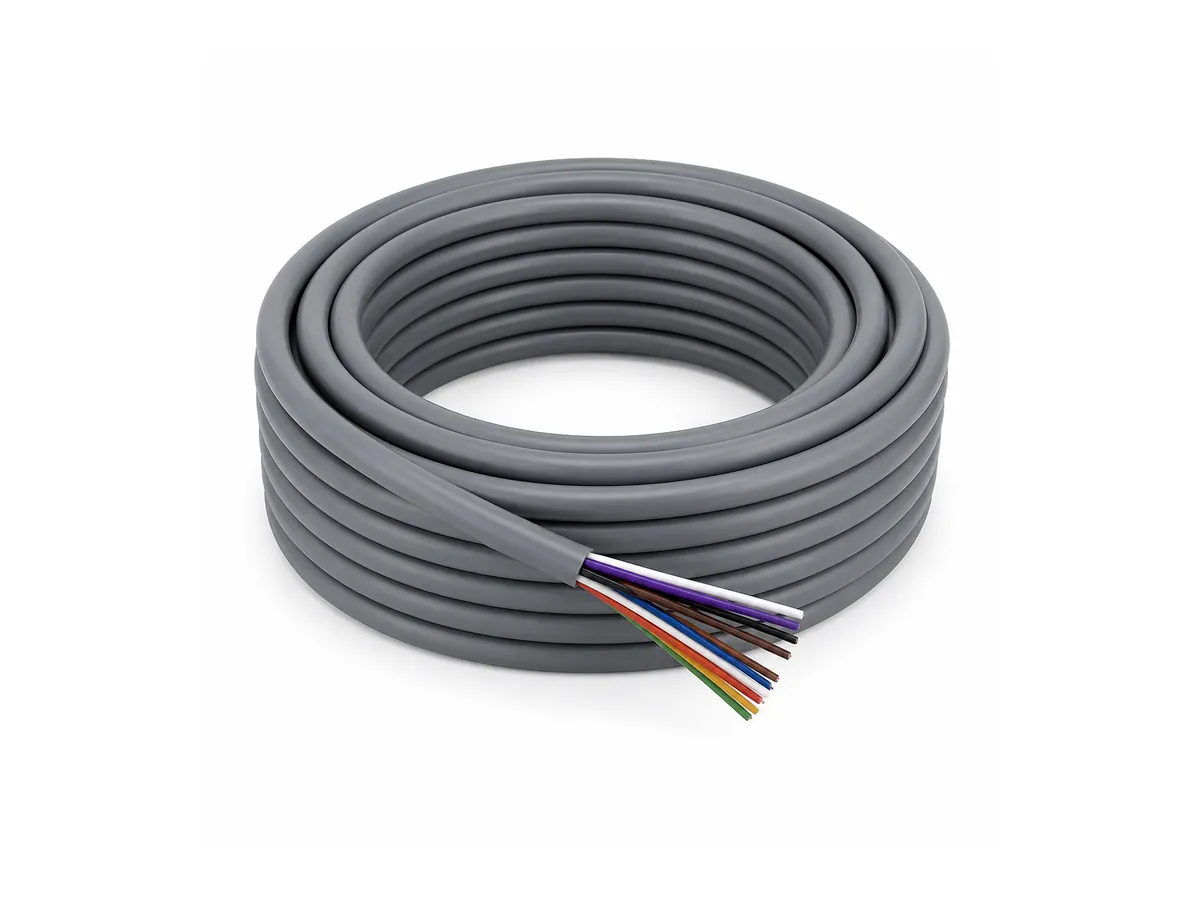
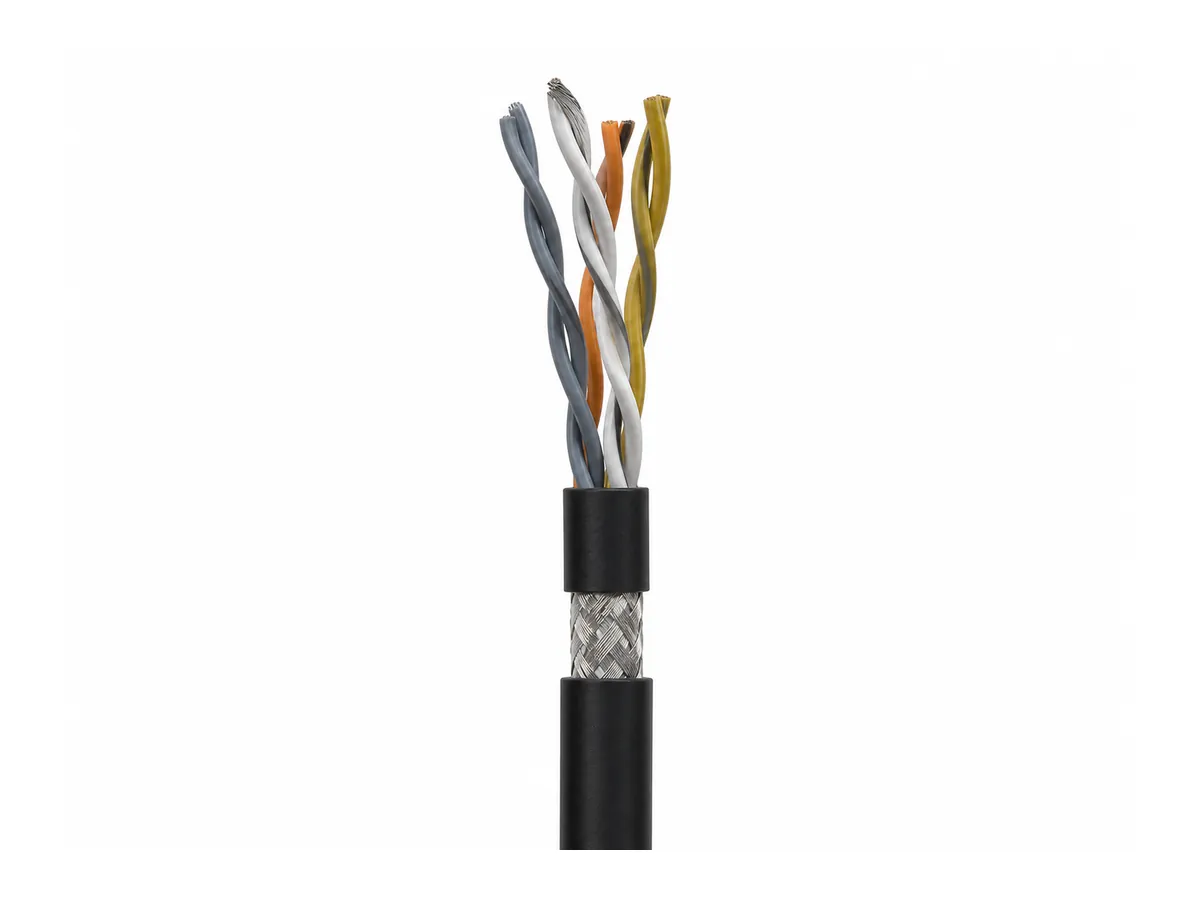
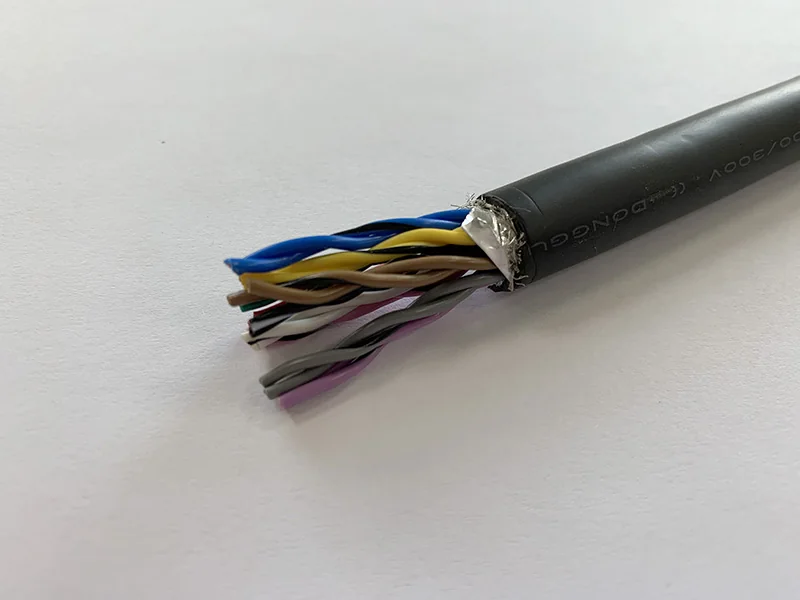
Confirm rated voltage, conductor count, conductor cross-section, current requirements and circuit function. Power, control, encoder, data and industrial Ethernet cables use different core arrangements and shielding structures. Signal integrity requirements may determine pair twisting, characteristic impedance or overall shielding.
For connectorized assemblies, confirm the connector model, pinout, termination method and finished assembly length before production.
4. Choose Materials for the Environment
Review both moving and fixed temperature limits, oil exposure, abrasion, moisture, chemicals, sunlight, flame behavior and indoor or outdoor use. PVC, PUR and TPE are broad material families; final suitability depends on the specific compound and the manufacturer’s verified data.
Do not assume that a single cable automatically provides oil resistance, flame retardancy, low-temperature flexibility and chemical resistance. Each required property should appear in the approved specification or supporting test documentation.
5. Select the Appropriate Shield
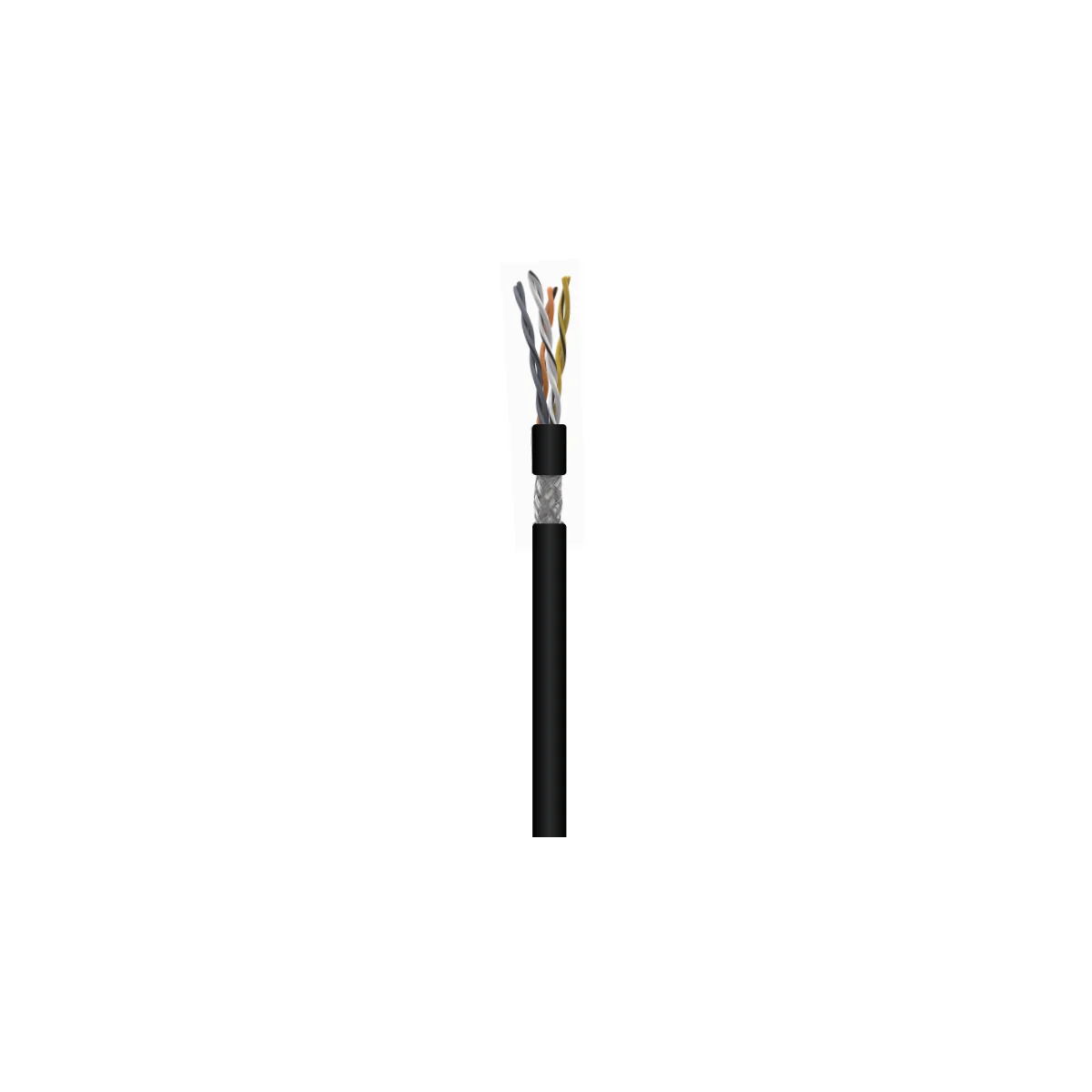
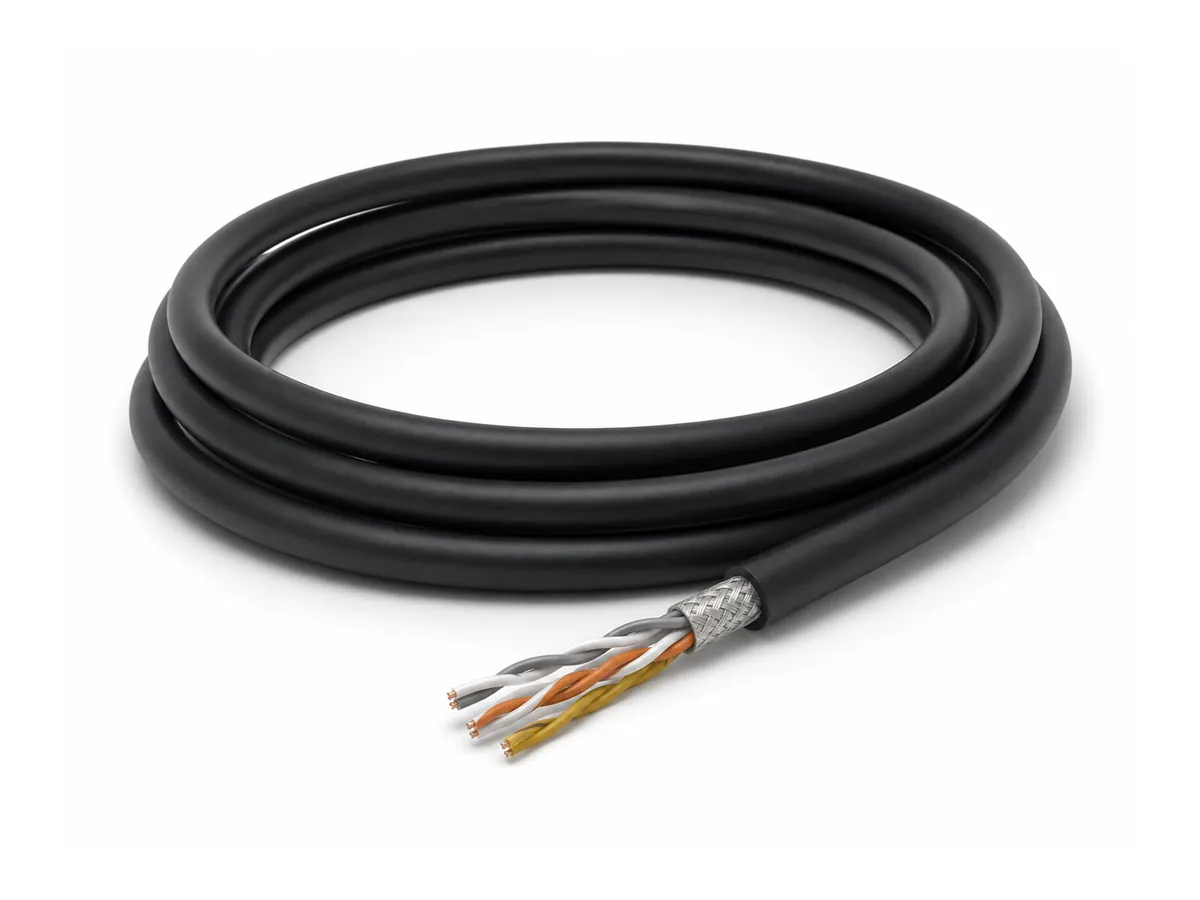
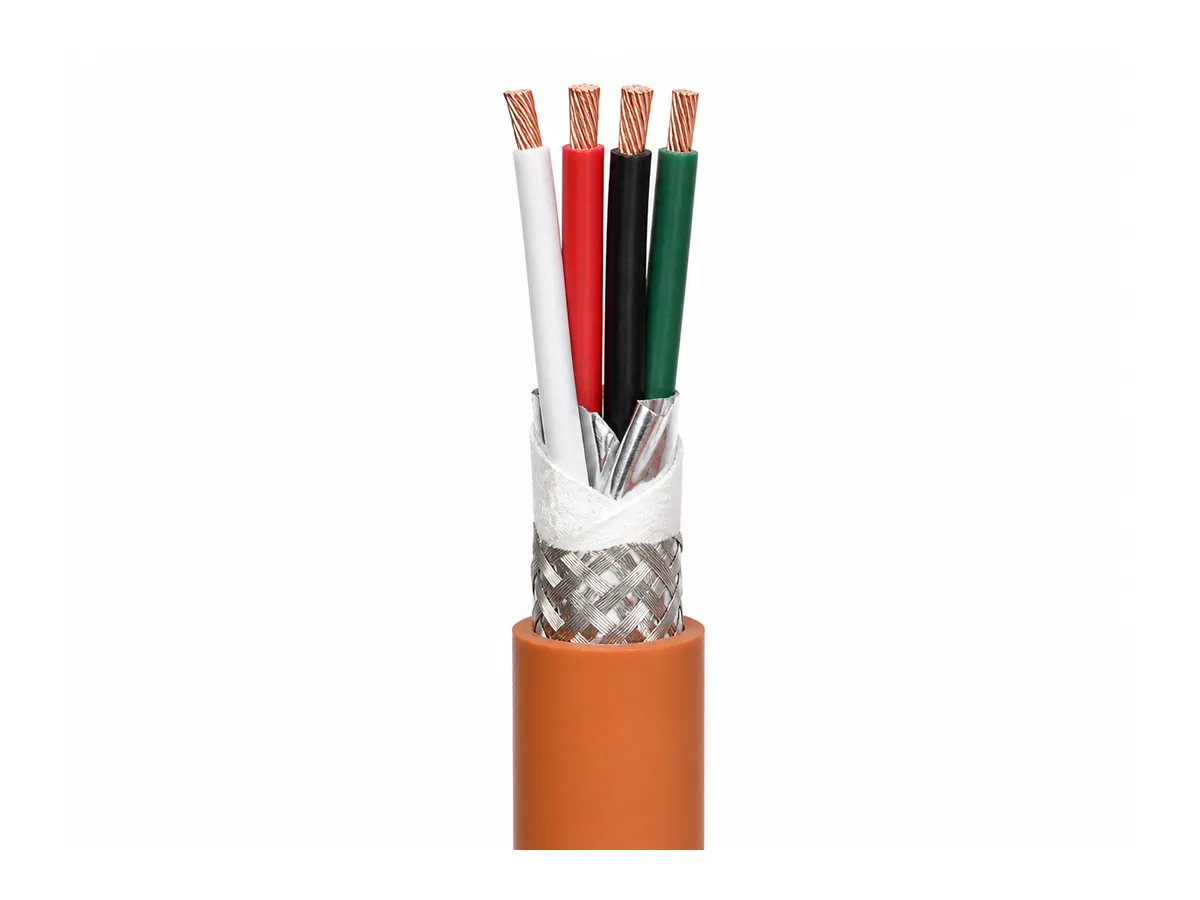
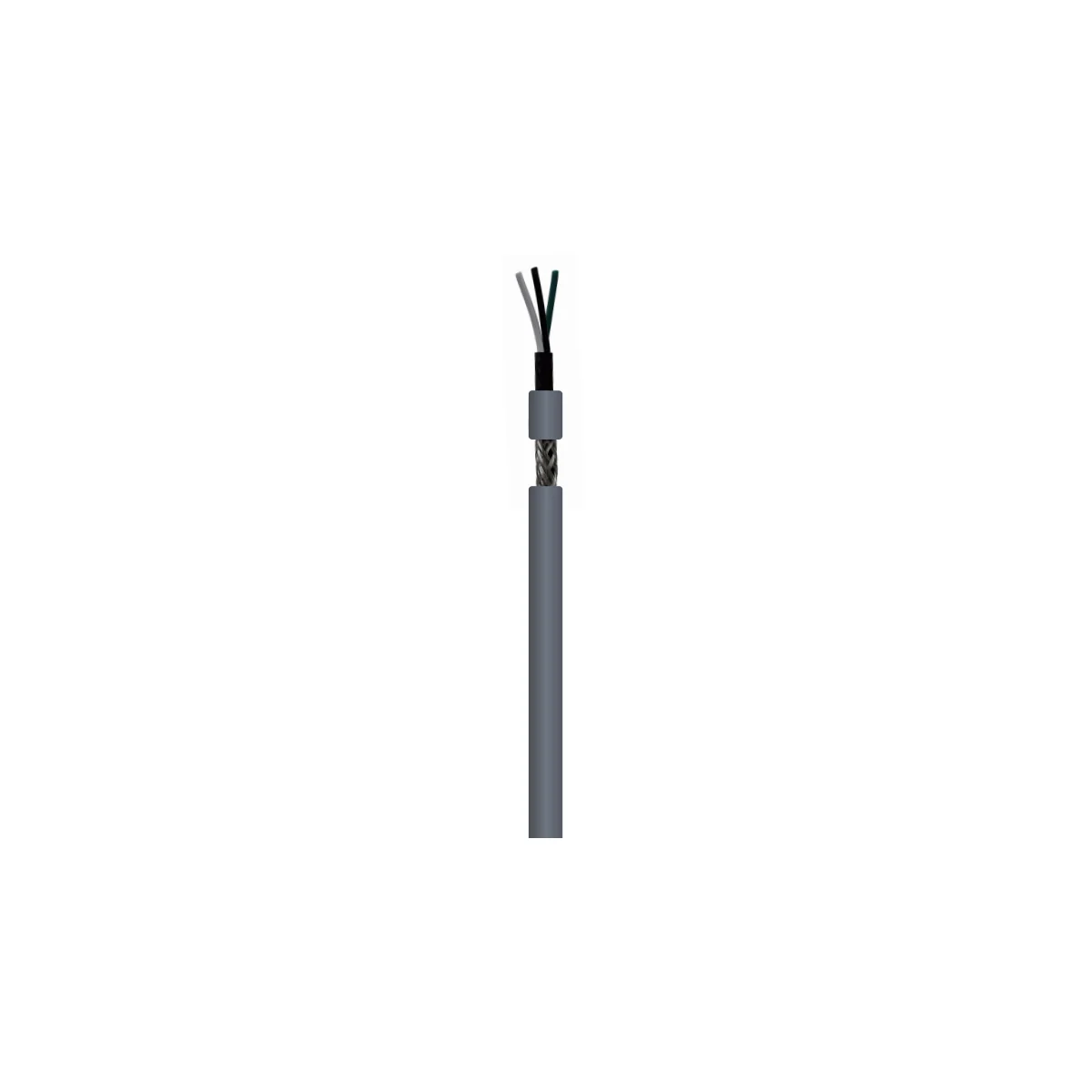
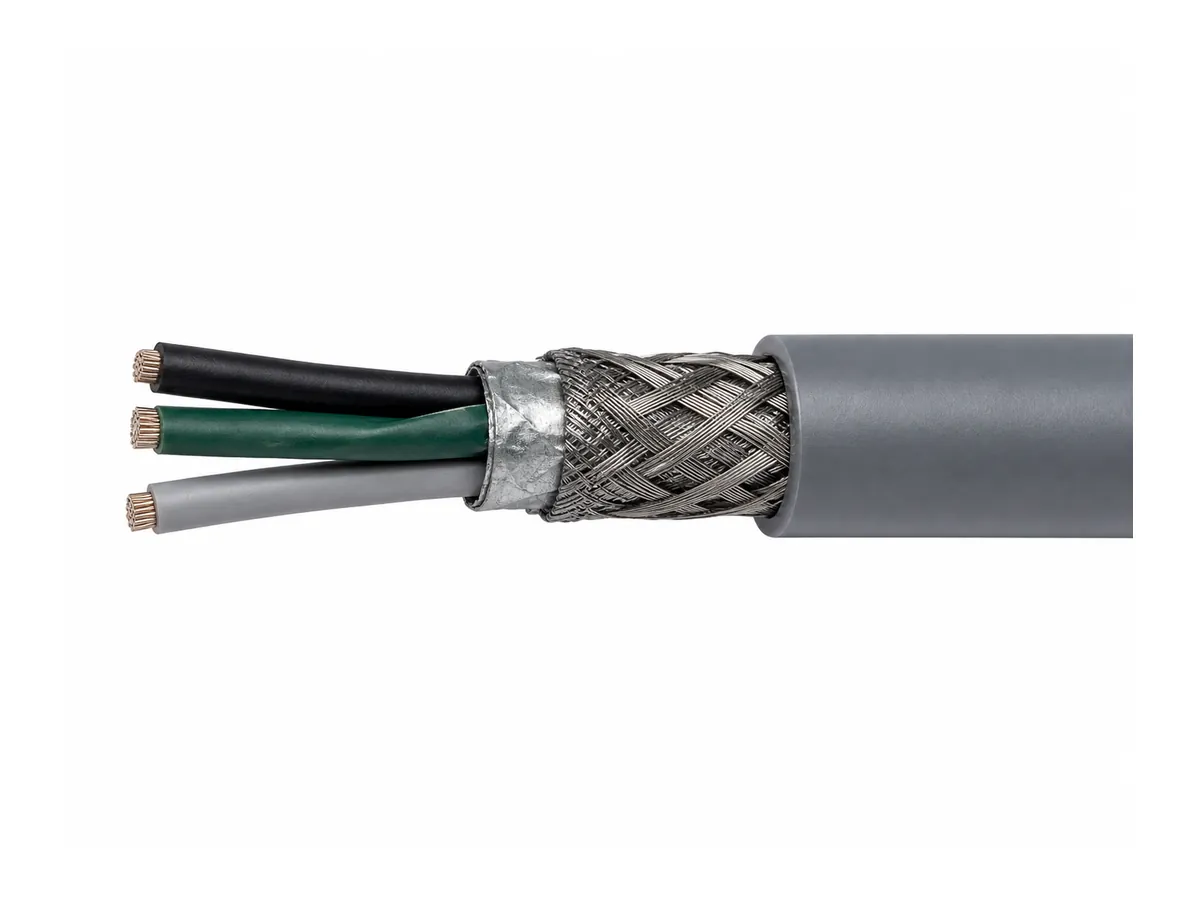
Servo systems, variable-frequency drives and sensitive feedback circuits may require shielding. Review the expected electromagnetic environment and grounding method. Braided copper shielding is commonly used for moving industrial cables because it can combine coverage with flexibility, while foil and combined shields may be used for particular signal requirements.
6. Check Cable Carrier Layout
Cables should be installed without twisting and with sufficient clearance to move freely. Use separators where required, avoid stacking incompatible cables and provide strain relief outside the bending section. Hydraulic hoses, heavy power cables and small signal cables may need separate carrier compartments.
7. Evaluate Quality Evidence
Ask for an approved specification, dimensional tolerances, material description, electrical test items and applicable compliance documents. Depending on the product and destination market, useful evidence may include conductor resistance results, insulation resistance, voltage testing, dimensional inspection, flame testing or continuous-flex test information.
Certifications should only be requested when they are applicable to the specific cable and market. A general factory certificate is not a substitute for product-level conformity.
8. Inspect Samples Before Volume Production
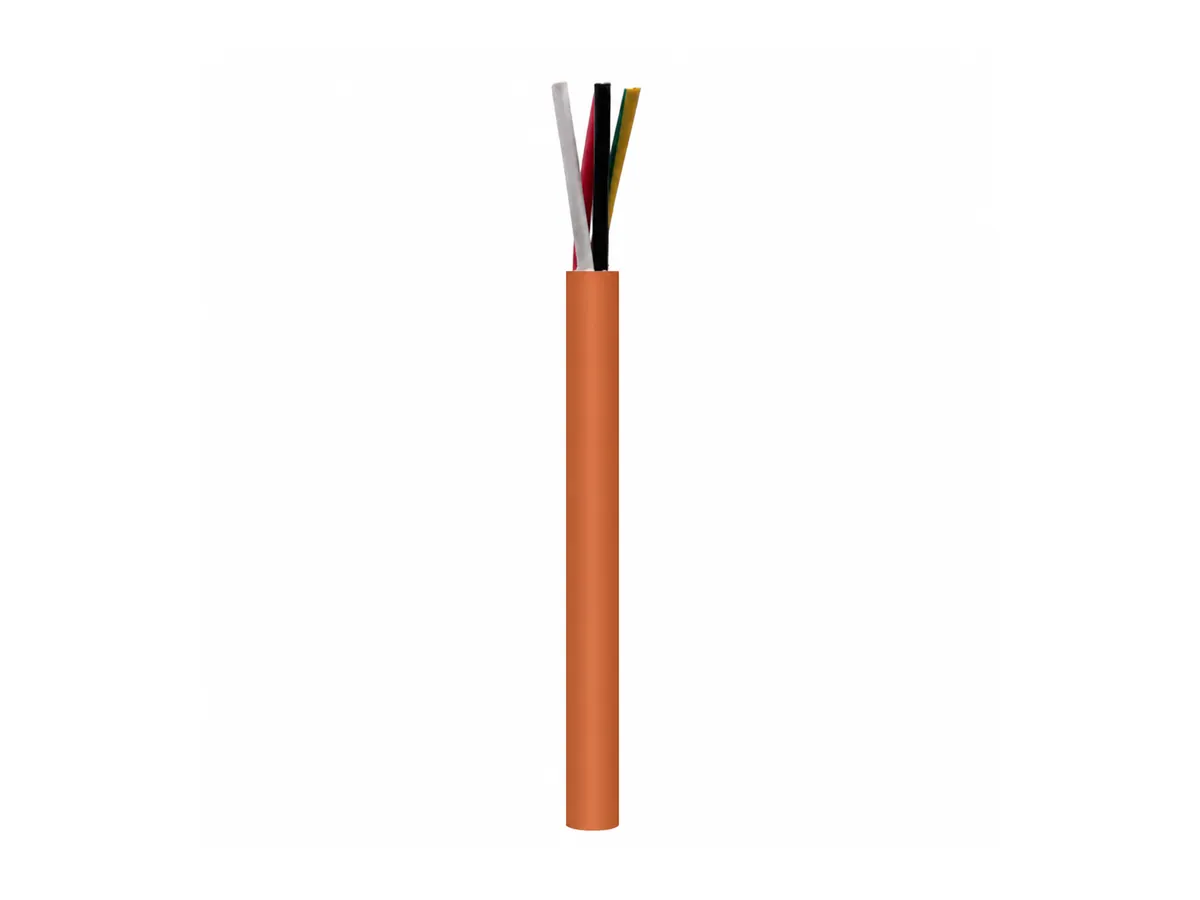
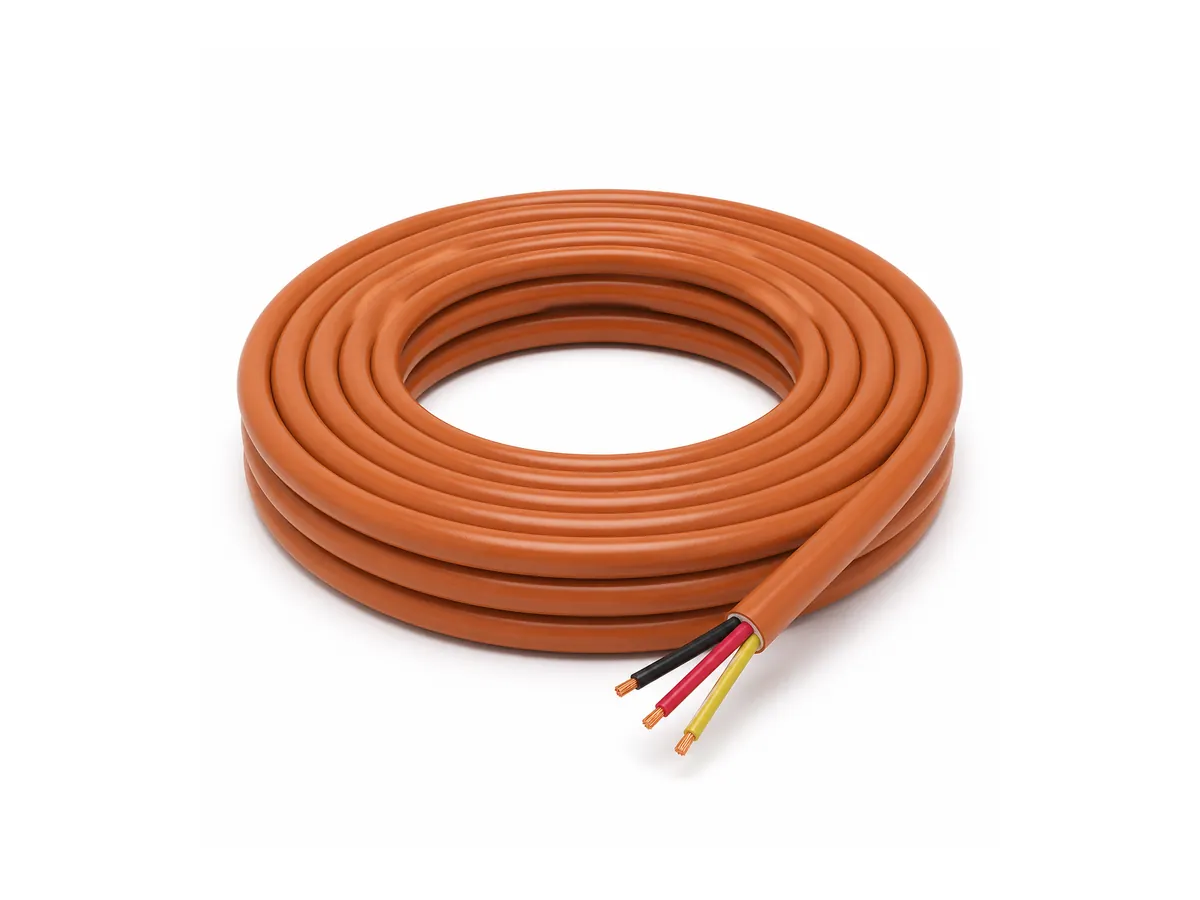
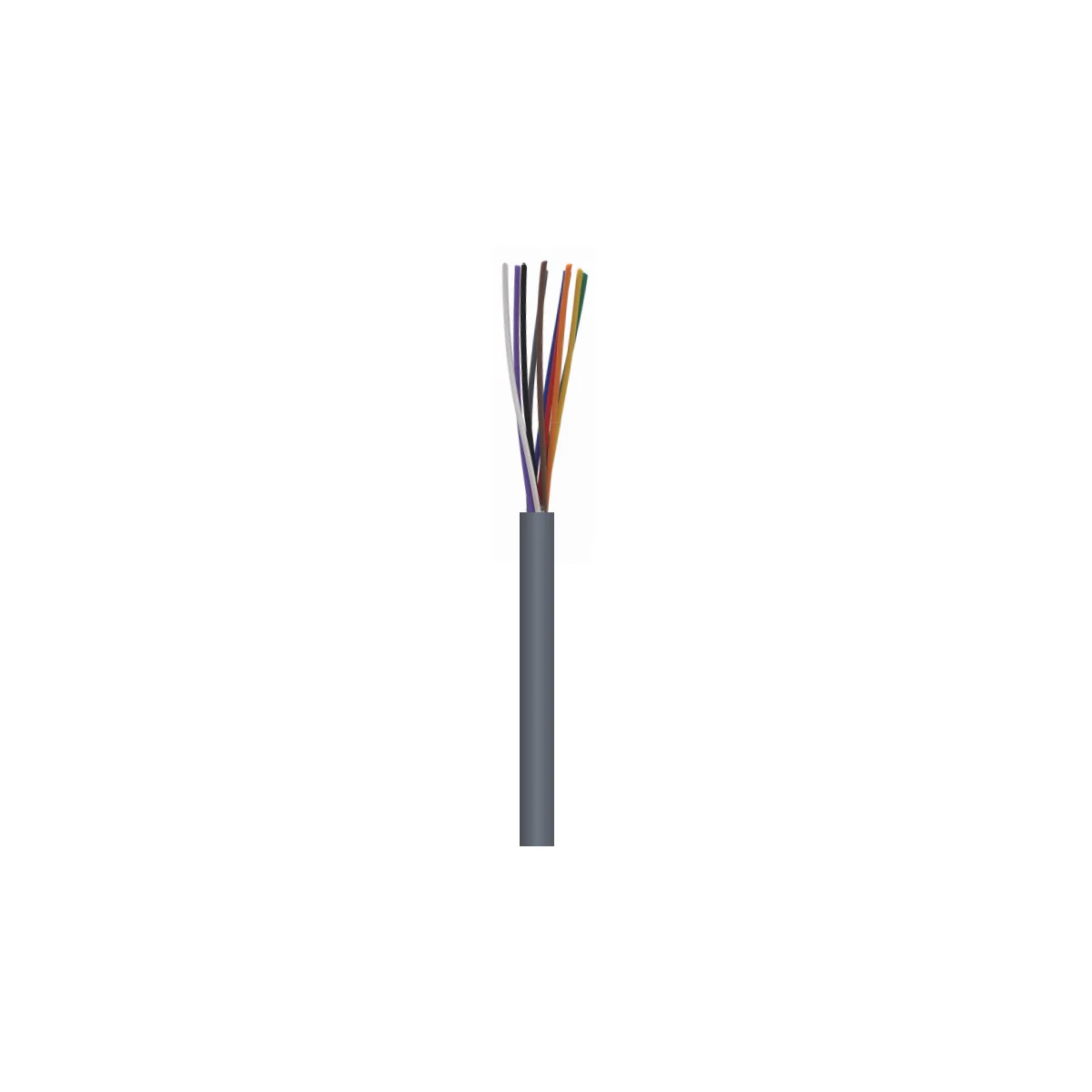
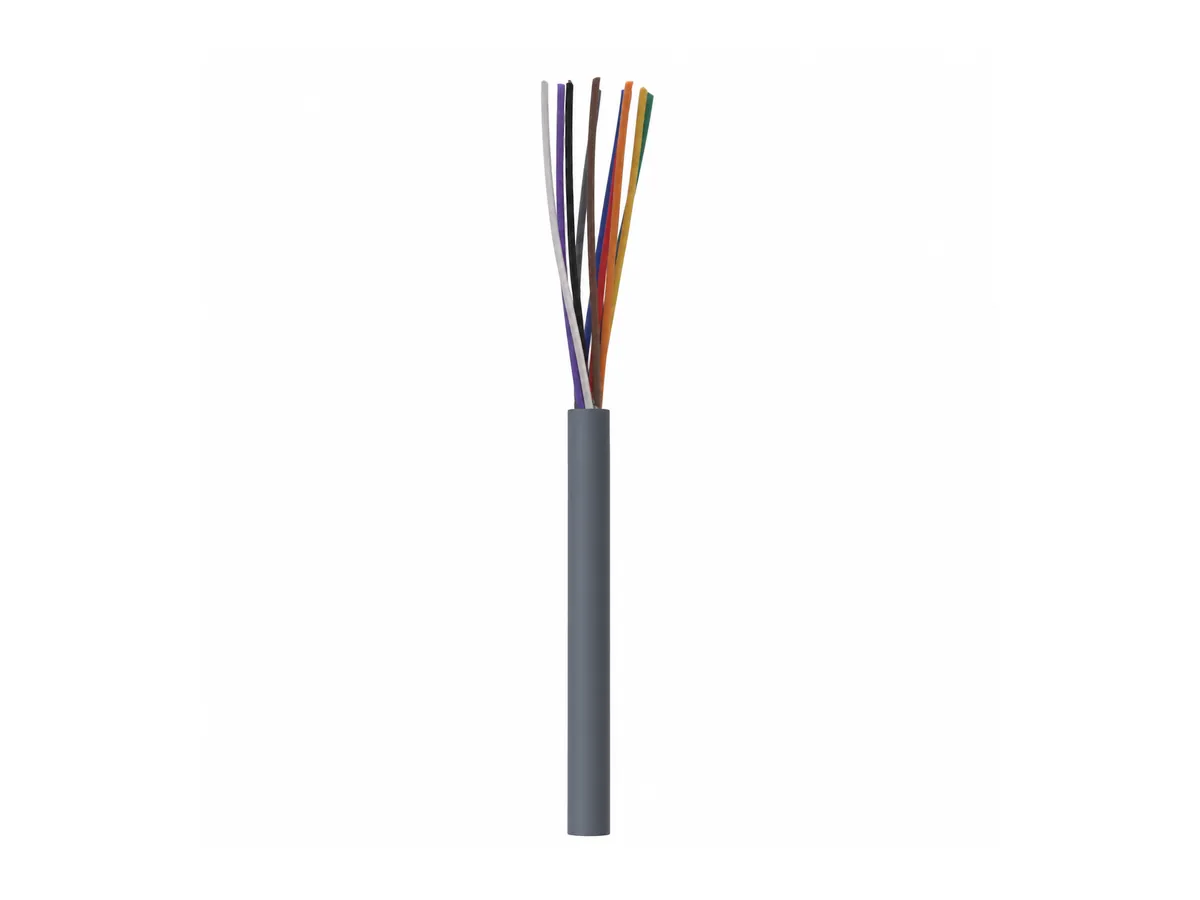
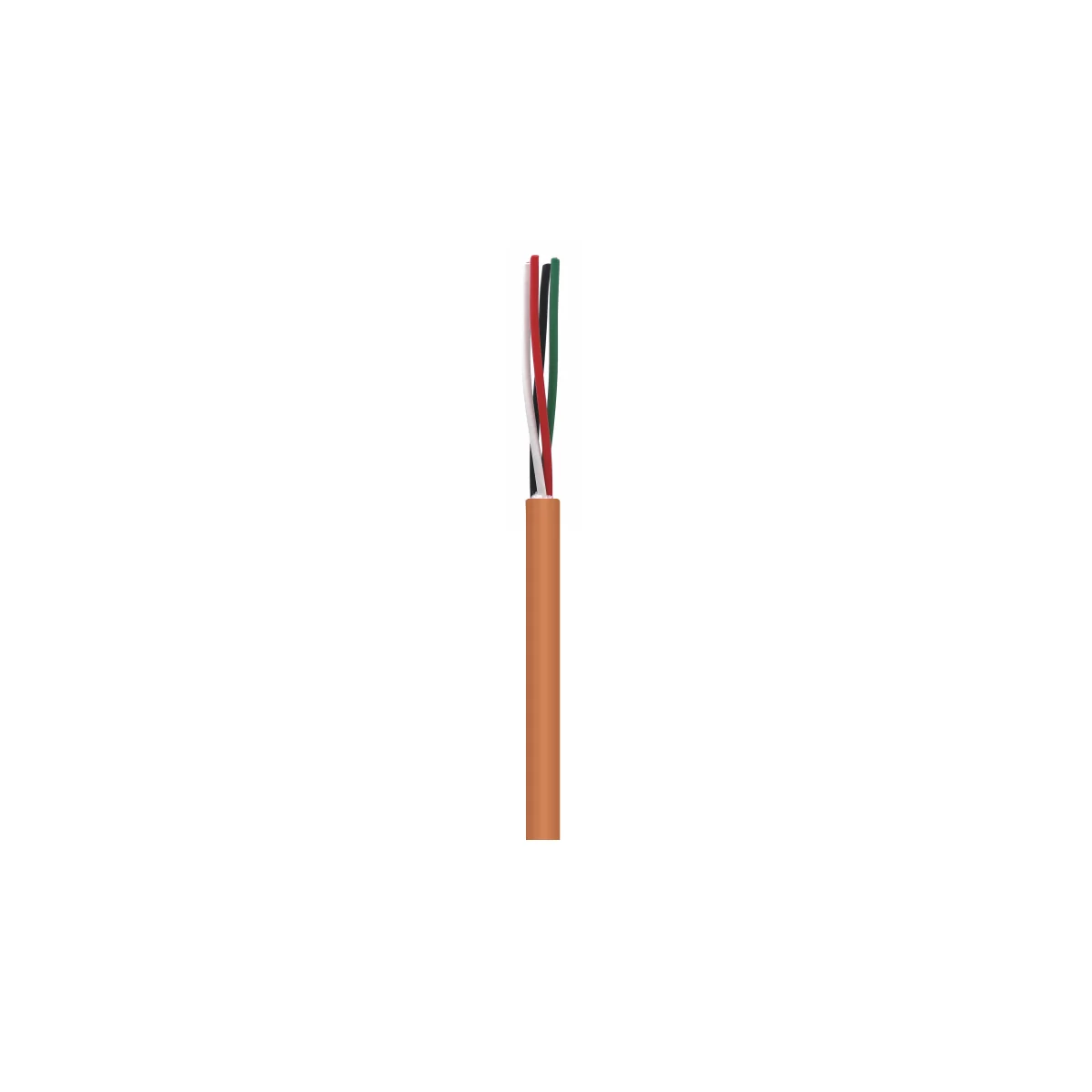
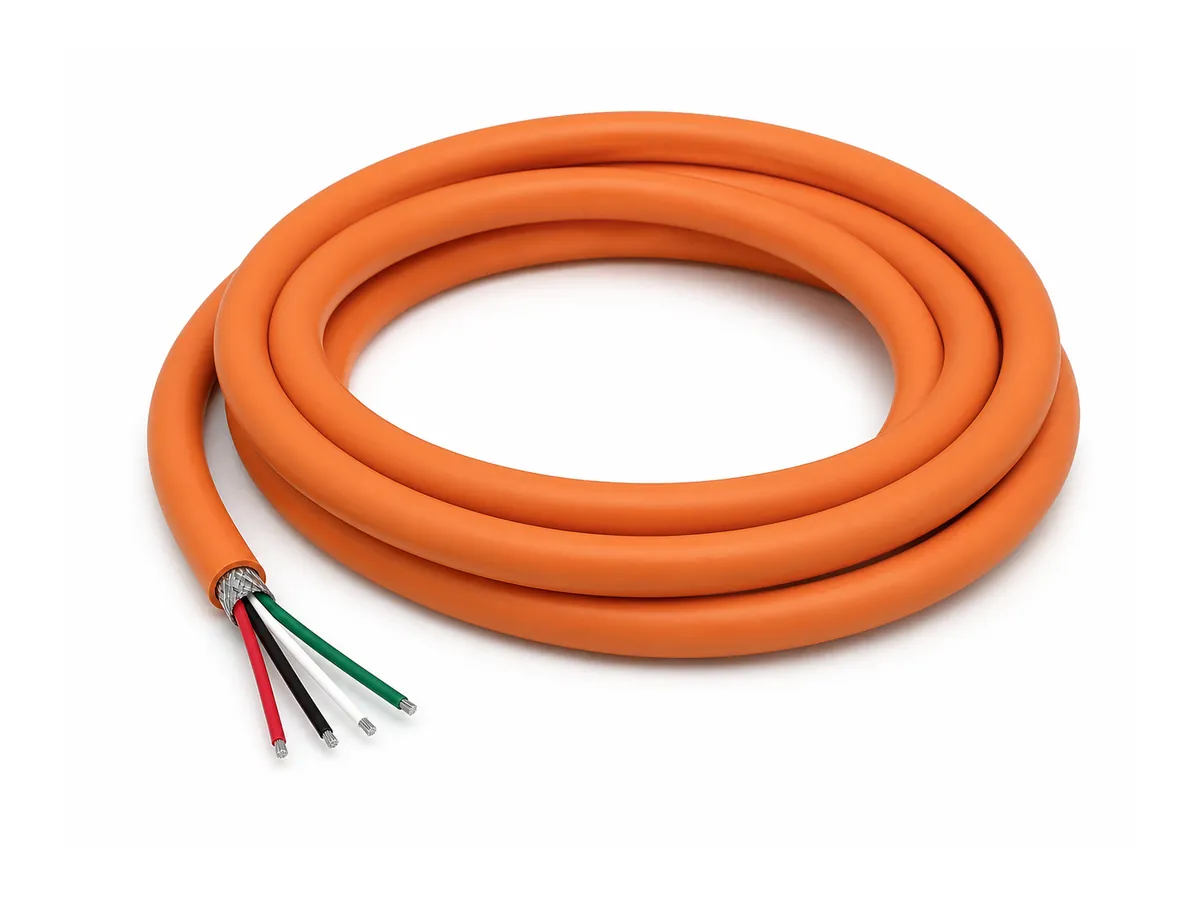
For OEM and engineering projects, confirm a sample or first article before mass production. Check the cable marking, outer diameter, flexibility, conductor colors, stripping behavior, shield construction, connector pinout and packaging. The approved sample and drawing should become the acceptance reference.
Procurement Checklist
- Motion type, speed, acceleration and travel
- Dynamic bend radius and carrier dimensions
- Voltage, current, conductor count and cross-section
- Shielding and signal-performance requirements
- Temperature, oil, abrasion and flame requirements
- Connector, pinout and finished length
- Required standards, reports and markings
- MOQ, reel length, packaging and inspection criteria
Conclusion
A reliable drag chain cable is selected by matching electrical design, motion, materials and installation conditions. Giving the supplier complete application data is the most effective way to avoid an unsuitable construction and obtain a defensible quotation.
Browse our cable products and popular continuous-flex solutions, or contact us with your cable carrier drawing and technical requirements.