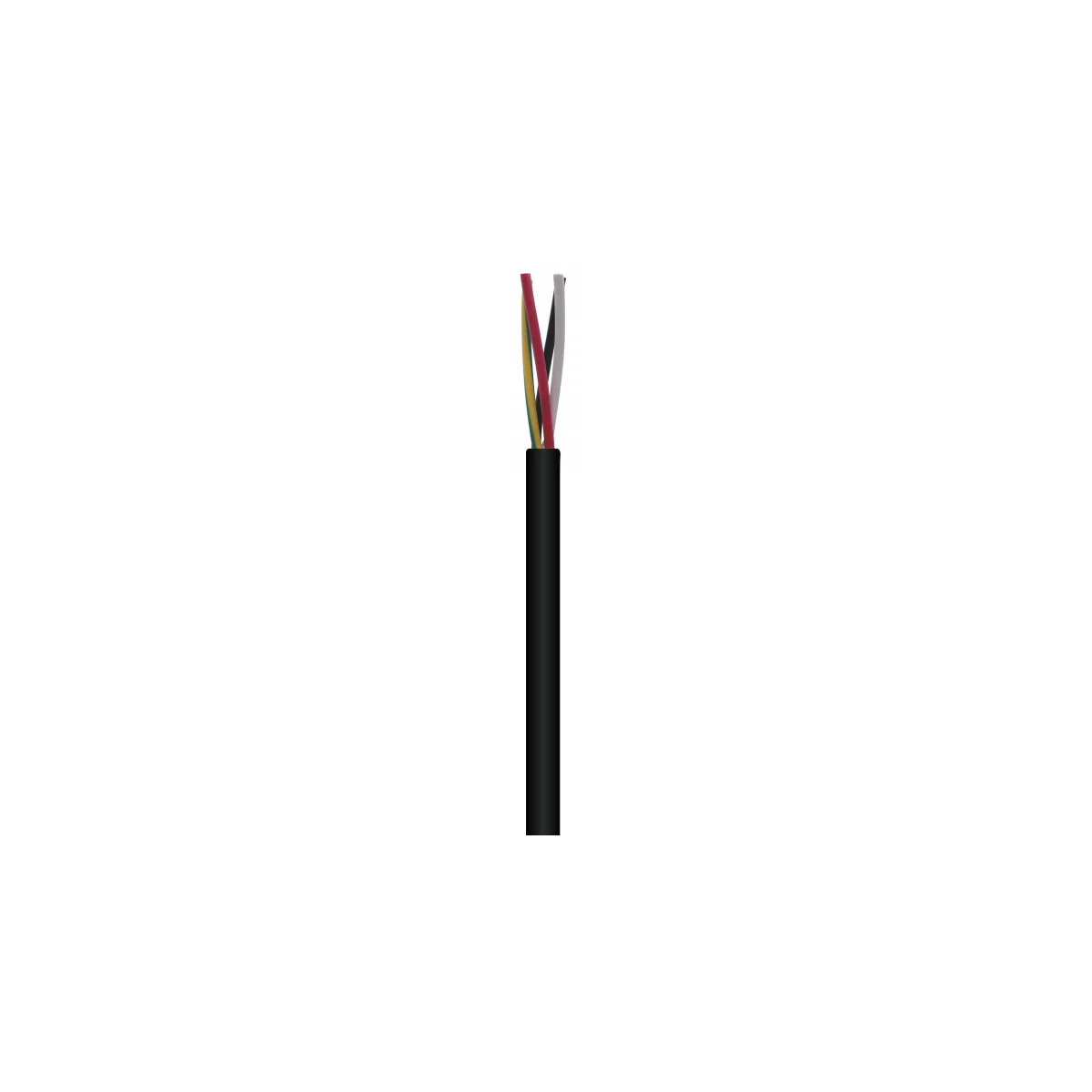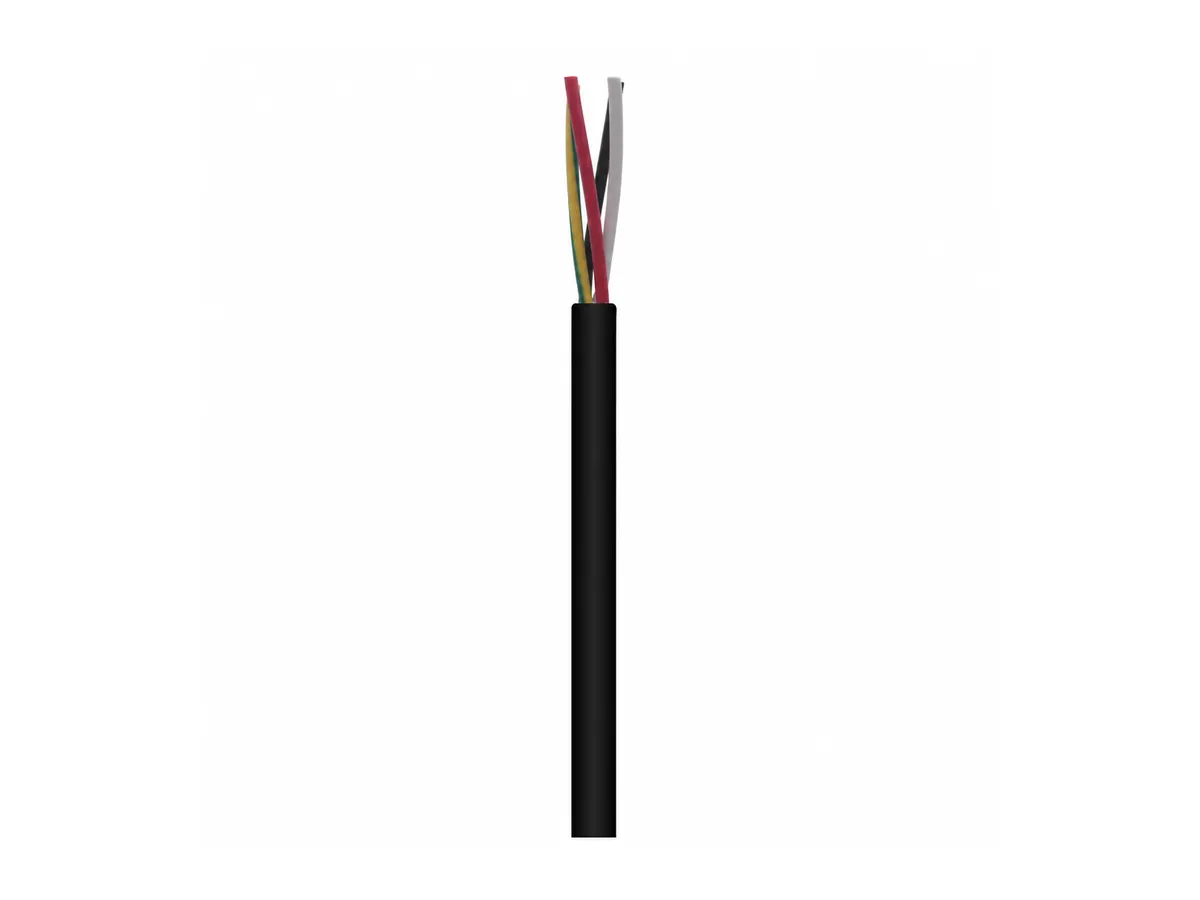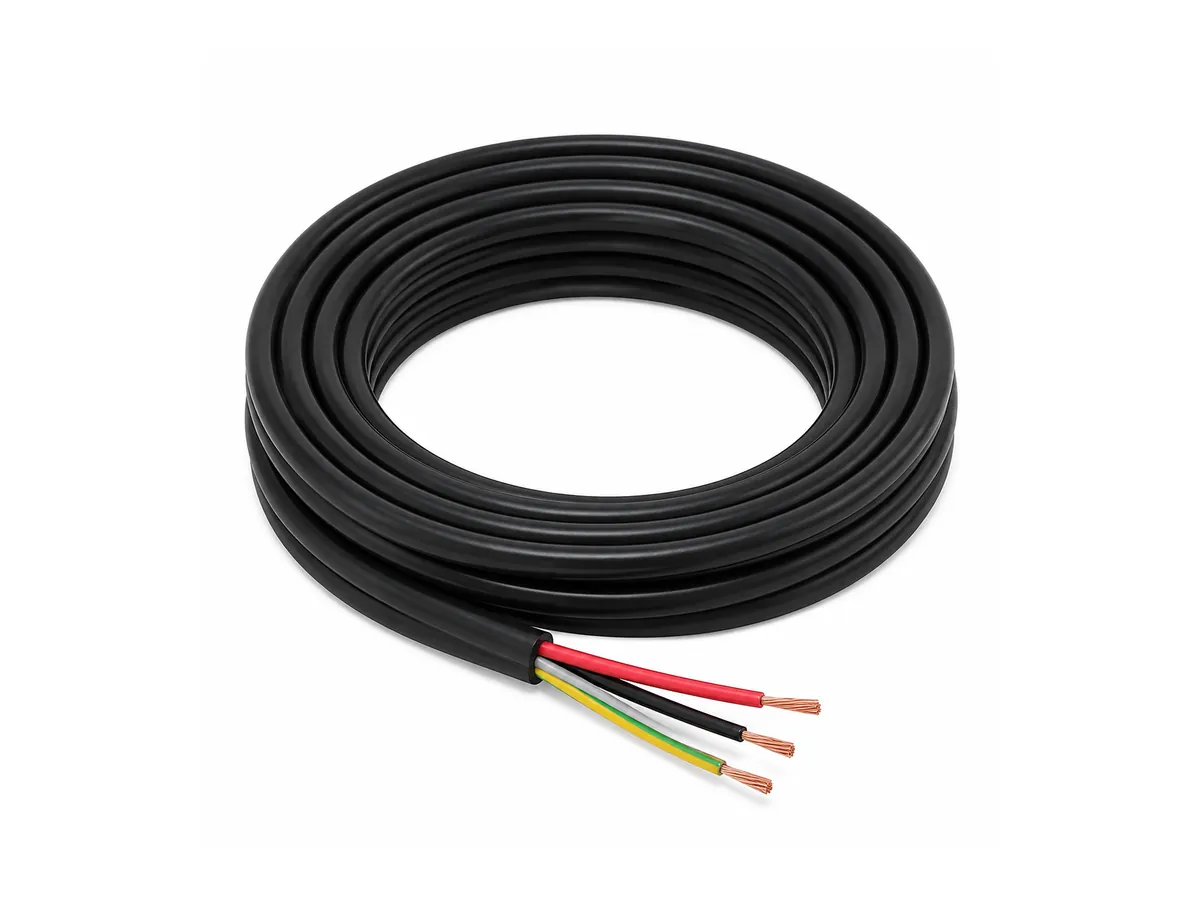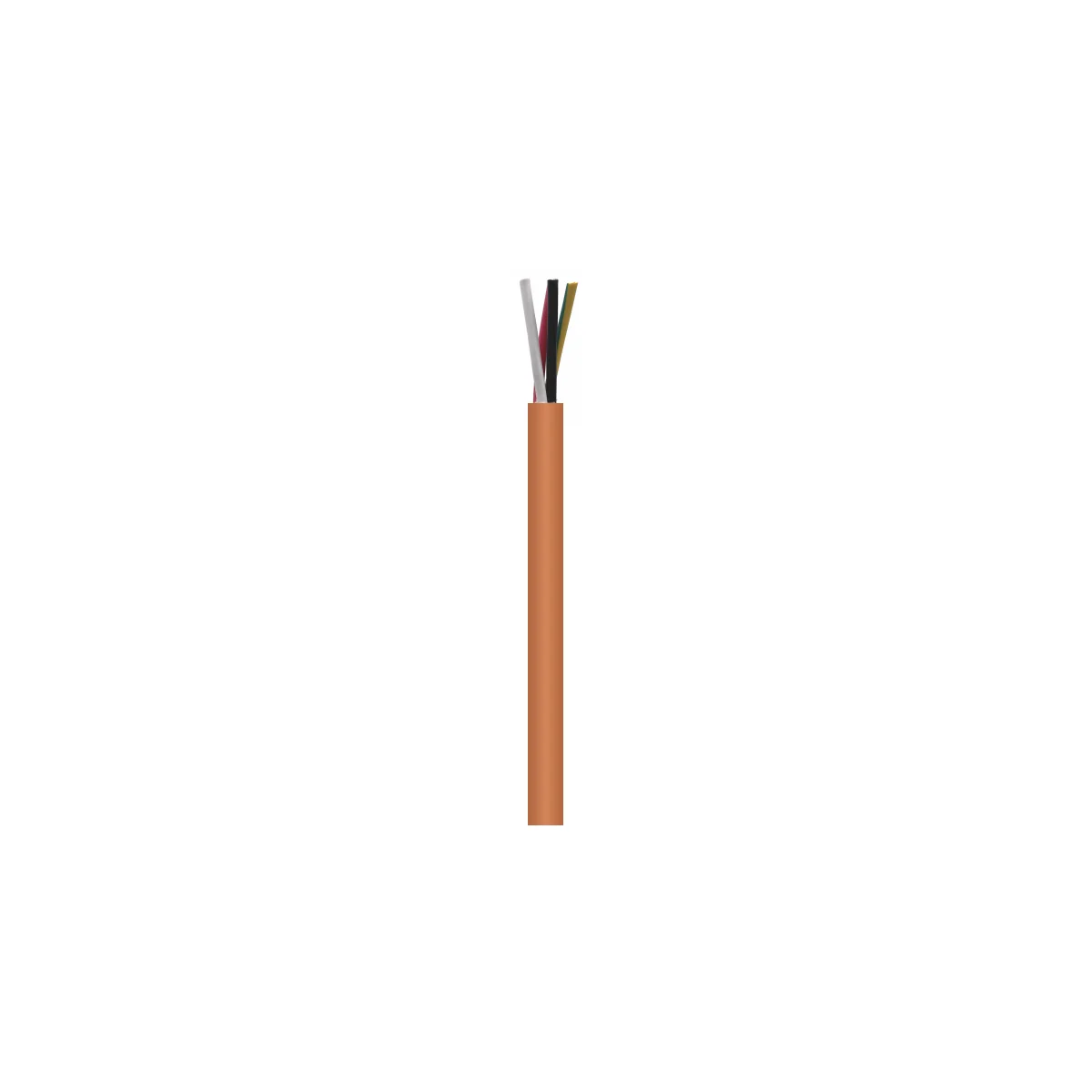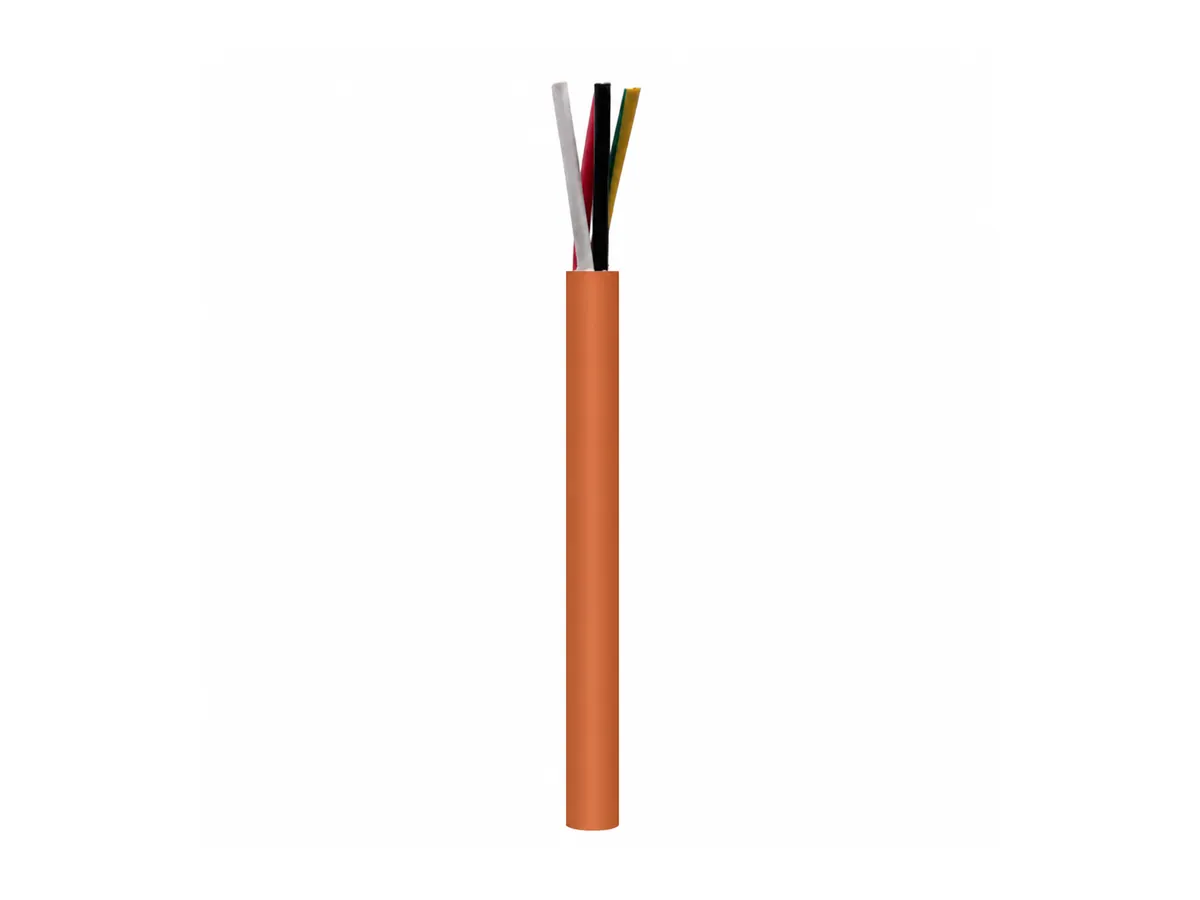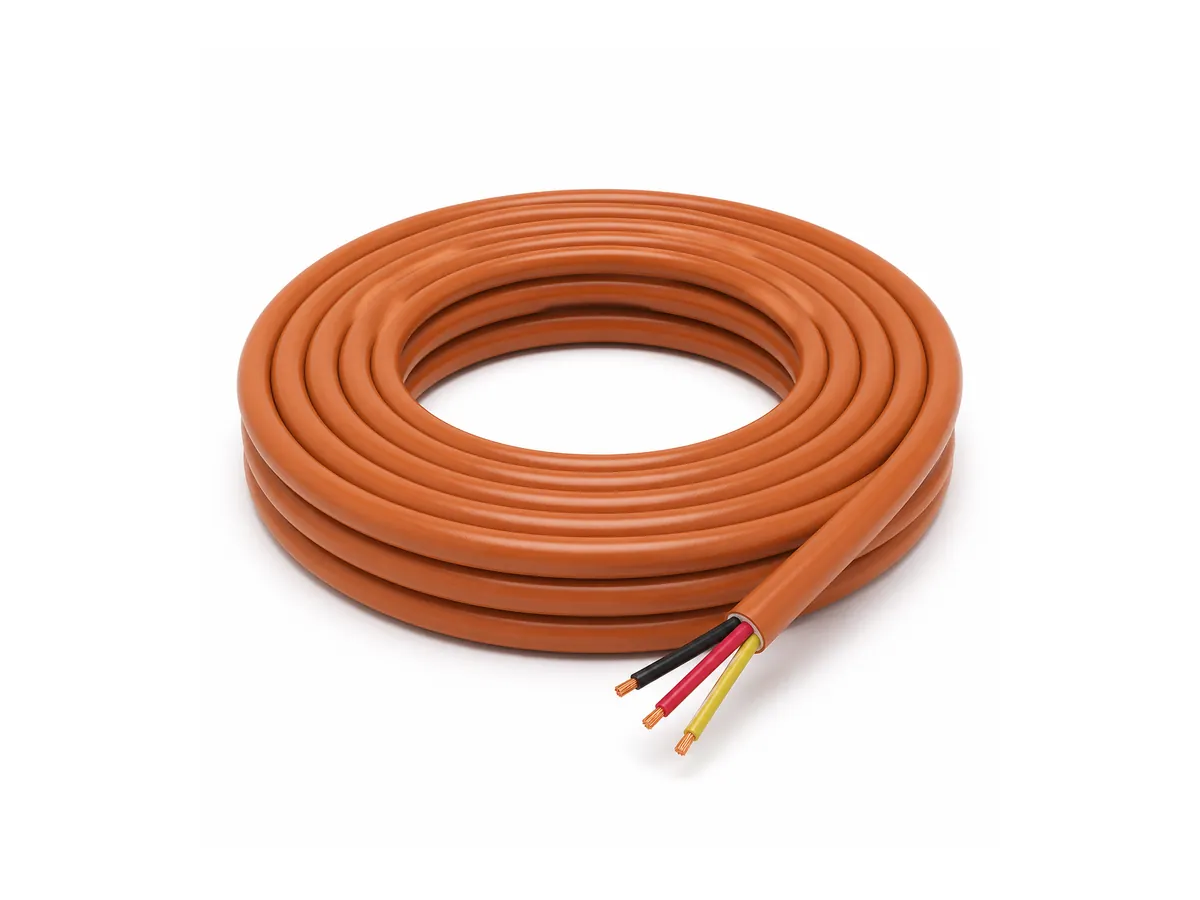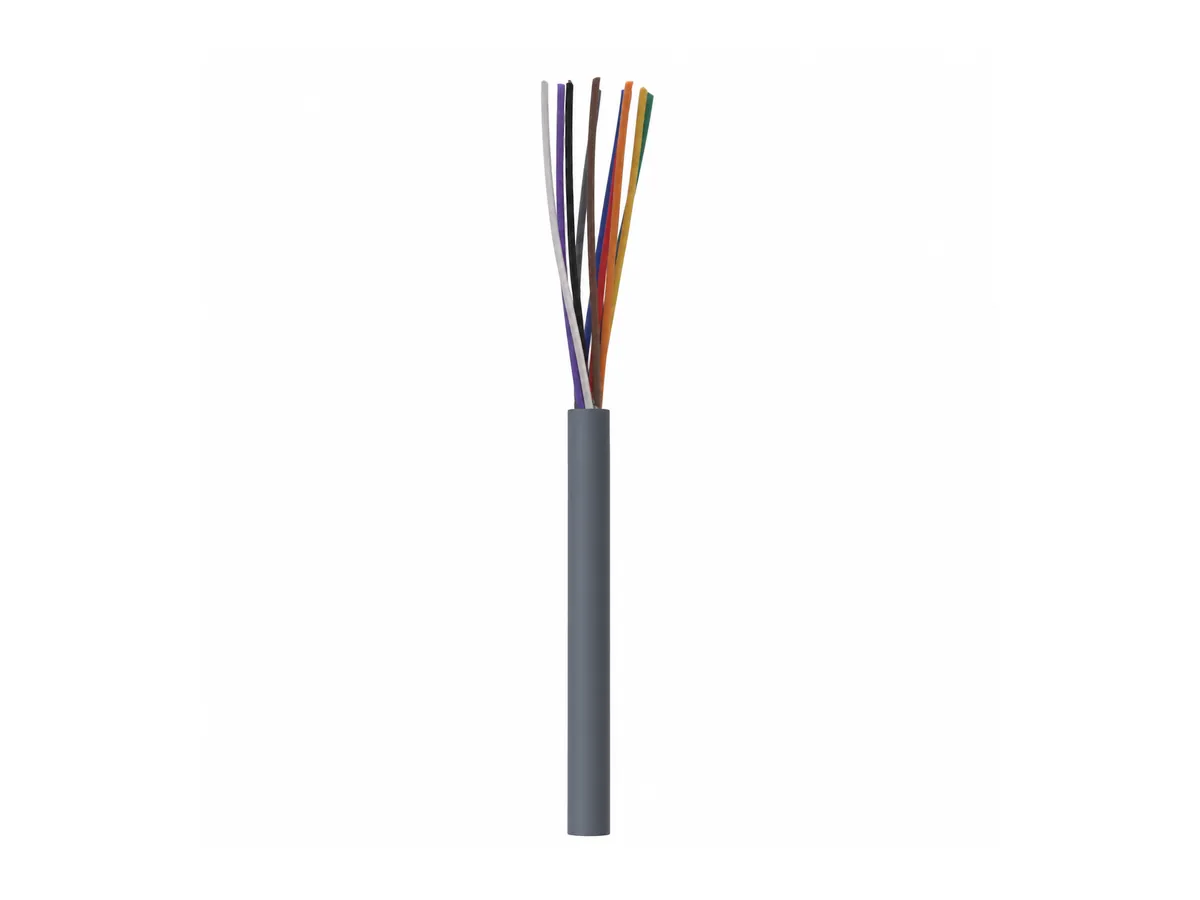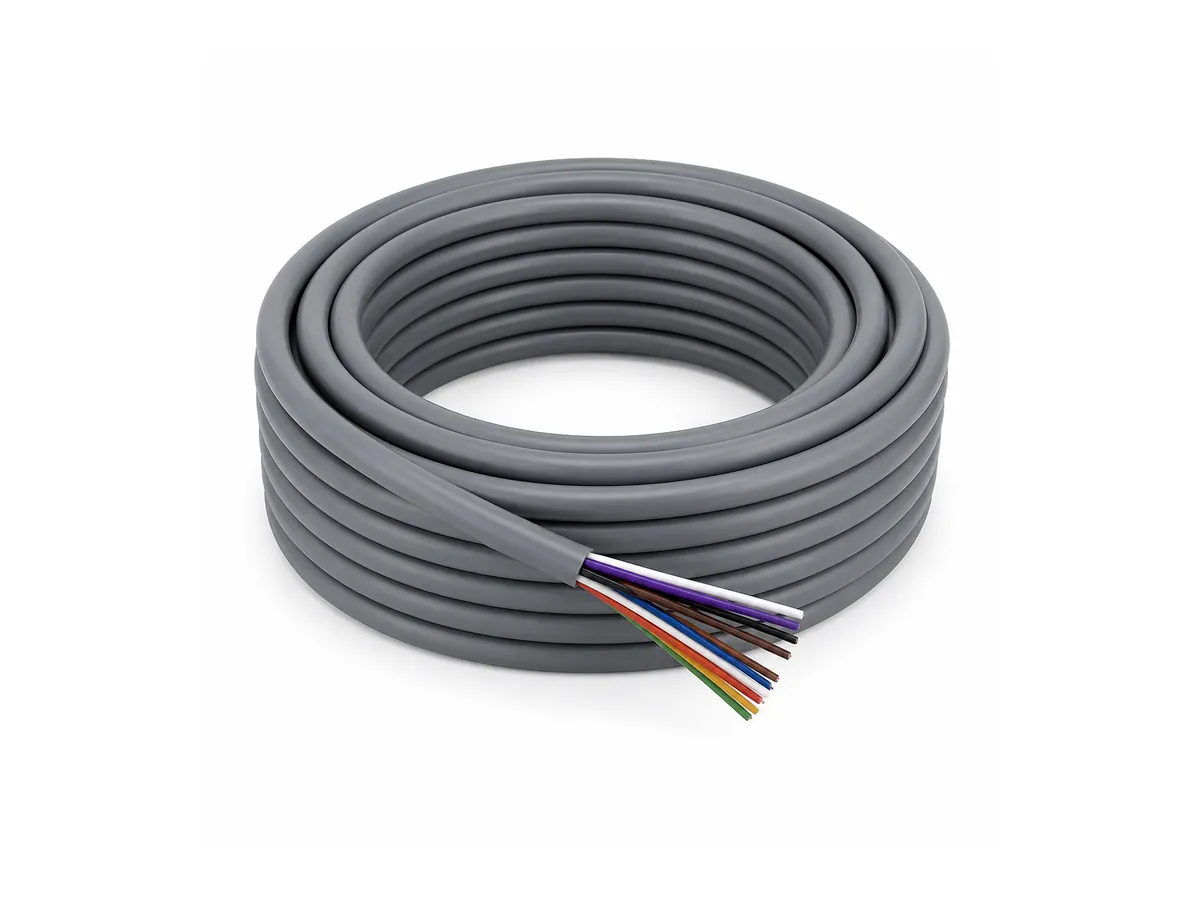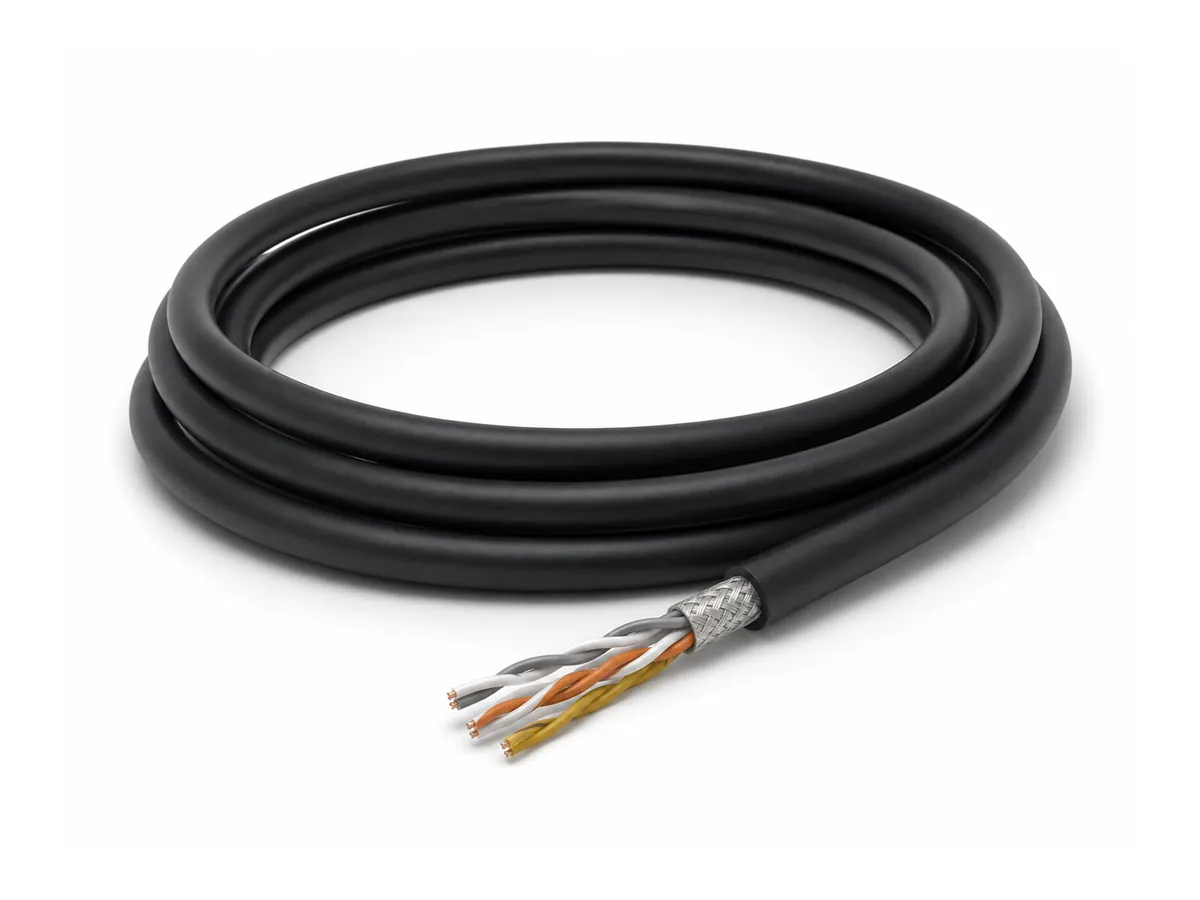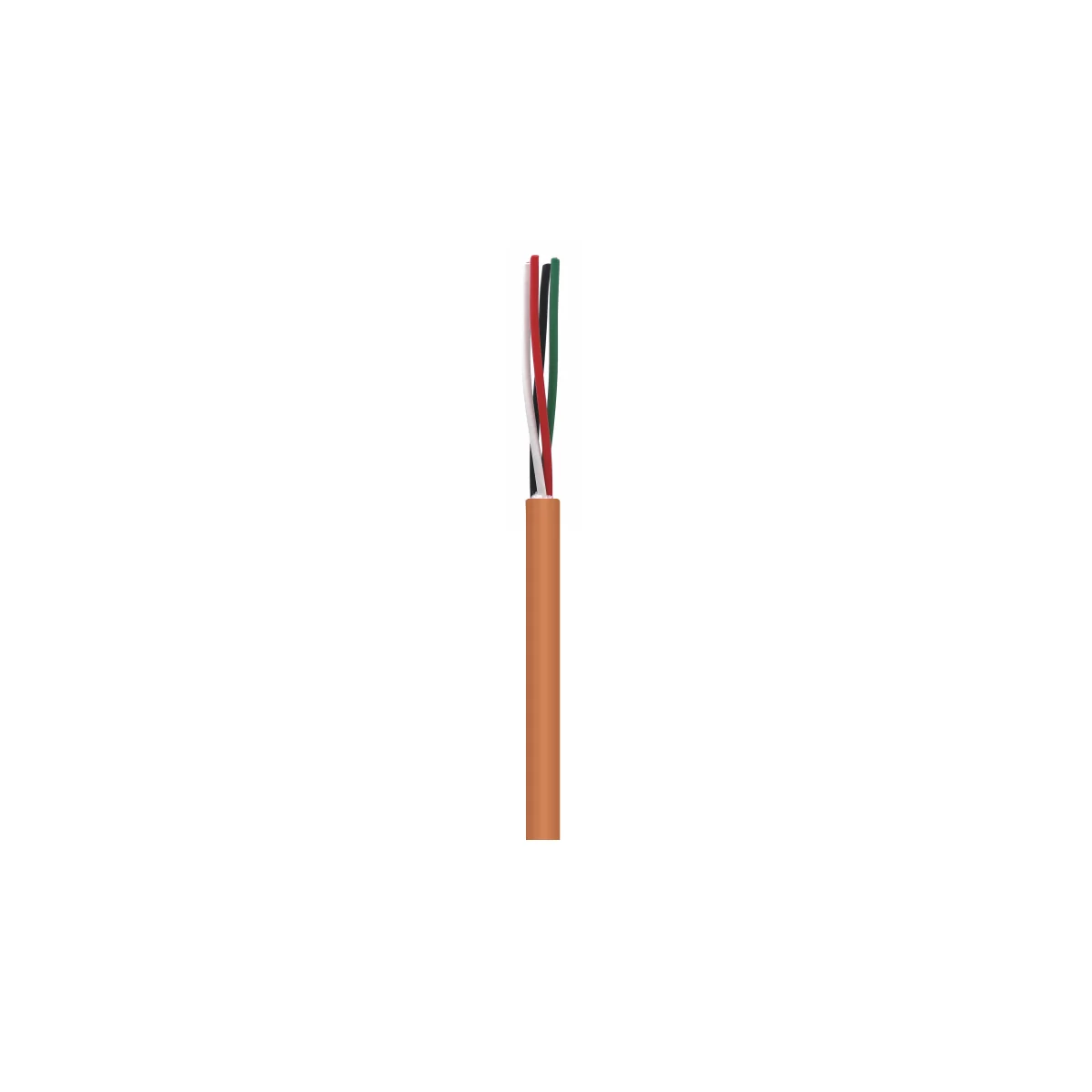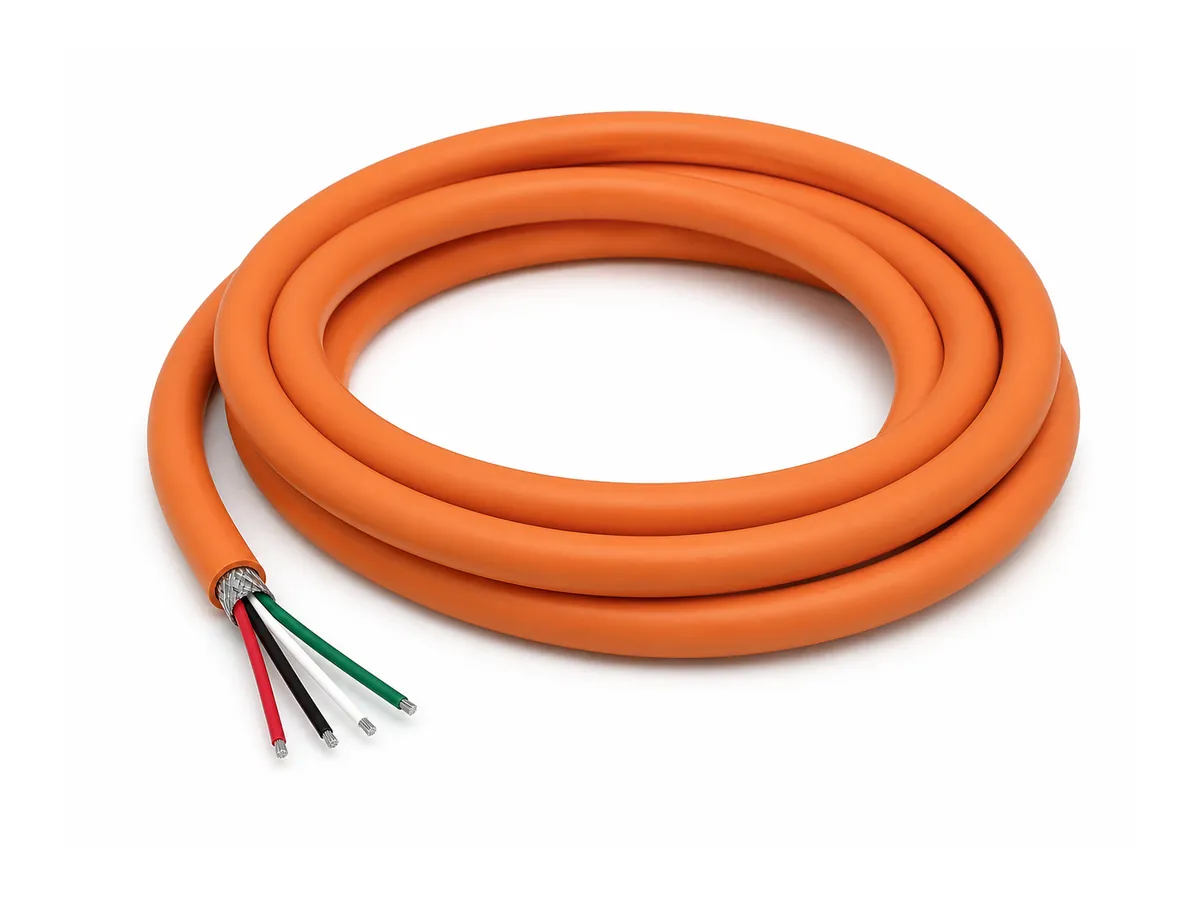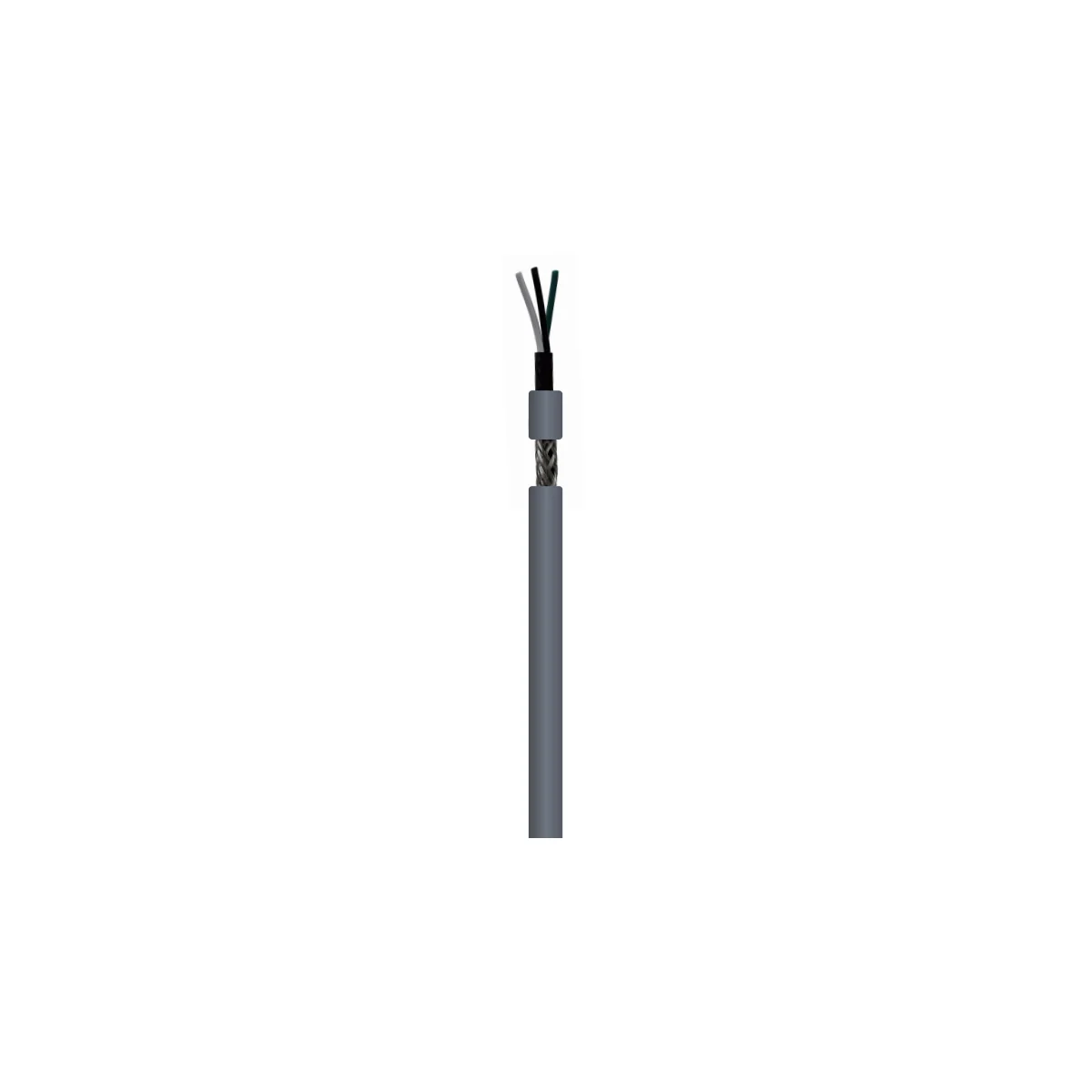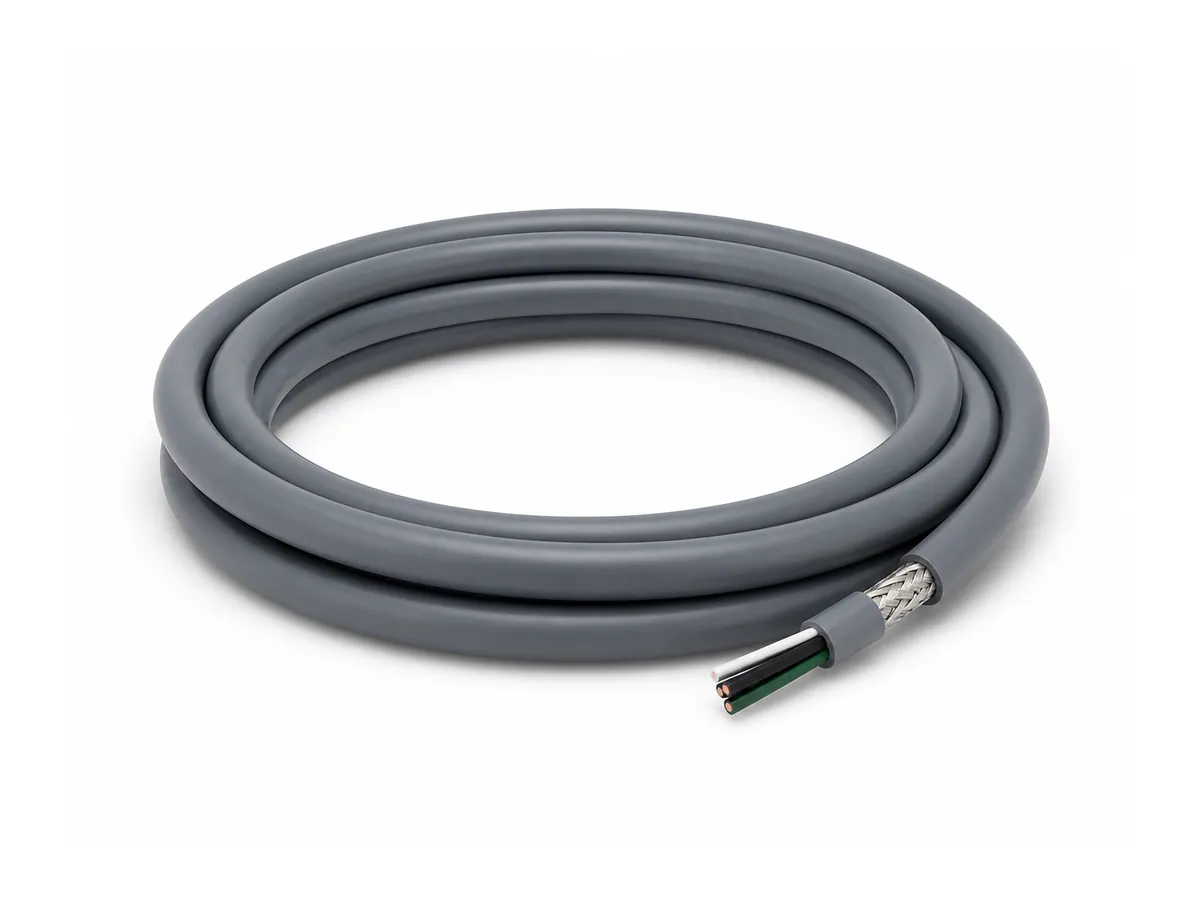
Ultra-flexible drag chain cables are designed for machinery where ordinary cables would be subjected to repeated bending, acceleration and long operating cycles. Typical installations include cable carriers, machine tools, pick-and-place systems, gantry equipment, automated warehouses and robotic production cells.
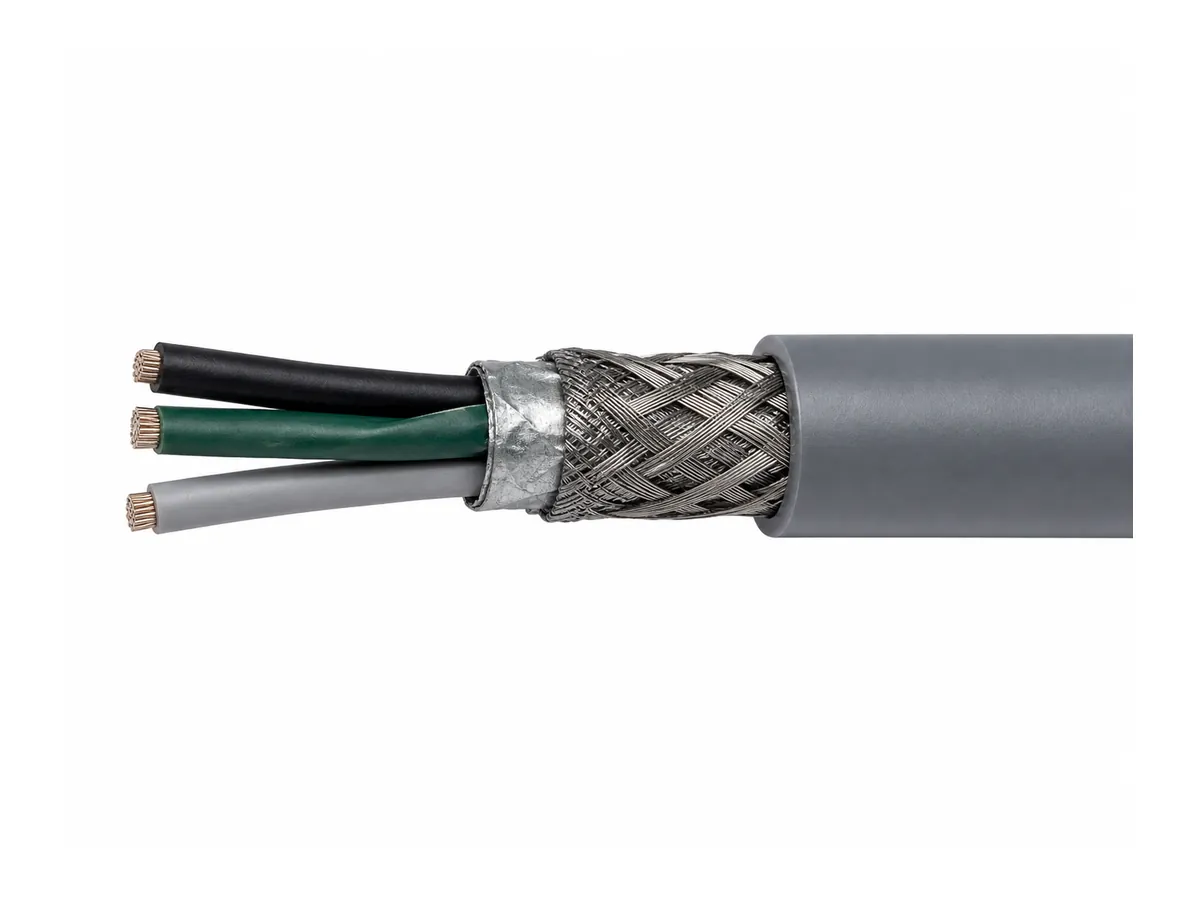
Their main advantage is not softness alone. A reliable continuous-flex cable combines conductor design, core arrangement, shielding and jacket materials so that electrical performance remains stable while the cable repeatedly travels through a controlled bending path.
Why Ordinary Flexible Cable Is Not Always Enough
A cable may feel flexible during manual handling but still be unsuitable for continuous movement. Repeated travel can create conductor fatigue, core displacement, shield breakage, jacket abrasion or corkscrewing. Drag chain cables are developed to manage these stresses through the complete cable structure rather than through a soft outer jacket alone.
Fine-Stranded Conductors Distribute Bending Stress
Continuous-flex conductors normally use multiple fine strands arranged with a controlled lay. The geometry allows individual strands to move slightly relative to one another as the cable bends. This reduces concentrated stress compared with a conductor construction intended primarily for fixed installation.
The correct strand diameter and lay length depend on conductor size, cable diameter, motion profile and required electrical performance. More strands do not automatically guarantee a better result; the conductor must be engineered together with the insulation and overall cabling process.
Core Arrangement Maintains Cable Stability
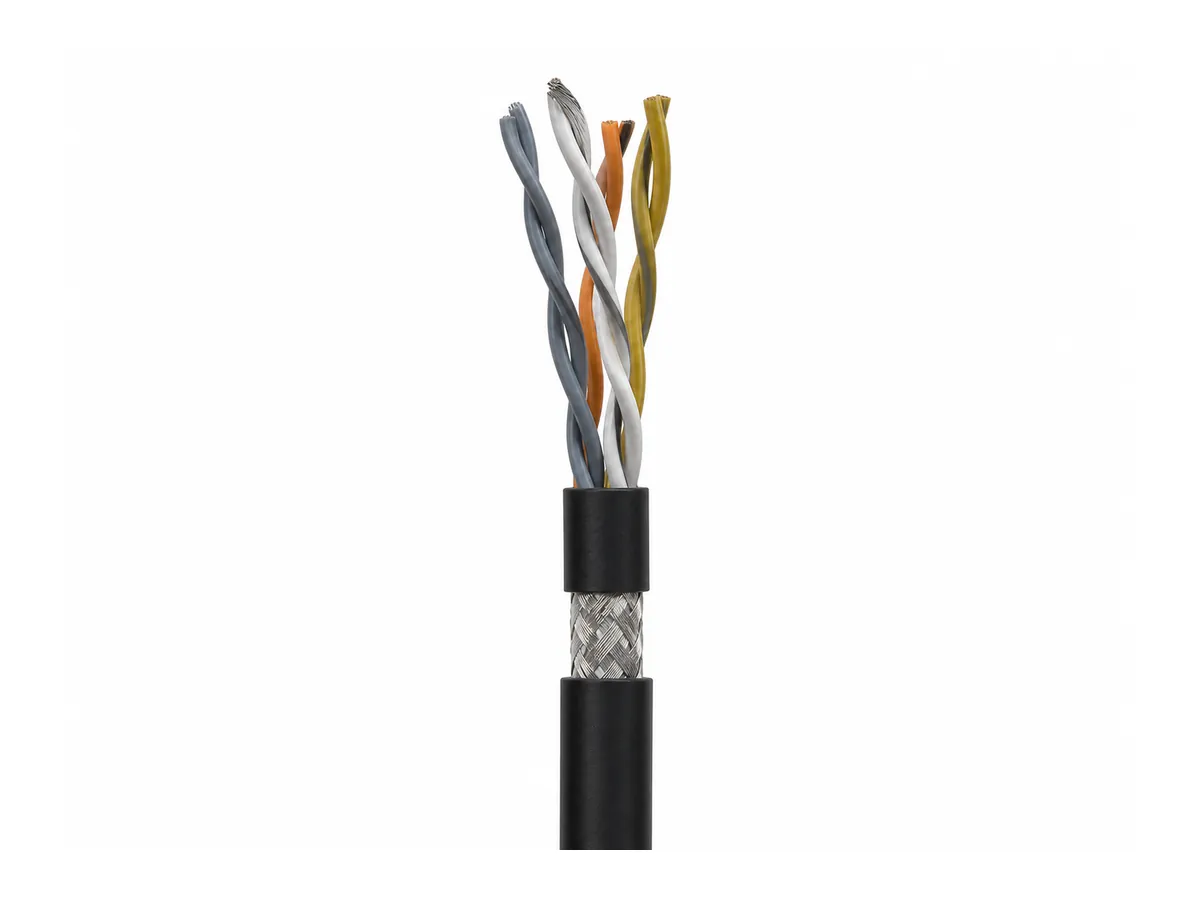
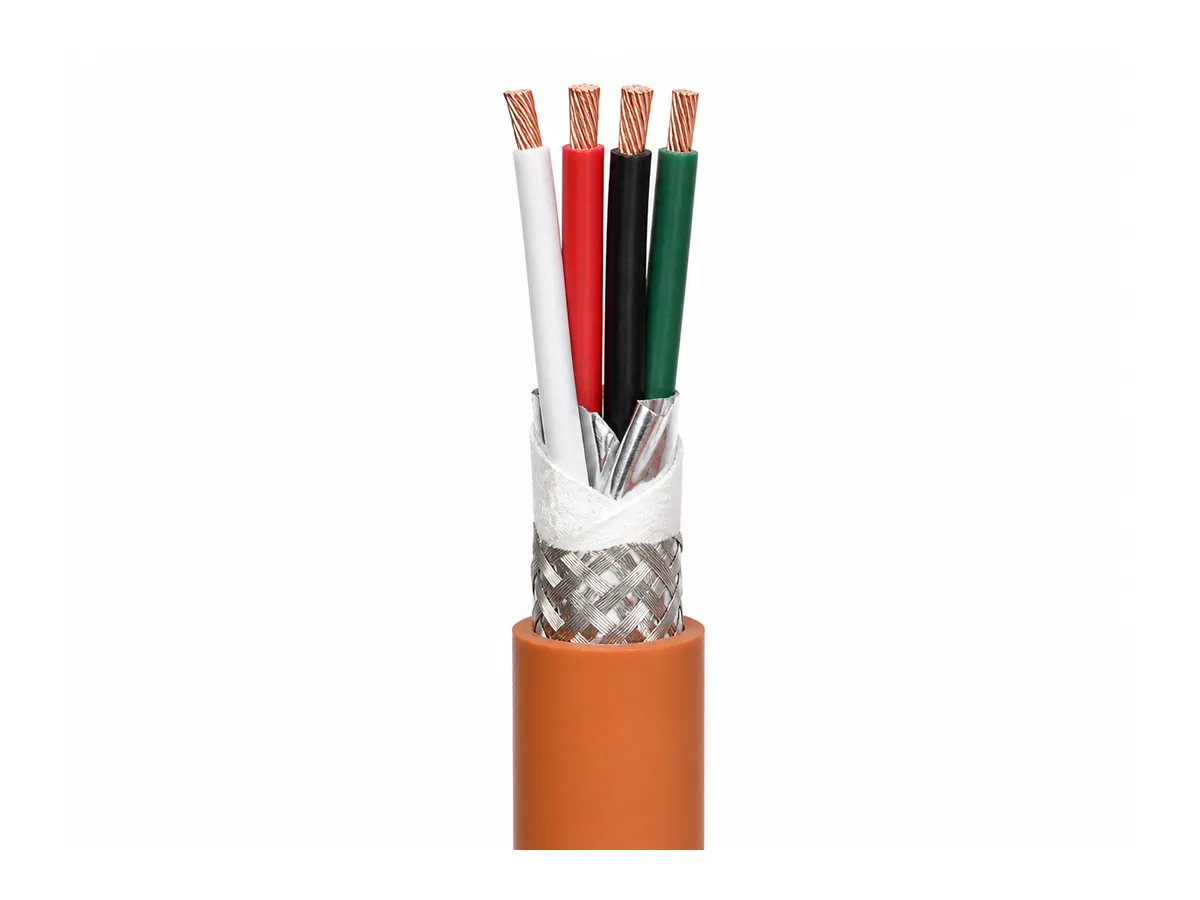
Inside the cable, insulated cores must remain organized during repeated movement. Controlled layer construction, bundled elements, twisted pairs, fillers, wrapping or a supportive inner jacket may be used depending on the cable type. The goal is to prevent cores from migrating, crossing or concentrating pressure at one point in the bend.
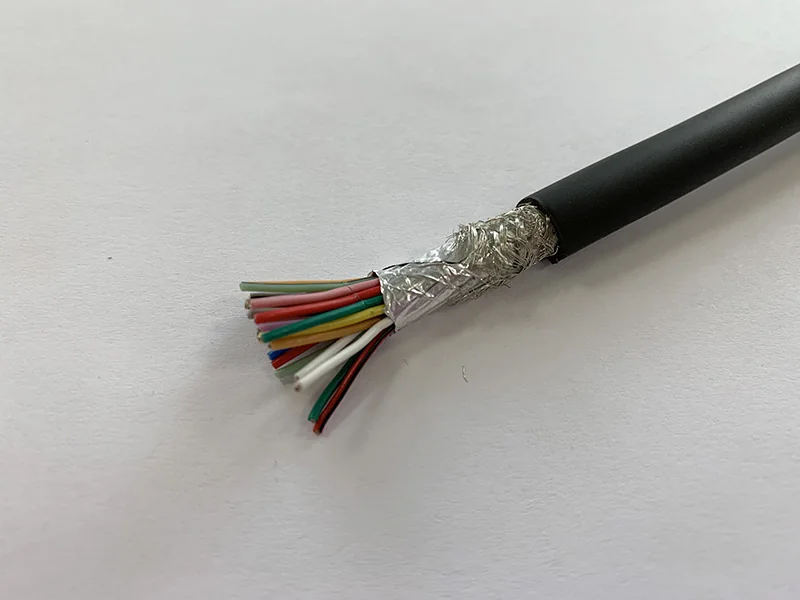
Signal and encoder cables may also require stable pair geometry to protect transmission performance. Power and control cables require a balanced core arrangement that limits mechanical stress while maintaining the specified conductor cross-section and insulation thickness.
Shielding for Moving Electrical Systems
Industrial motion equipment often contains servo drives, motors and switching devices that can generate electromagnetic interference. A braided copper shield can improve interference control, but the braid must also tolerate repeated flexing. Coverage, braid angle, wire diameter and the supporting layer beneath the shield all influence mechanical and electrical performance.
Shielded cable installation also depends on correct grounding and connector termination. A high-quality cable cannot compensate for an unsuitable shield connection at the equipment interface.
Jacket Materials Match the Environment
PVC, PUR and TPE jackets serve different operating requirements. PVC can be practical for many indoor machine applications. PUR is often selected where abrasion, oil and mechanical handling are important. TPE compounds may be considered for demanding movement, temperature or chemical conditions. Actual performance depends on the specific compound and verified product specification.
The Importance of Bend Radius and Installation
Every moving cable should be installed at or above its specified minimum dynamic bend radius. The cable must be laid without twisting, with adequate clearance inside the carrier and suitable strain relief at the fixed points. Overfilling the carrier, mixing incompatible cable sizes or forcing the cable below its bend radius can shorten service life even when the cable itself is correctly designed.
Where Ultra-Flexible Drag Chain Cables Add Value
- High-speed machine tools and machining centers
- Robotic cells and servo-driven axes
- Material-handling and warehouse automation
- Encoder, feedback and industrial-network connections
- Production equipment with repeated linear travel
Conclusion
The flexibility advantage of a drag chain cable comes from an engineered system: fine-stranded conductors, controlled core geometry, movement-compatible shielding, suitable insulation and the correct outer jacket. Buyers should evaluate the complete motion profile and installation environment rather than selecting by softness alone.
Explore our industrial cable range and best-selling cable solutions, or send us your bend radius, travel distance, speed, acceleration, environment and electrical requirements for a custom recommendation.