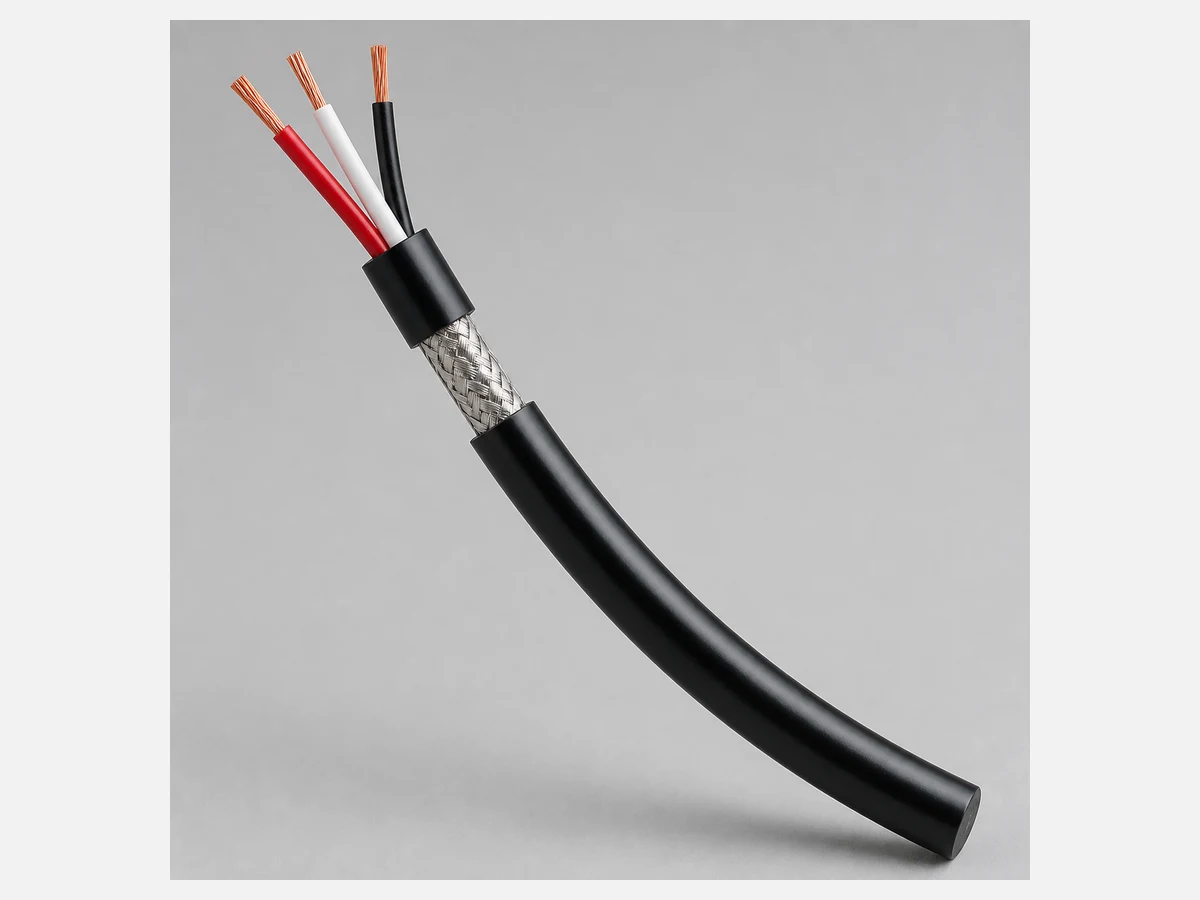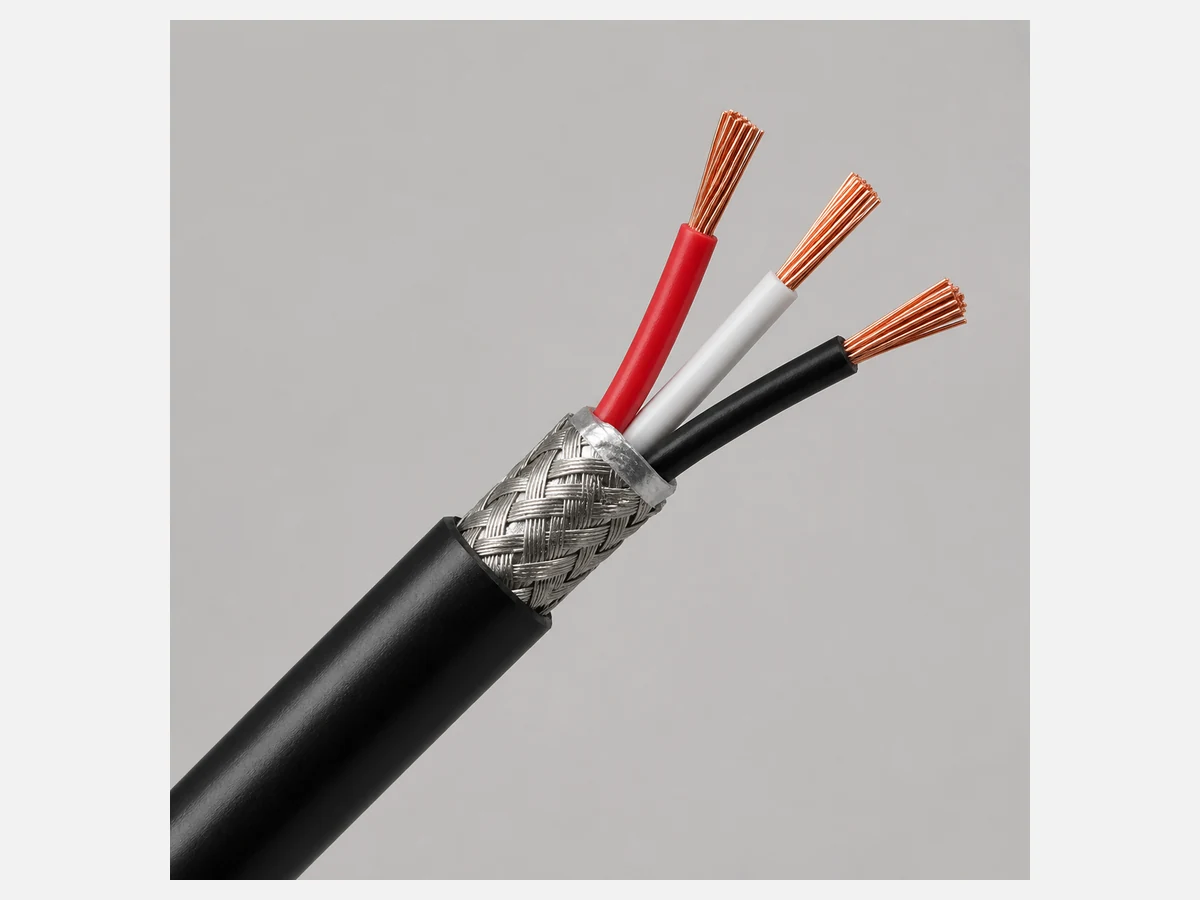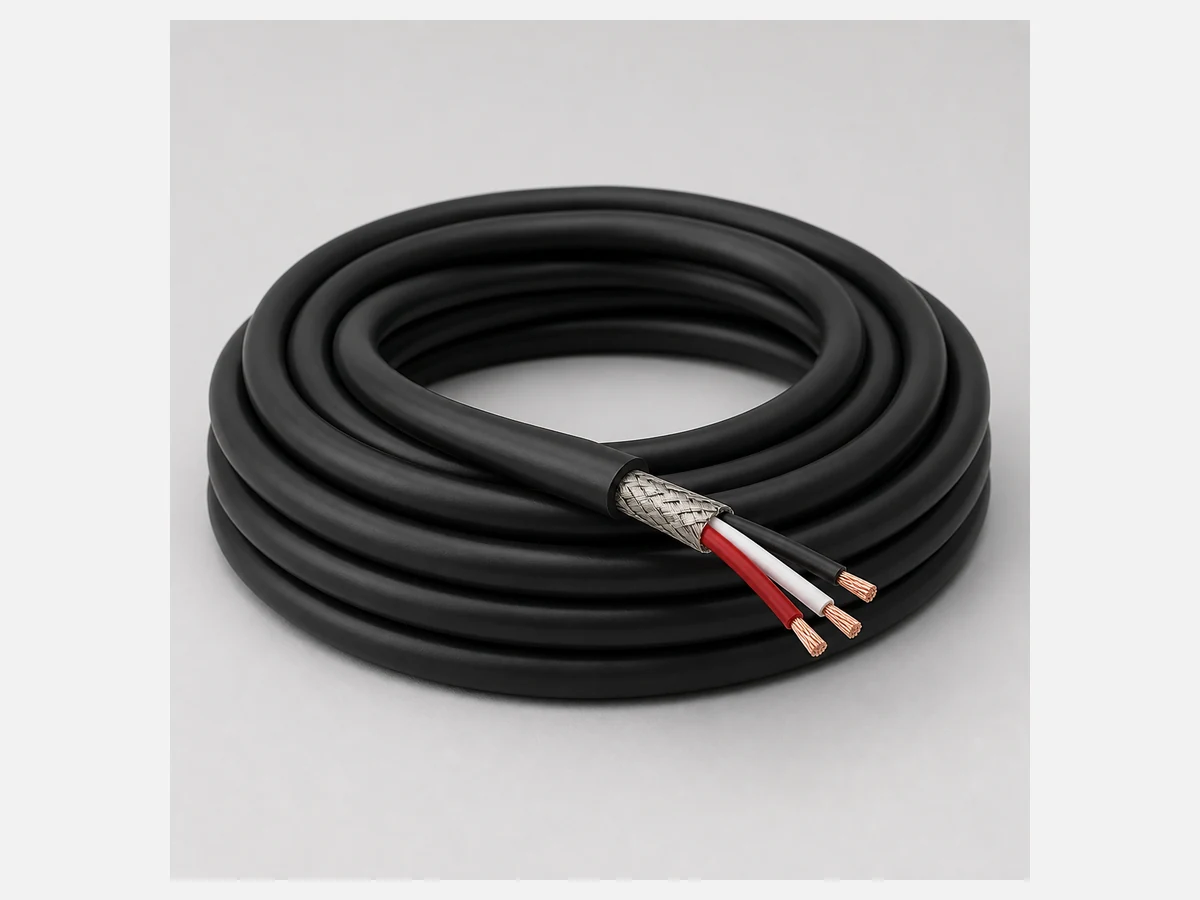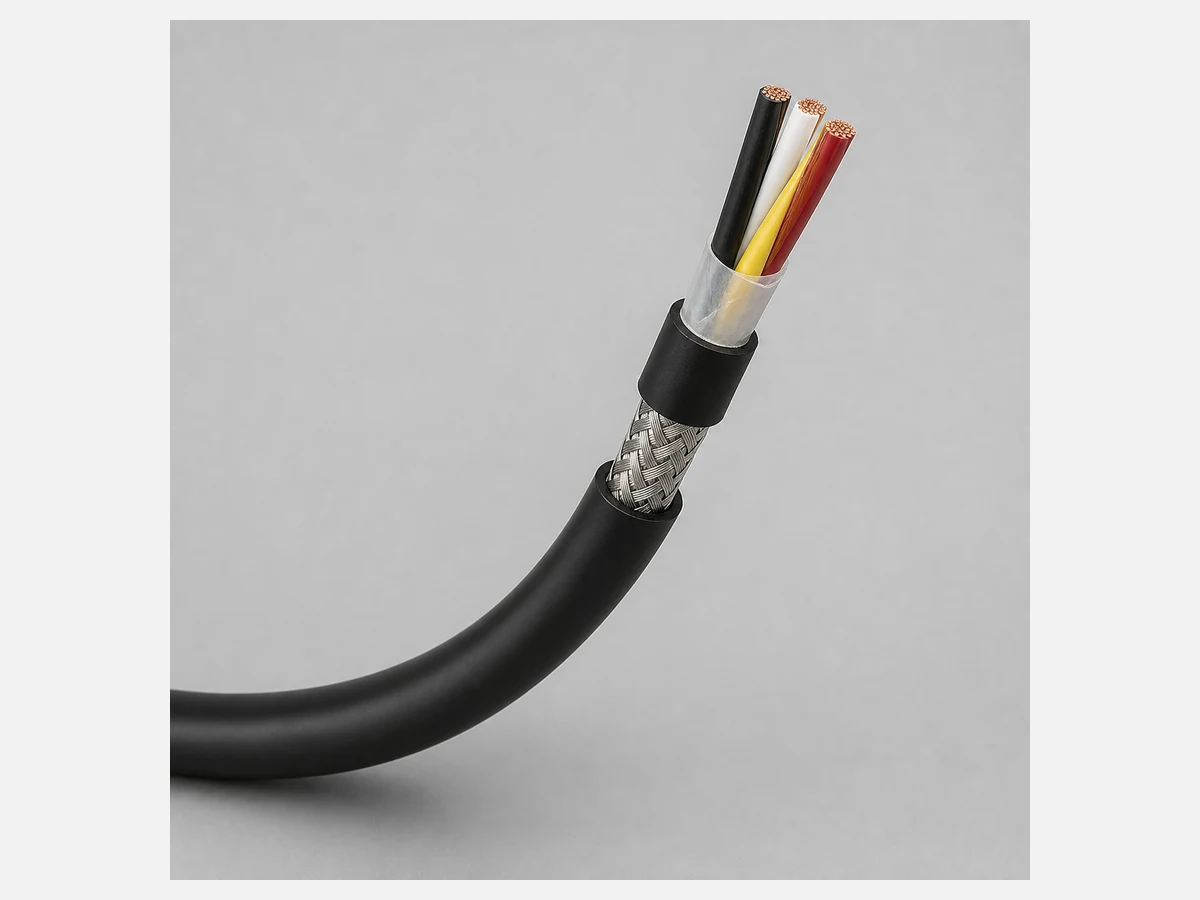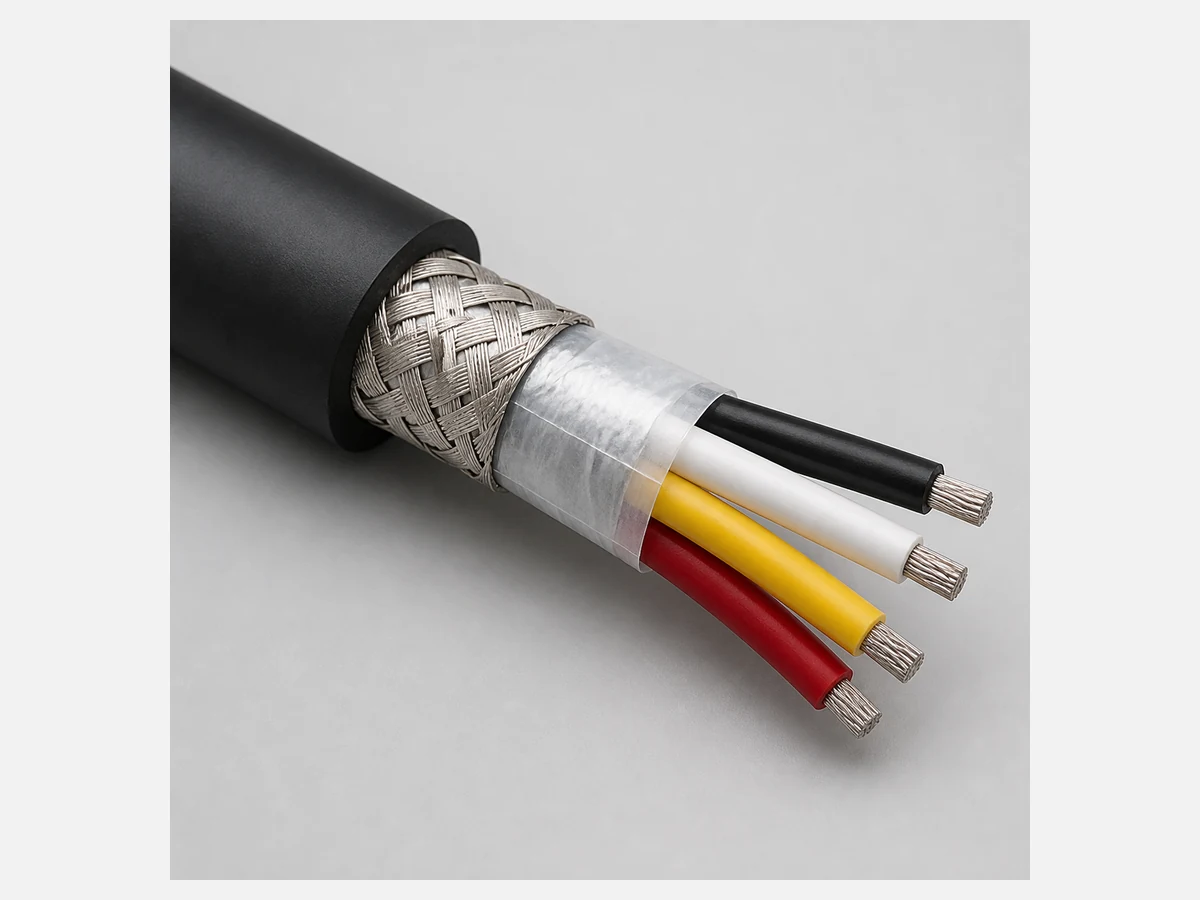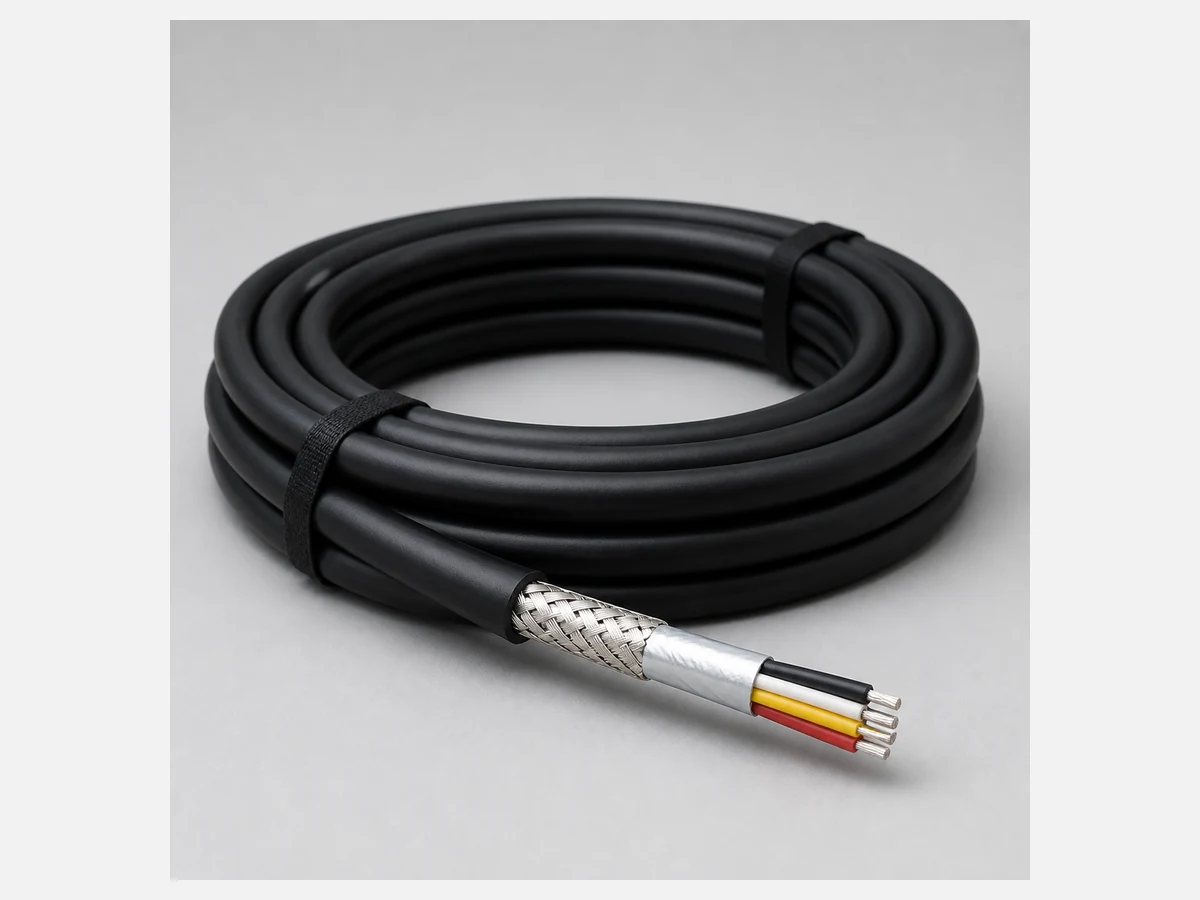
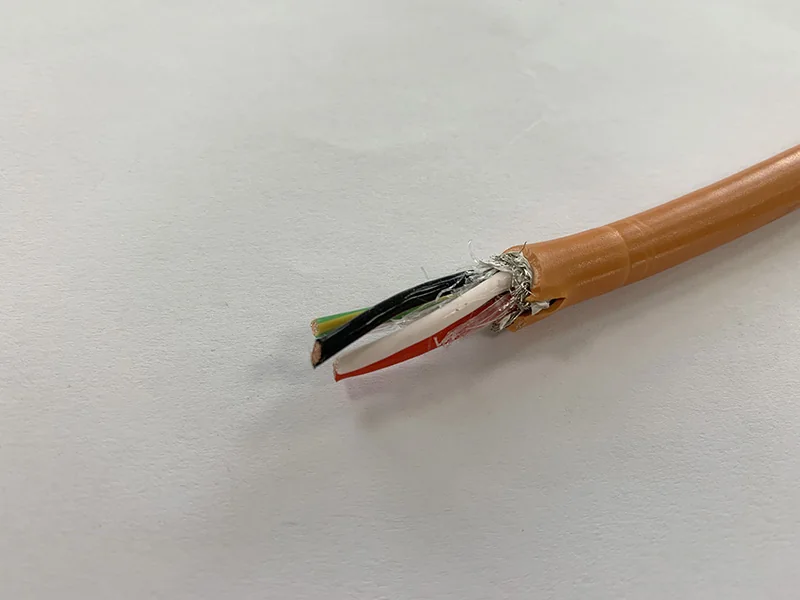
Electrical cables are long-term infrastructure components. Once installed inside machinery, buildings, transport equipment or power-distribution systems, they are expected to perform consistently for years. A cable manufactured to an applicable national standard offers buyers a defined technical baseline for conductor construction, insulation, dimensional control, testing and product identification.
For importers, distributors, engineering contractors and OEM buyers, the practical value is not simply the presence of a standard number on a specification sheet. The real benefit comes from matching the correct standard and cable design to the intended voltage, installation method, environment and service conditions.
What Does “National-Standard Cable” Mean?
In China, different cable families are governed by different GB or GB/T standards. For example, GB/T 3956 covers conductors for insulated cables, while the GB/T 12706 series addresses extruded-insulation power cables across specified voltage ranges. GB/T 19666 provides general rules for flame-retardant and fire-resistant wires, cables and optical-fiber cables.
These documents do not make every cable interchangeable. A building wire, low-voltage power cable, drag-chain cable and industrial data cable may require different construction rules and performance tests. Buyers should therefore confirm the complete product designation, rated voltage, conductor class, insulation system, sheath material and applicable standard edition.
1. Controlled Conductor Construction
The conductor is the electrical core of a cable. Standardized conductor requirements help define construction, resistance limits and dimensional consistency for the relevant conductor class. In production, this requires control of incoming copper or aluminum, wire drawing, annealing, stranding and conductor diameter.
Consistent conductor resistance matters because excessive resistance increases energy loss and heat generation. Flexible cables require additional attention to strand diameter, lay length and conductor geometry so that electrical performance is balanced with the required movement or bending behavior.
2. Consistent Insulation and Sheath Quality
Insulation separates live conductors and helps the cable withstand its rated electrical stress. Reliable manufacturing therefore requires control of insulation material, concentricity, minimum thickness, surface condition and spark or voltage testing. The outer sheath then protects the cable against installation damage and the service environment.
The correct material depends on the application. PVC may be suitable for many fixed and general industrial installations, while PUR, TPE or specialized compounds may be selected for abrasion, oil exposure, repeated flexing, low temperature or other demanding conditions. Flame-retardant, fire-resistant or low-smoke properties should only be stated when supported by the relevant product specification and test evidence.
3. Repeatable Testing and Traceability
Standardized production supports repeatable inspection rather than relying only on visual appearance. Depending on the product, quality checks may include conductor resistance, insulation thickness, dimensional inspection, insulation resistance, voltage testing, continuity, flame performance and mechanical tests.
Traceability is equally important for B2B procurement. Product markings and documentation should identify the manufacturer, cable designation, rated voltage, specification, production batch or other required information. Buyers can then compare supplied goods with the approved sample and purchase specification.
4. Practical Applications Across Industries
Correctly selected standardized cables support a wide range of systems:
- Industrial equipment: power, control and signal connections for machinery, production lines and auxiliary systems.
- Buildings and infrastructure: fixed wiring, lighting, distribution and equipment connections selected according to the applicable installation rules.
- Transport systems: power and signal connections requiring project-specific environmental and safety performance.
- Automation: flexible power, encoder, control and industrial-network cables matched to motion, shielding and bend-radius requirements.
- Energy projects: cable constructions selected for voltage, current capacity, installation environment and required fire performance.
How Professional Buyers Should Evaluate a Cable
A purchasing decision should be based on verifiable specifications rather than price or appearance alone. Before placing an order, confirm:
- The complete cable type and applicable standard.
- Rated voltage, conductor count and cross-sectional area.
- Conductor material and conductor class.
- Insulation and sheath materials.
- Fixed, occasional-flex or continuous-flex installation requirements.
- Temperature, oil, abrasion, flame and environmental requirements.
- Required markings, test reports and compliance documentation.
- Reel length, packaging, tolerances and acceptance criteria.
Why Manufacturer Capability Matters
A standard defines requirements, but production capability determines whether those requirements are achieved consistently. Buyers should assess material control, conductor processing, extrusion stability, shielding capability, in-process inspection, finished-product testing and batch traceability. For custom OEM projects, the approved drawing and technical specification should become the reference for production and final inspection.
Conclusion
National-standard cables provide practical value by creating a measurable framework for safety, electrical performance, manufacturing consistency and procurement control. The best results come from selecting the correct standard for the actual application and working with a manufacturer capable of documenting and reproducing the approved construction.
Dongguan Hongxin Electrical Technology Co., Ltd. supplies standard cables and customized cable solutions for industrial buyers. Explore our cable products and best-selling cable solutions, or contact us with your drawing, required standard, operating environment and order quantity.