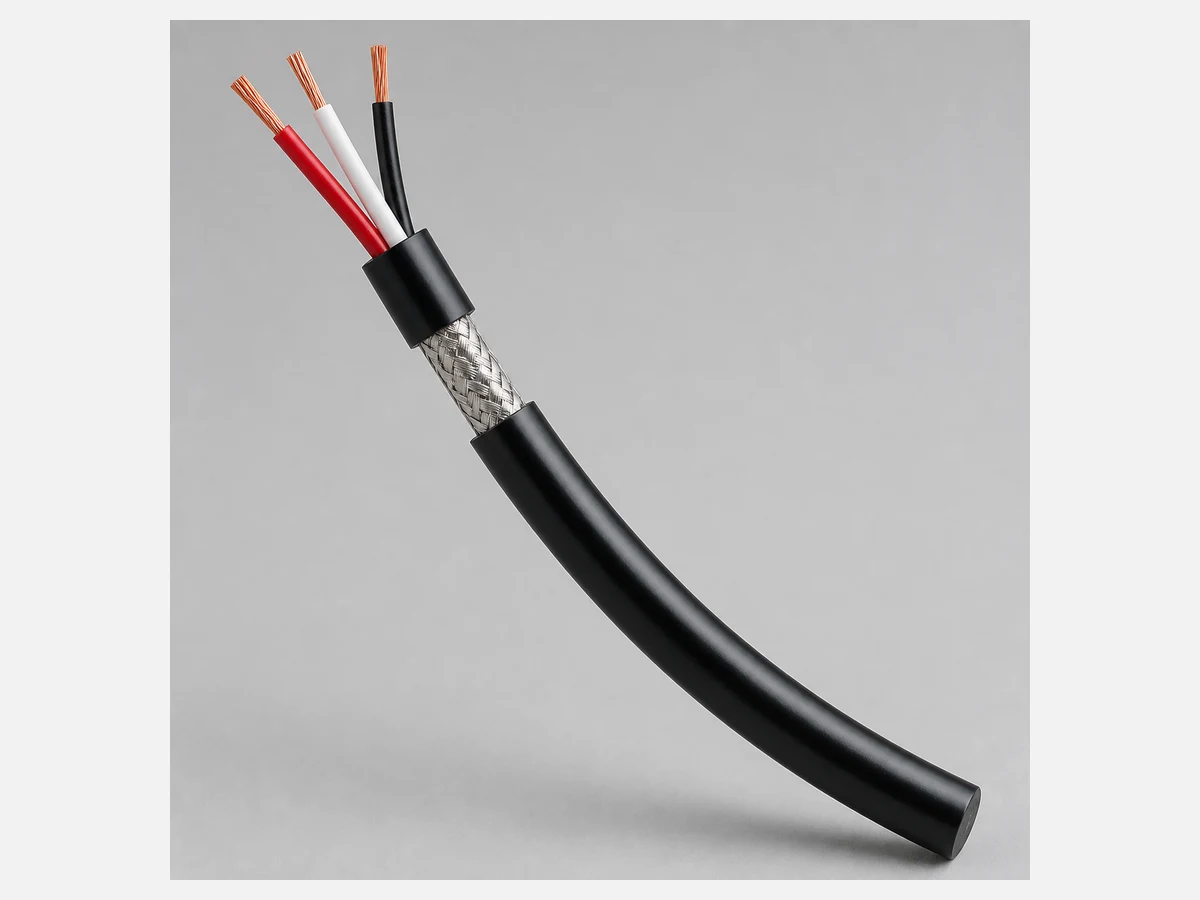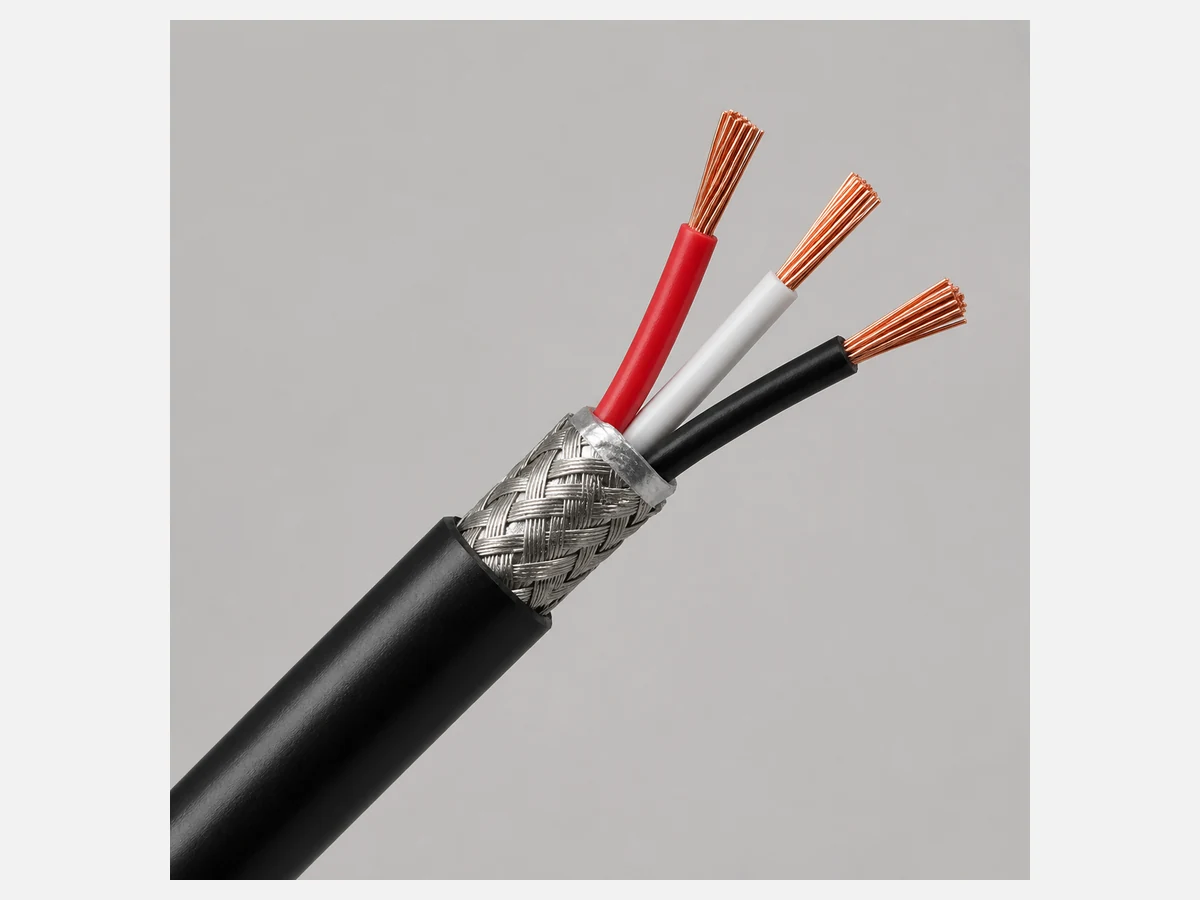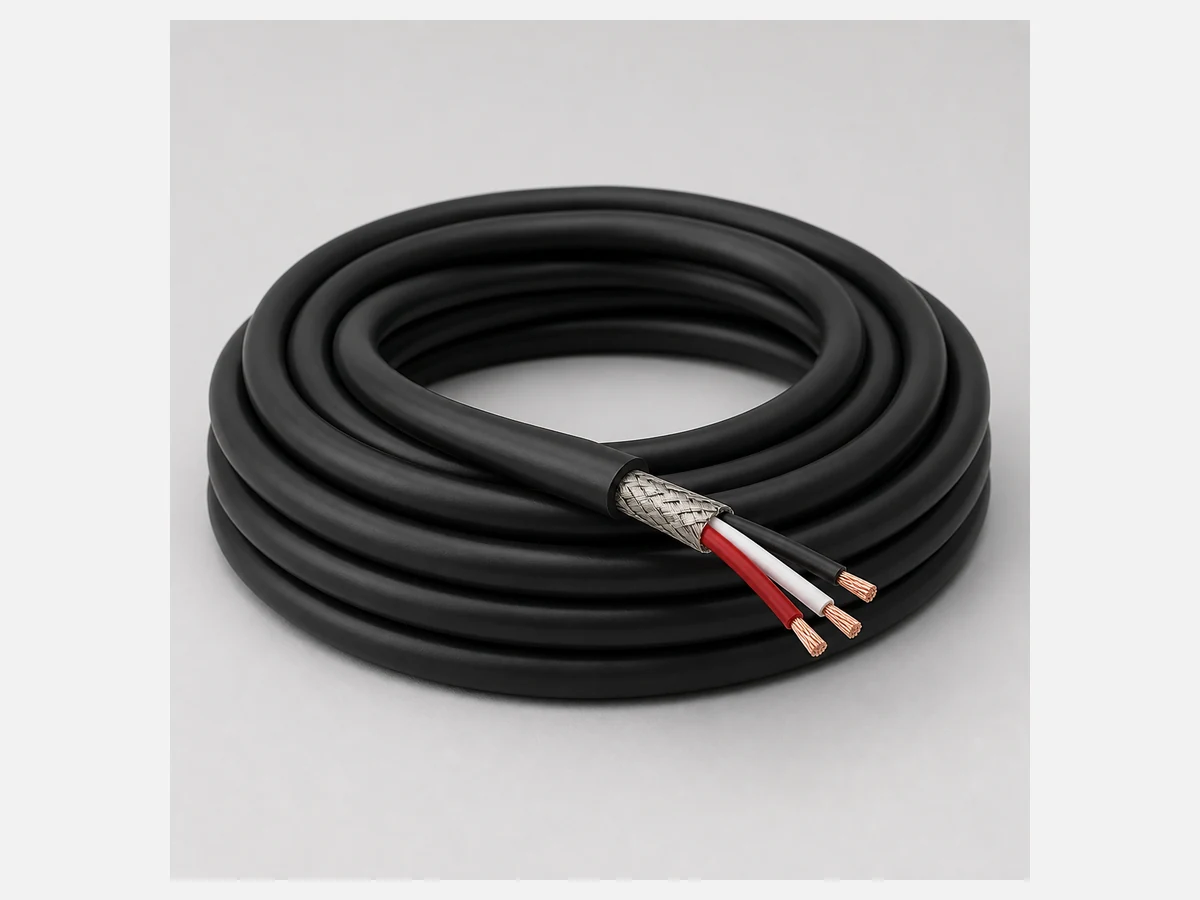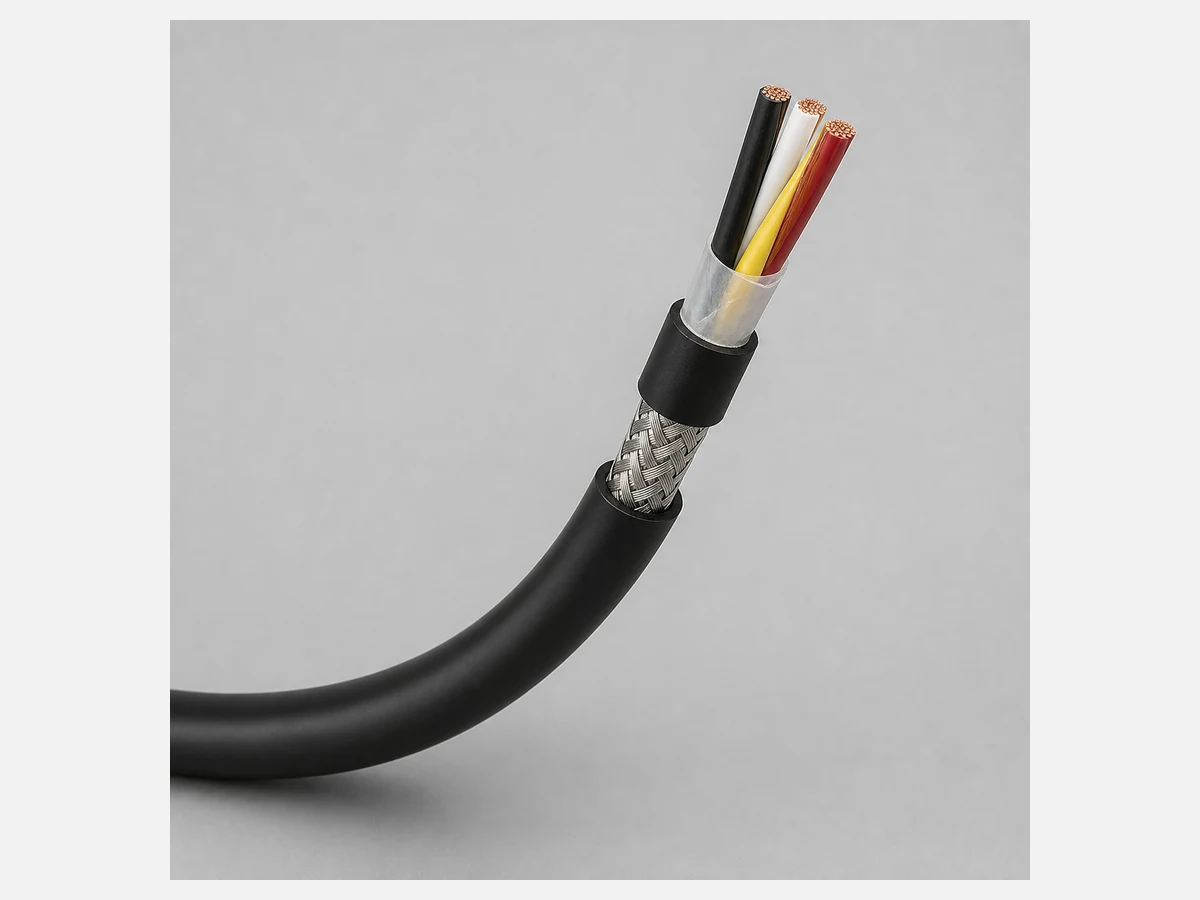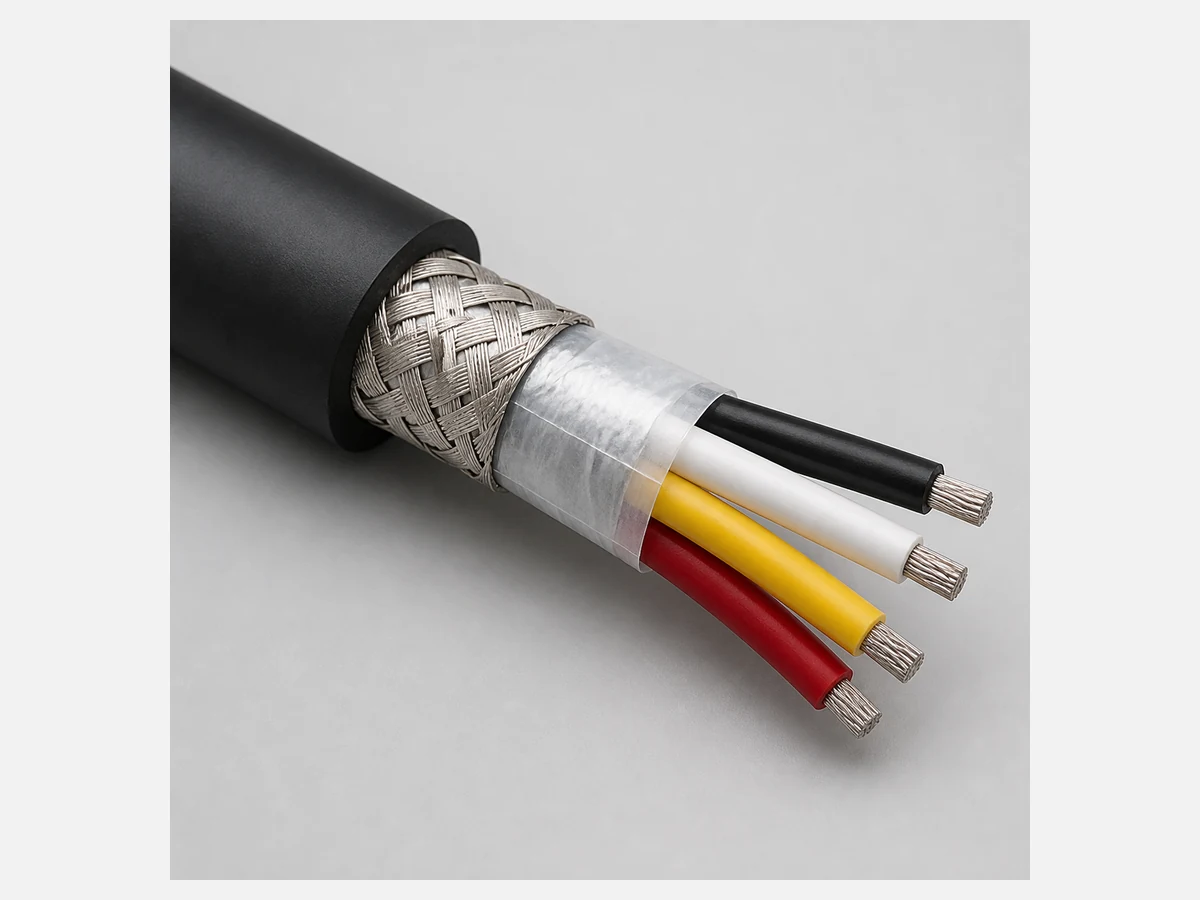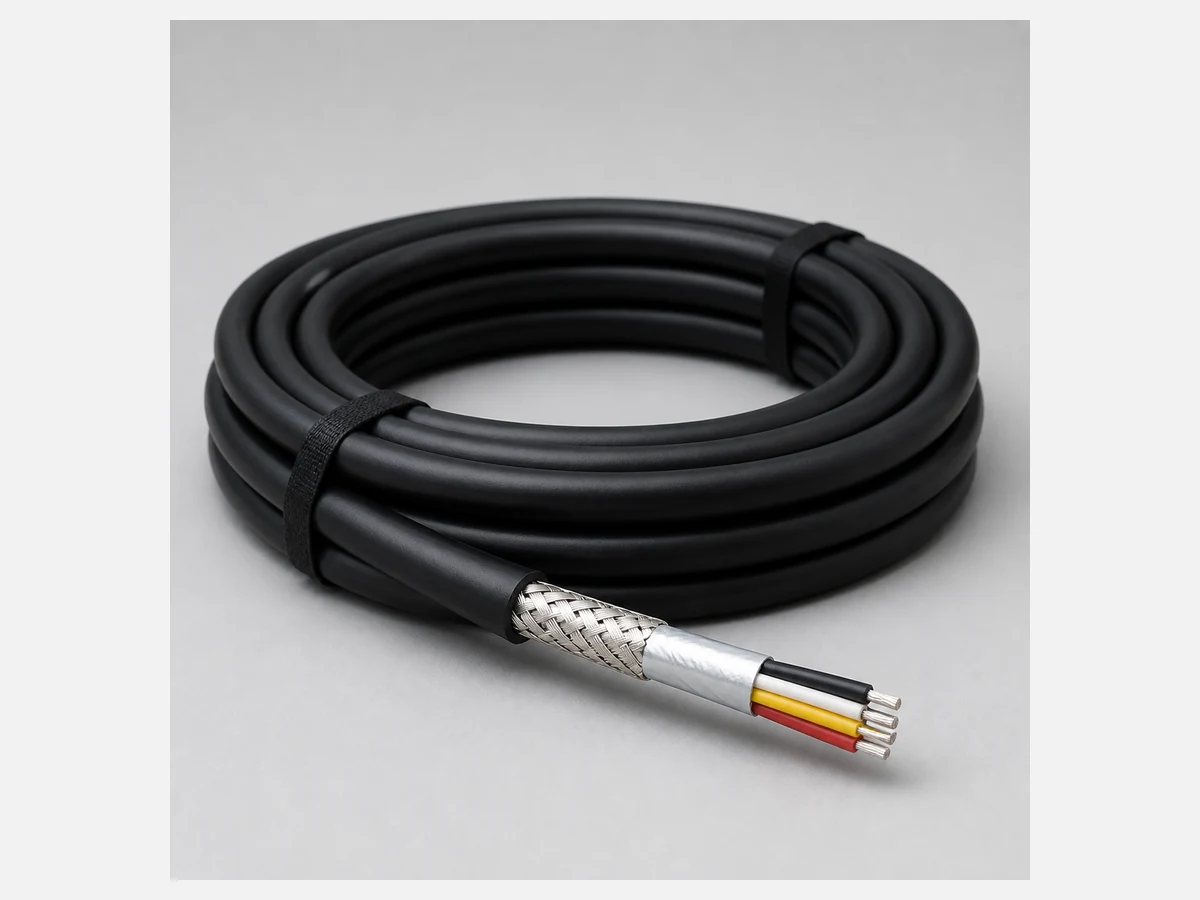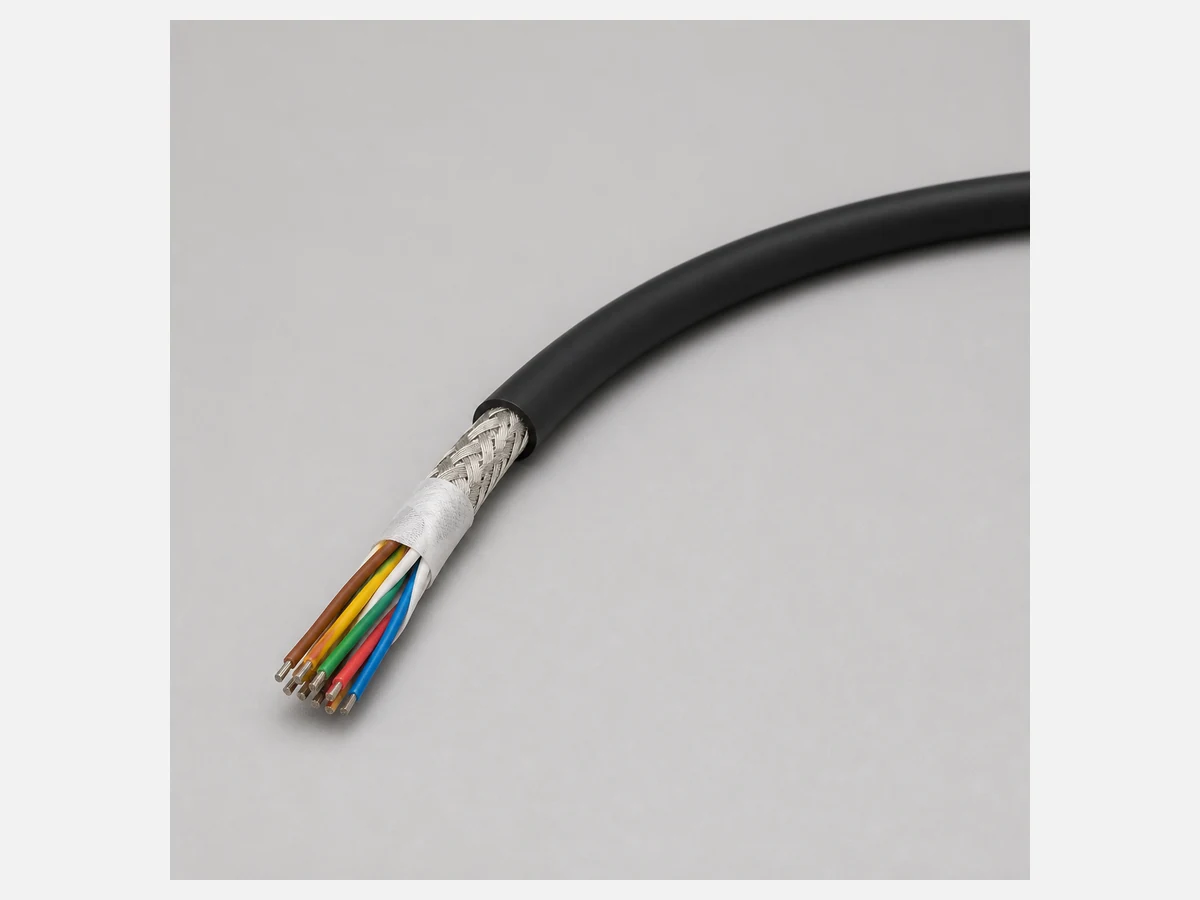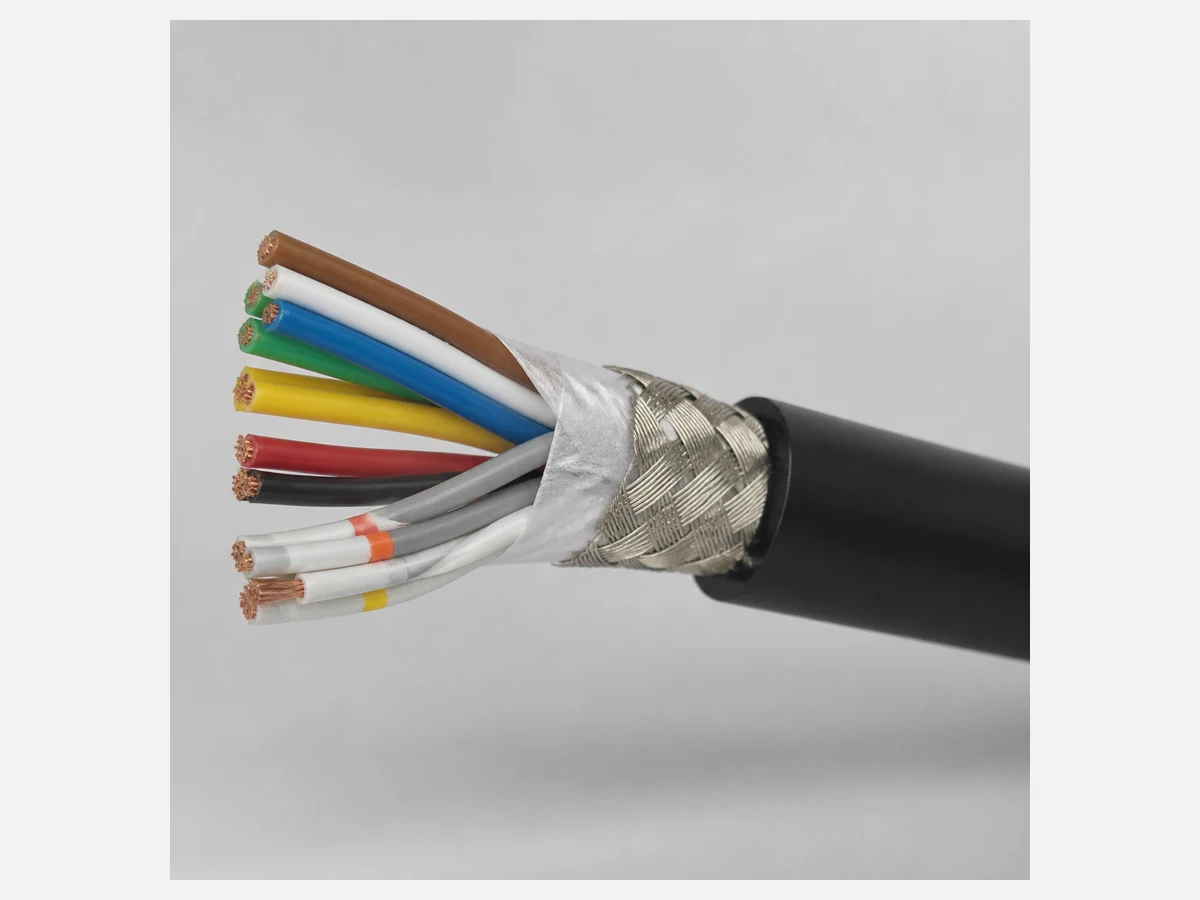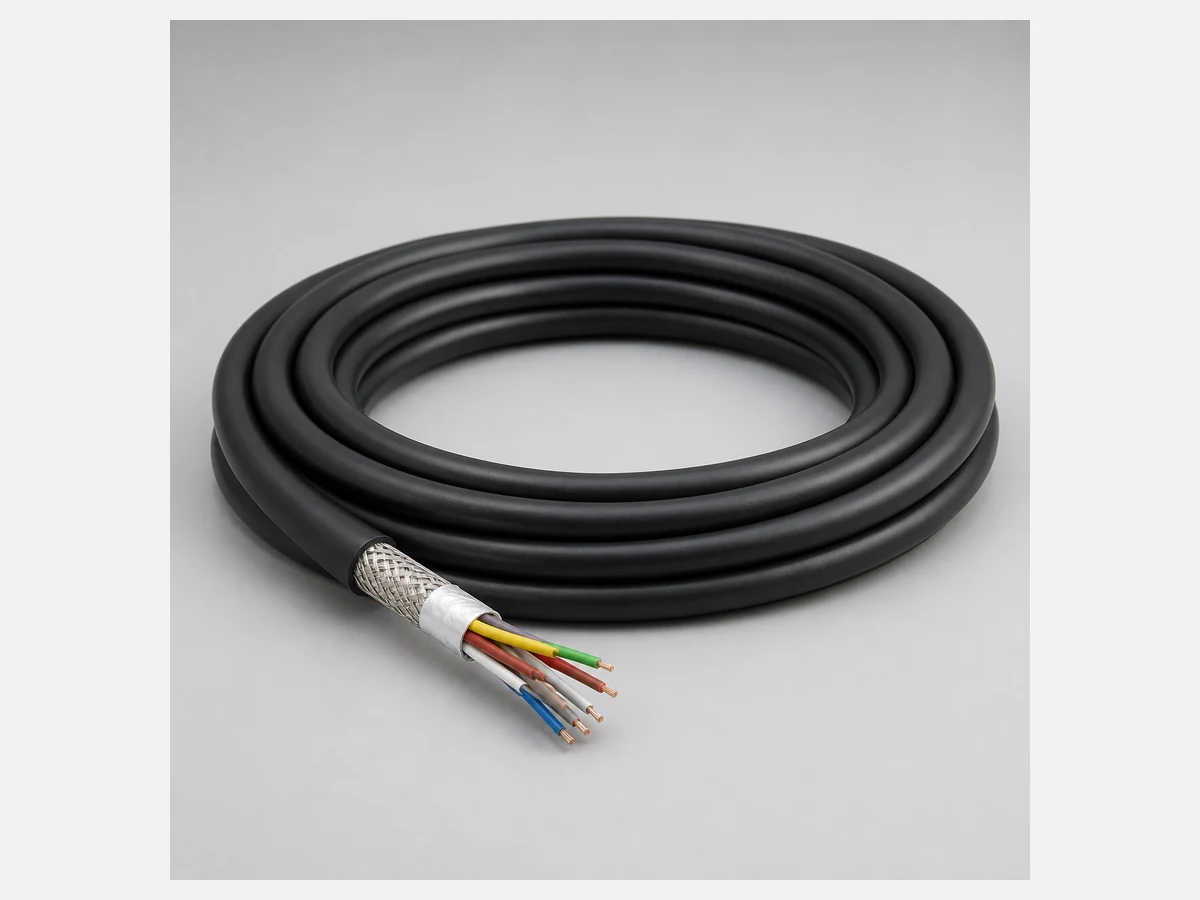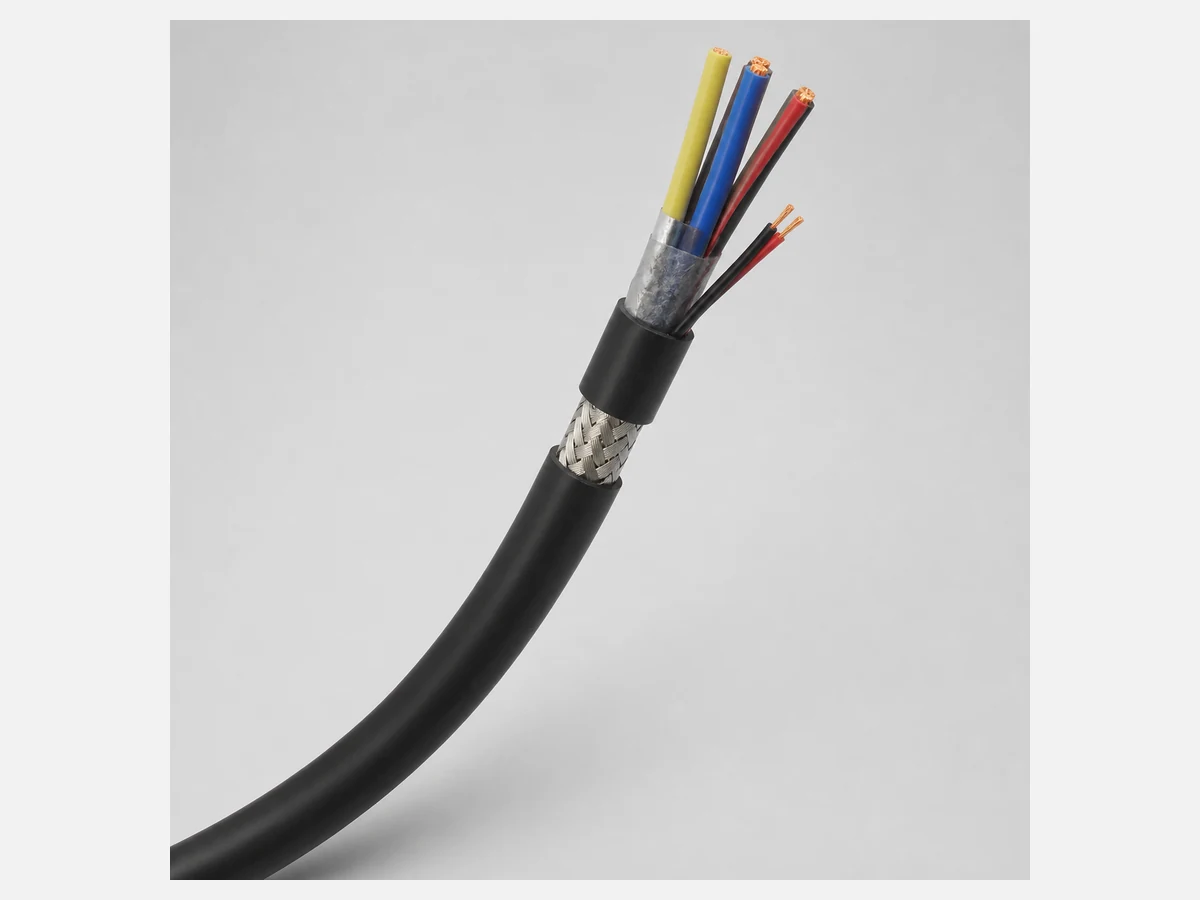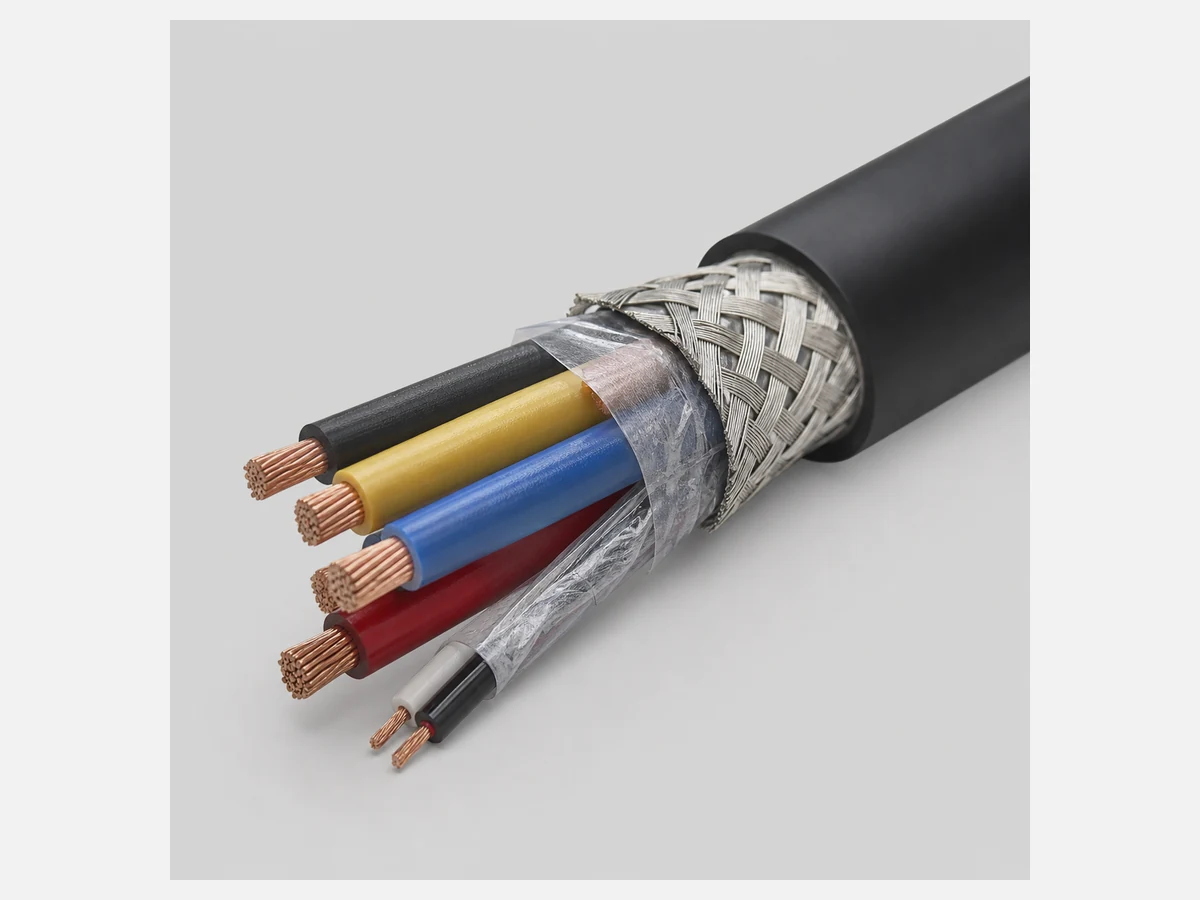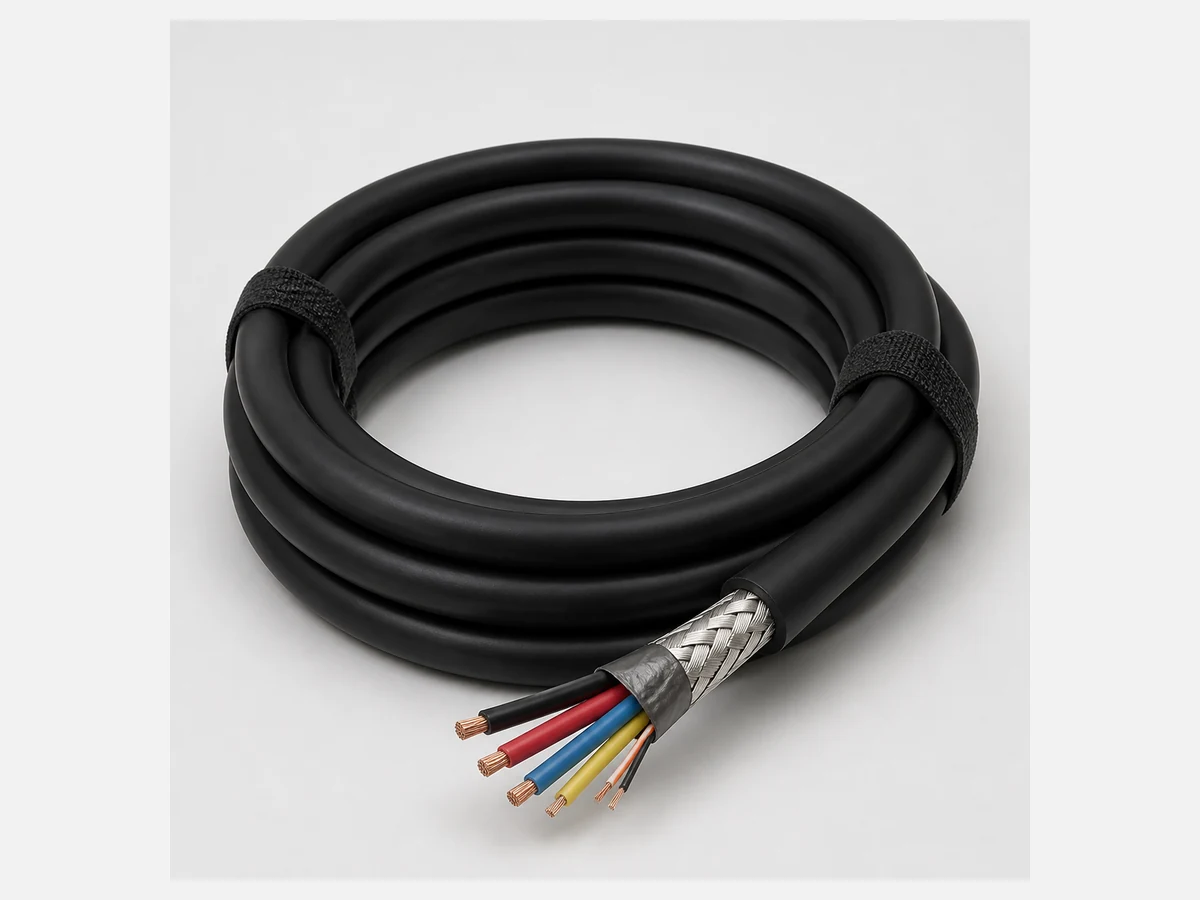
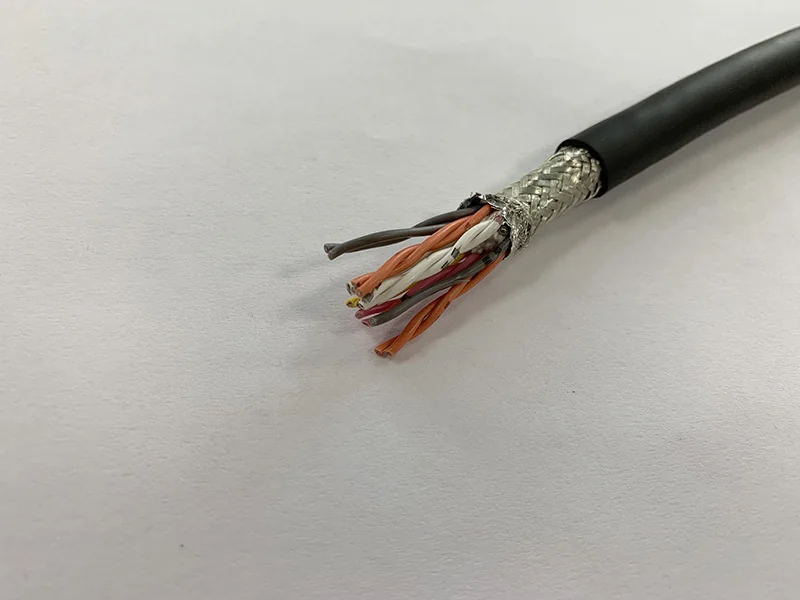
Selecting a national-standard cable involves more than finding a standard number in a catalog. Buyers must identify the correct cable family, voltage, conductor construction, insulation system and installation conditions, then confirm that the supplied product matches the approved specification.
1. Start with the Application
Define whether the cable will be used for fixed building wiring, industrial power, machine control, communication, repeated movement or another service. Each application can require a different standard and construction. The operating voltage, current, installation method, ambient temperature and environmental exposure should be documented first.
2. Confirm the Applicable Standard
Different GB and GB/T standards address different product families. GB/T 3956 covers conductors of insulated cables, while the GB/T 12706 series covers specified extruded-insulation power cables. Other standards address flexible cords, fire performance, communication cables or application-specific products. Confirm the complete standard number, edition and product designation rather than relying on the general phrase “national-standard cable.”
3. Review Conductor Construction
Check conductor material, conductor class, cross-sectional area and allowable resistance. Flexible conductors and fixed-installation conductors are not interchangeable. For procurement inspection, conductor resistance testing is more reliable than judging copper content by appearance or cable weight alone.
4. Check Insulation and Sheath Materials
Verify insulation and jacket compounds, nominal and minimum thickness requirements, color identification and rated temperature. Surface appearance can reveal obvious defects, but it cannot confirm electrical performance. Dimensional and voltage-related tests should follow the applicable specification.
5. Identify Environmental Requirements
Consider oil, abrasion, moisture, sunlight, chemicals, low temperature and flame behavior. Flame-retardant, fire-resistant or low-smoke claims require product-specific evidence. They should not be assumed from jacket color or a general factory certificate.
6. Verify Marking and Documentation
Required markings may include the manufacturer, cable designation, voltage, standard and production traceability. Review certificates, test reports and compliance documents that apply to the exact product and destination market. Not every cable is subject to the same certification scheme.
7. Evaluate the Manufacturer
Assess material control, conductor processing, extrusion capability, test equipment, batch traceability and experience with the required cable family. For large OEM orders, request a specification drawing, first article and agreed inspection criteria before volume production.
8. Inspect Samples and Delivered Goods
- Confirm title, model, voltage and standard marking.
- Measure outer diameter and relevant insulation dimensions.
- Check conductor count, colors and cross-section.
- Review stripping, jacket surface and construction consistency.
- Perform applicable electrical testing.
- Compare production goods with the approved sample and drawing.
Avoid Common Purchasing Errors
Do not select solely by unit price, cable weight or a generic claim of compliance. Avoid using a fixed cable in continuous motion, substituting an unshielded construction in a high-interference environment or accepting certifications unrelated to the exact product. When a parameter is not confirmed, require it in writing before production.
Conclusion
A reliable national-standard cable is the result of correct product classification, verified construction and consistent manufacturing. Clear specifications and inspection criteria protect both the buyer and supplier throughout an engineering project.
Browse our industrial cable products and best-selling cable solutions, or send us your drawing and application requirements.