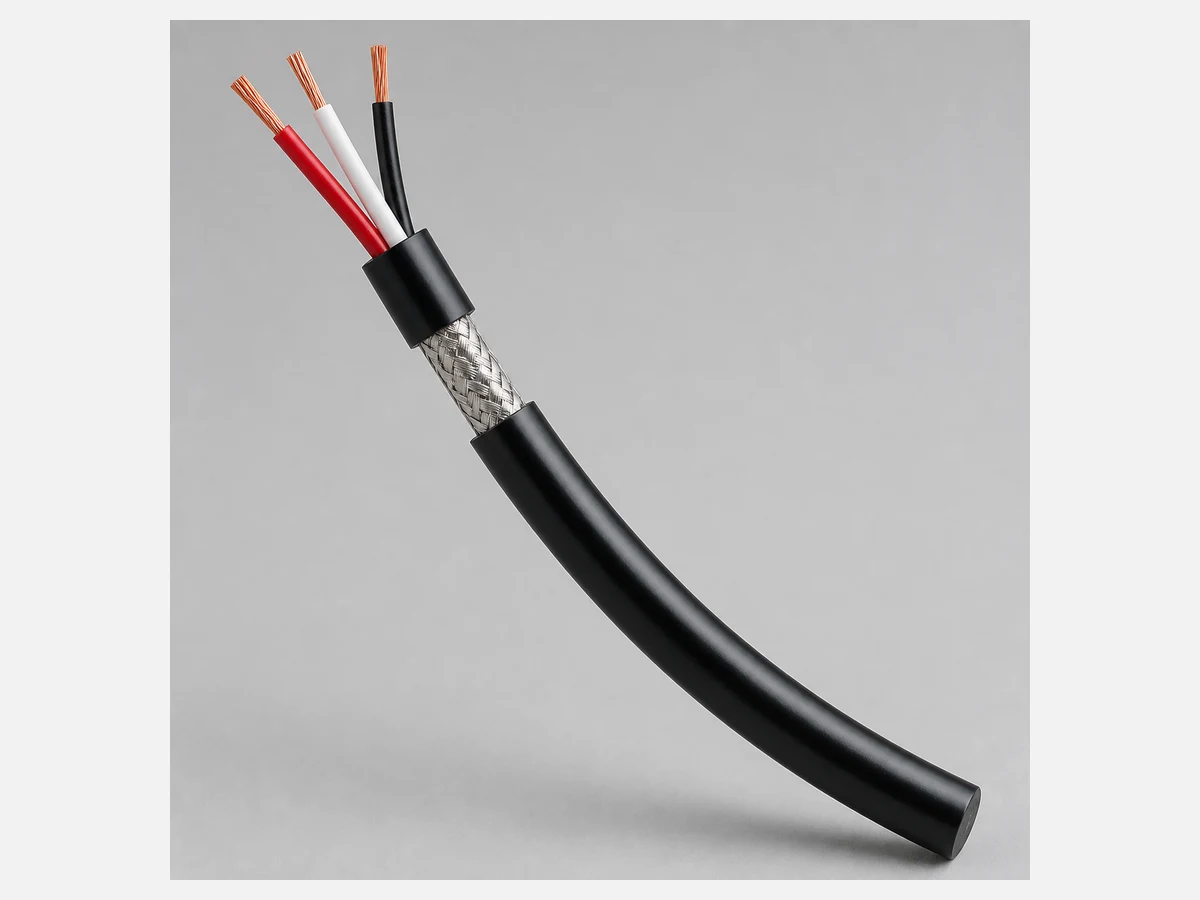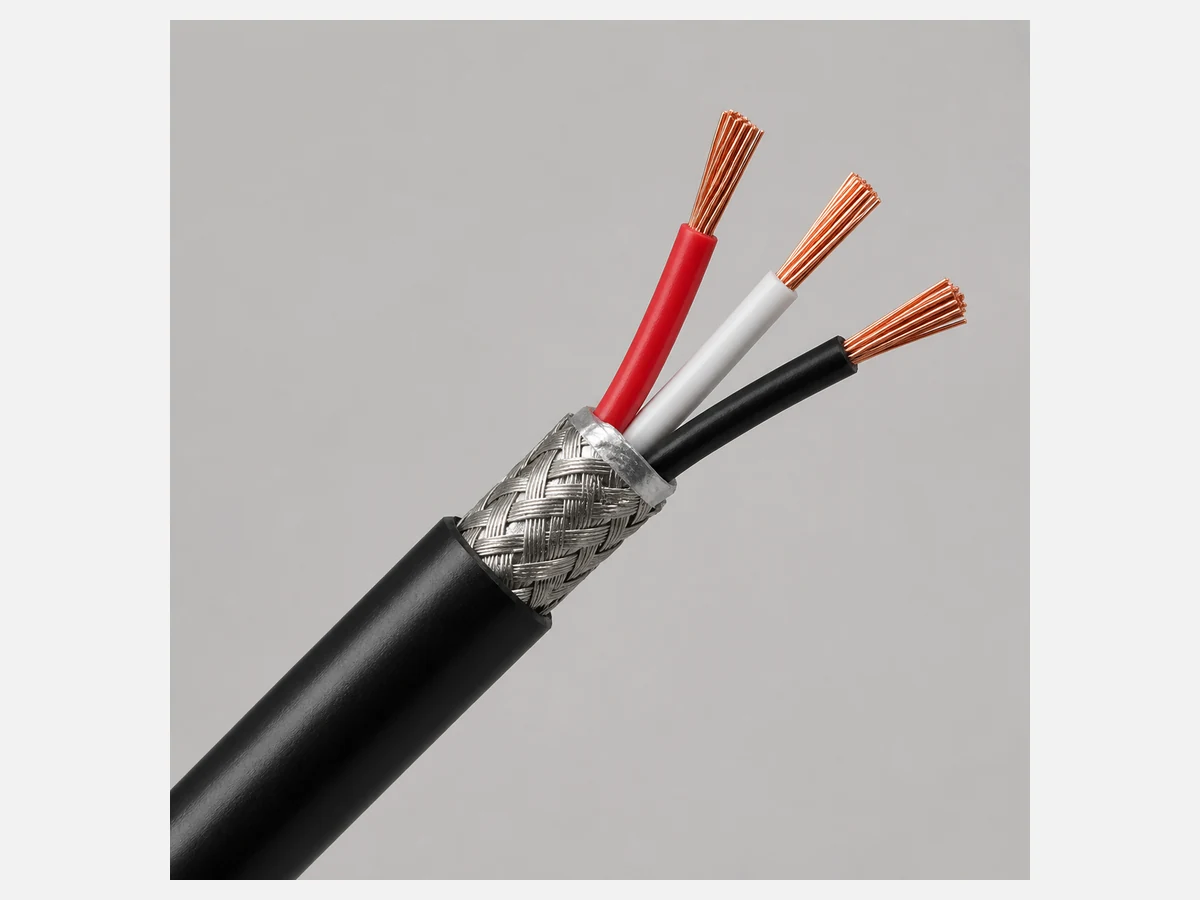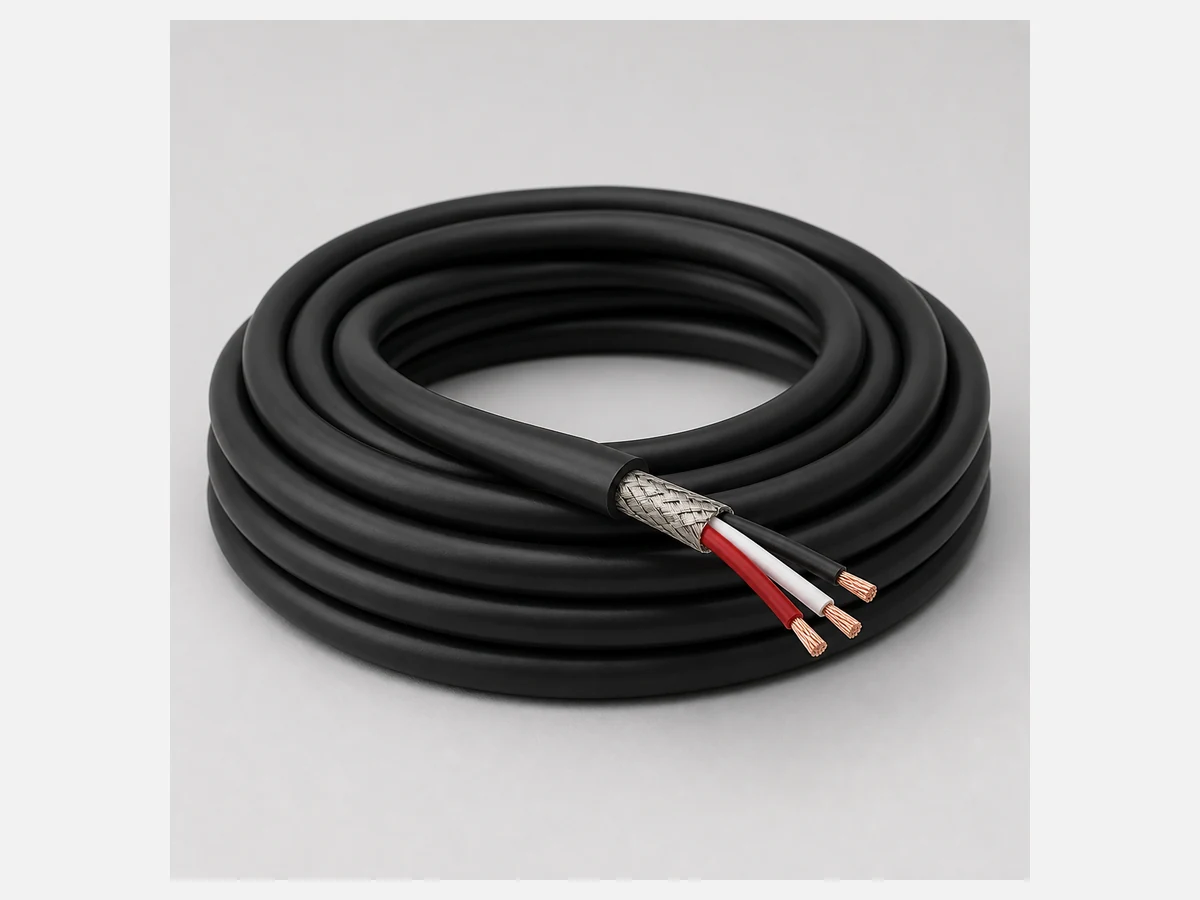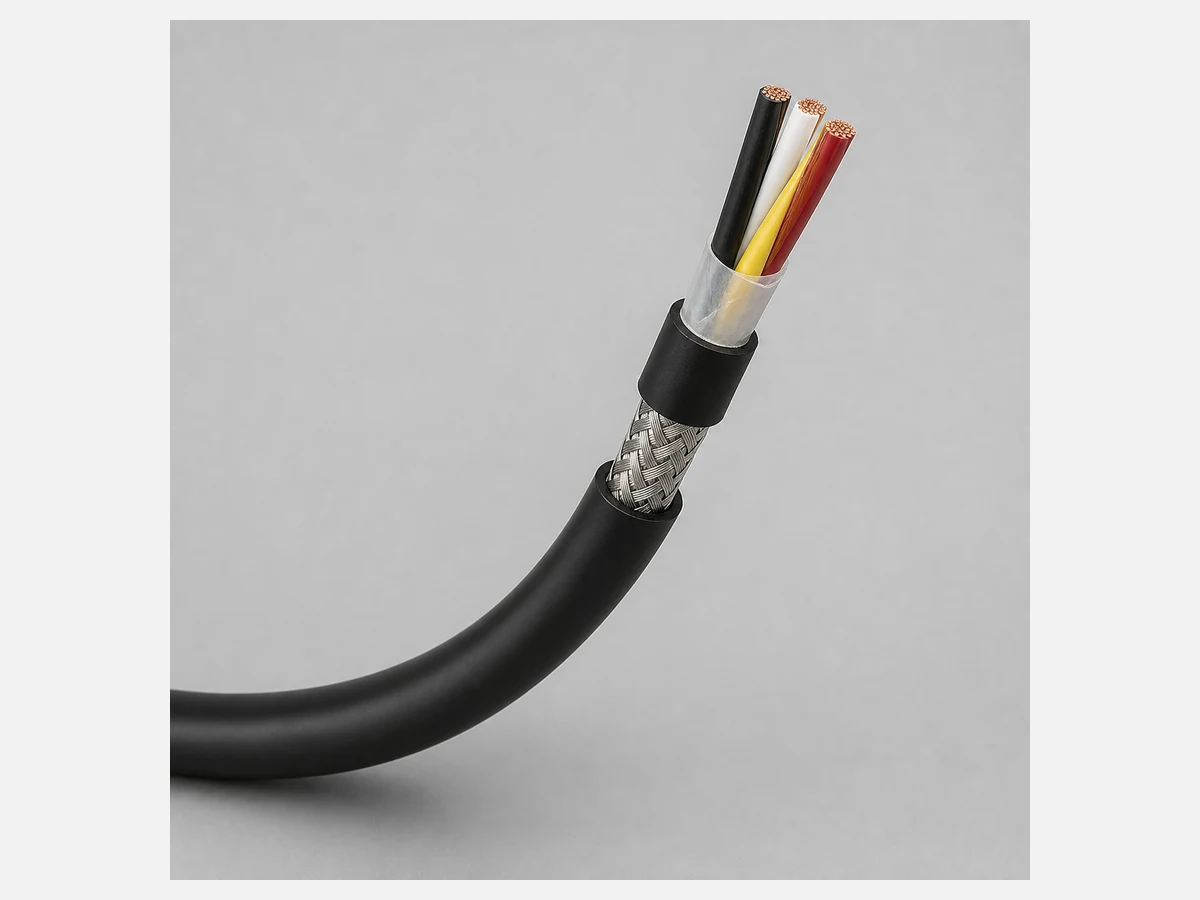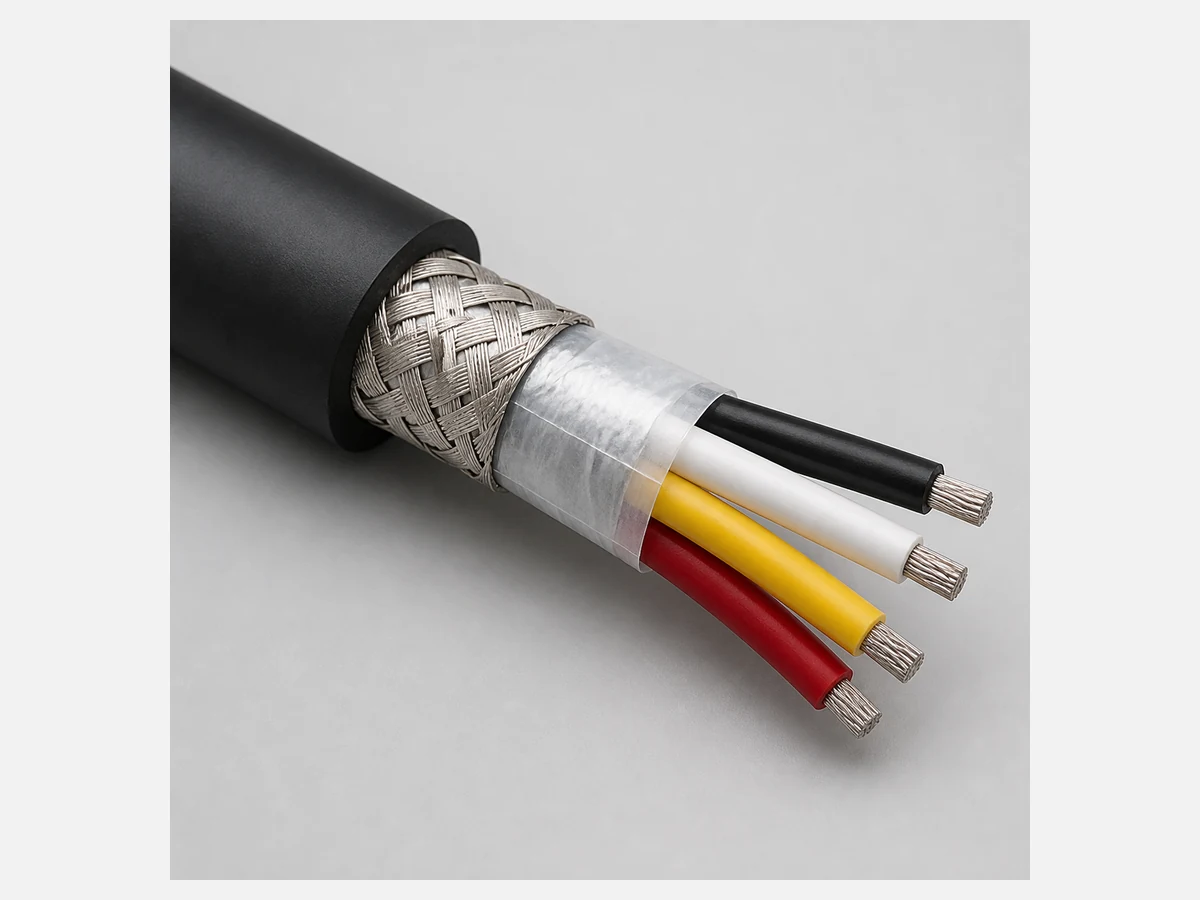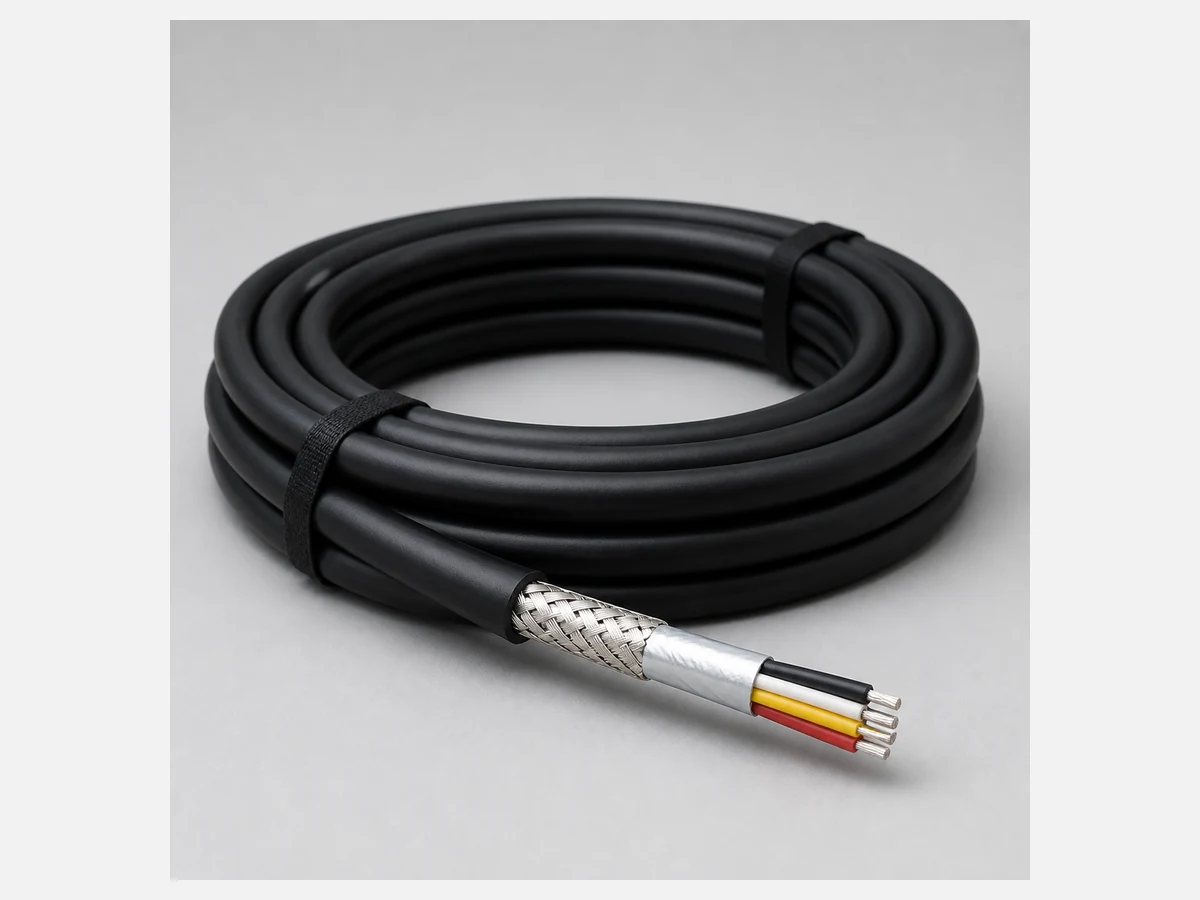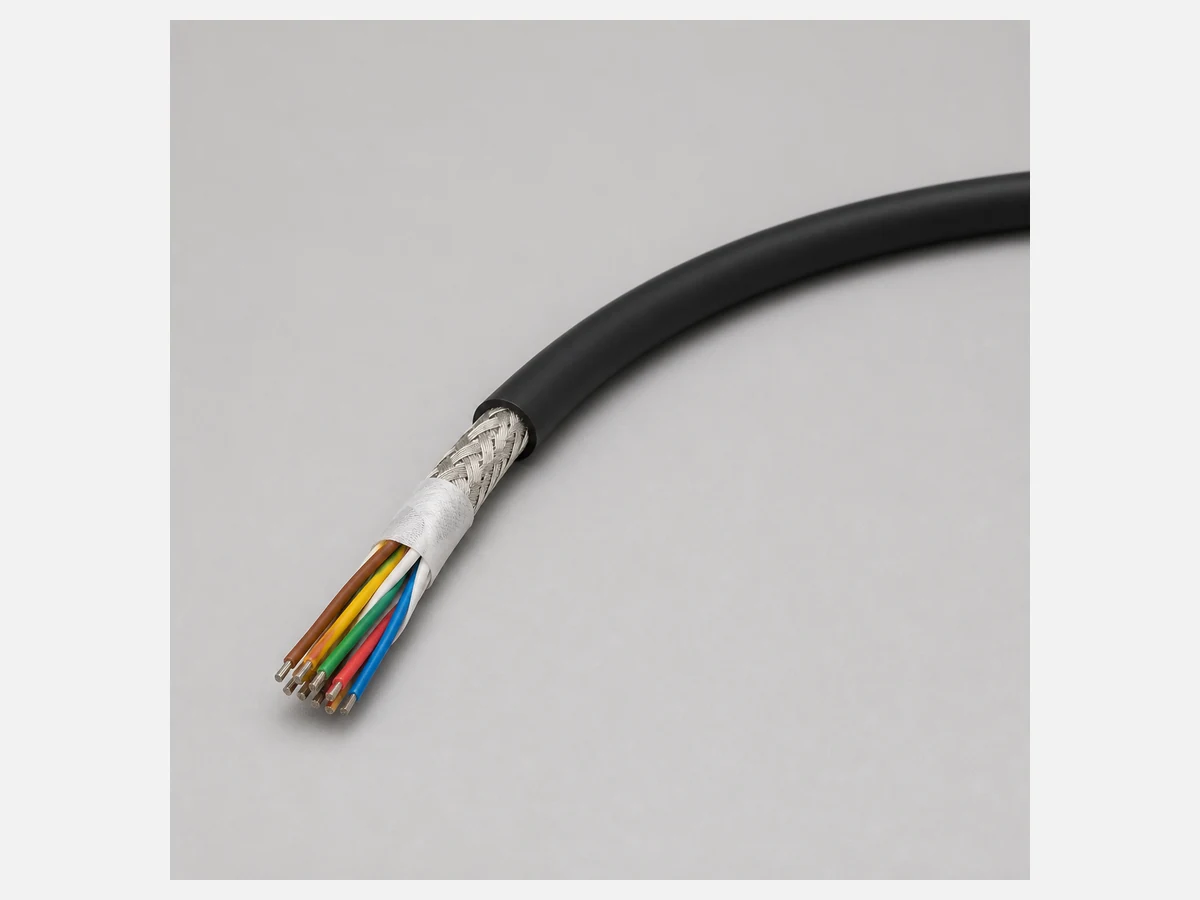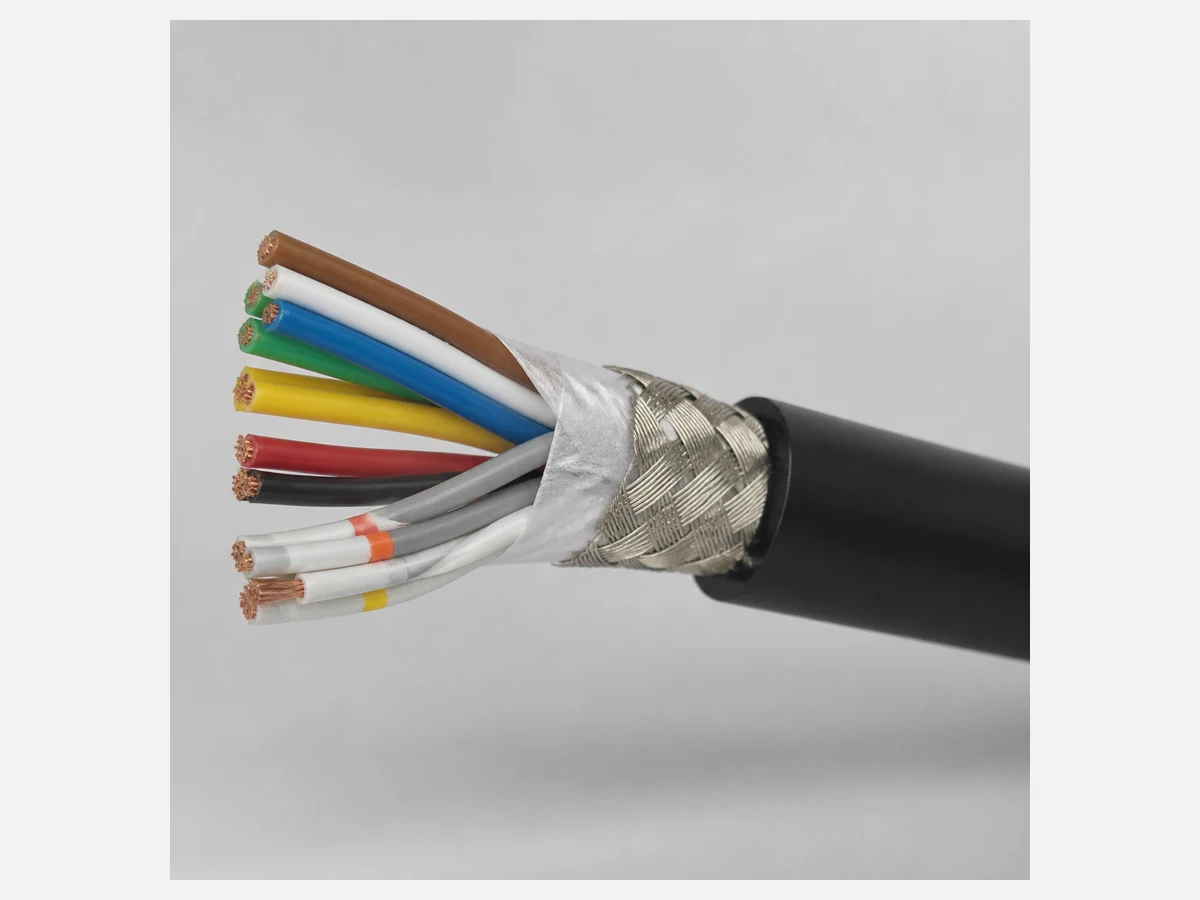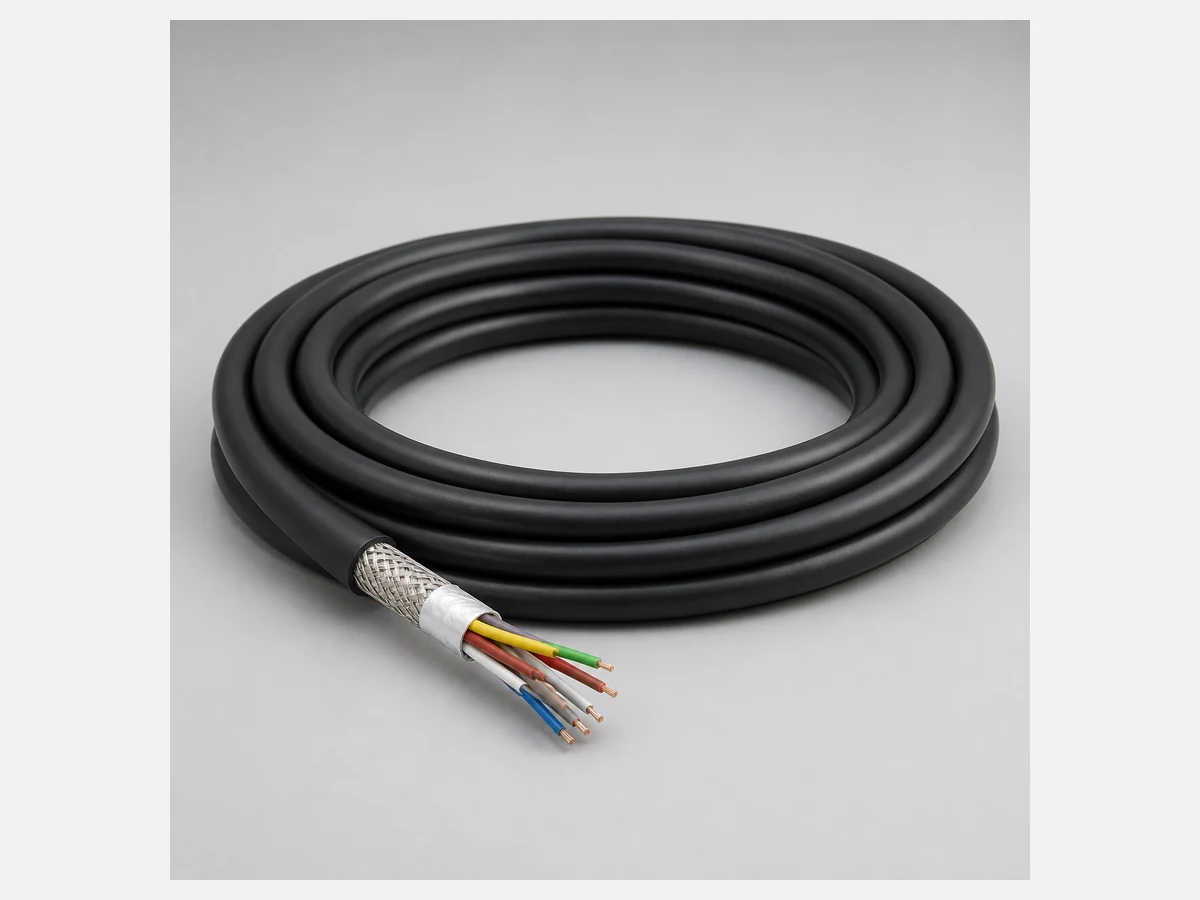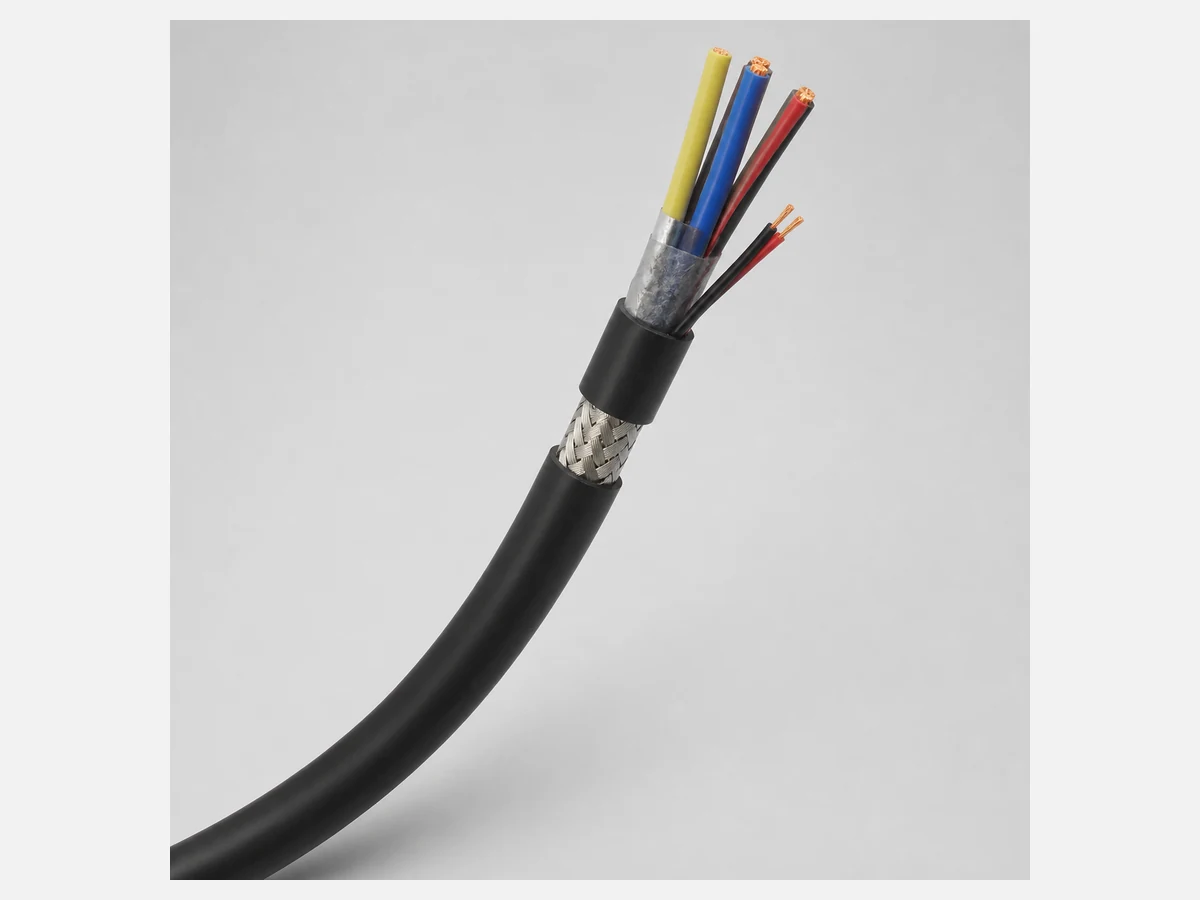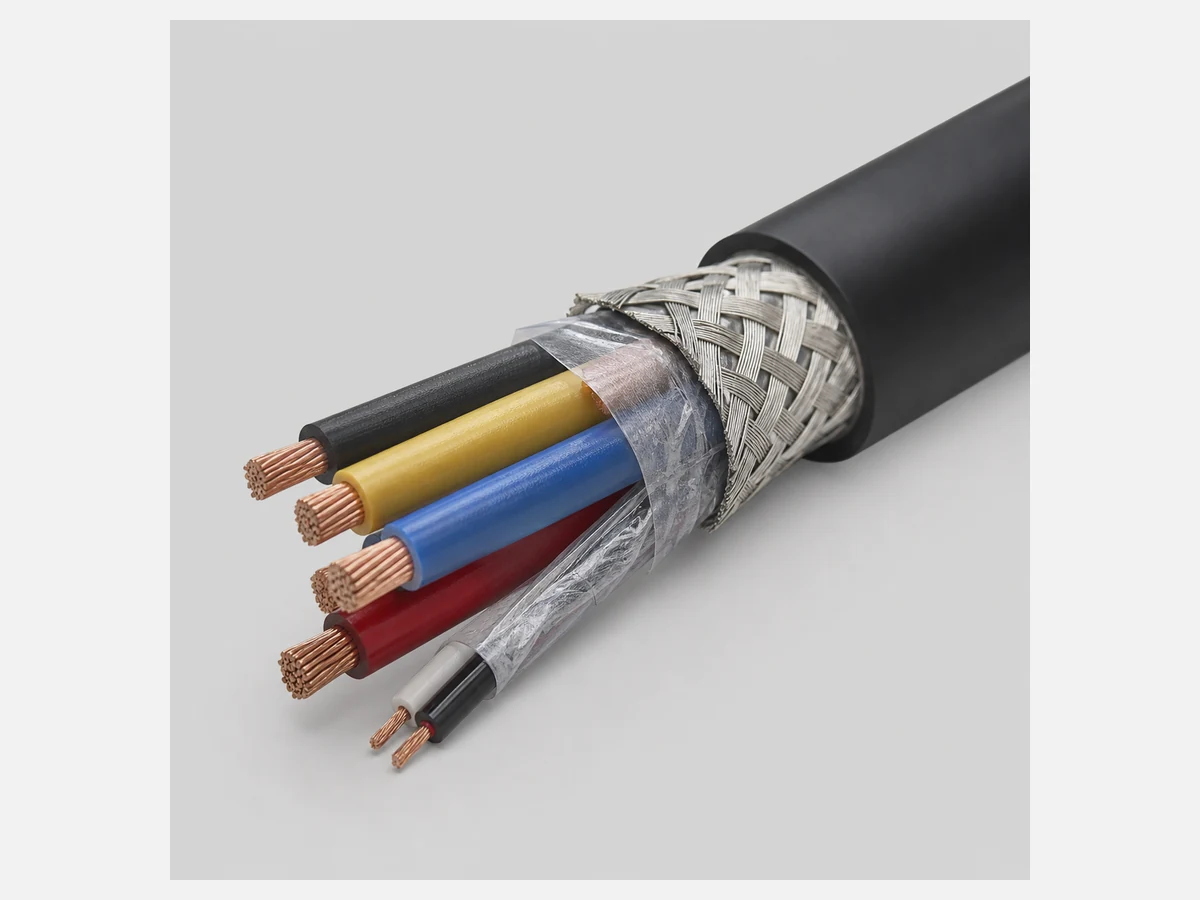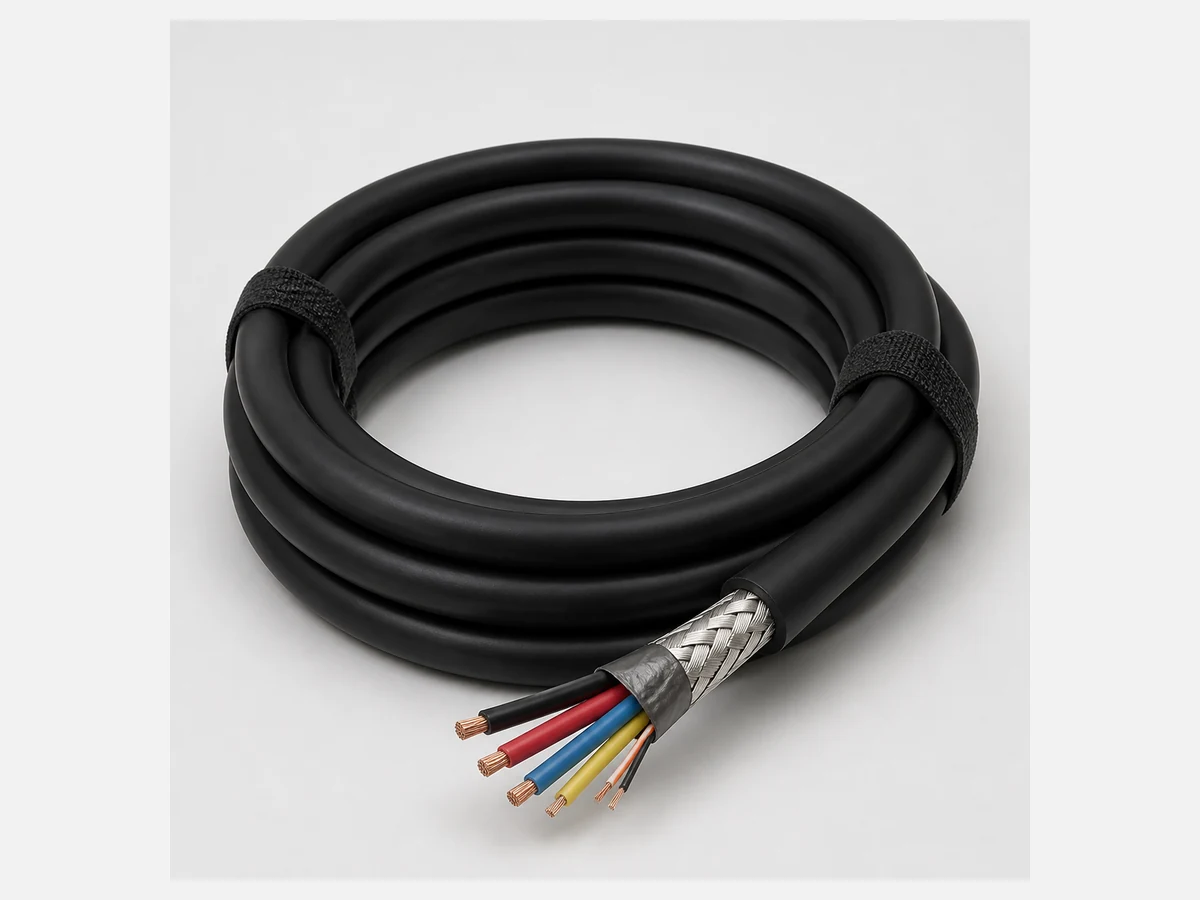
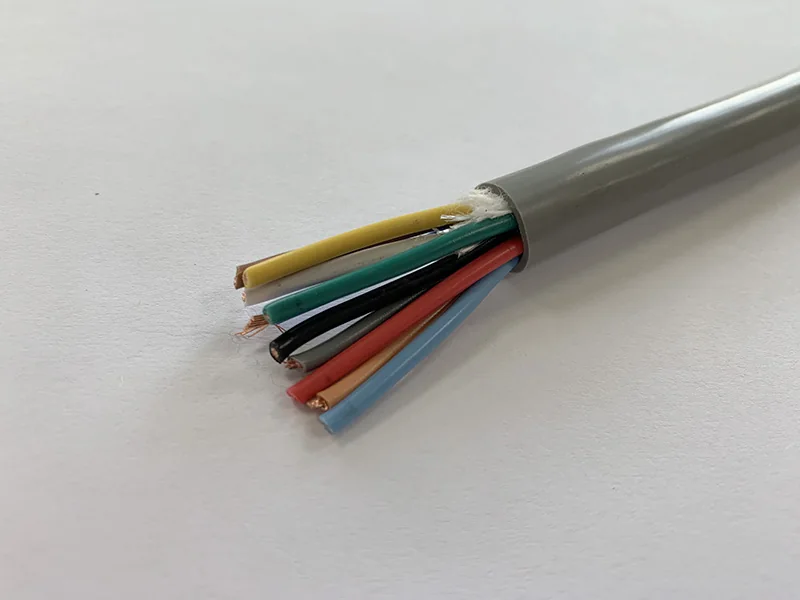
Cables manufactured to an applicable national standard give engineering buyers a defined basis for comparing construction, electrical performance, dimensions and testing. Their practical value comes from consistent production and correct application—not simply from printing a standard number on the jacket.
Defined Technical Requirements
Different GB and GB/T standards cover different cable families. GB/T 3956 addresses conductors of insulated cables, while the GB/T 12706 series applies to specified extruded-insulation power cables. Other standards cover flexible cords, fire performance and specialized products. Correct selection begins with the full cable designation, rated voltage and relevant standard edition.
Consistent Conductors and Insulation
Standardized conductor requirements help control construction and resistance for the relevant conductor class. Insulation and sheath requirements may define material performance, minimum thickness, dimensional tolerances and electrical tests. This provides a more useful purchasing baseline than appearance or cable weight alone.
Testing and Traceability
Depending on the product, inspection may include conductor resistance, insulation resistance, voltage testing, dimensions, flame performance and mechanical properties. Cable marking and production records support batch traceability and allow delivered goods to be compared with the approved specification.
Industrial Applications
- Factories and machinery: power, control and equipment connections selected for the electrical load and environment.
- Buildings: fixed wiring and distribution cables matched to installation regulations.
- Transport infrastructure: power and signal cables with project-specific fire and environmental requirements.
- Energy systems: cables selected by voltage, current capacity, installation method and temperature.
- Automation: standard power cables combined with specialized continuous-flex, encoder and network cables where motion requires them.
Environmental and Fire Performance
Oil resistance, abrasion resistance, low-smoke behavior, flame retardancy and fire resistance are separate properties. They should only be claimed when included in the applicable product specification and supported by relevant test evidence.
Benefits for B2B Procurement
A clear standard and drawing reduce ambiguity in quotations, sampling and final inspection. Importers and OEM buyers can specify conductor material, cross-section, insulation, sheath, voltage, markings, reel length and acceptance tests in a measurable form.
Conclusion
National-standard cables can improve procurement control and installation reliability when the correct standard is matched to the actual application. Manufacturer capability and product-level evidence remain essential.
Explore our cable product range and best-selling solutions, or contact us with your drawing, quantity and operating conditions.