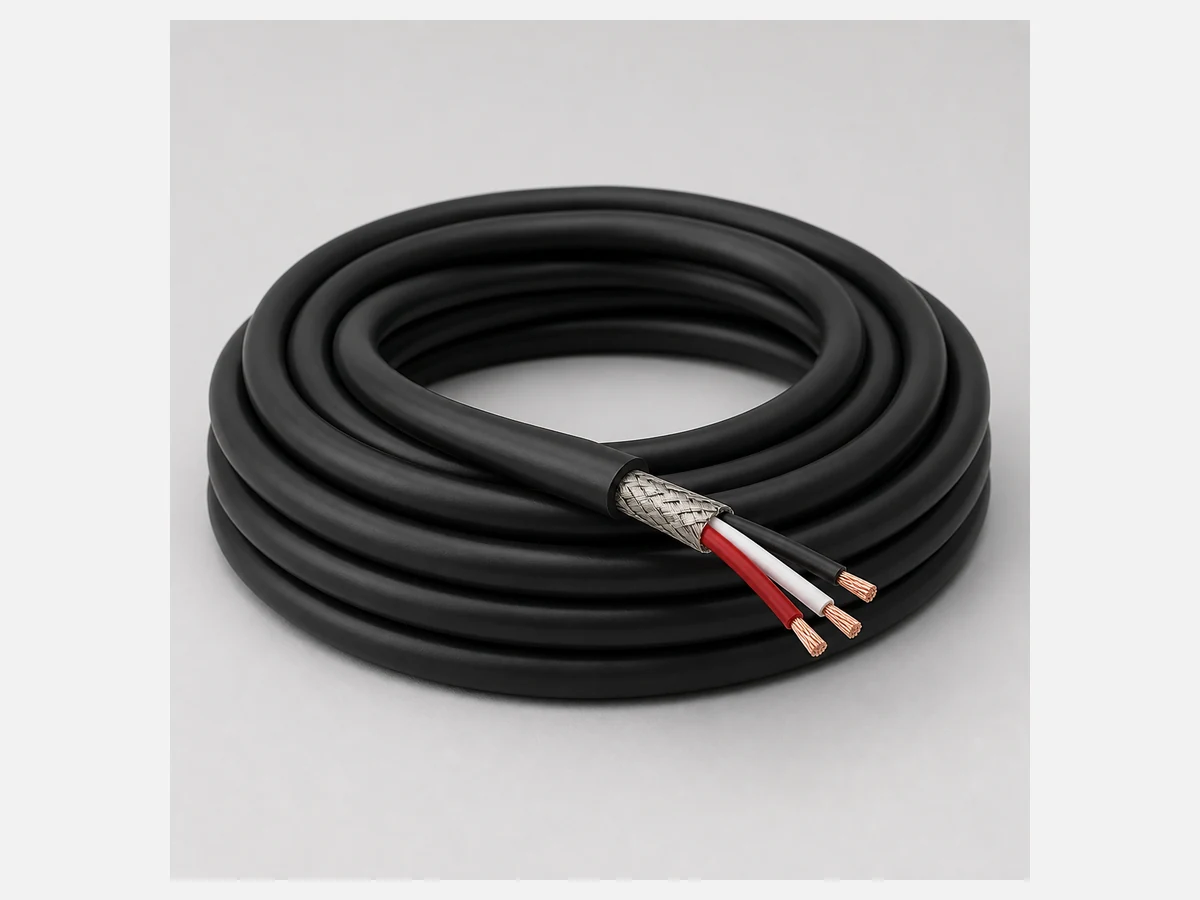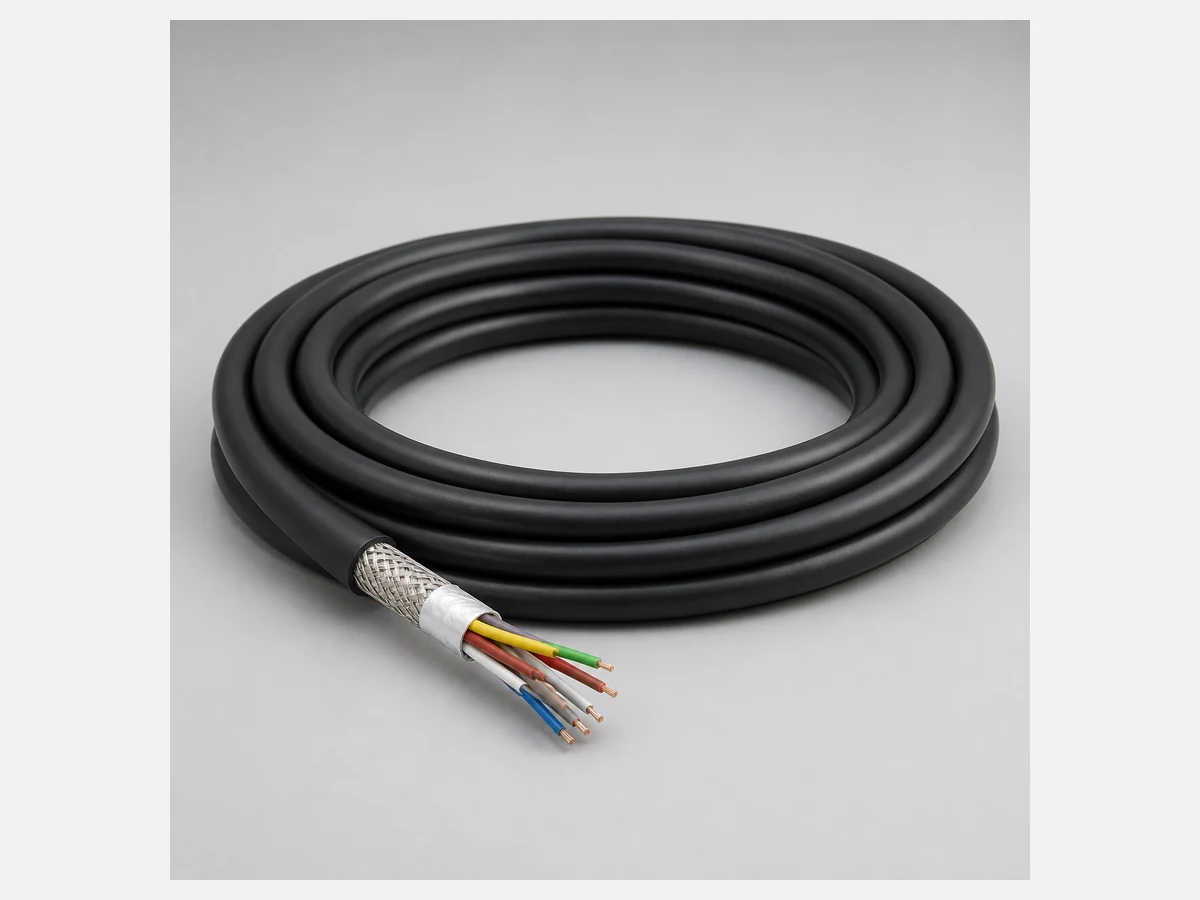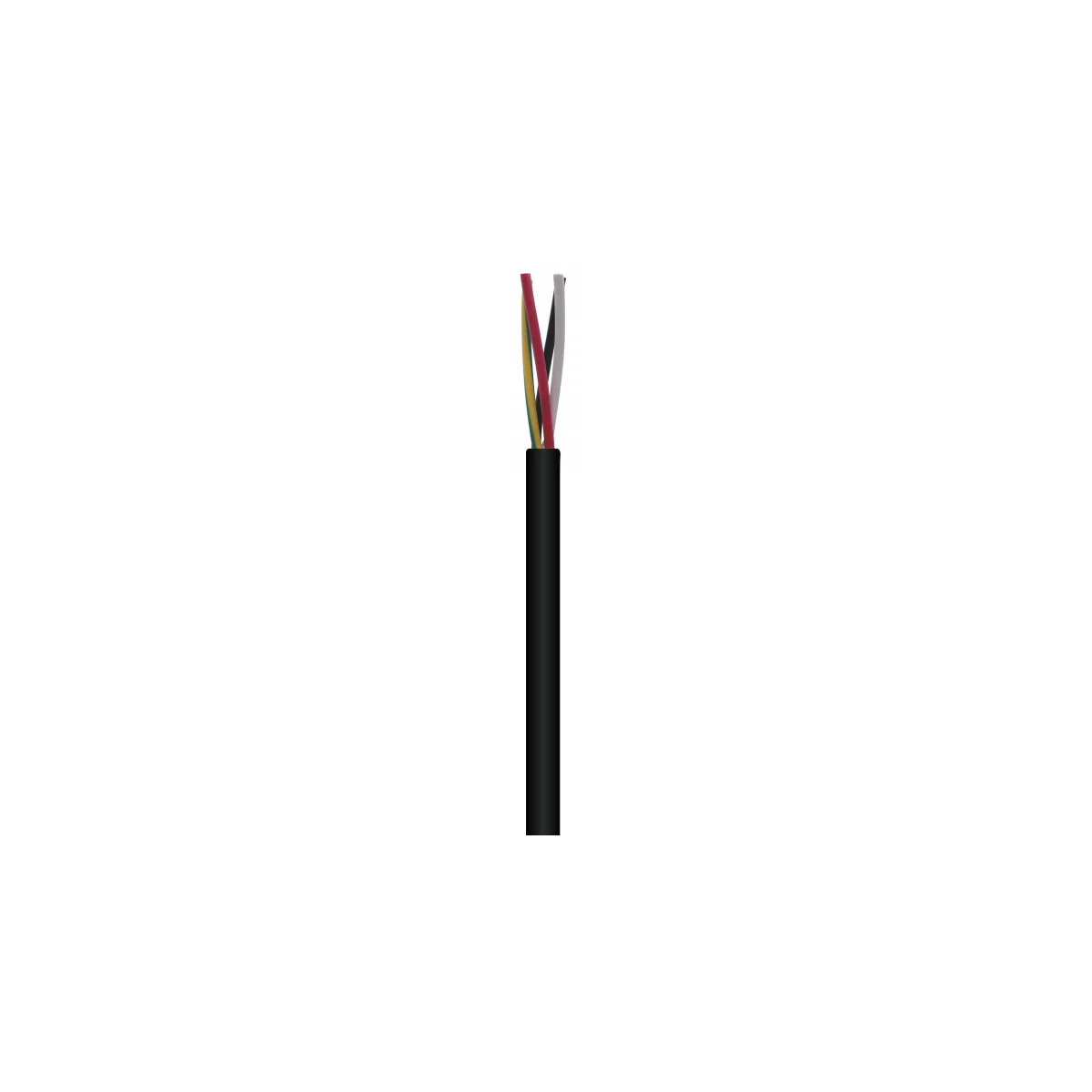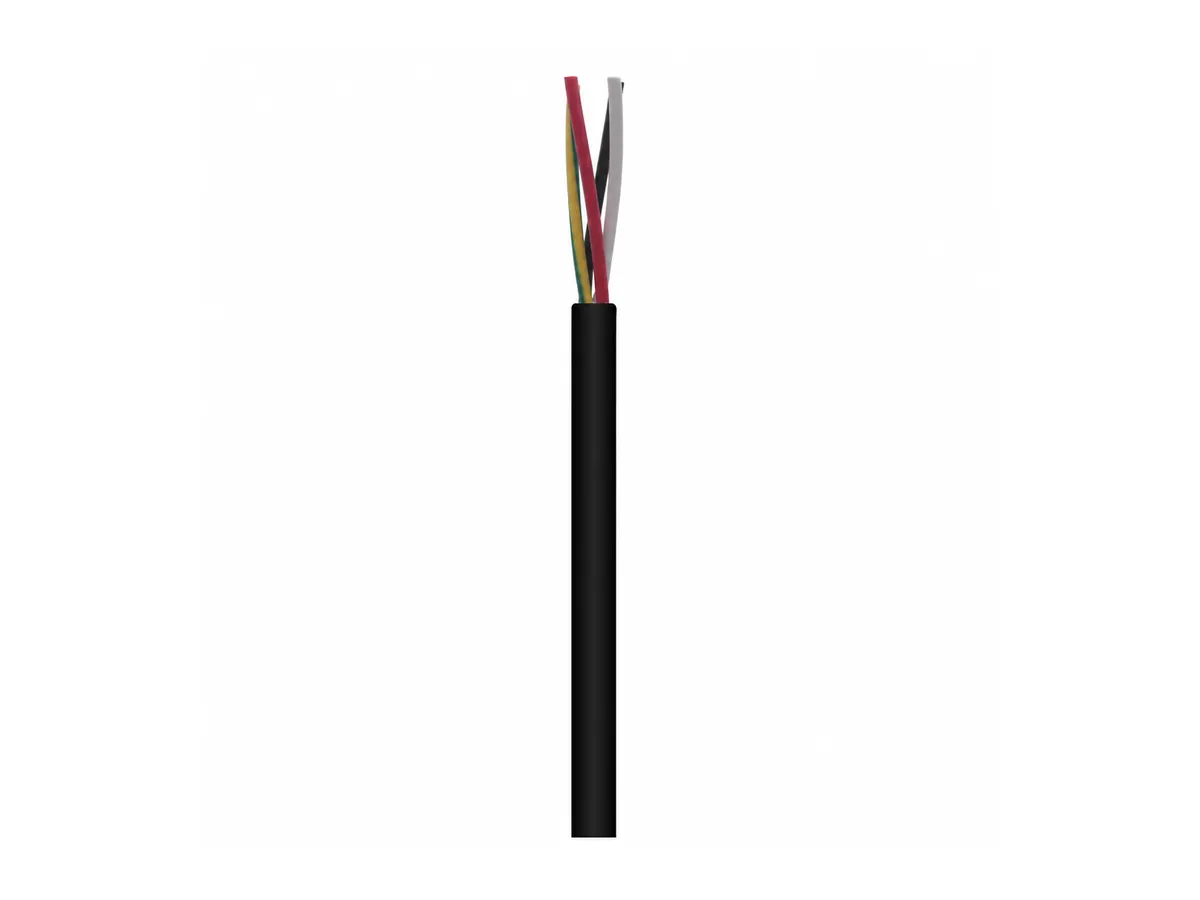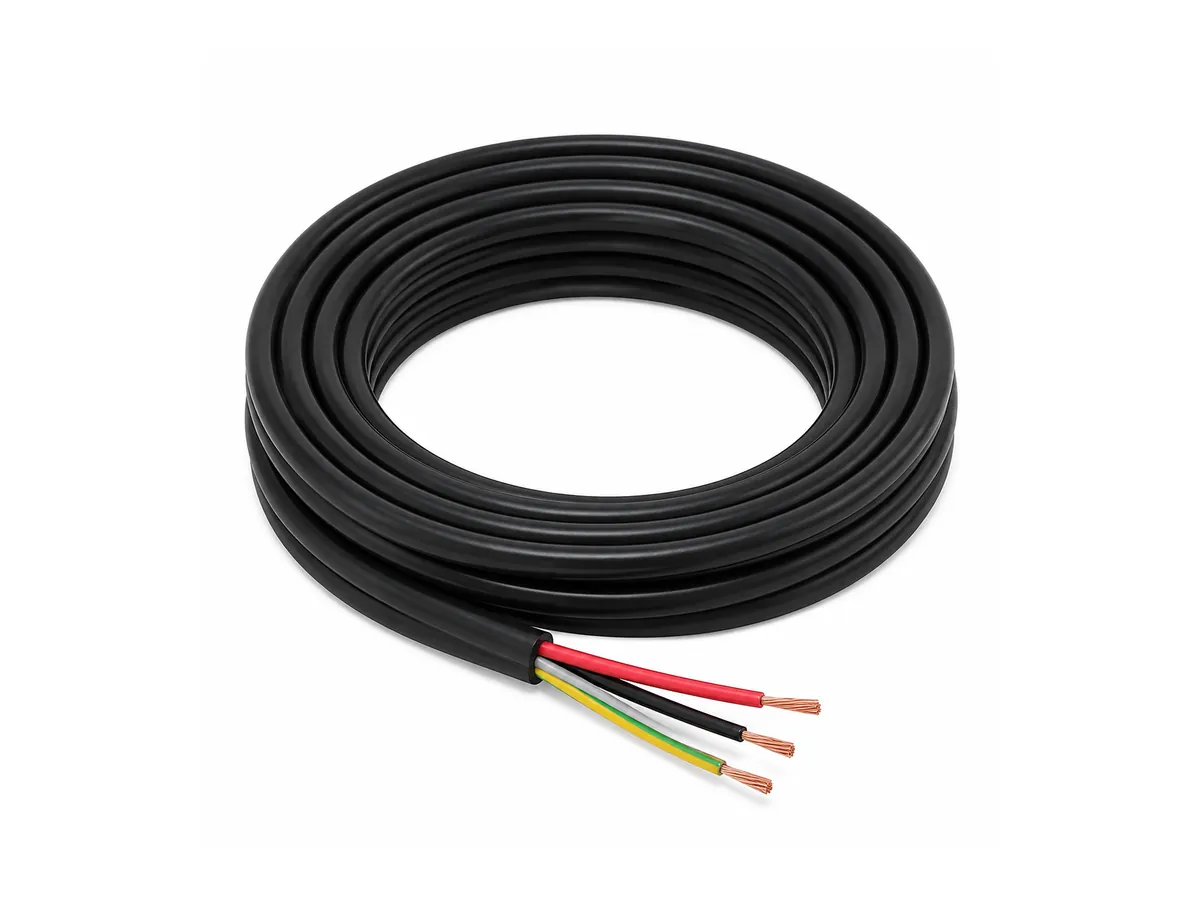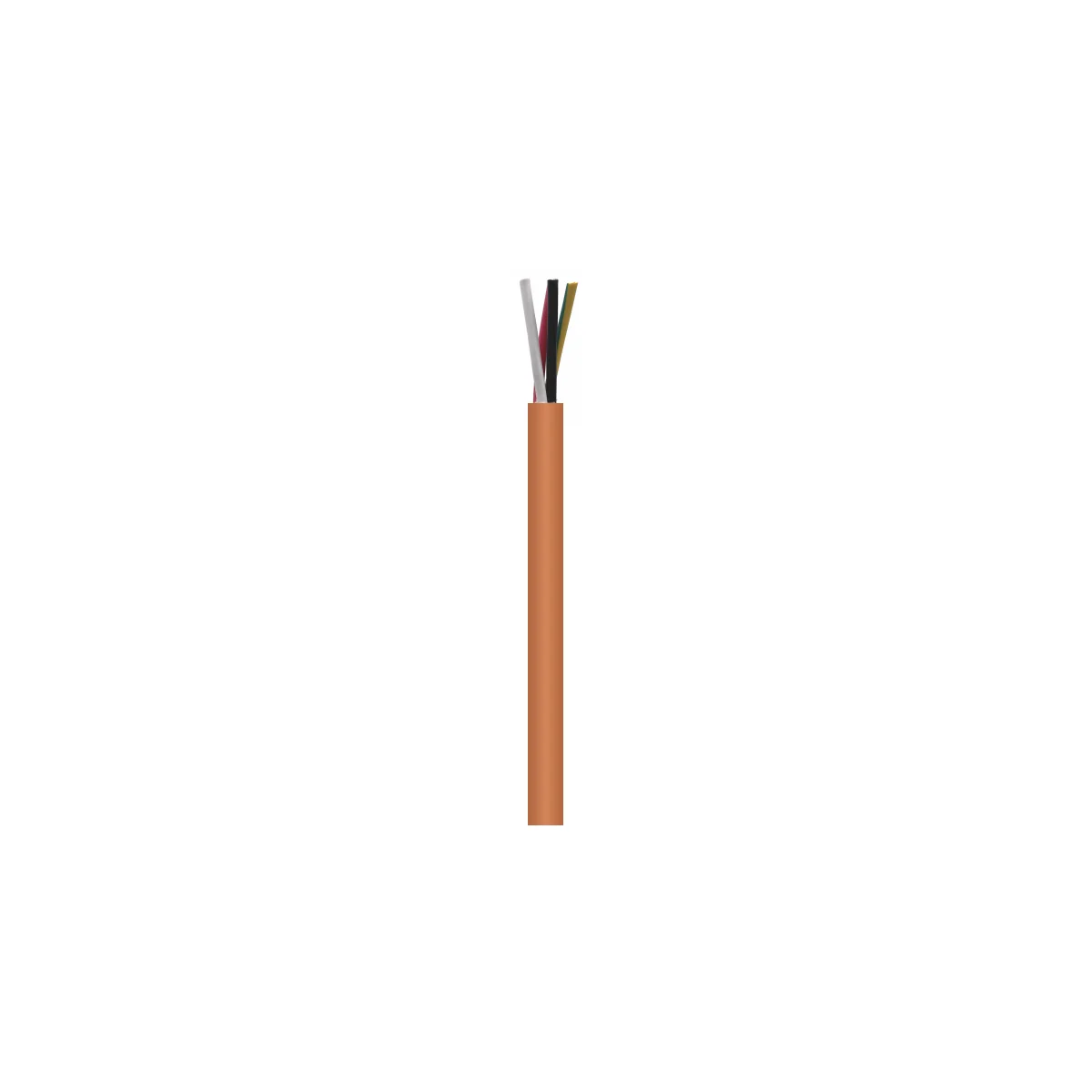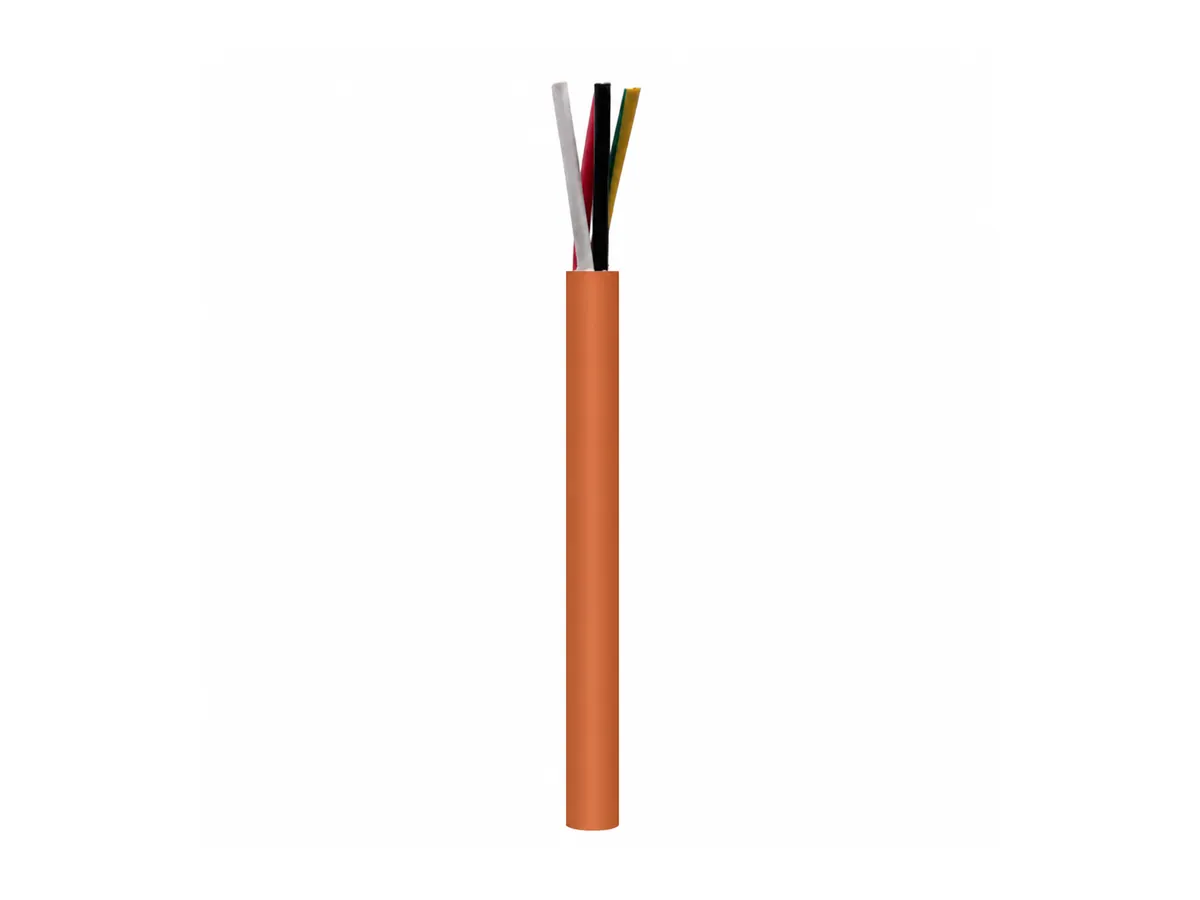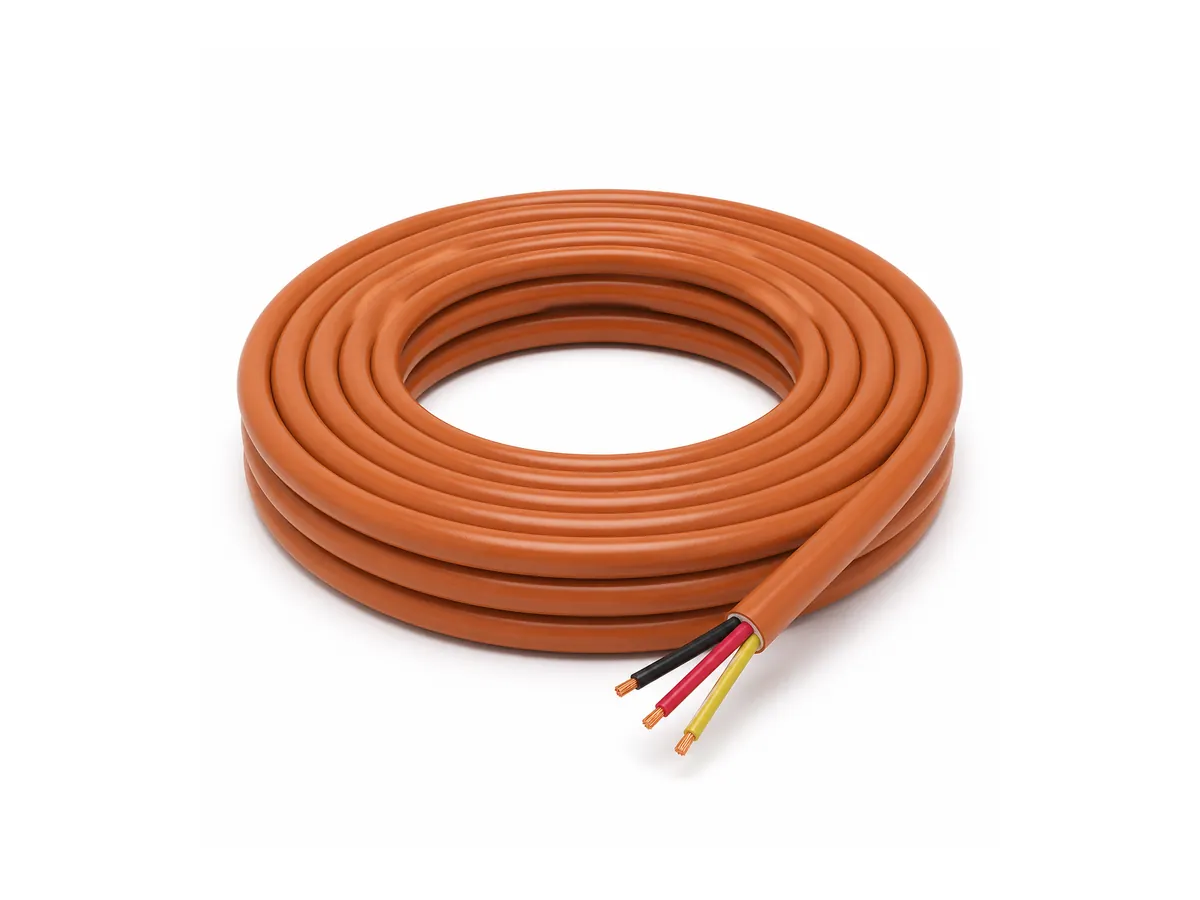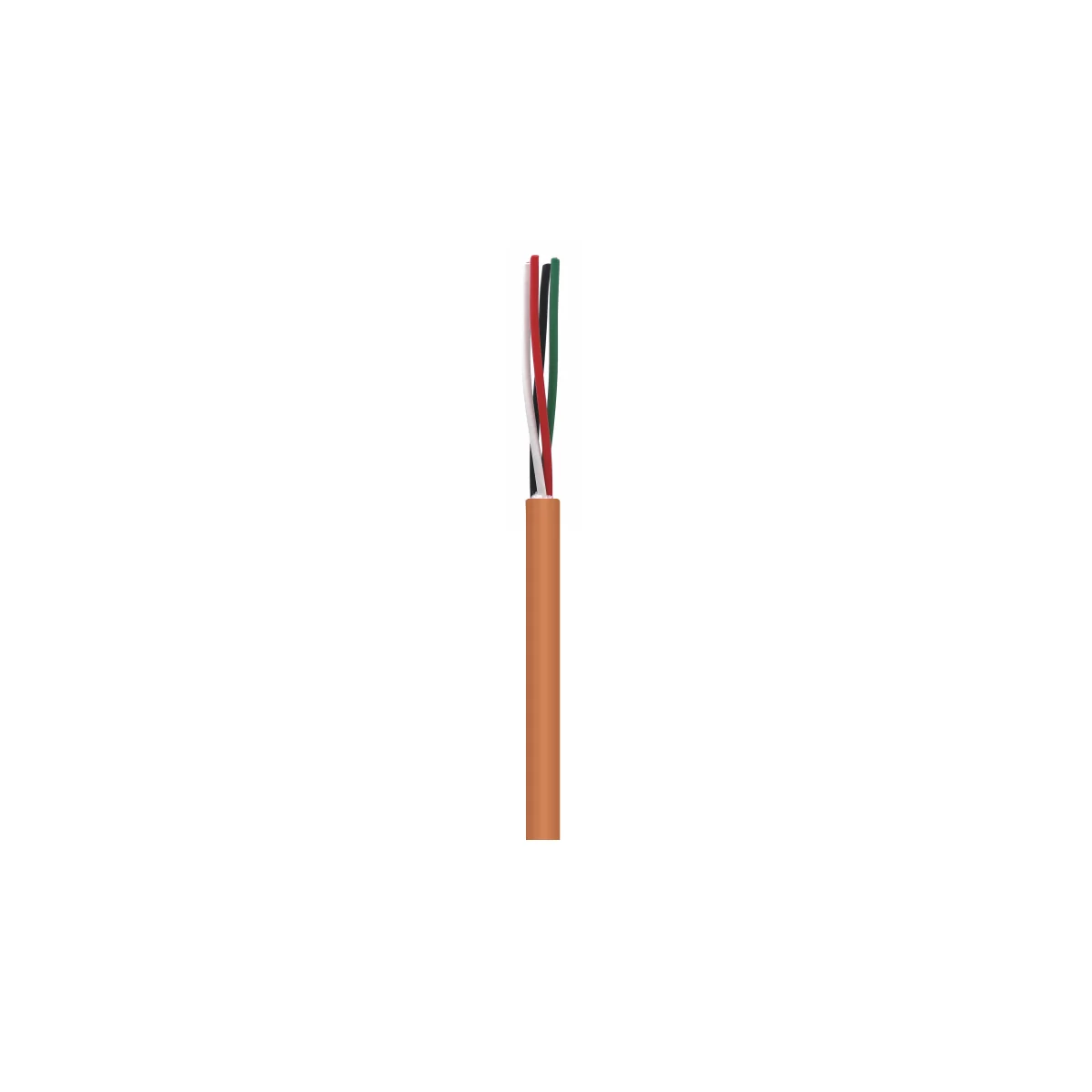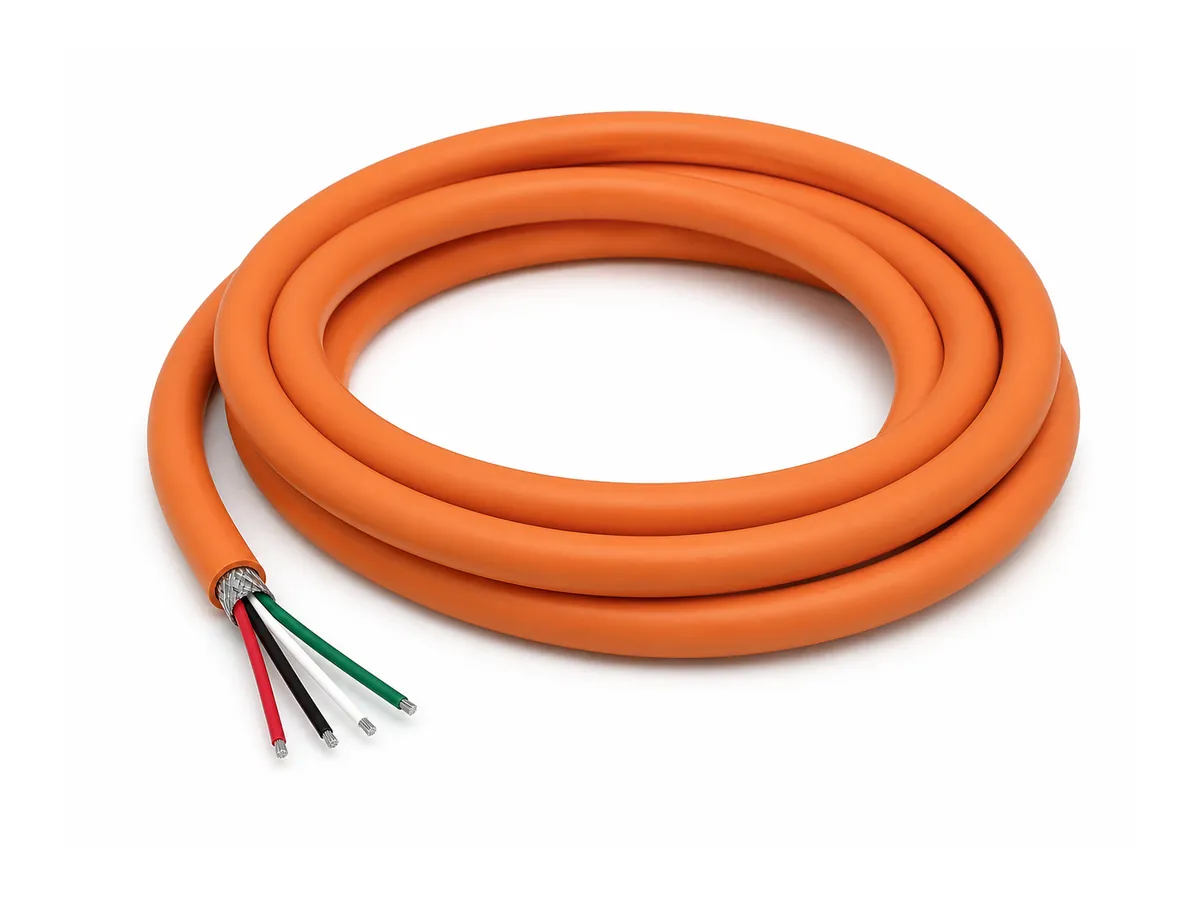
A power cable carries electrical energy between a source, distribution point and load. Power cables range from small flexible equipment connections to large fixed-distribution cables, so there is no single universal construction.
Basic Power Cable Construction
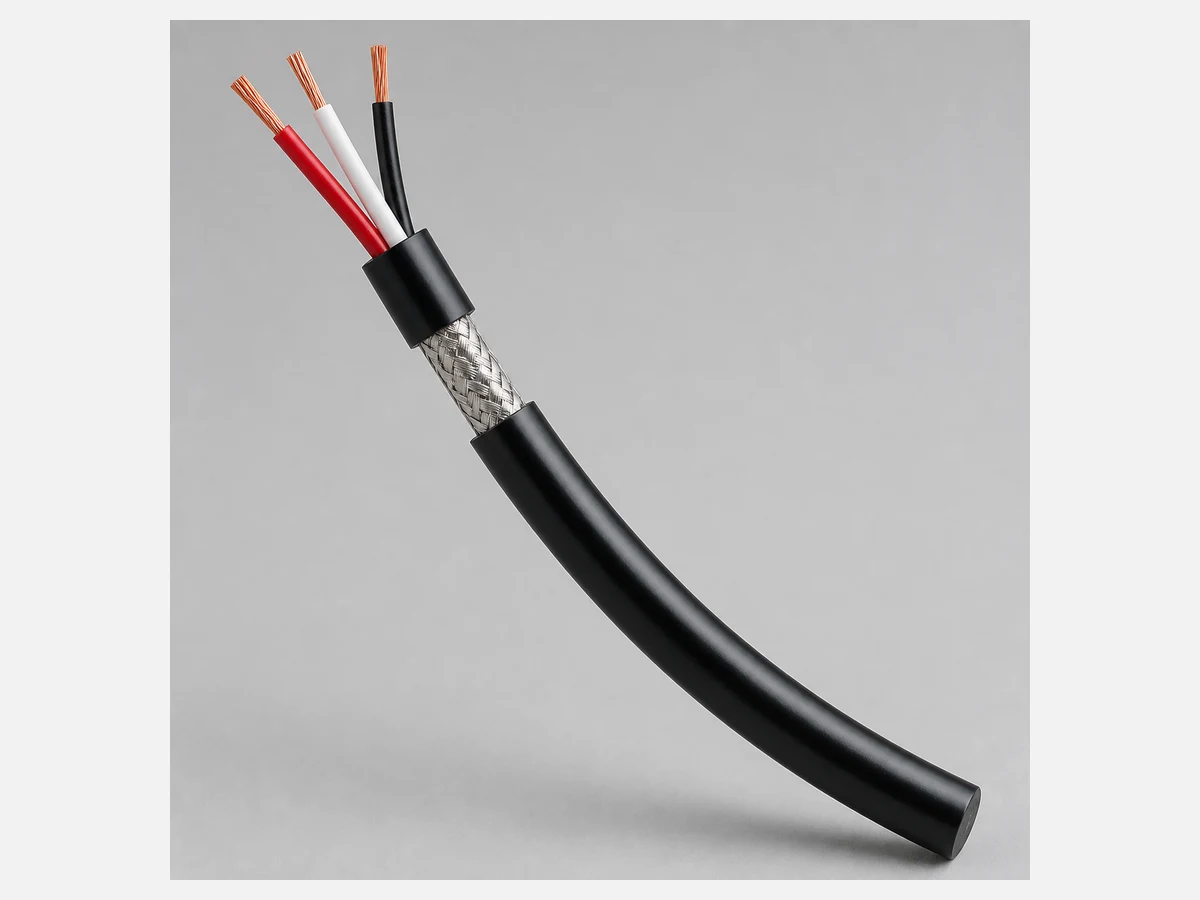
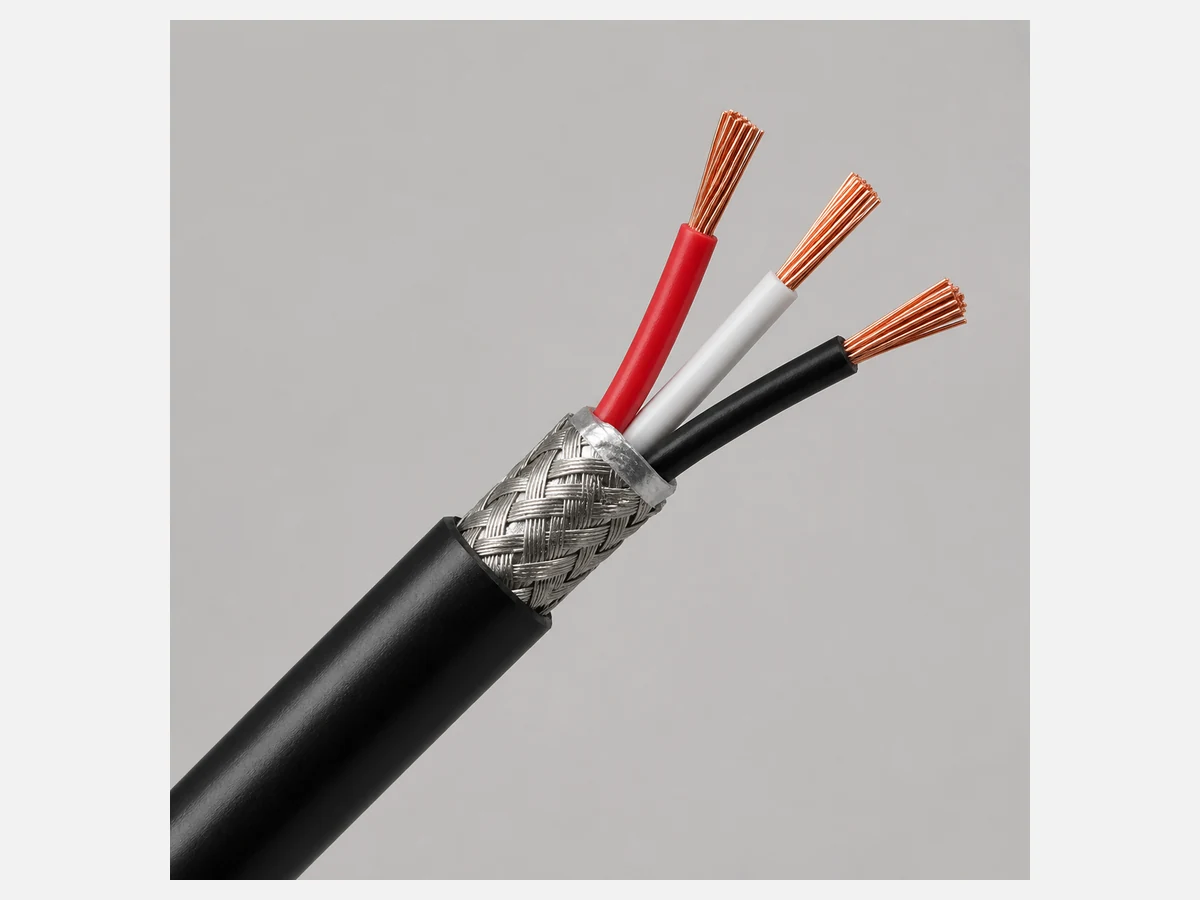
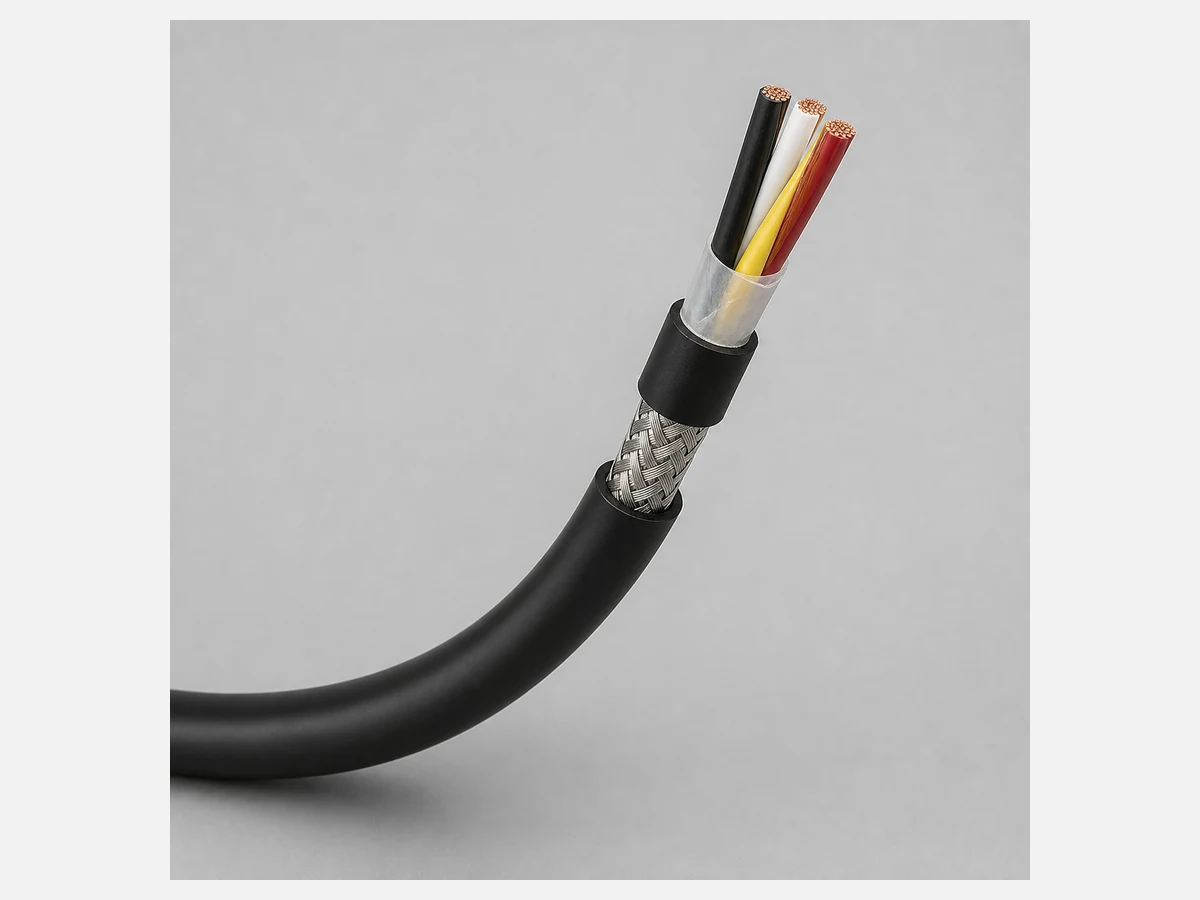
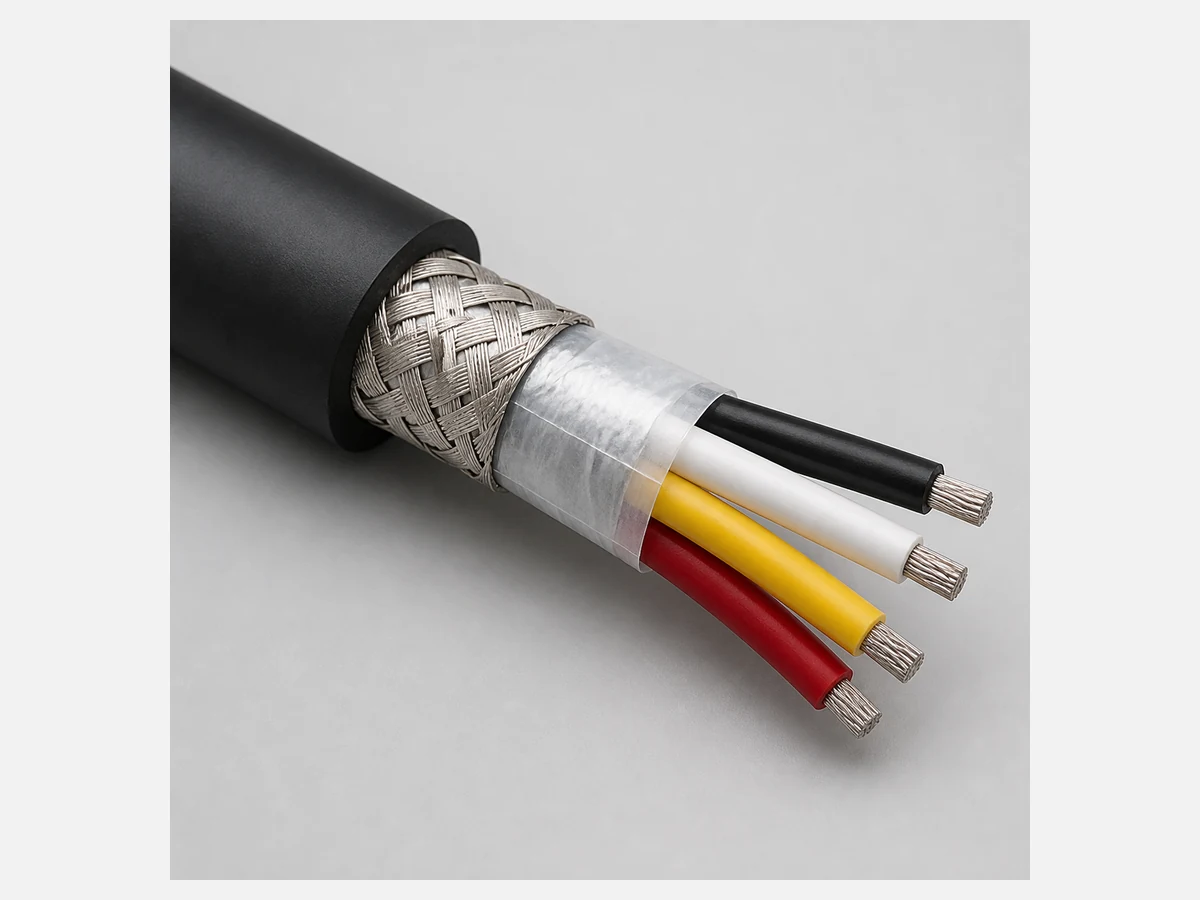
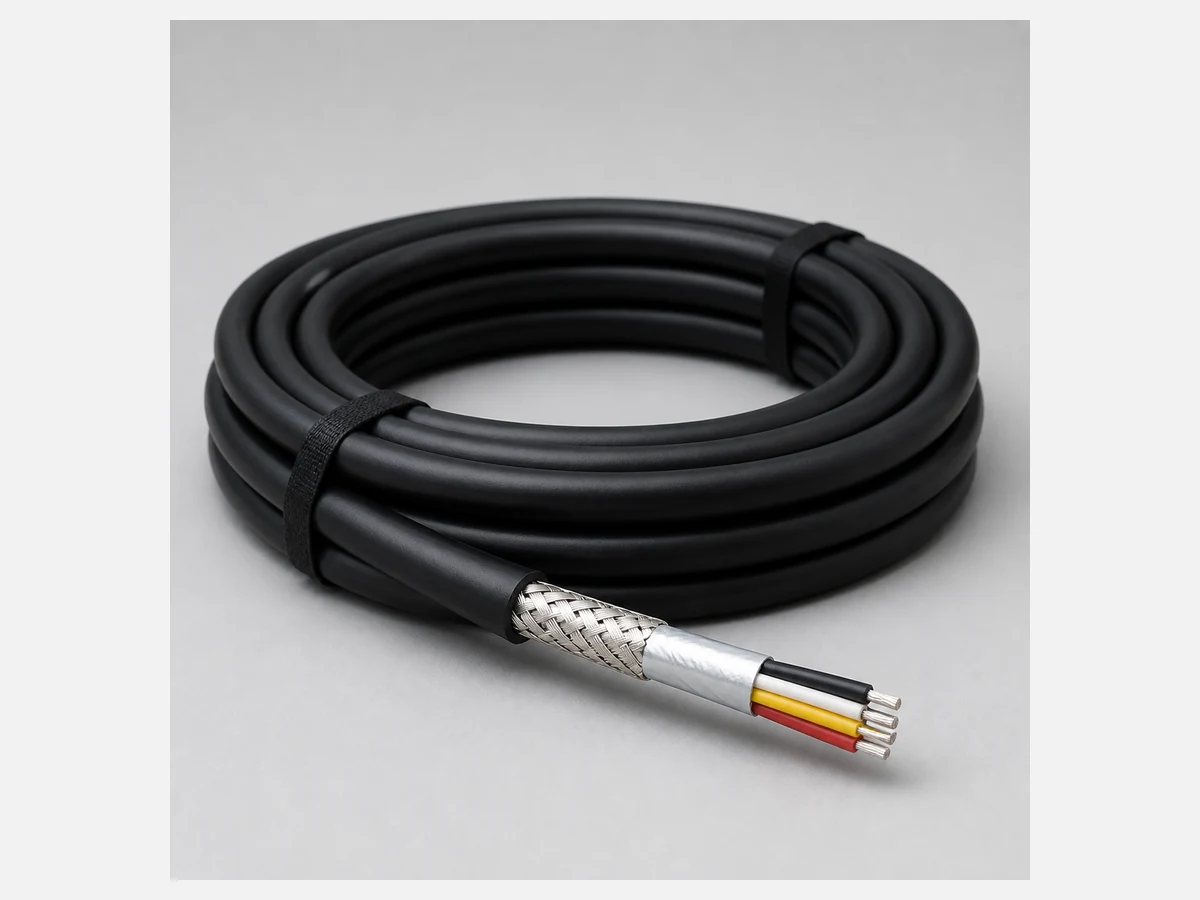
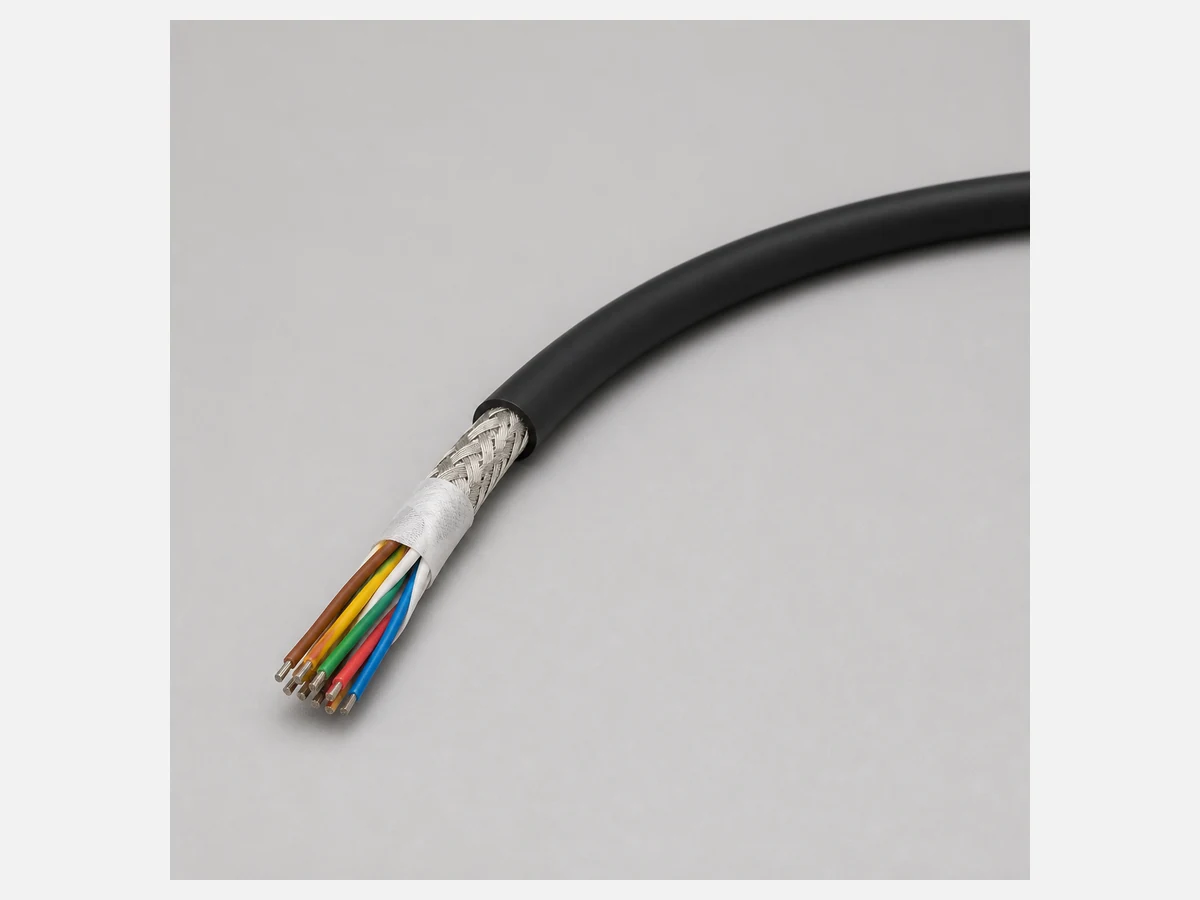
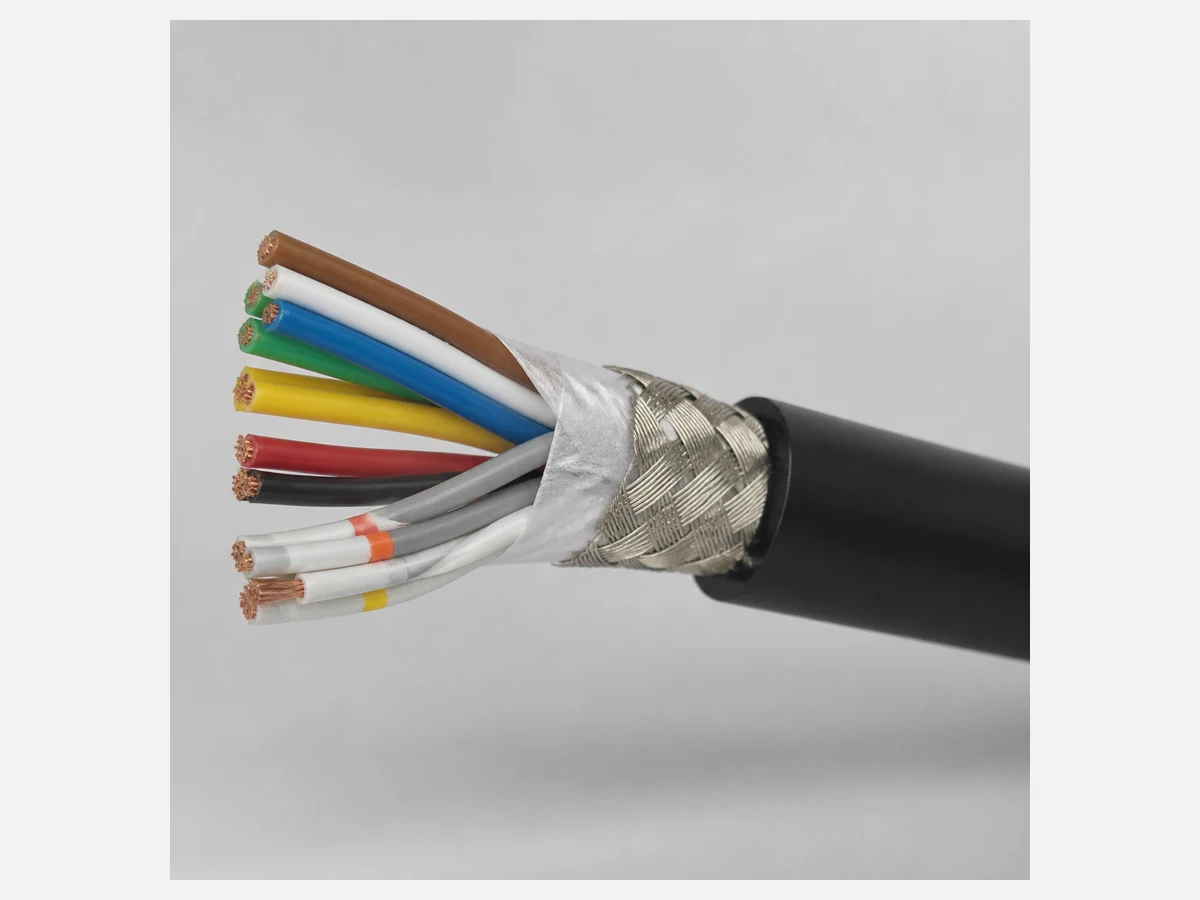
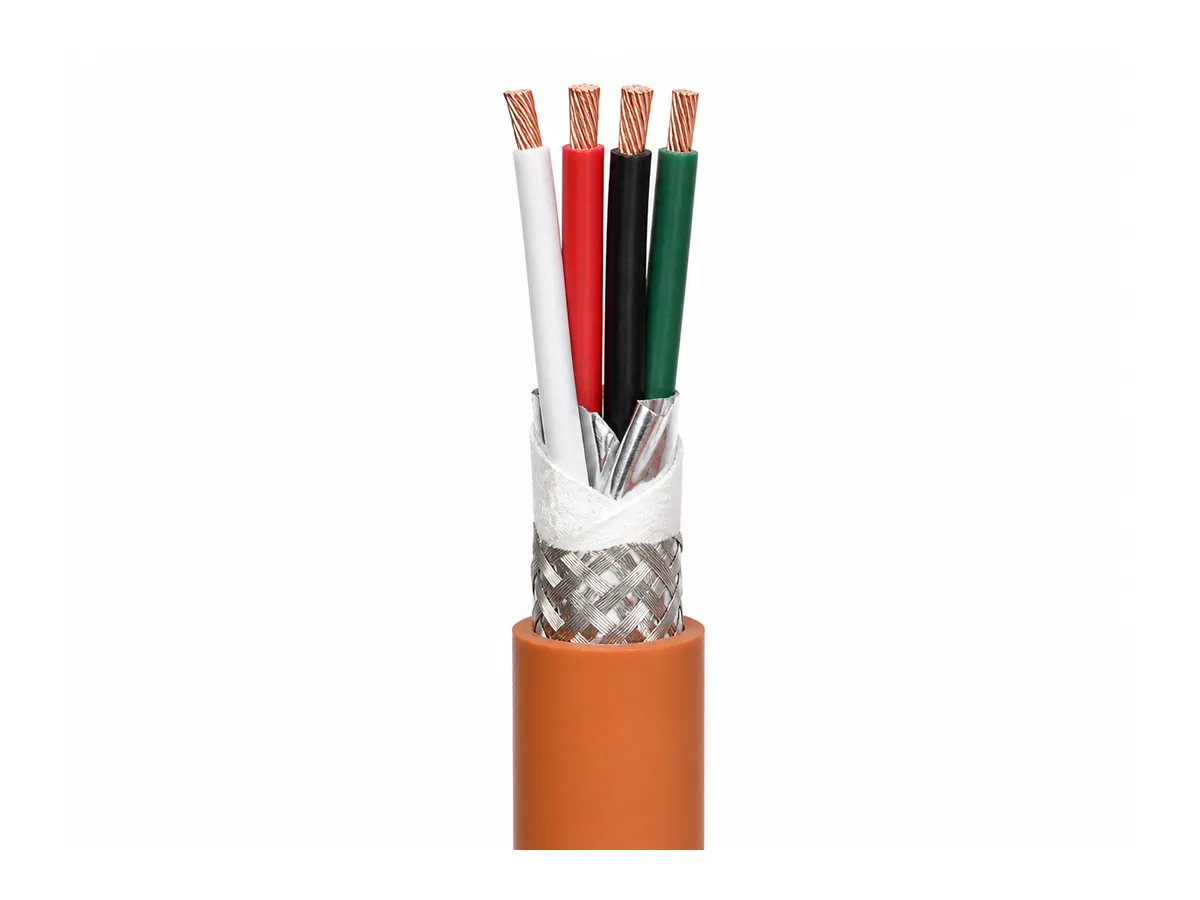
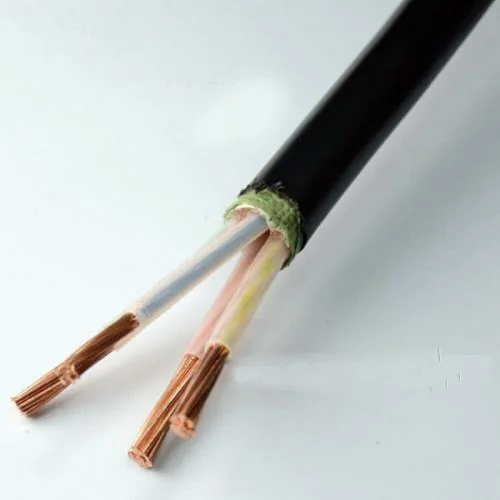
The main elements are the conductor, insulation and protective covering. Multicore designs may also contain fillers, wrapping, an inner sheath, metallic shielding or armor. The selected construction depends on voltage, current, installation method and mechanical environment.
Conductor
Copper and aluminum are widely used conductor materials. The conductor class and strand construction determine whether the cable is intended for fixed installation, general flexibility or repeated movement. Cross-sectional area must be selected from electrical load calculations and applicable rules.
Insulation
Insulation separates energized conductors and withstands the specified electrical stress. PVC, XLPE, rubber and other compounds serve different voltage and environmental requirements. Material selection should follow the approved cable standard and application.
Sheath, Shield and Armor
The outer sheath protects against handling and the service environment. Metallic screens can manage electric fields or interference in certain designs, while armor may provide mechanical protection. Not every power cable is armored, and armor should not be assumed from conductor size.
Typical Applications
- Industrial machinery and production equipment
- Building power distribution
- Motors, pumps, cranes and material-handling systems
- Energy and infrastructure projects
- Flexible or drag-chain power connections where specifically designed
Common Causes of Power Cable Failure
Mechanical damage: excessive pulling force, impact, crushing, incorrect bend radius or poor termination can damage conductors and insulation.
Overheating: overload, unsuitable conductor size, poor connections or inadequate heat dissipation can accelerate insulation aging.
Moisture: damaged sheaths, poorly sealed joints and unsuitable installation can allow water to reach the insulation system.
Electrical stress: overvoltage, insulation defects and contamination may lead to partial discharge or breakdown in applicable systems.
Incorrect cable type: using fixed cable in continuous motion or an unsuitable material in oil, heat or sunlight can cause premature failure.
Information Required for Selection
- System voltage, load current and conductor size
- Number of cores and grounding arrangement
- Fixed, flexible or continuous-motion installation
- Ambient temperature and installation method
- Oil, water, sunlight, flame and mechanical requirements
- Applicable standard, certification and test documentation
Maintenance and Condition Monitoring
Inspection practices depend on system voltage and criticality. Visual checks, connection-temperature monitoring, insulation testing and specialized online monitoring may be used by qualified personnel. Maintenance methods should follow the equipment design and applicable safety procedures.
Conclusion
Reliable power cable selection requires the electrical load, installation environment and mechanical duty to be considered together. A detailed specification helps prevent unsafe substitutions and supports consistent production.
Explore our cable product range and best-selling solutions, or contact us with your drawing, quantity and operating conditions.