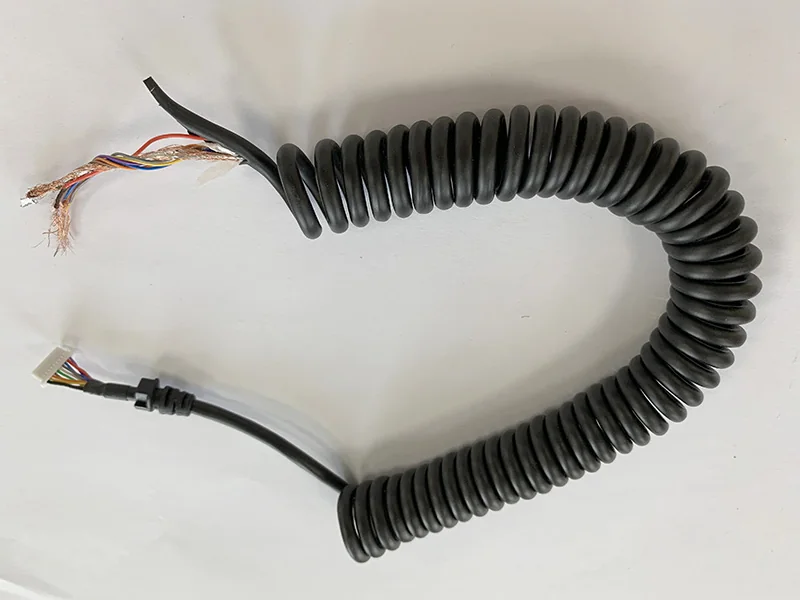
A coiled cable—also called a spiral cable, retractile cord or spring cable—stores part of its length in a helix. It can extend when equipment moves and retract toward its original shape when the load is released, helping manage cable slack in compact work areas.
How a Coiled Cable Works
A straight cable is formed around a mandrel and heat-set under a controlled process. The cable material, conductor construction, coil diameter, pitch and heat-setting parameters influence extension force, recovery and working life. The finished cord normally has straight tails at one or both ends for termination.
Common Jacket Materials
PVC: a practical option for many indoor, moderate-duty applications.
PUR/TPU: often considered where abrasion, oil exposure, toughness or improved elastic recovery is required.
Other compounds: may be selected for temperature, chemicals, flame behavior or special equipment requirements. Actual properties depend on the specific compound and verified product data.
Electrical Constructions
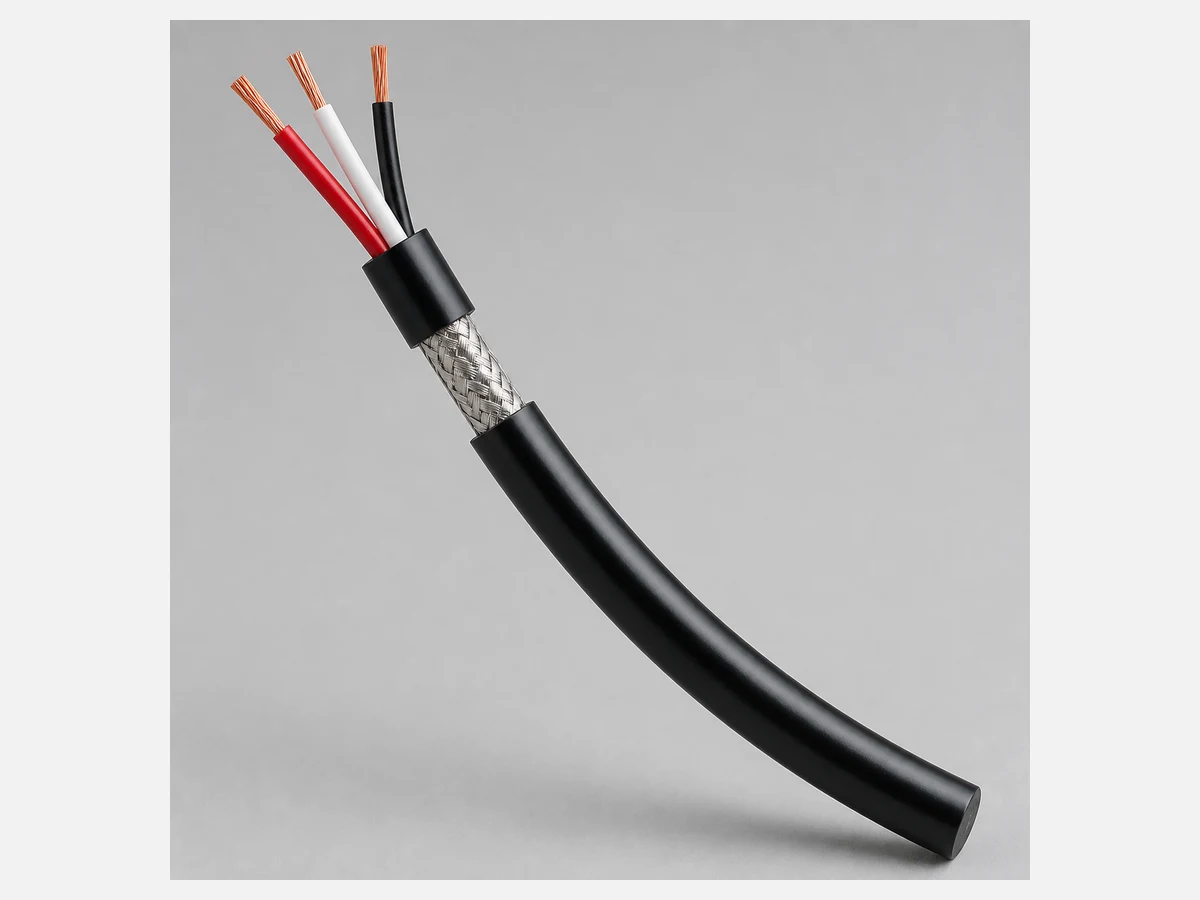
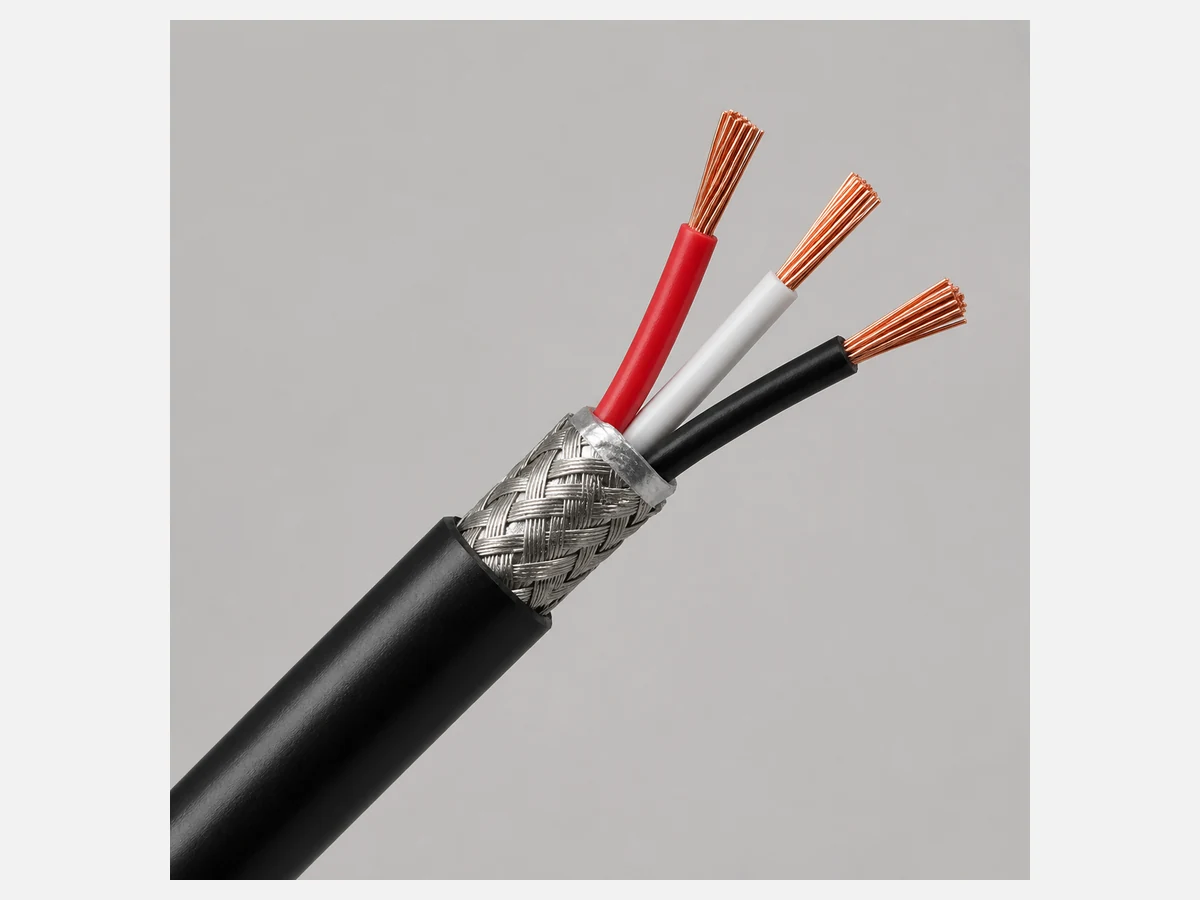
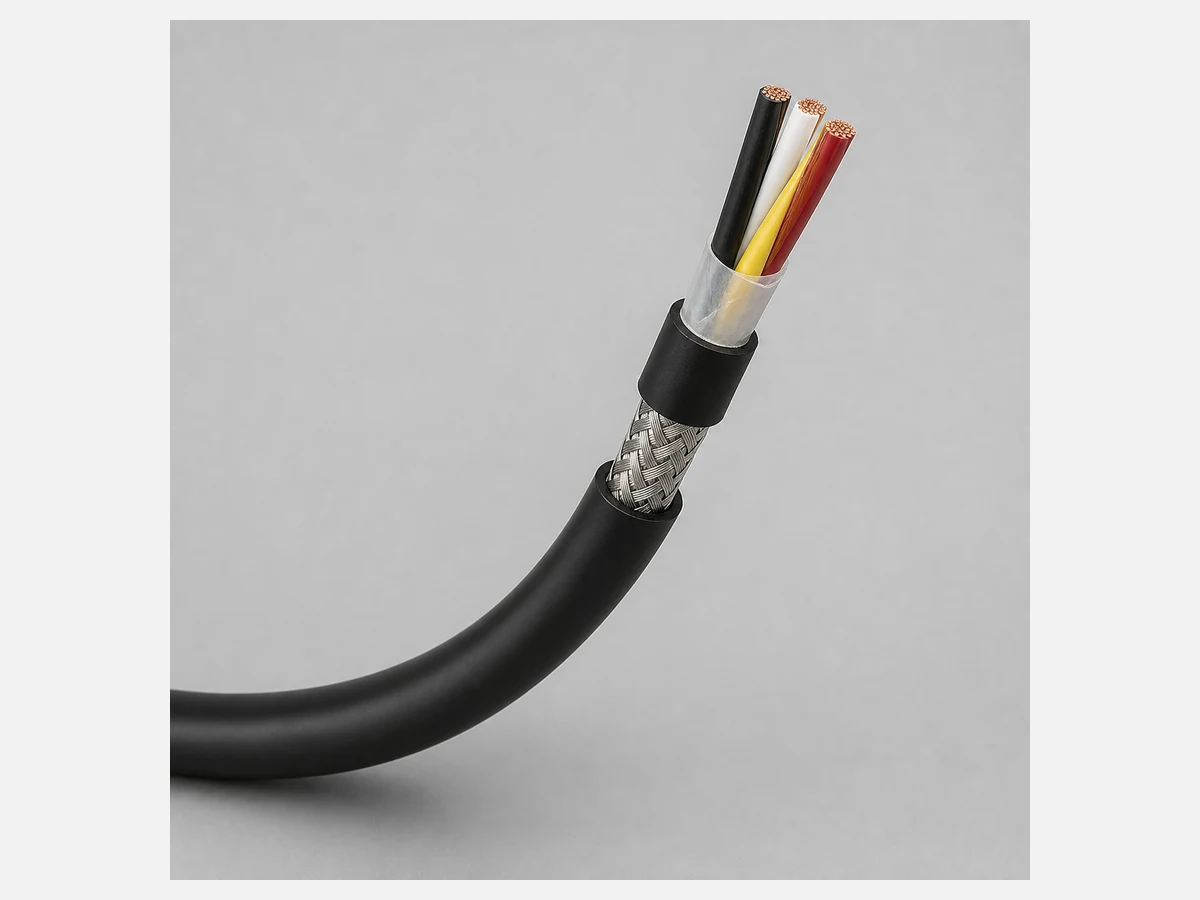
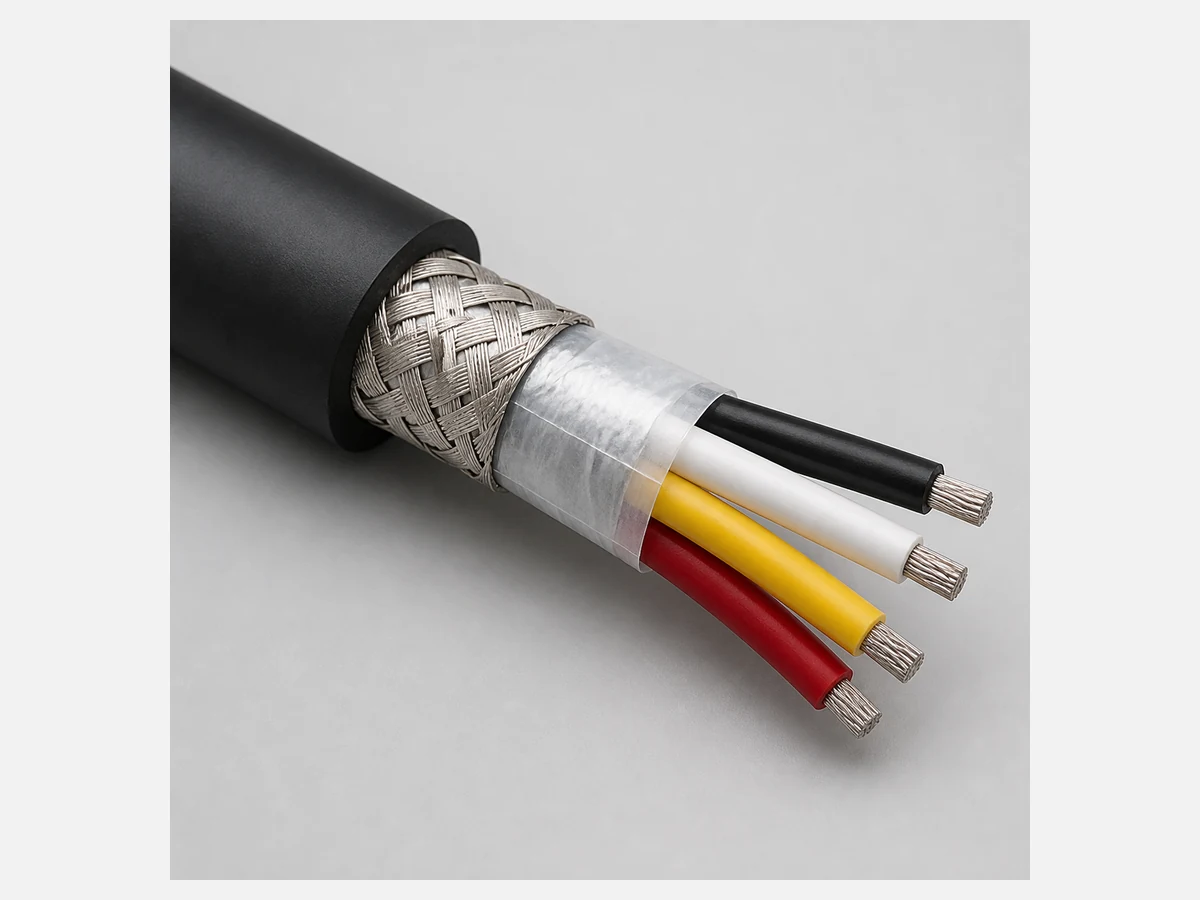
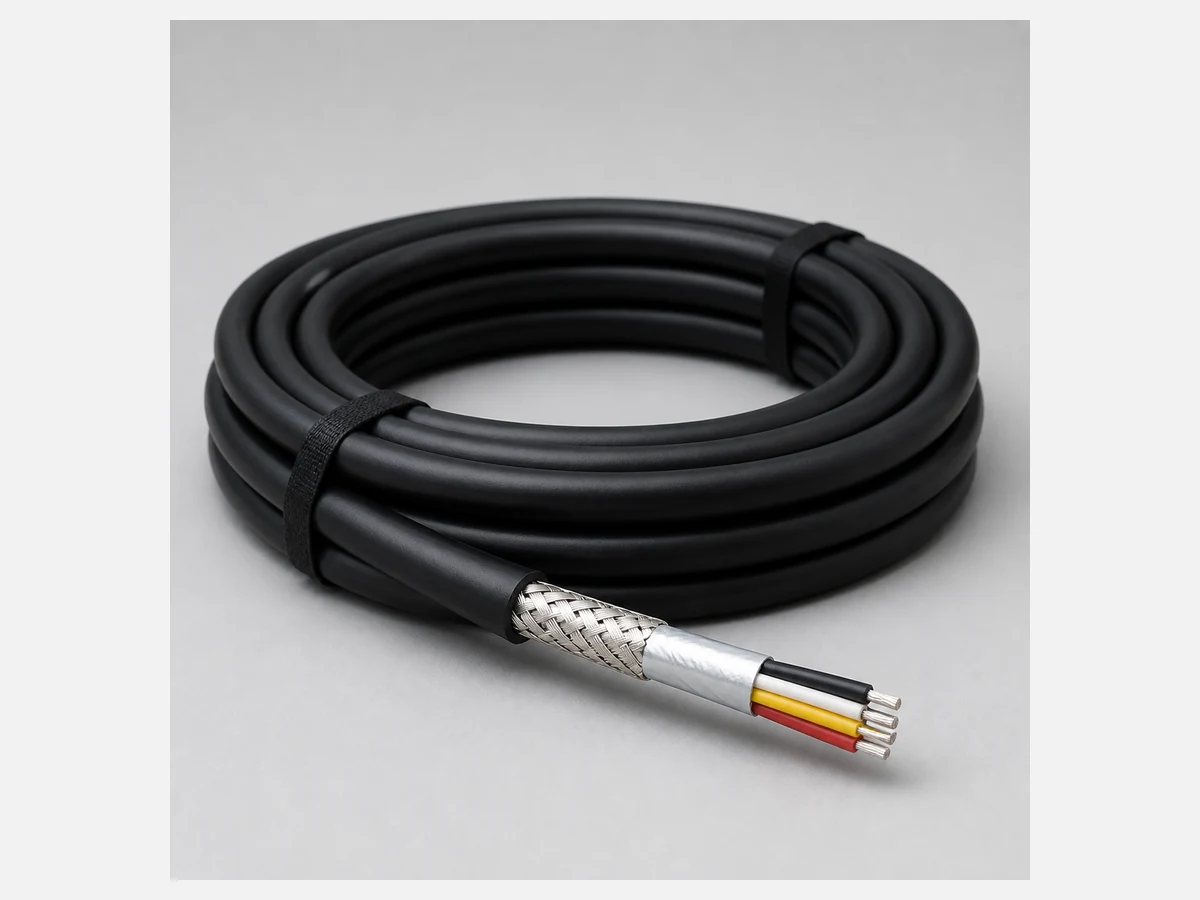
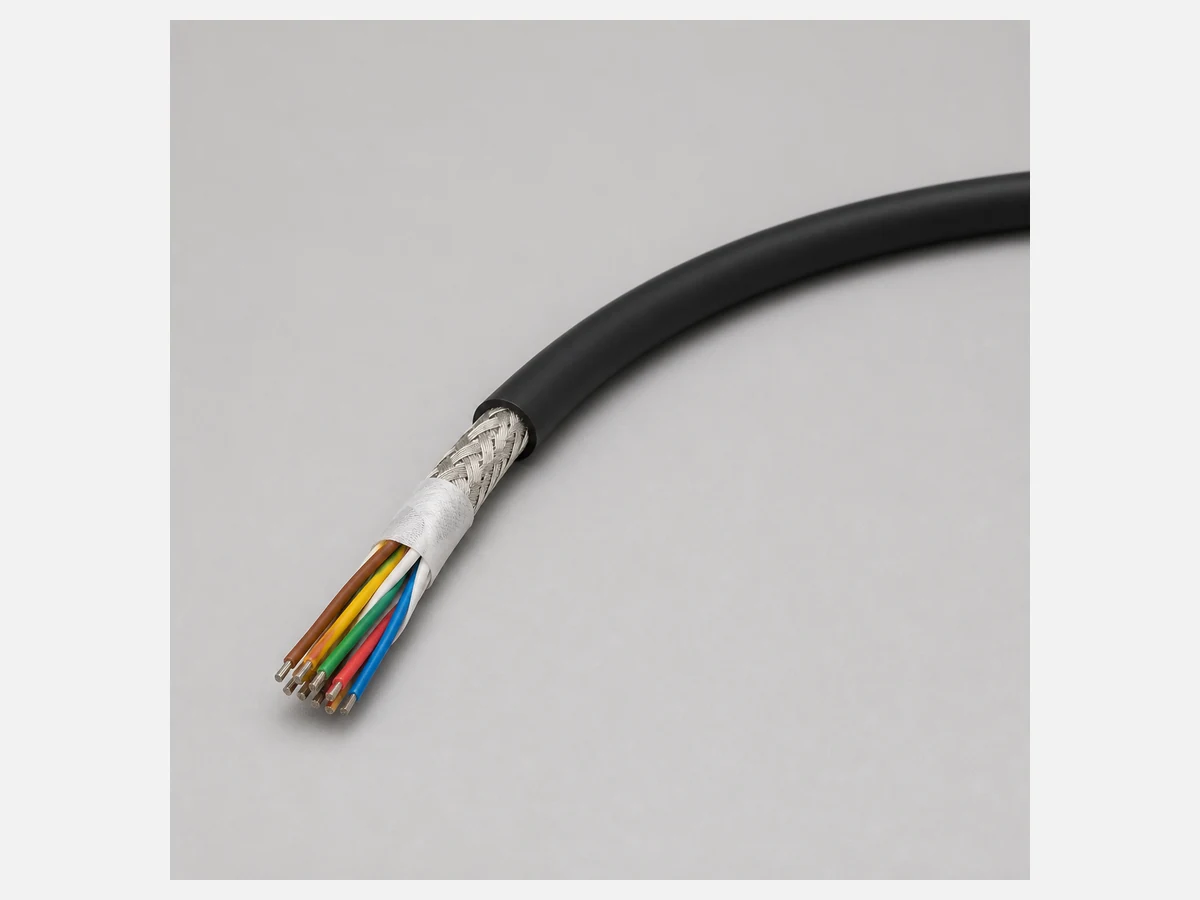
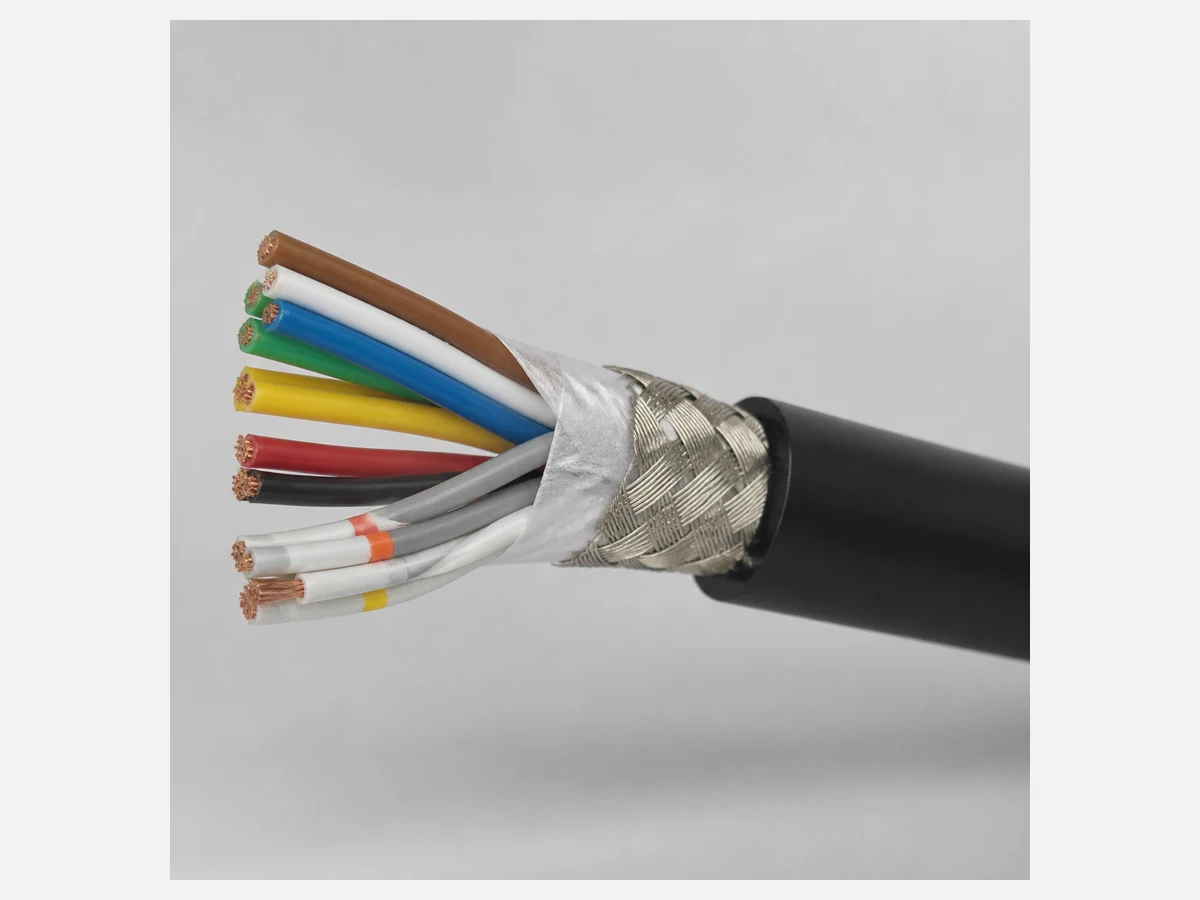
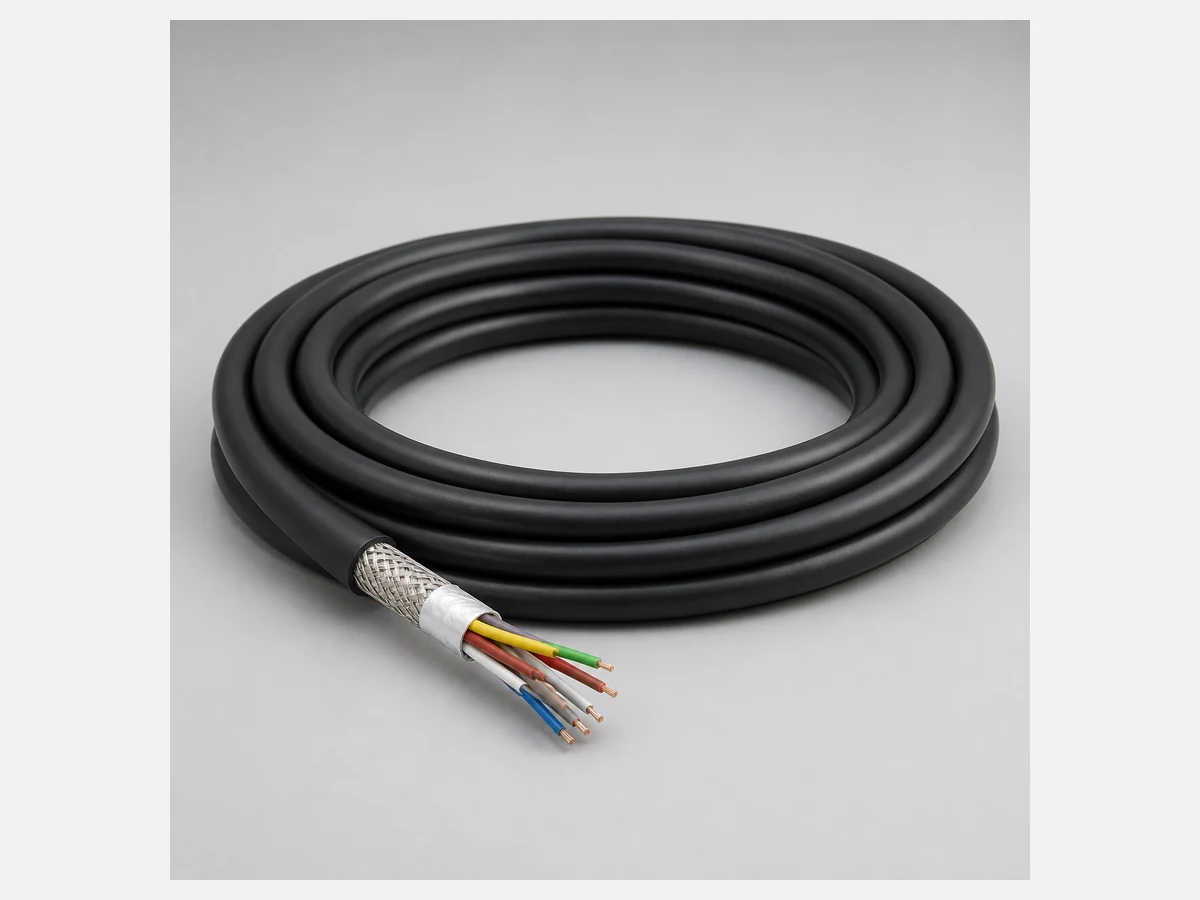
Coiled cords can carry power, control signals, data or a combination of circuits. Options include unshielded multicore cable, braided-shield designs, twisted pairs and custom conductor layouts. Connector and pinout requirements should be defined before coil dimensions are finalized.
Important Dimensions
- Cable diameter: the outside diameter of the straight cable used to form the coil.
- Coil outside and inside diameter: dimensions of the finished helix.
- Retracted coil length: helix length without an applied extension load.
- Recommended working length: practical extension range specified for the design.
- Tail lengths: straight sections at the ends of the coil.
- Winding direction: right-hand or left-hand helix where relevant.
Industrial Applications
- Machine controls and handheld operator panels
- Vehicle and charging-equipment connections
- Medical and laboratory devices
- Robotics and production equipment
- Communication handsets and mobile instruments
- Power tools and lifting controls
Selection Considerations
Provide rated voltage, current, conductor count, shielding, connector type, retracted length, working extension, tail lengths, coil diameter, temperature and environmental exposure. A coiled cord should not be continuously stretched to its absolute physical limit; the approved working range provides margin for recovery and strain relief.
Quality Checks
Useful checks include electrical continuity, conductor resistance, insulation testing, finished dimensions, connector pinout, extension and recovery behavior, appearance and repeated-extension testing under defined conditions.
OEM Customization
Custom options can include jacket color, conductor layout, shield, printing, connector molding, terminals, coil direction and packaging. A dimensioned drawing and application data help the manufacturer confirm feasibility and prepare a representative sample.
Conclusion
Coiled cables provide organized, retractable connections where straight cables would create excess slack. Reliable performance depends on matching electrical construction, material and coil geometry to the real working extension and environment.
Explore our cable product range and best-selling solutions, or contact us with your drawing, quantity and operating conditions.