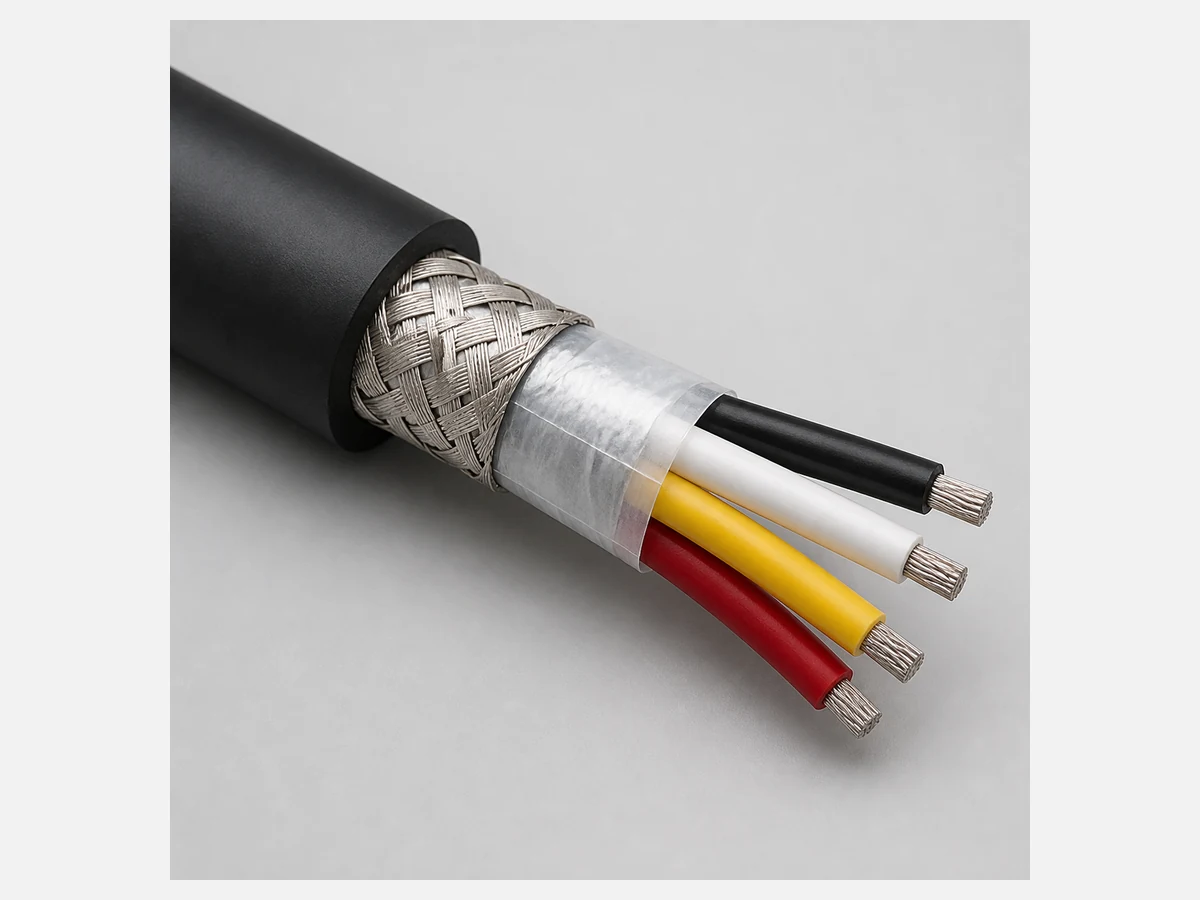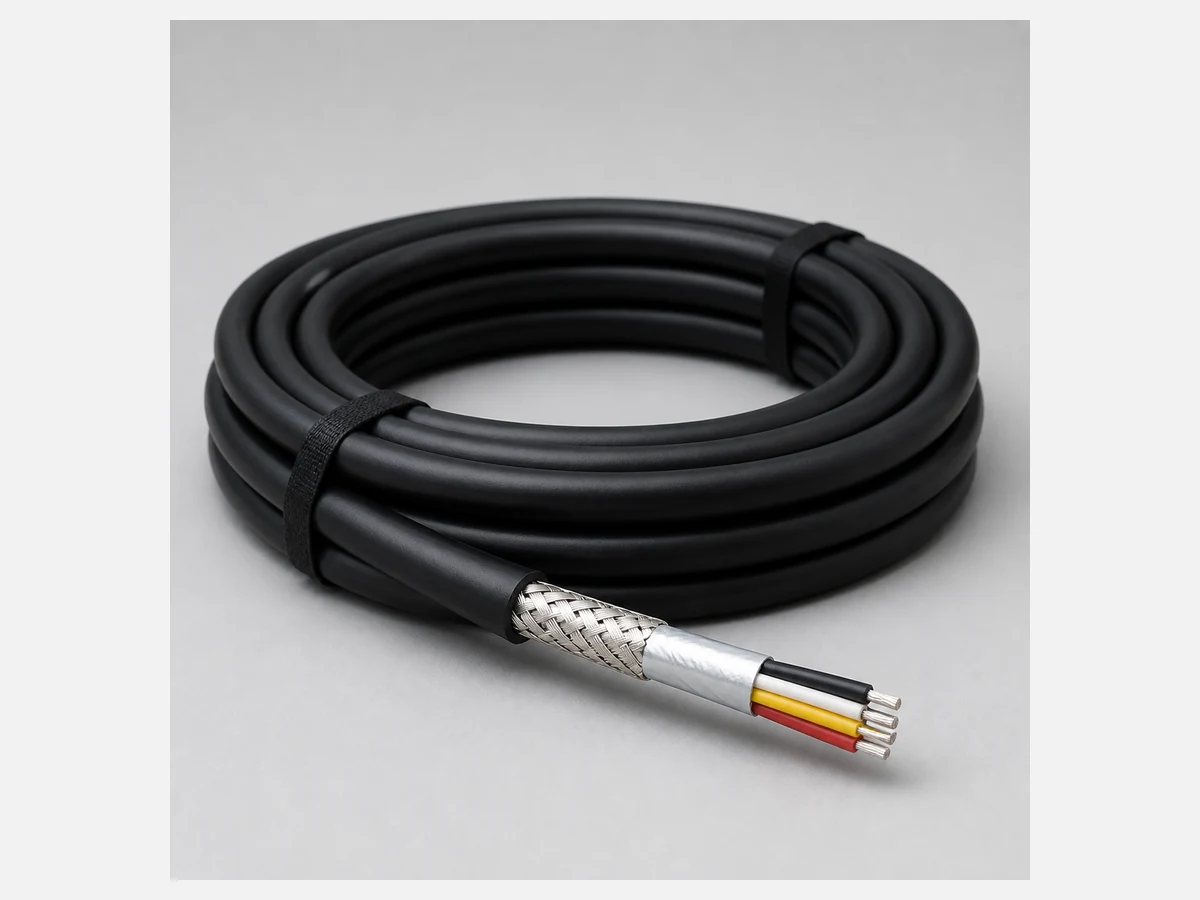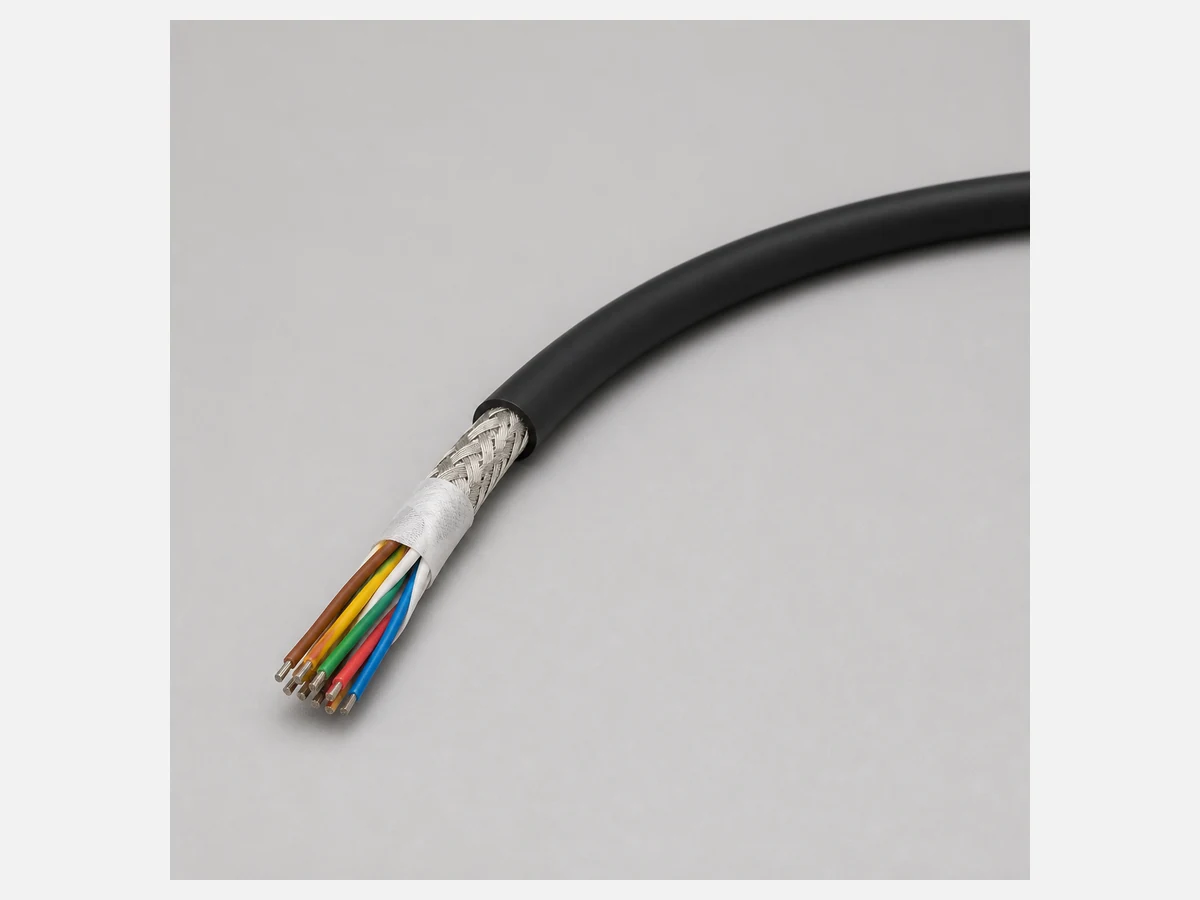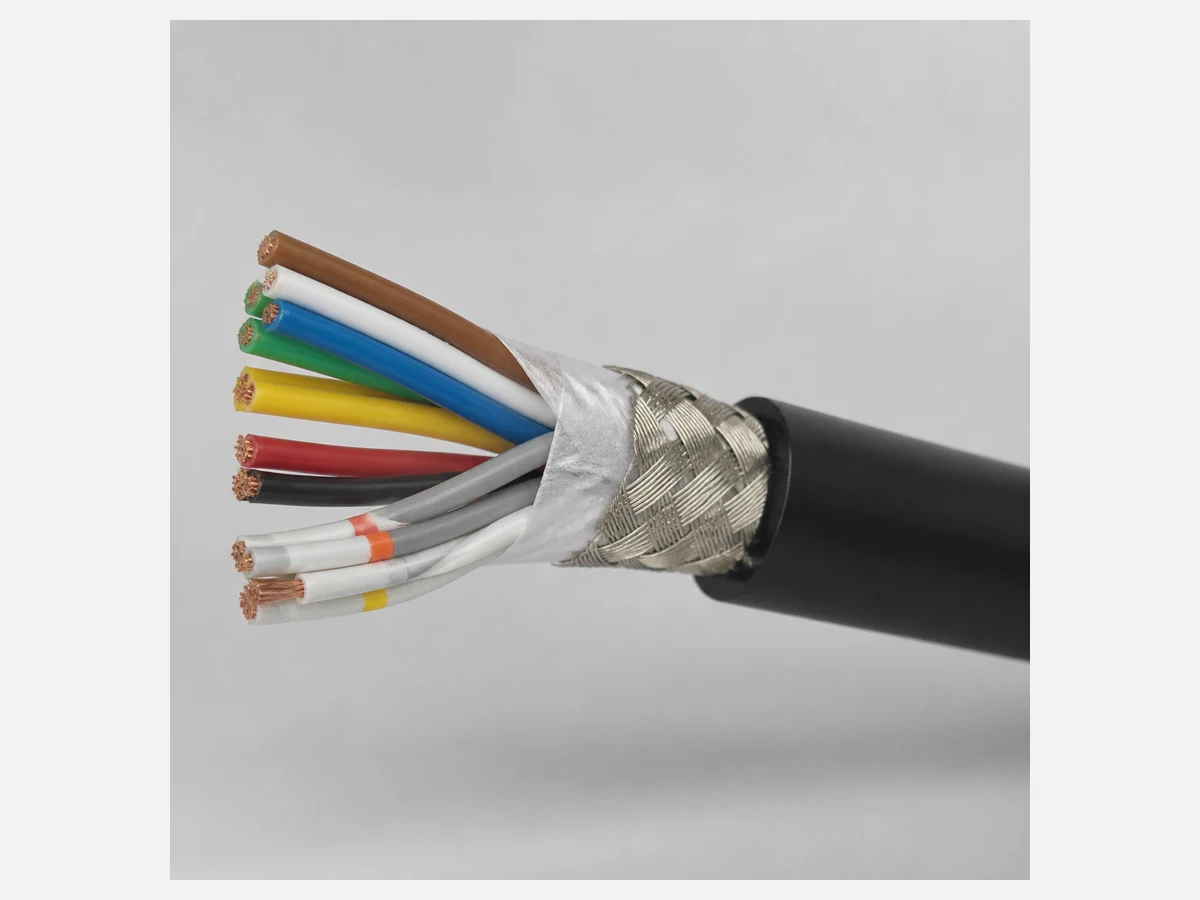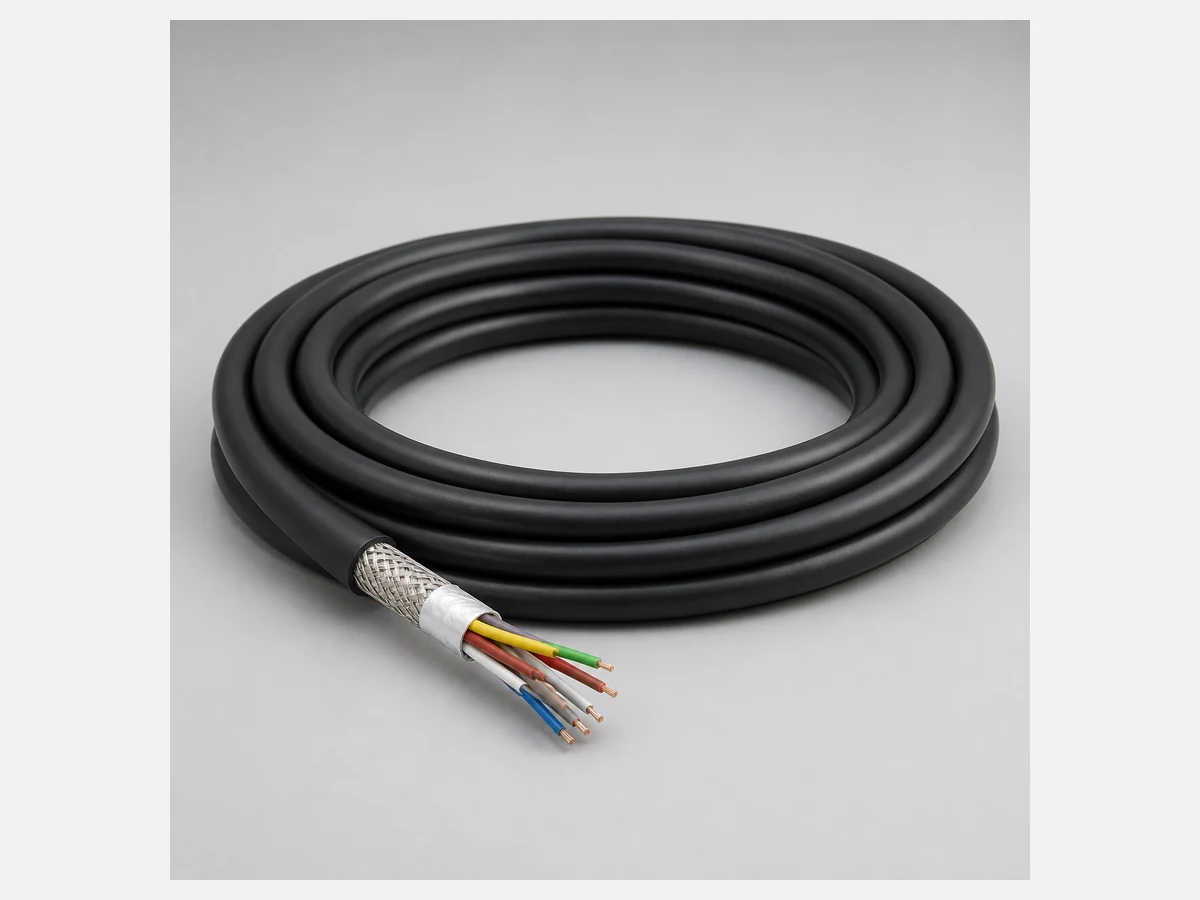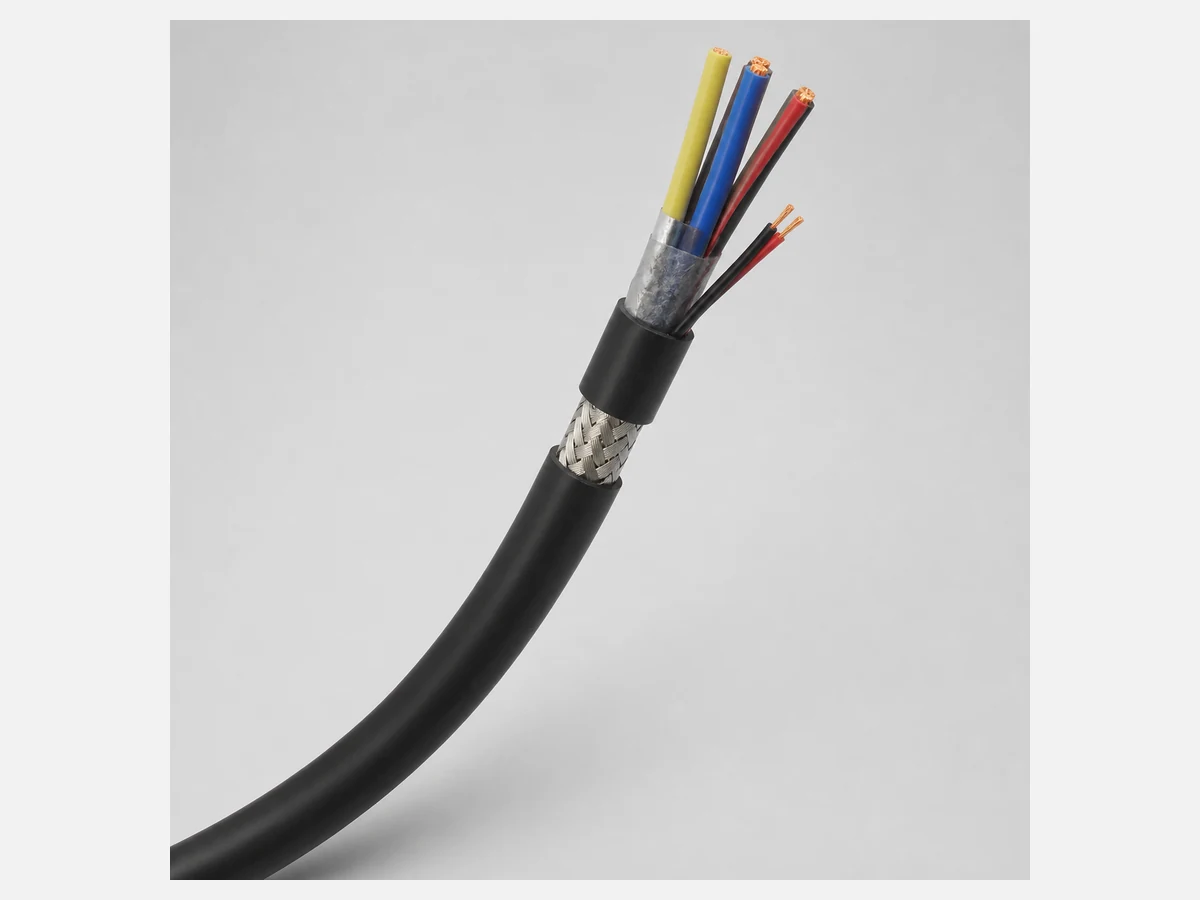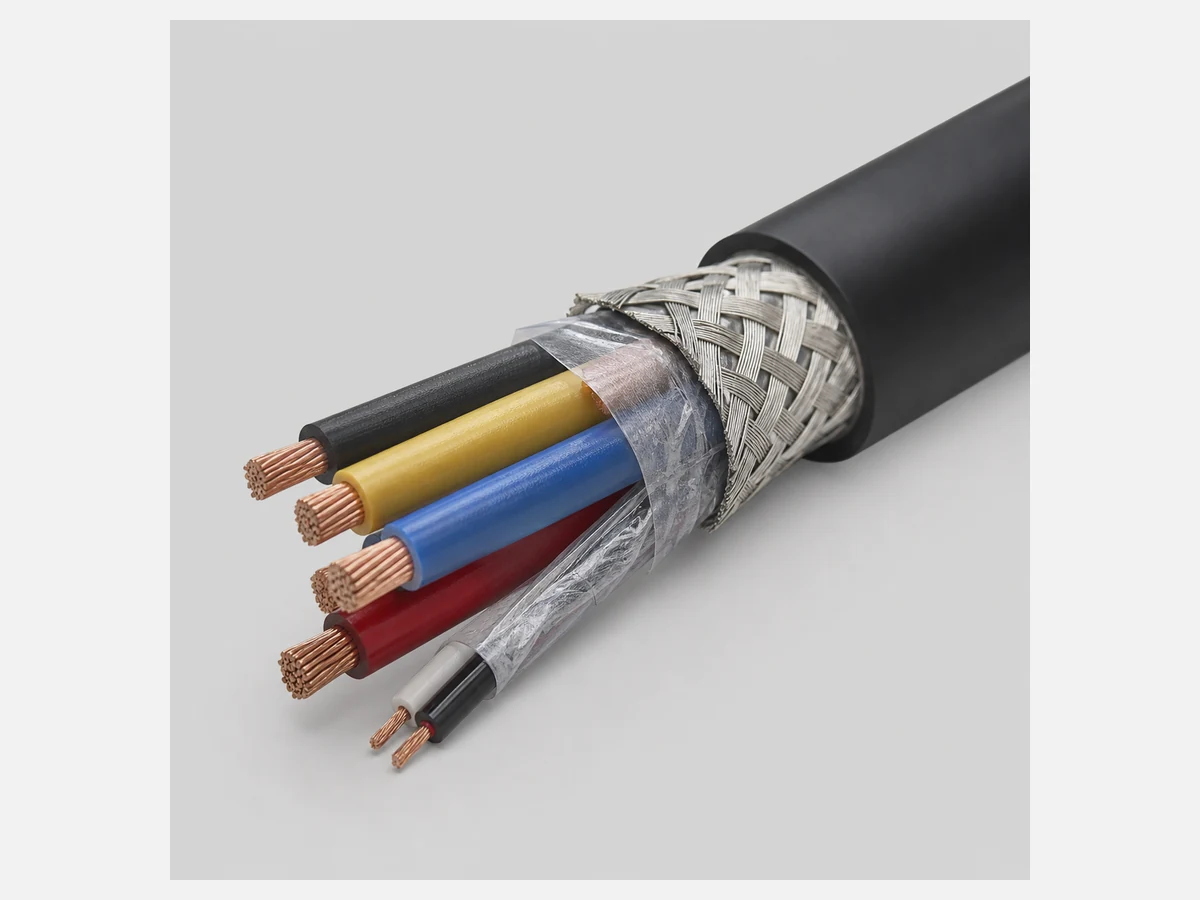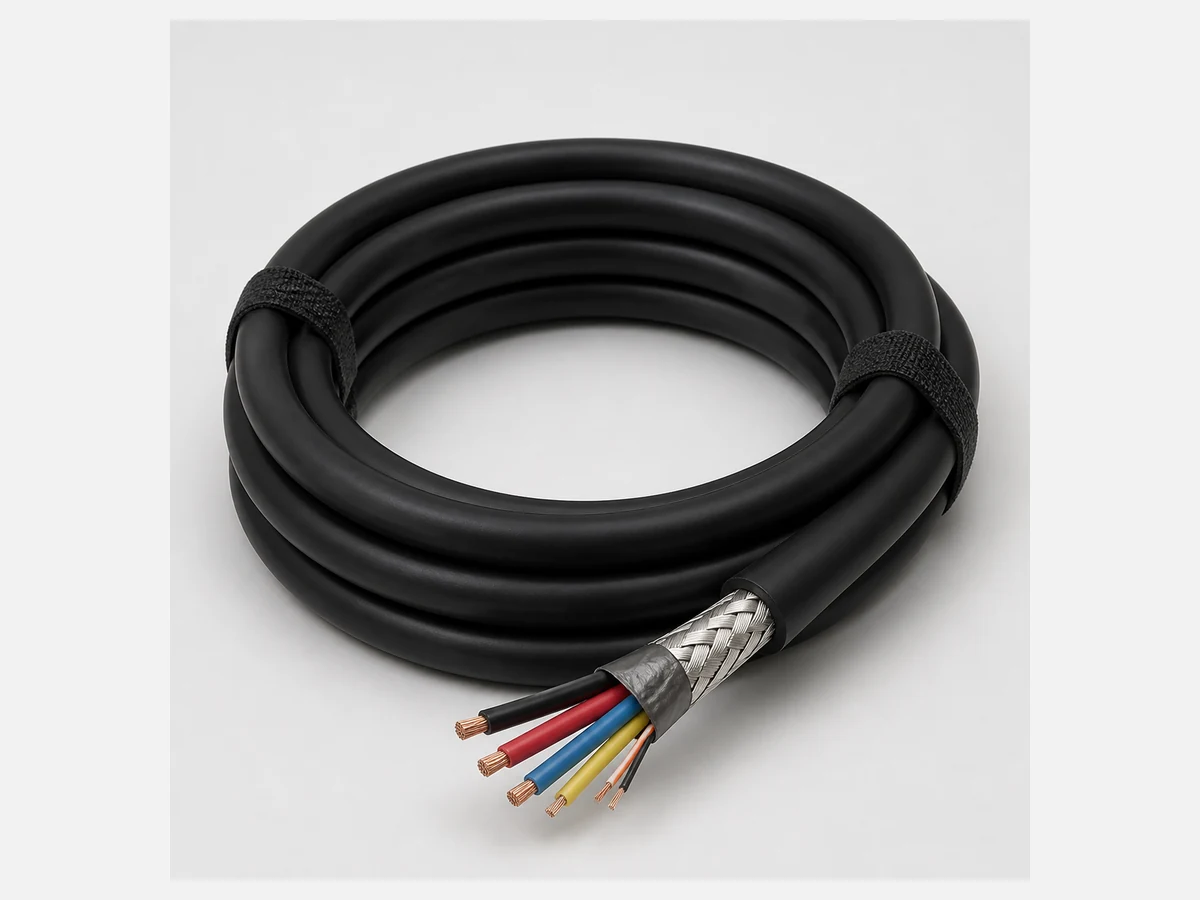
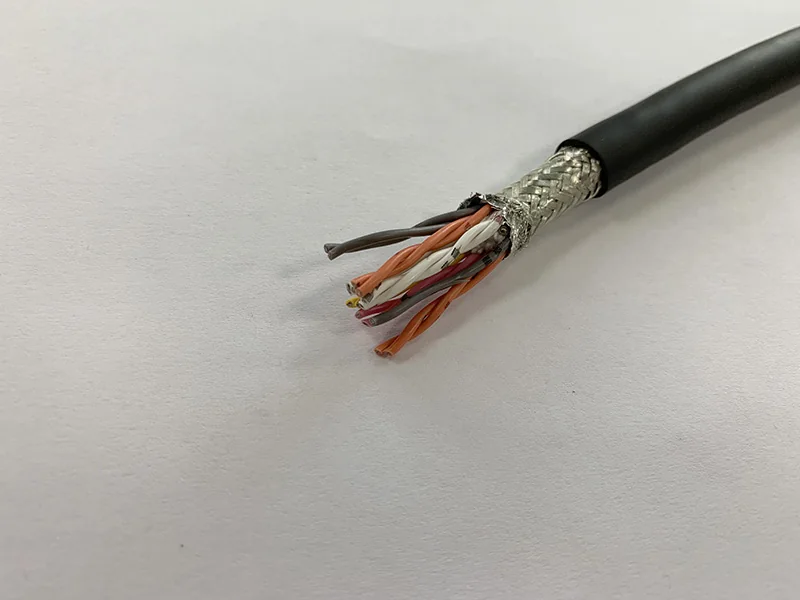
The difference between a cable made to an applicable national standard and a loosely described “nonstandard” cable is not determined by color, softness or price alone. For industrial buyers, the decisive question is whether the delivered product matches a clearly identified specification and can be supported by measurable inspection results.
What “National-Standard Cable” Means
A national-standard cable is designed and manufactured against the GB or GB/T standard applicable to that cable family. The relevant document may define conductor construction, electrical resistance, insulation and sheath requirements, dimensions, marking and test methods. A standard number must be appropriate to the product; printing a code on the jacket does not by itself prove compliance.
Why “Nonstandard” Is an Ambiguous Term
In the market, “nonstandard” may describe a legitimate custom cable built to a customer drawing, or a product that reduces conductor area, insulation thickness or material performance without clearly declaring the change. These situations are very different. A well-controlled custom design can be suitable for its intended equipment, while an undisclosed substitution creates technical and commercial risk.
Seven Checks for B2B Buyers
- Applicable specification: identify the complete cable designation, standard edition and rated voltage.
- Conductor: verify material, nominal cross-section, strand construction and conductor resistance.
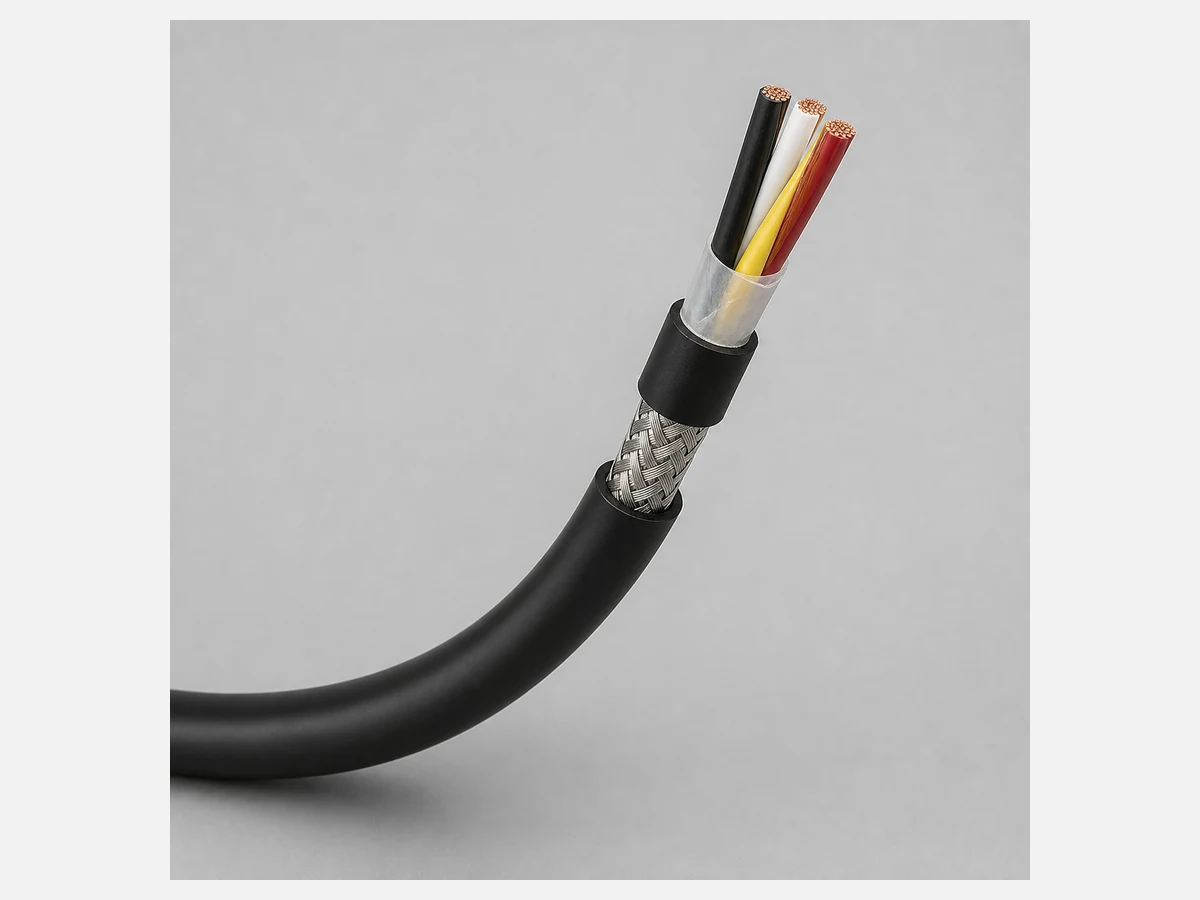
- Insulation and sheath: confirm specified materials, minimum thickness and overall dimensions.
- Electrical tests: request results relevant to the product, such as continuity, resistance, insulation resistance or voltage testing.
- Marking: check manufacturer identification, cable designation, voltage and required traceability information.
- Length and packaging: verify reel or coil length using an agreed method rather than relying on package appearance.
- Documents: align purchase orders, drawings, samples, inspection criteria and batch records.
Can Weight or Appearance Prove Quality?
No single visual shortcut is reliable. Cable weight varies with conductor material, cross-section, insulation compound, shielding and construction. Surface finish and printing can reveal obvious defects, but they cannot confirm conductor resistance or insulation performance. Price can indicate that specifications should be reviewed, yet it is not a test result.
Risks of Undeclared Substitution
Reduced conductor area may increase resistance and heat under load. Insufficient insulation or sheath thickness can reduce mechanical and electrical margin. Unverified compounds may perform poorly in heat, oil, abrasion, sunlight or repeated motion. These risks are especially important in machinery, building distribution and continuous-duty production equipment.
How to Write a Clear Purchase Specification
State the application, voltage, conductor count and size, conductor class, insulation and sheath, shielding or armor, operating temperature, fixed or moving installation, environmental exposure, marking, packaging length and required evidence. For custom products, attach an approved drawing and define acceptance tests.
Conclusion
National-standard and custom cables should both be evaluated through declared requirements and objective evidence. Buyers can reduce substitution risk by comparing specifications, test results and traceability—not by relying on weight, appearance or marketing language alone.
Discuss Your Cable Requirement
Explore our cable product range and best-selling cable solutions. Send us the intended standard, electrical requirements, installation conditions, drawing and order quantity for a technical review and quotation.