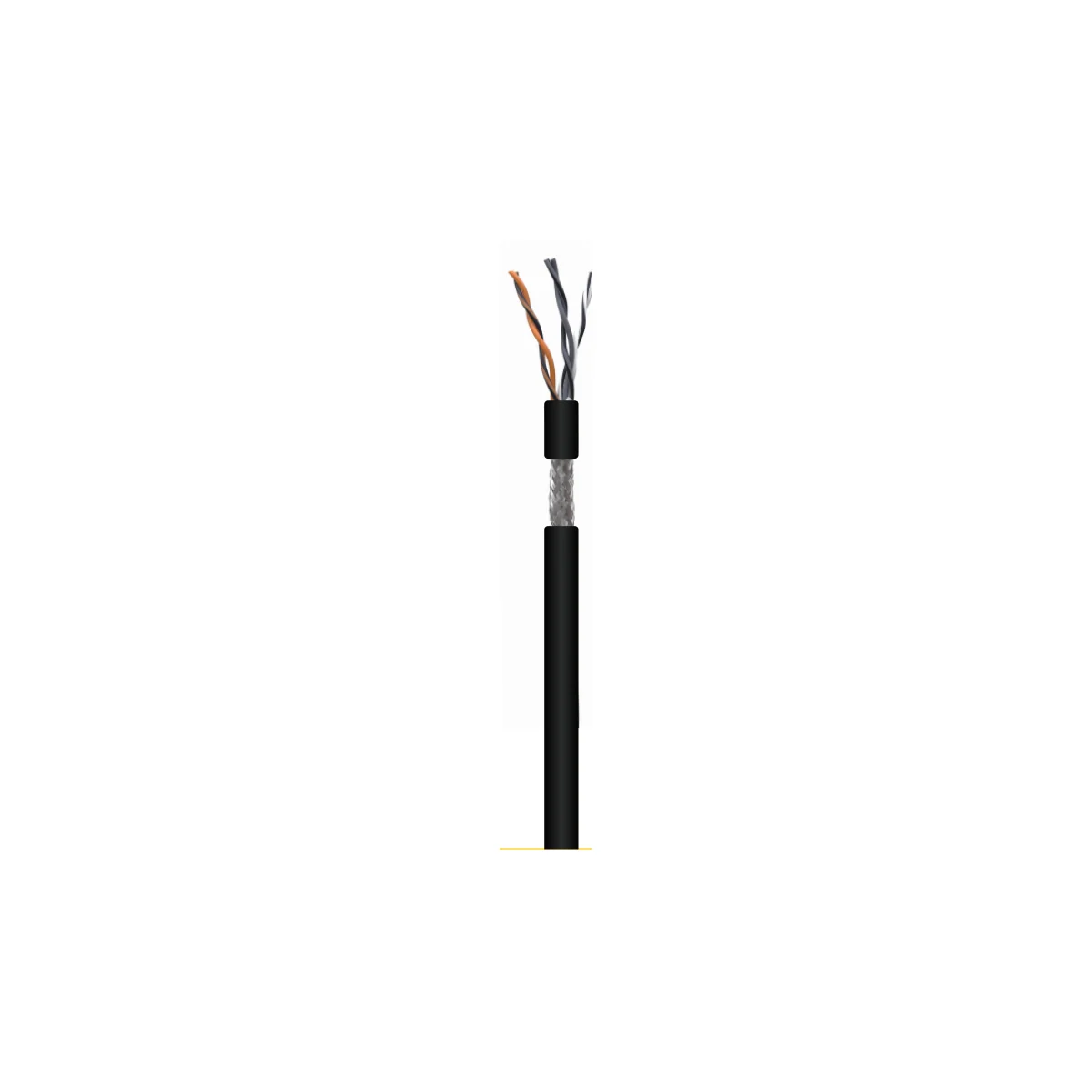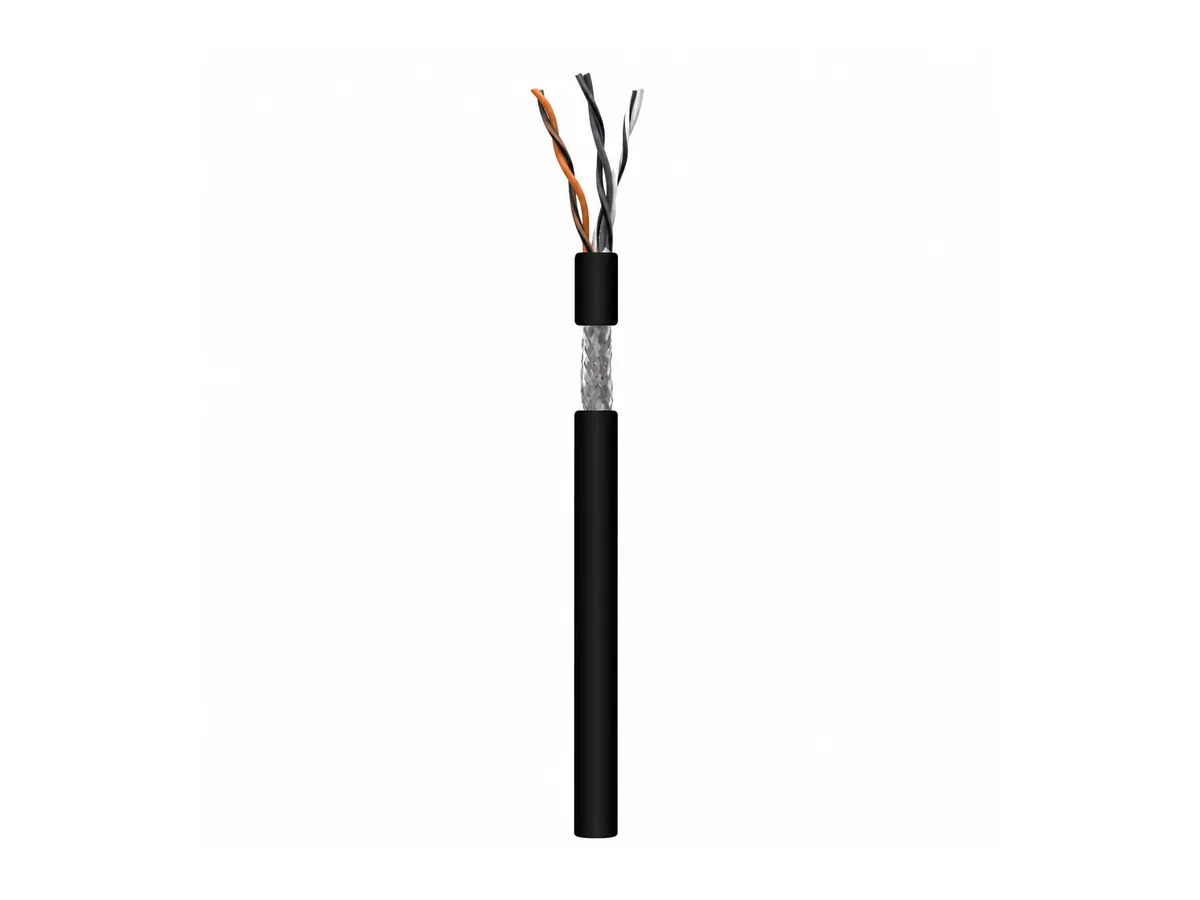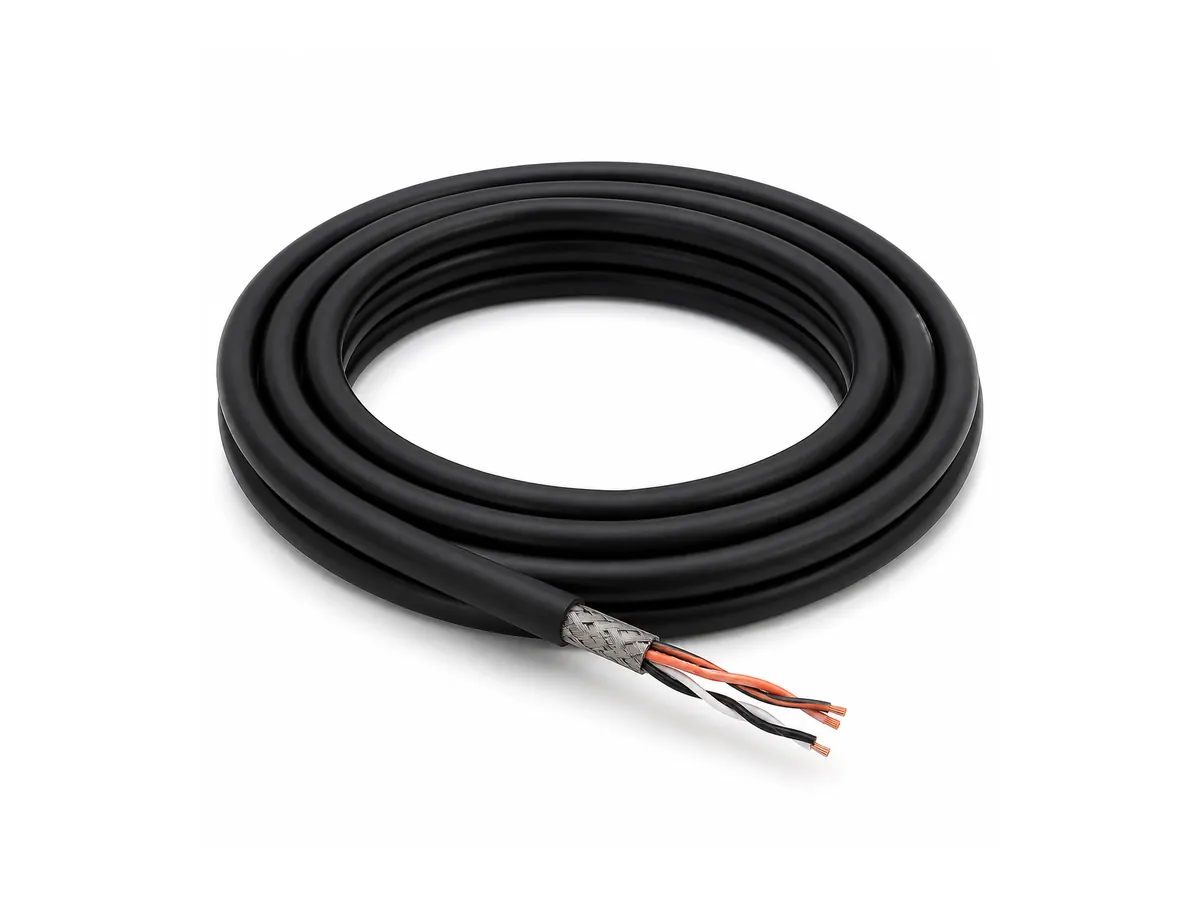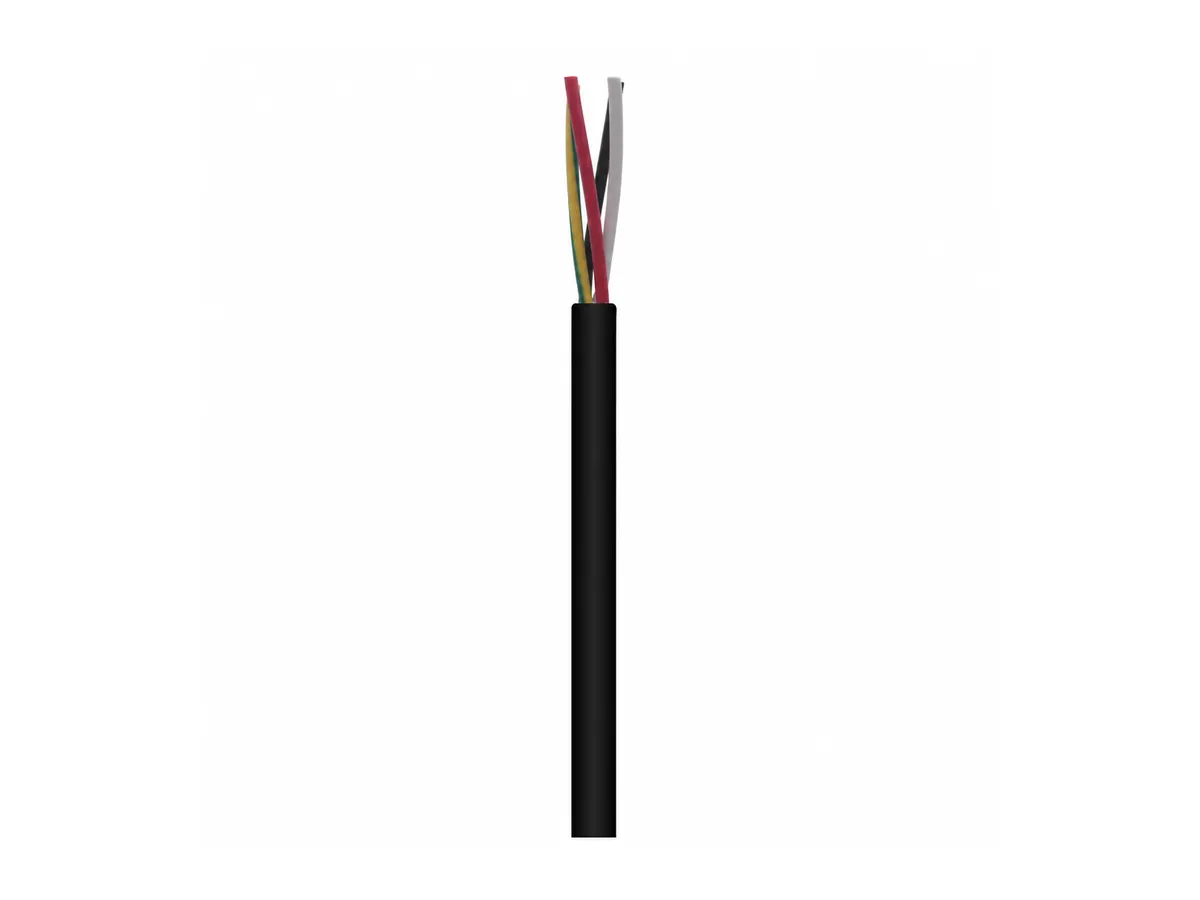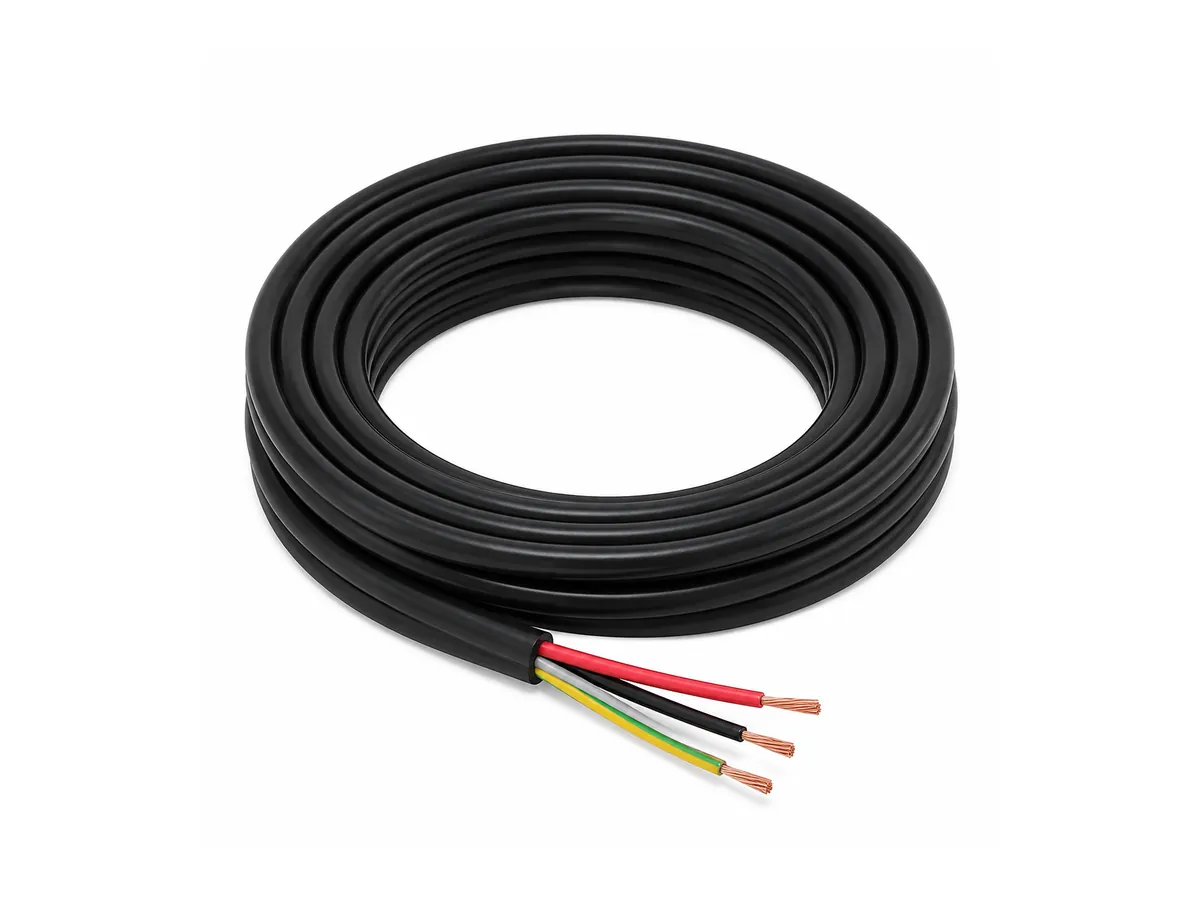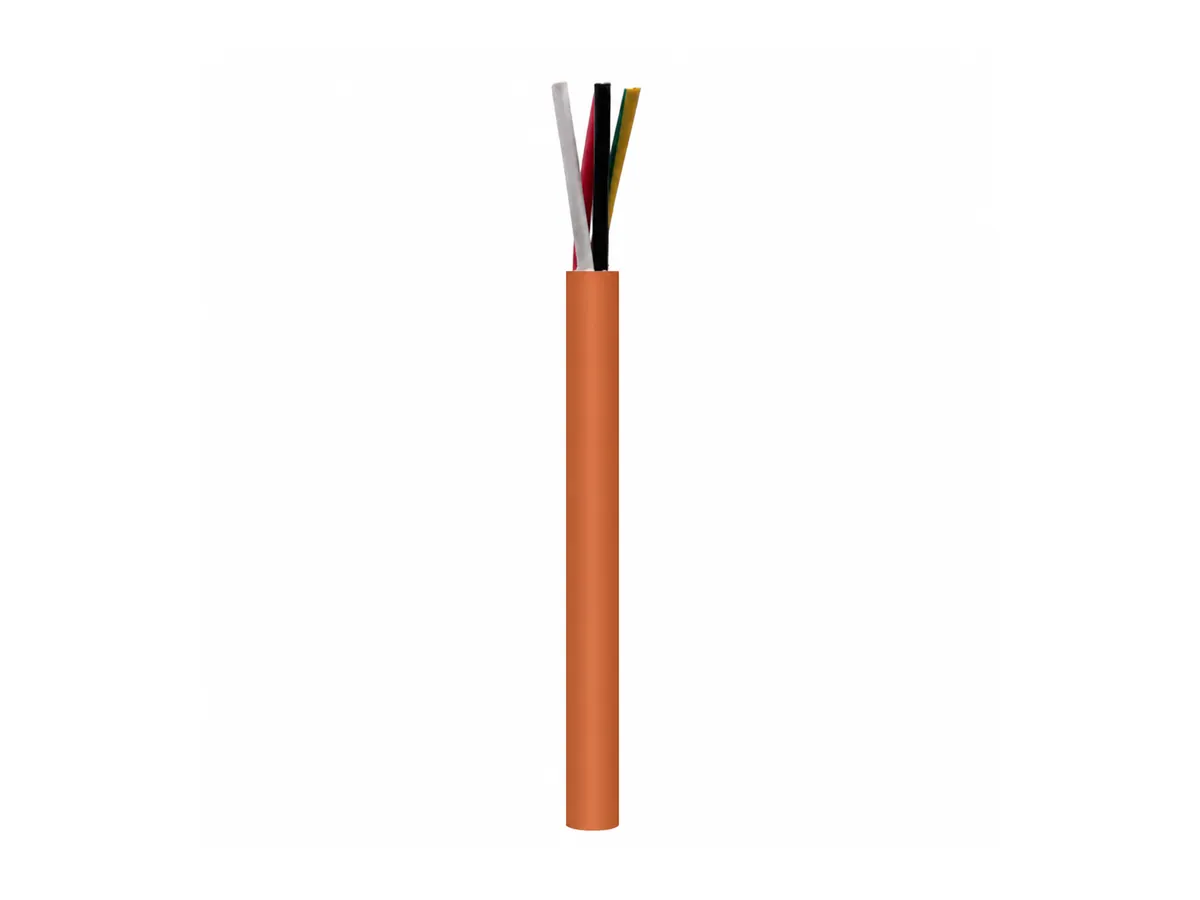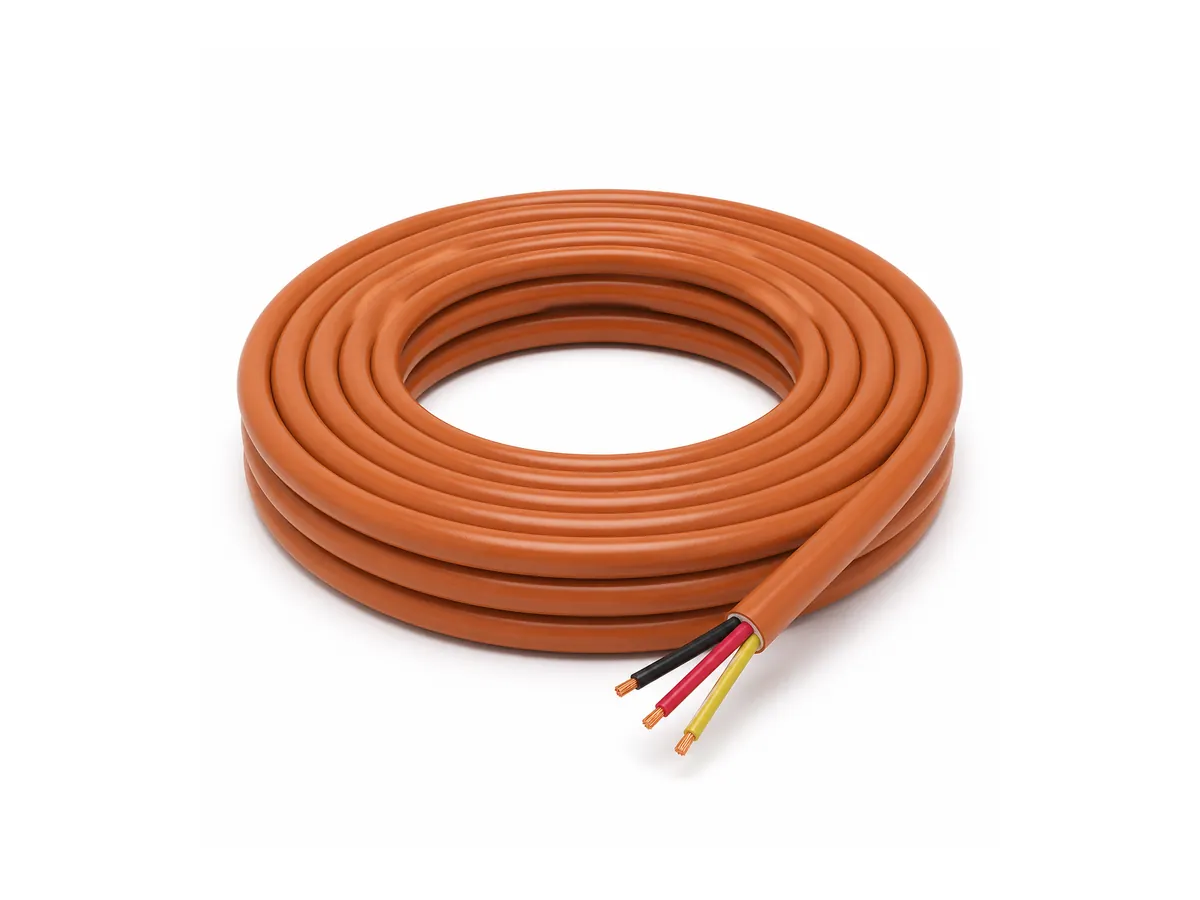
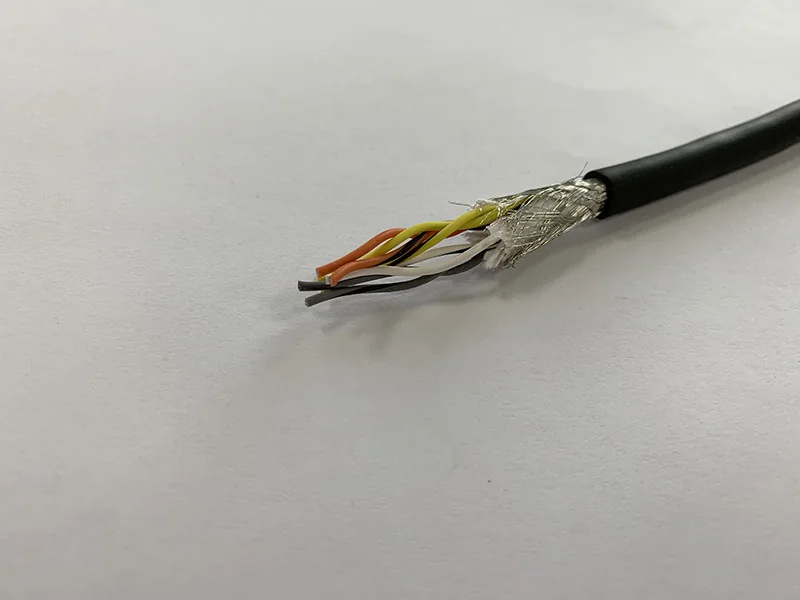
“American-standard cable” is a broad commercial description, not one universal cable type. In industrial equipment, many products described this way are UL Appliance Wiring Material (AWM) components identified by a specific style number. Buyers should evaluate the actual style, ratings, construction and intended use rather than relying on the phrase alone.
What Is UL AWM?
Appliance Wiring Material covers insulated wires and multicore cable constructions intended for use as components in appliances and equipment. A UL style page describes construction and use conditions such as conductor range, insulation or jacket arrangement, temperature rating, voltage rating and flame designation where applicable. Different style numbers can have substantially different requirements.
Recognition Is Product-Specific
A supplier’s general statement about UL capability does not establish that every cable it sells carries the same recognition. Confirm the style number, manufacturer identification or file reference, cable marking and scope relevant to the proposed construction. If a custom change affects materials, dimensions or ratings, its status should be reviewed before the product is described as recognized.
Information Found on a Cable Marking
Depending on the construction, markings may include the manufacturer, AWM style number, temperature and voltage ratings, conductor size, flame designation and other identifiers. The exact marking must match the approved product and should remain legible enough for incoming inspection and traceability.
Common Industrial Applications
- Internal wiring of industrial machinery and control cabinets
- Servo motor power, encoder and feedback connections
- Equipment interconnection and peripheral devices
- Signal, control and low-voltage data circuits
- Custom cable assemblies used within defined equipment systems
AWM Is Not a Universal Installation Approval
An AWM component should be used within its documented conditions and the requirements of the final equipment. It should not automatically be treated as a building wire, tray cable, flexible cord or field-installed power cable. The final product designer or compliance team must determine the correct wiring category and installation rules.
Buyer Verification Checklist
- Specify the exact UL style number and intended equipment use.
- Confirm voltage, temperature and conductor requirements.
- Review insulation, jacket, shielding and overall dimensions.
- Verify the proposed cable marking and manufacturer reference.
- Define flame, oil, flexing or environmental requirements separately.
- Request construction data and relevant test documentation.
- Approve a sample or drawing before mass production.
Custom Cable Considerations
Color, conductor layout, shielding, printing, connectors and packaging may be customized, but the requested design must be checked against the selected style and application. Continuous-flex, torsion or drag-chain performance is not implied by an AWM style unless the construction and supporting data address that duty.
Conclusion
Reliable sourcing starts with the exact cable category and verifiable product data. A UL style number is a useful technical reference when it is correctly matched to the construction, marking and final equipment application.
Discuss Your Cable Requirement
Explore our cable product range and best-selling cable solutions. Send us the intended standard, electrical requirements, installation conditions, drawing and order quantity for a technical review and quotation.