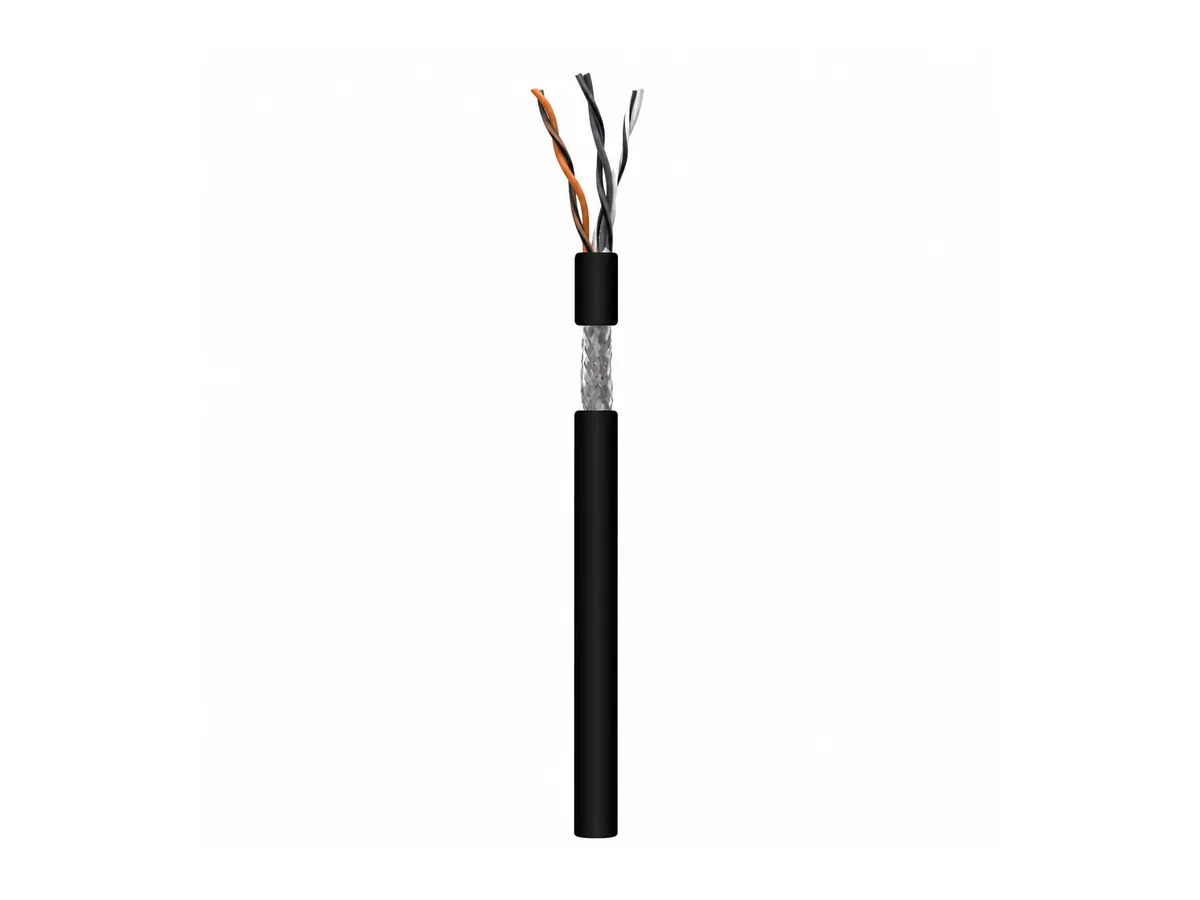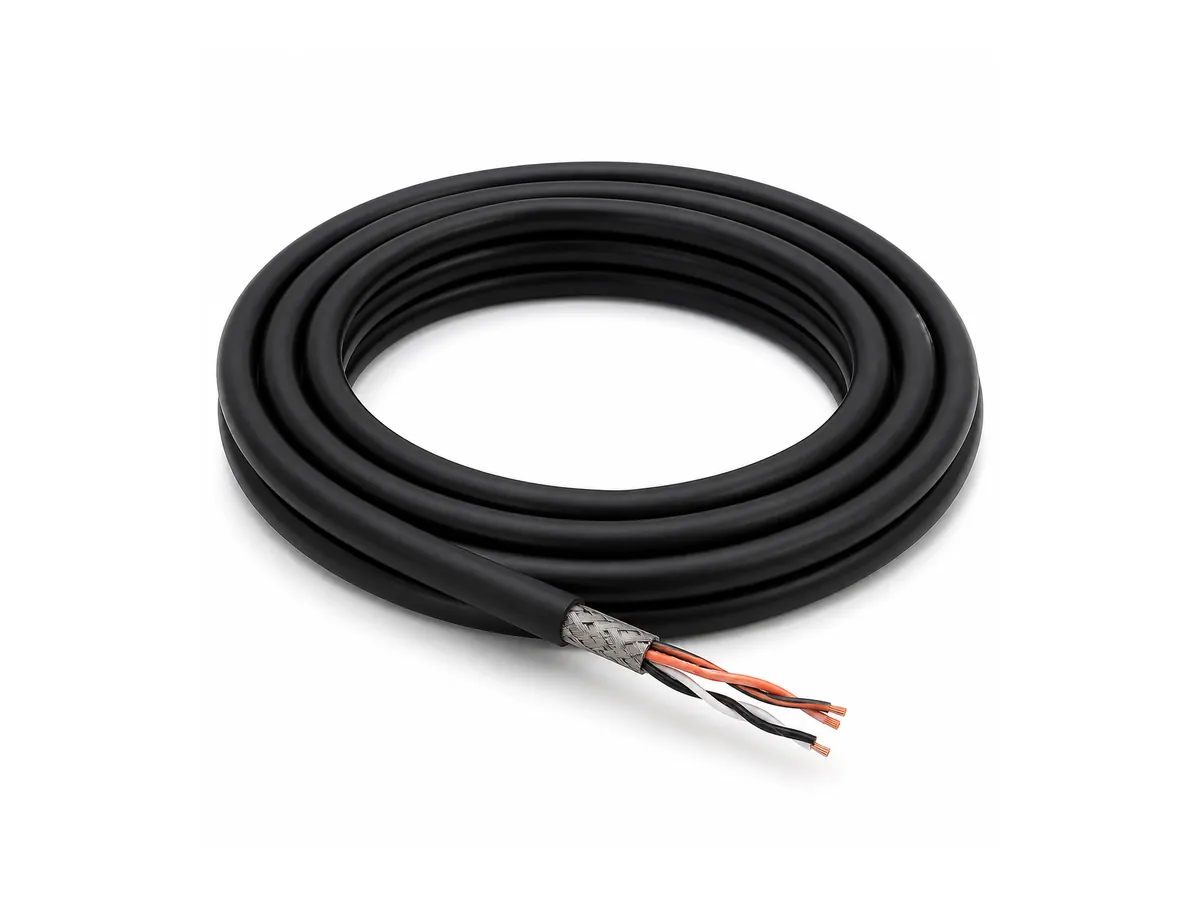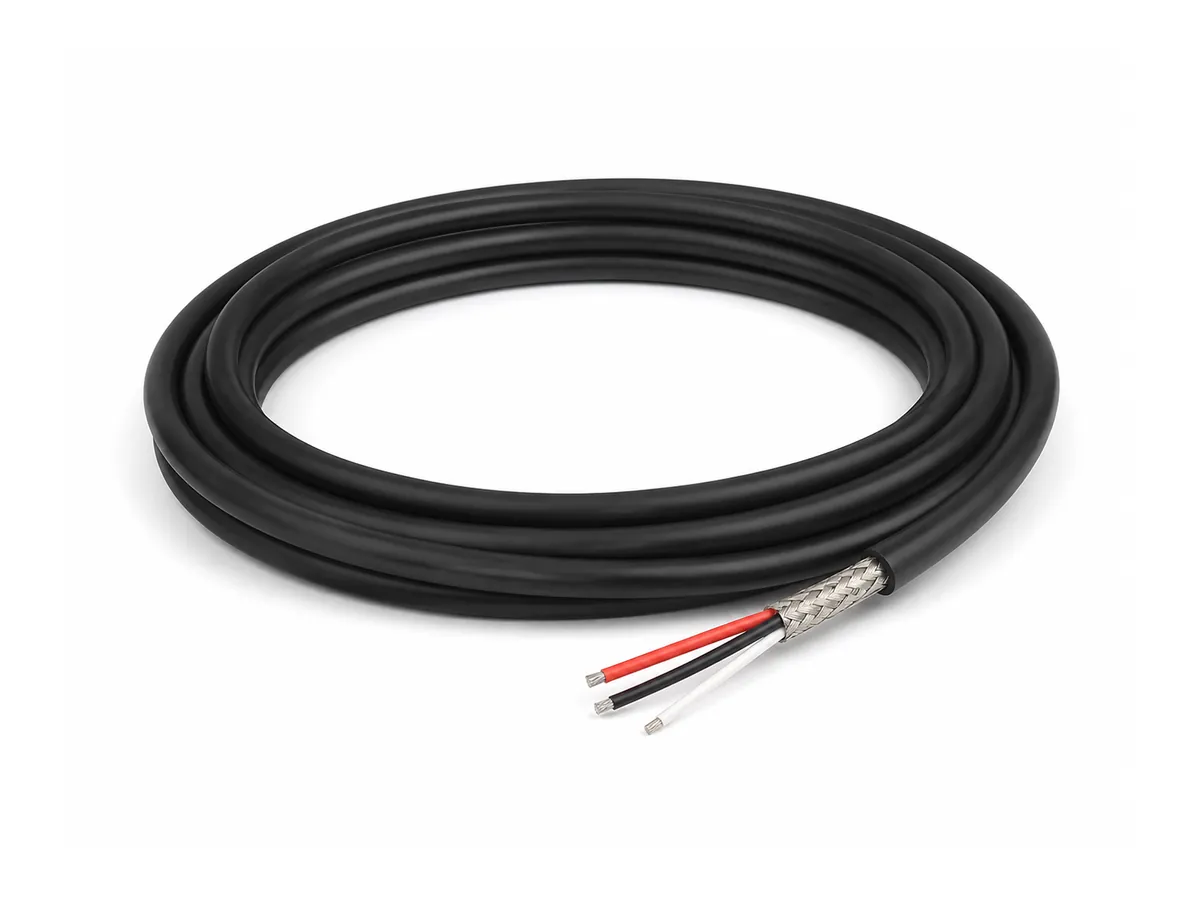
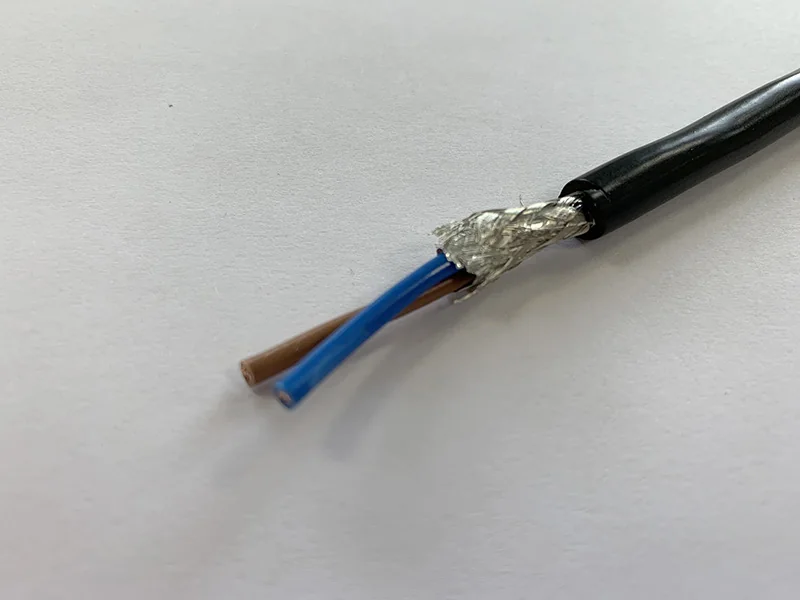
“Robot cable” and “manipulator cable” are often used interchangeably, but the useful engineering distinction is the motion the cable experiences. A simple pick-and-place mechanism may create controlled linear bending, while a multi-axis robot can subject the cable to torsion, bending and acceleration at the same time.
Define the Machine, Not Just the Name
A manipulator may be a single-axis, Cartesian or limited-motion handling device. An articulated robot commonly has several rotating joints and complex cable routing. However, machine names alone do not determine cable requirements. The axis drawing, travel and torsion data are the reliable starting points.
Linear Flexing Applications
Where cable travels in a drag chain, it repeatedly bends in one plane. The design must control conductor fatigue, core migration, shield movement and jacket wear. Dynamic bend radius, travel distance, speed, acceleration and whether the carrier glides or rolls are important.
Torsional Robot Applications
A cable routed along a rotating robot axis twists around its length. Torsion angle, torsion length, direction changes and simultaneous bending must be specified. A cable designed only for linear flexing should not be assumed to withstand robotic torsion.
Electrical Functions
- Power cables: supply servo motors, drives, brakes and actuators.
- Encoder cables: carry position and feedback signals with controlled shielding.
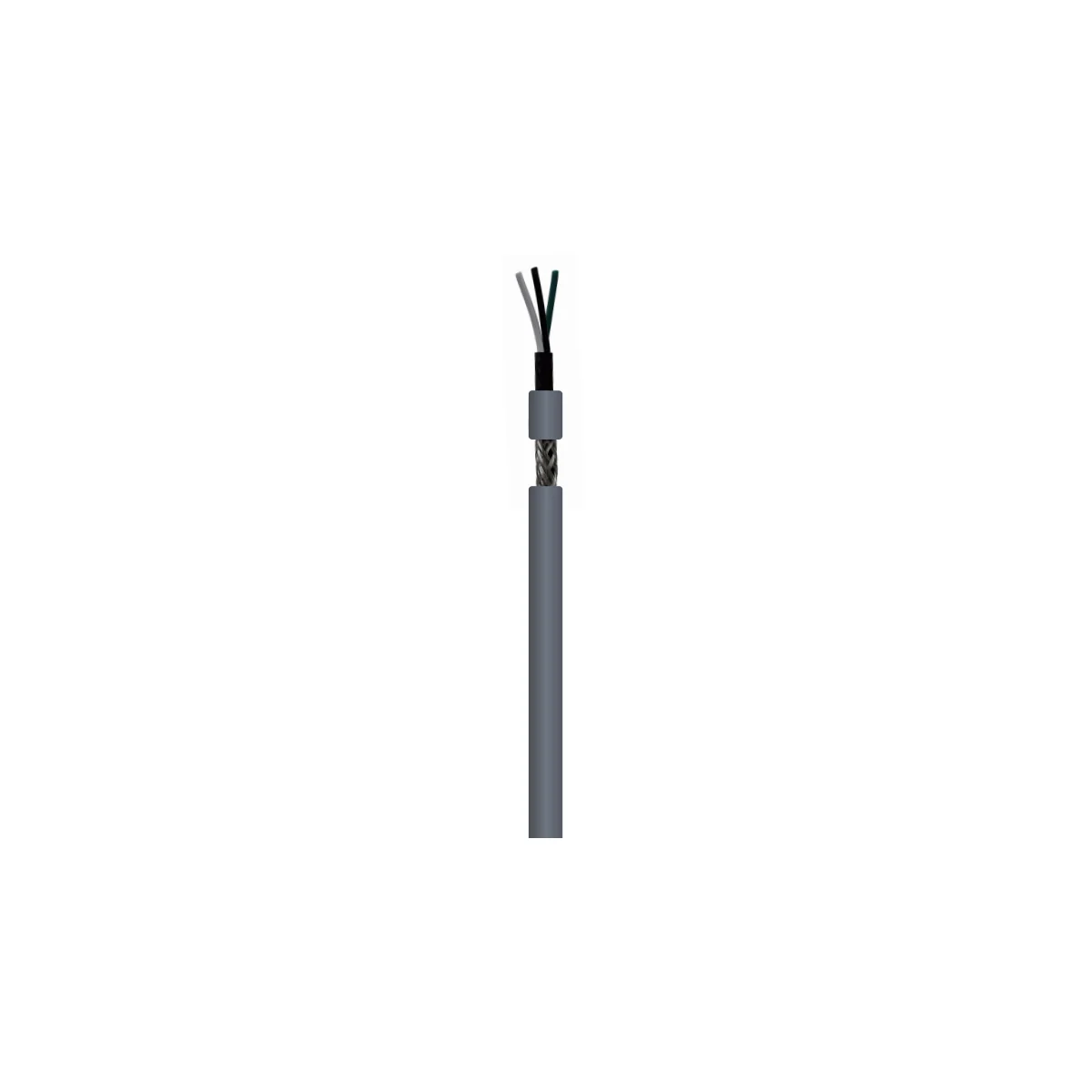
- Control cables: connect sensors, I/O and safety circuits.
- Data cables: preserve pair geometry and transmission performance while moving.
Construction Differences
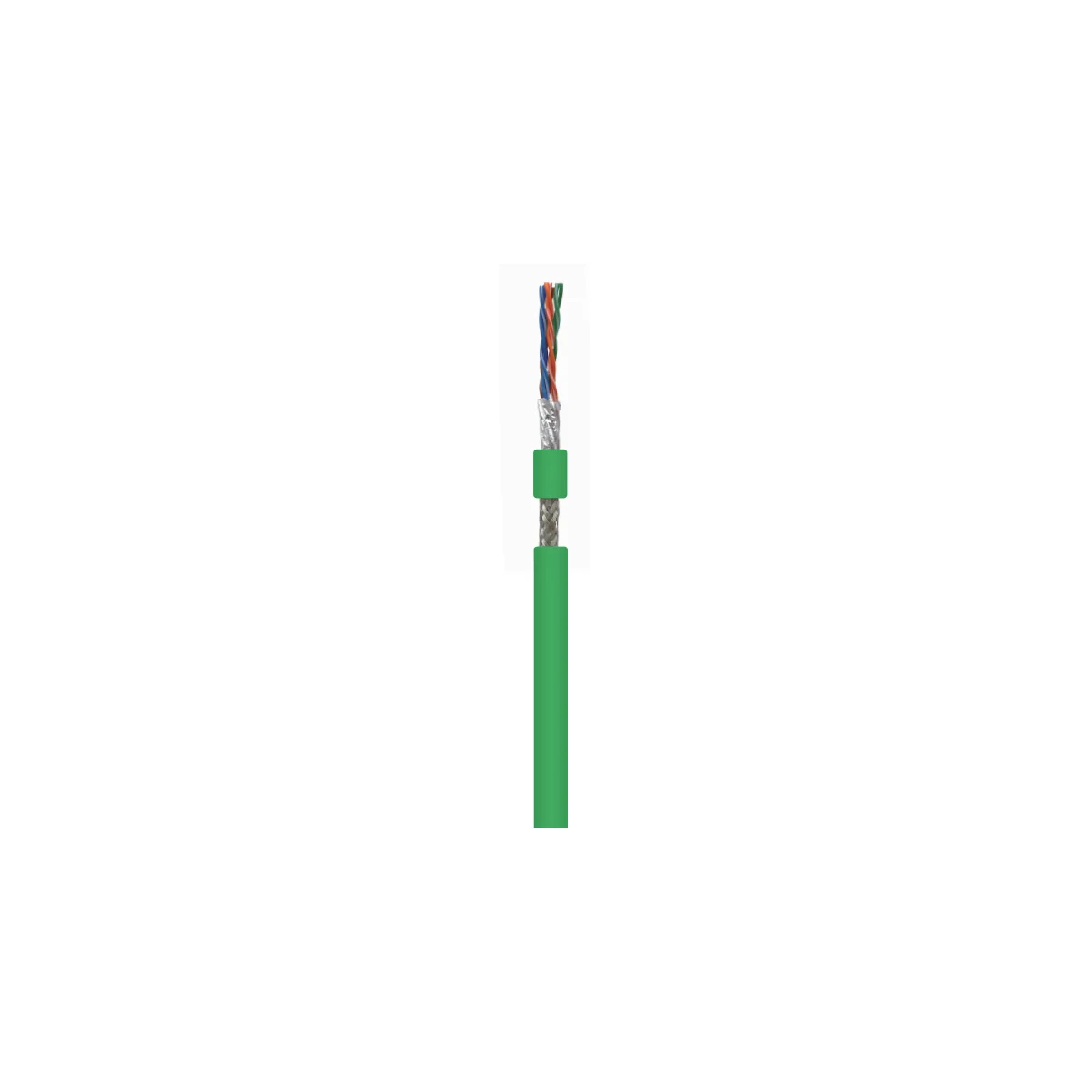
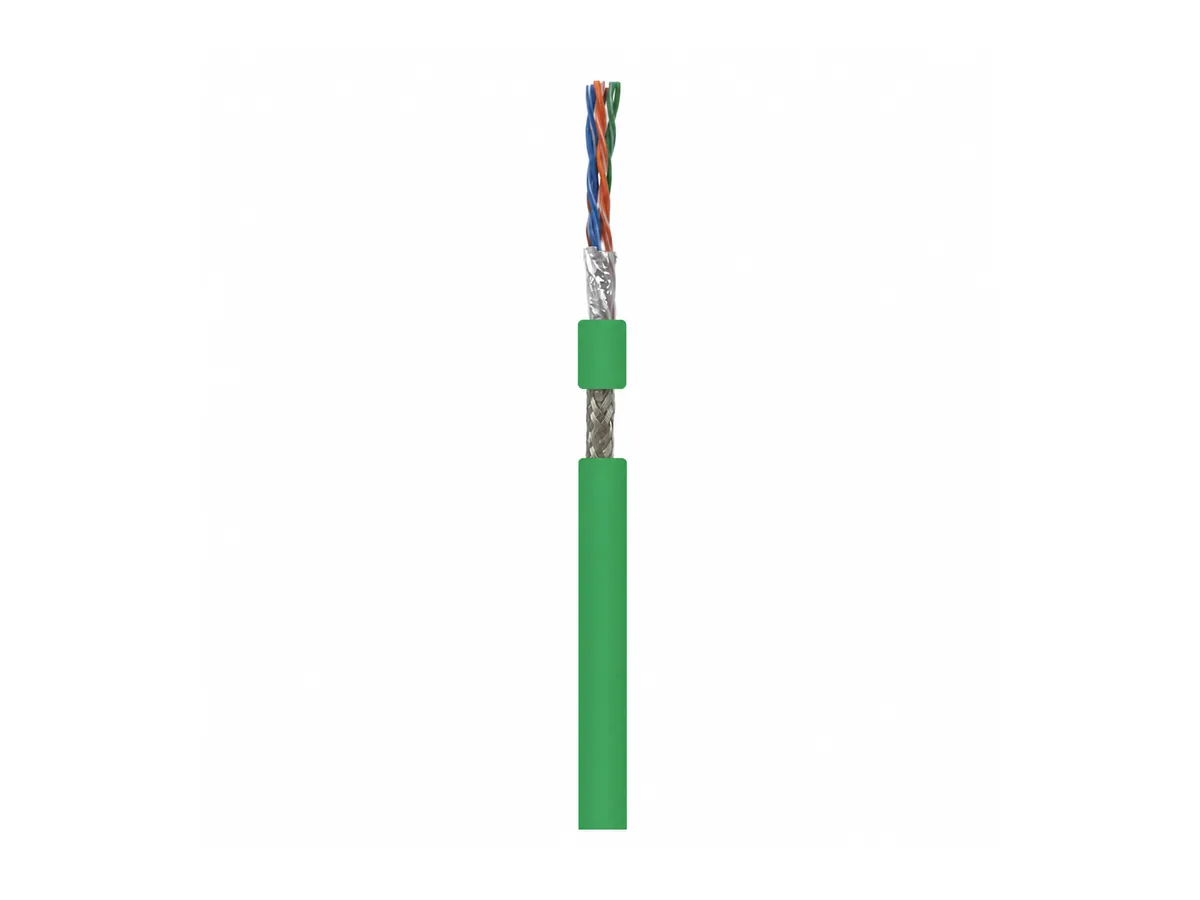
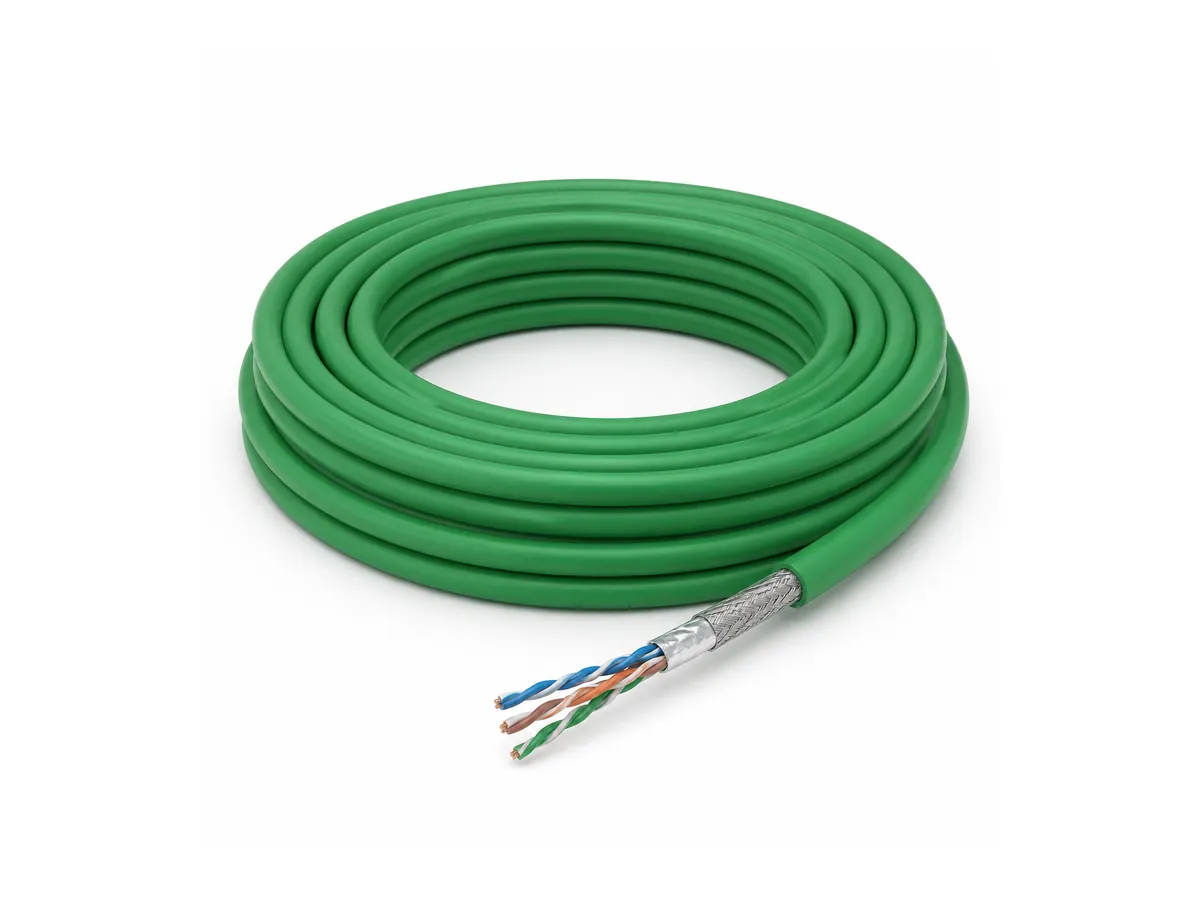
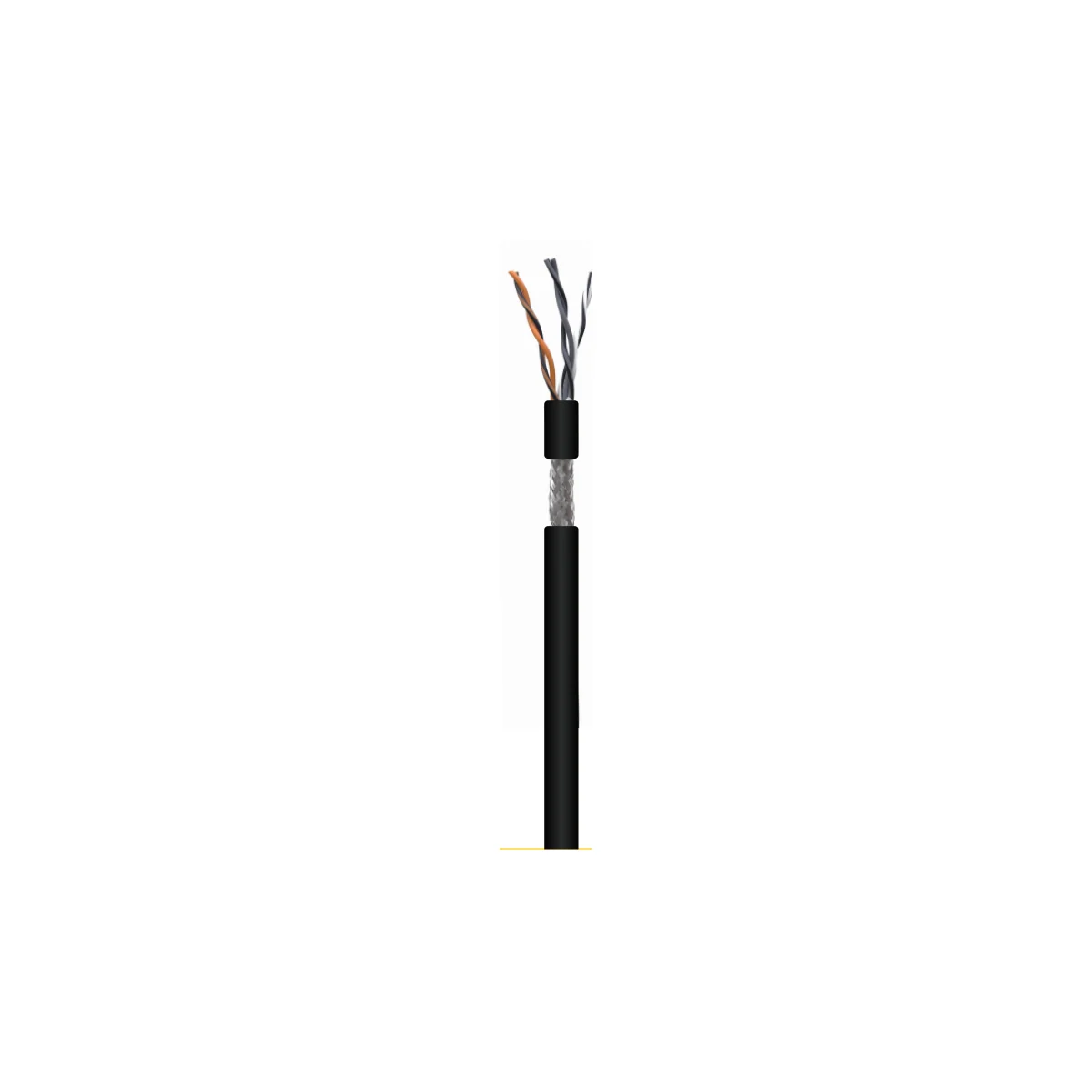
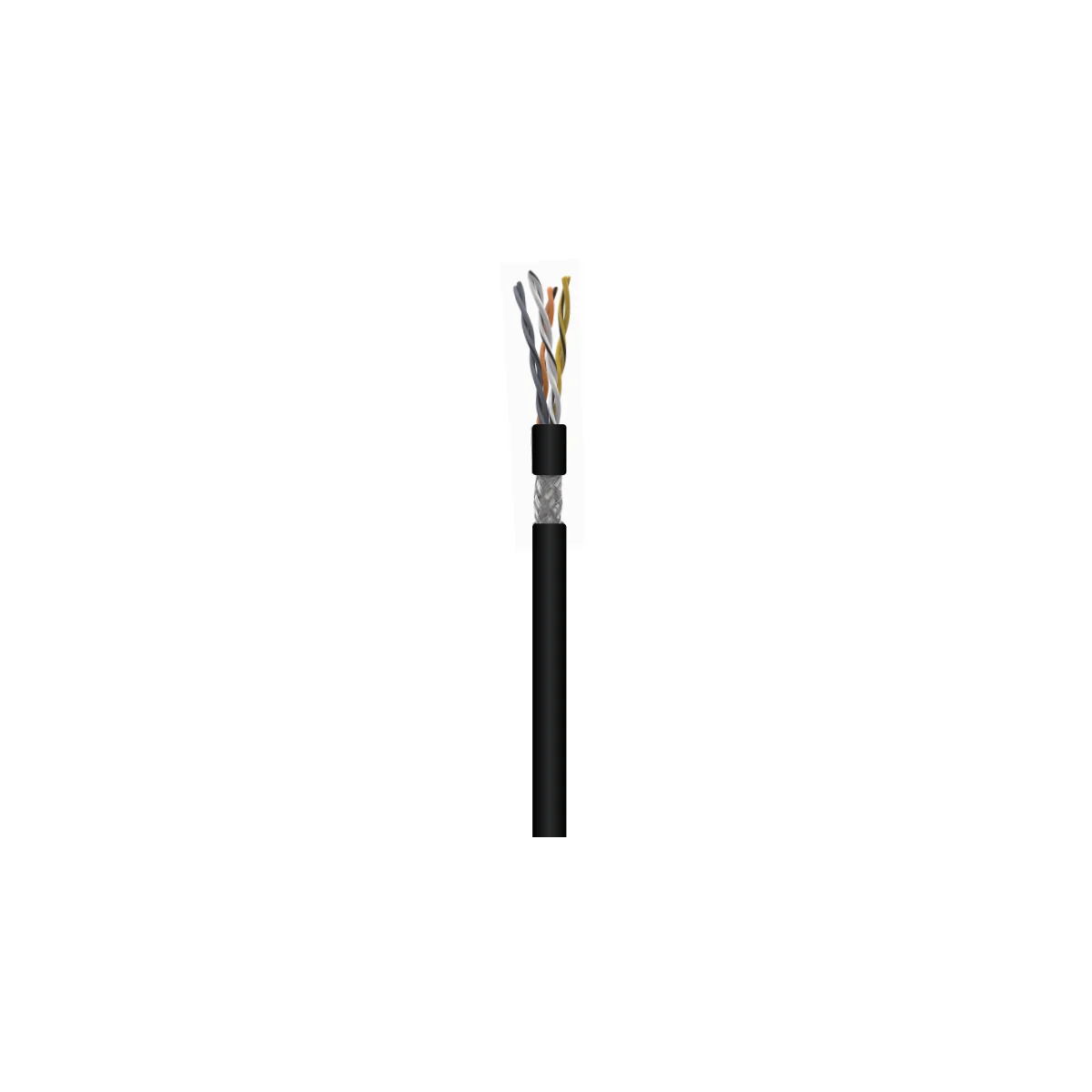
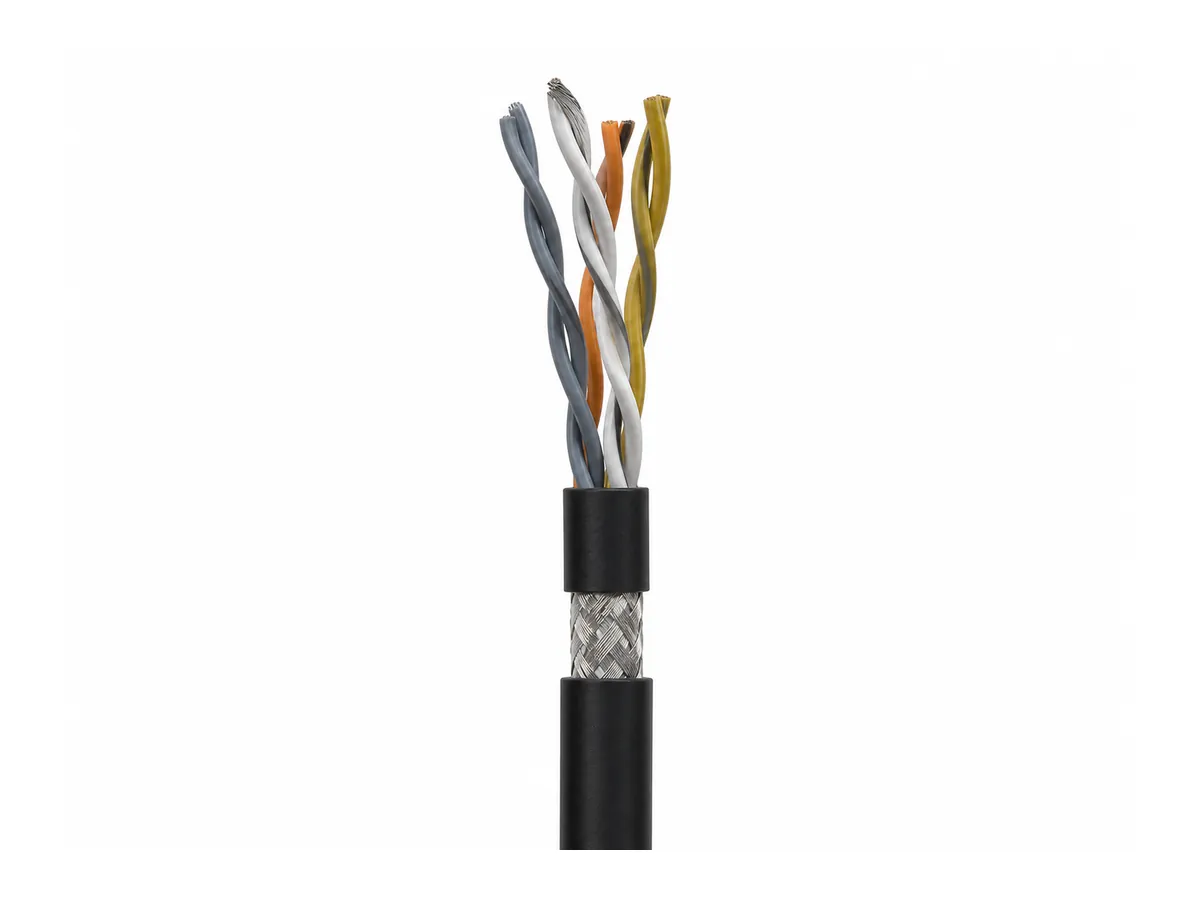
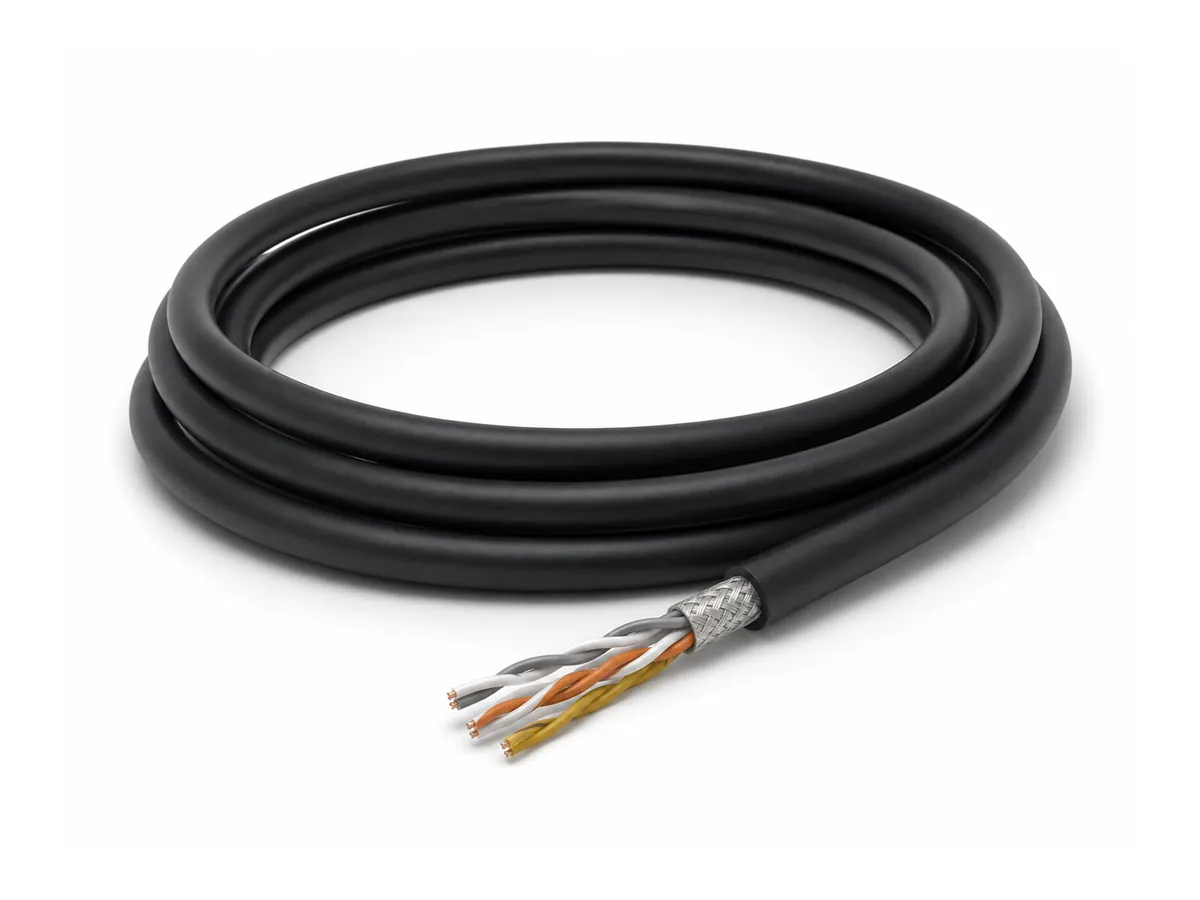
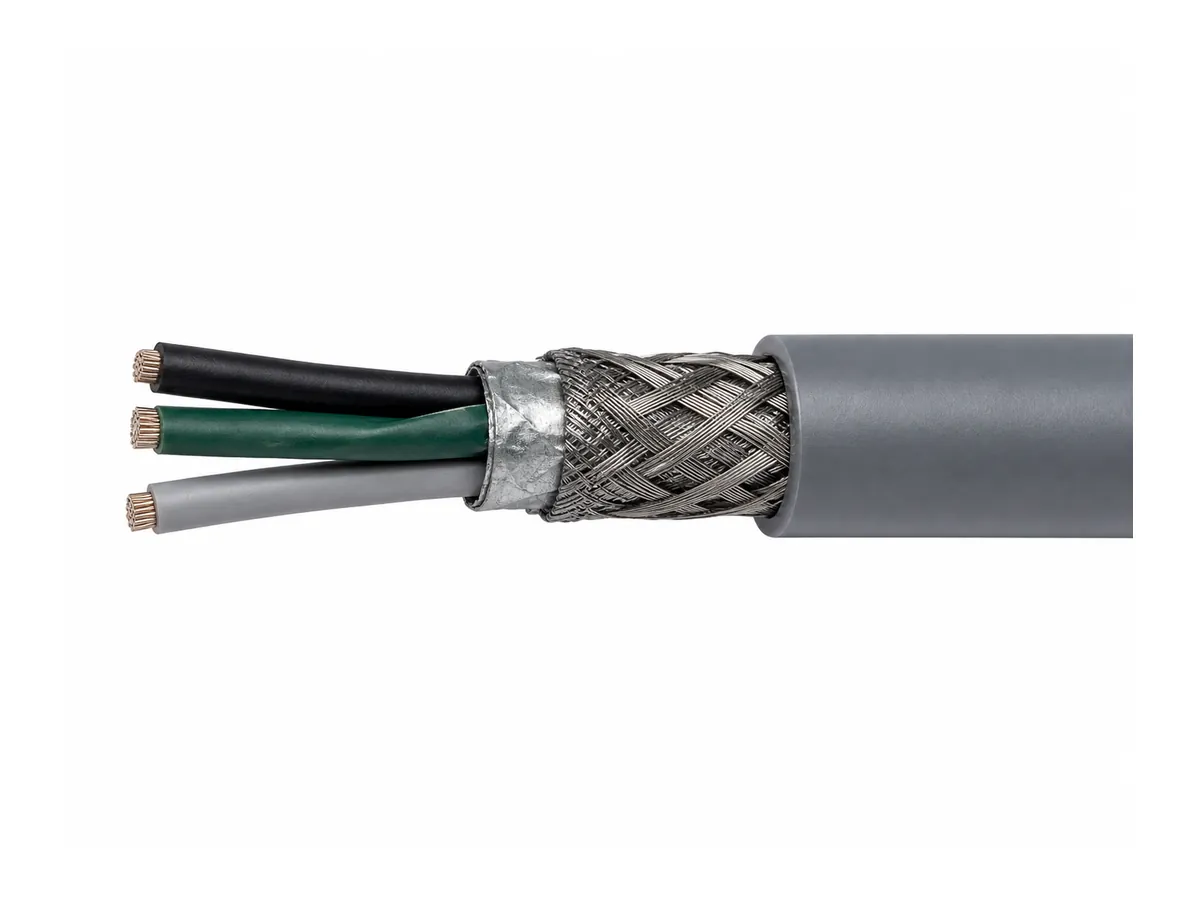
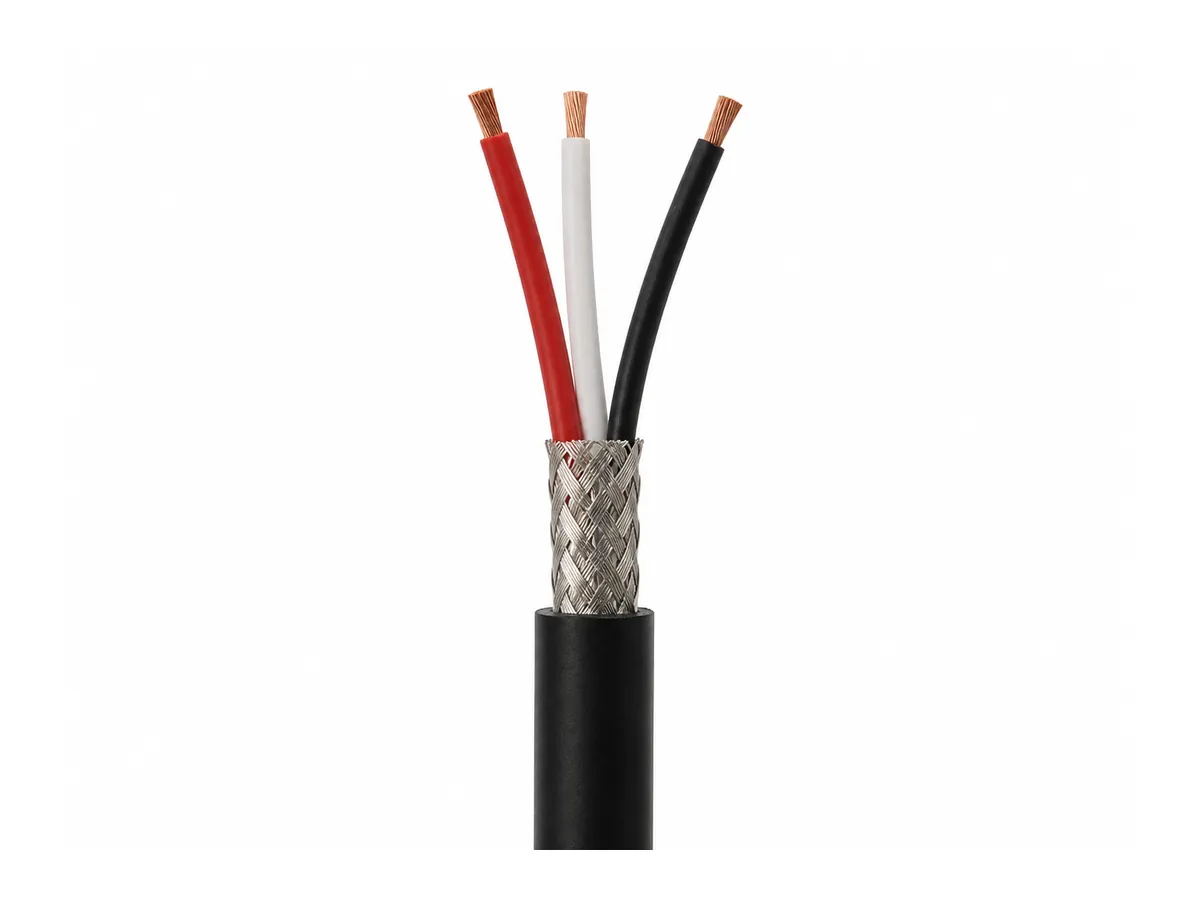
Both cable types may use fine-stranded conductors, flexible insulation and abrasion-resistant jackets. Torsional designs additionally require core geometry and layers that accommodate twisting without concentrating stress. Shield braids, tapes and drain wires must remain functional throughout the intended motion.
Qualification Must Match the Duty
Cycle claims are only meaningful with test conditions. Ask for bend radius, travel, speed, torsion angle, torsion length, temperature and failure criteria. Linear-flex and torsion tests are not interchangeable.
Selection Checklist
Provide the robot model, axis, routing, motion type, minimum radius, torsion angle, travel, cycles, electrical circuits, shielding, temperature, oil or coolant exposure, connector details and required approvals. A sample assembly should be checked before volume production.
Conclusion
Neither name is automatically “better.” The correct cable is the one engineered for the actual axis motion, electrical function and environment.
Request Technical Support
Browse our industrial cable range and best-selling cable solutions. Send your application drawing, electrical requirements, motion data and purchasing quantity for a technical review and quotation.