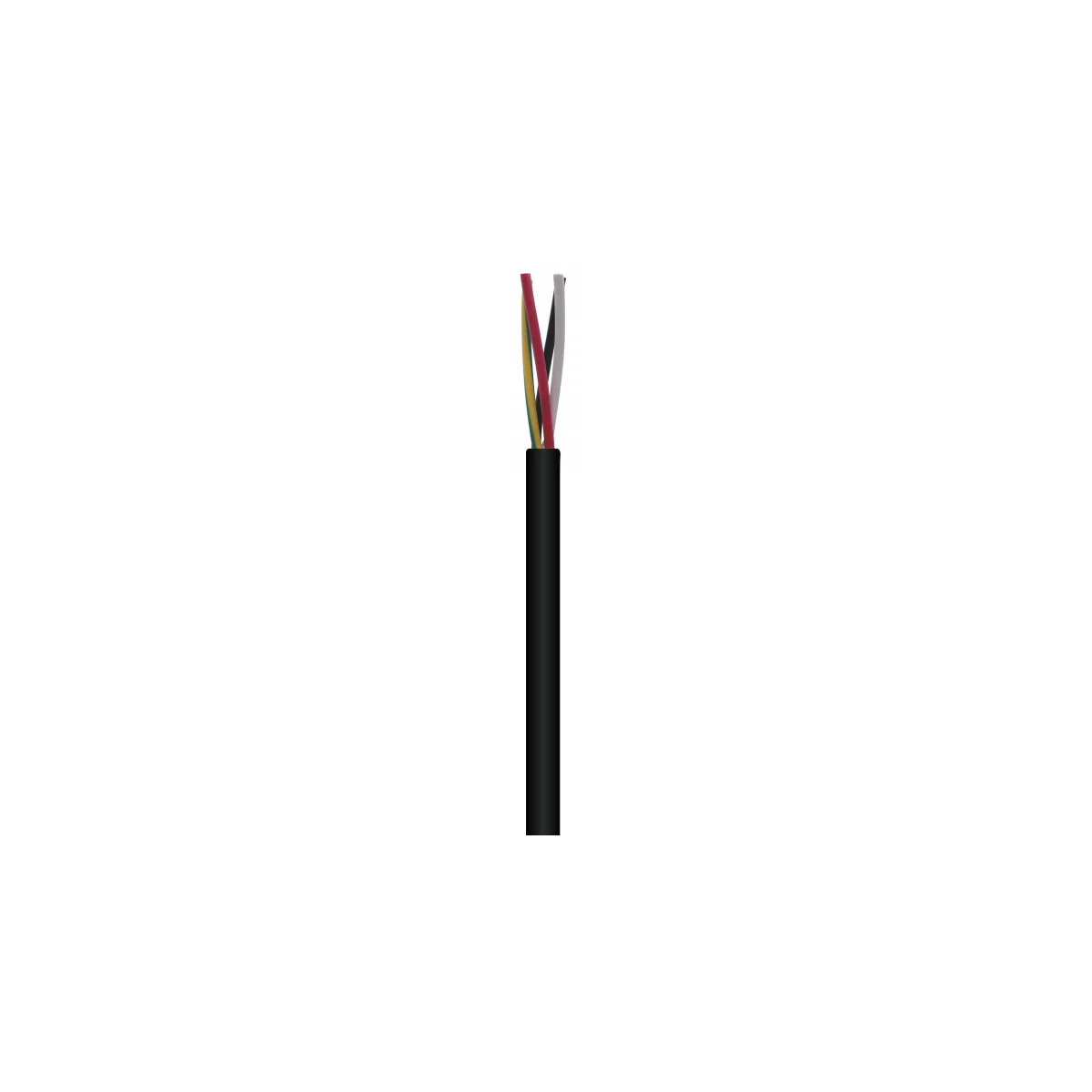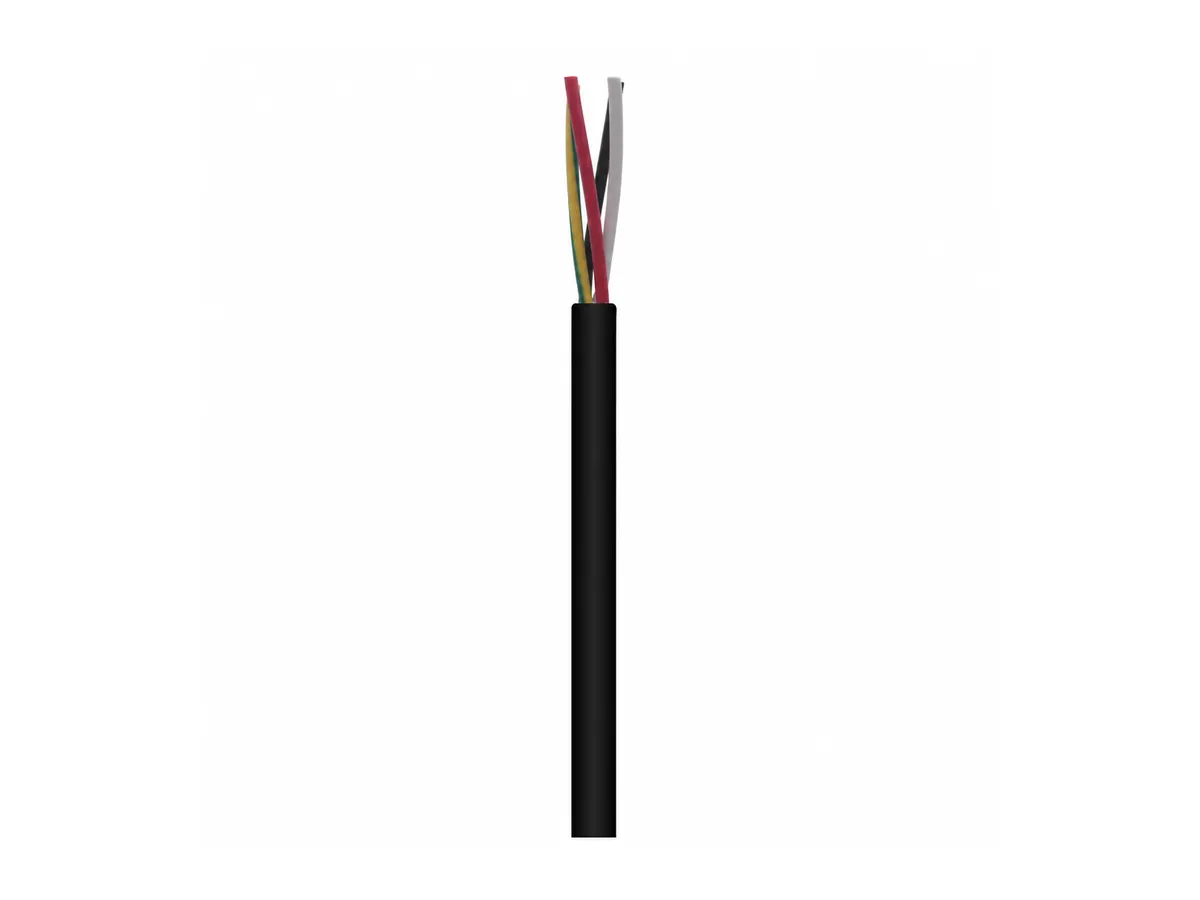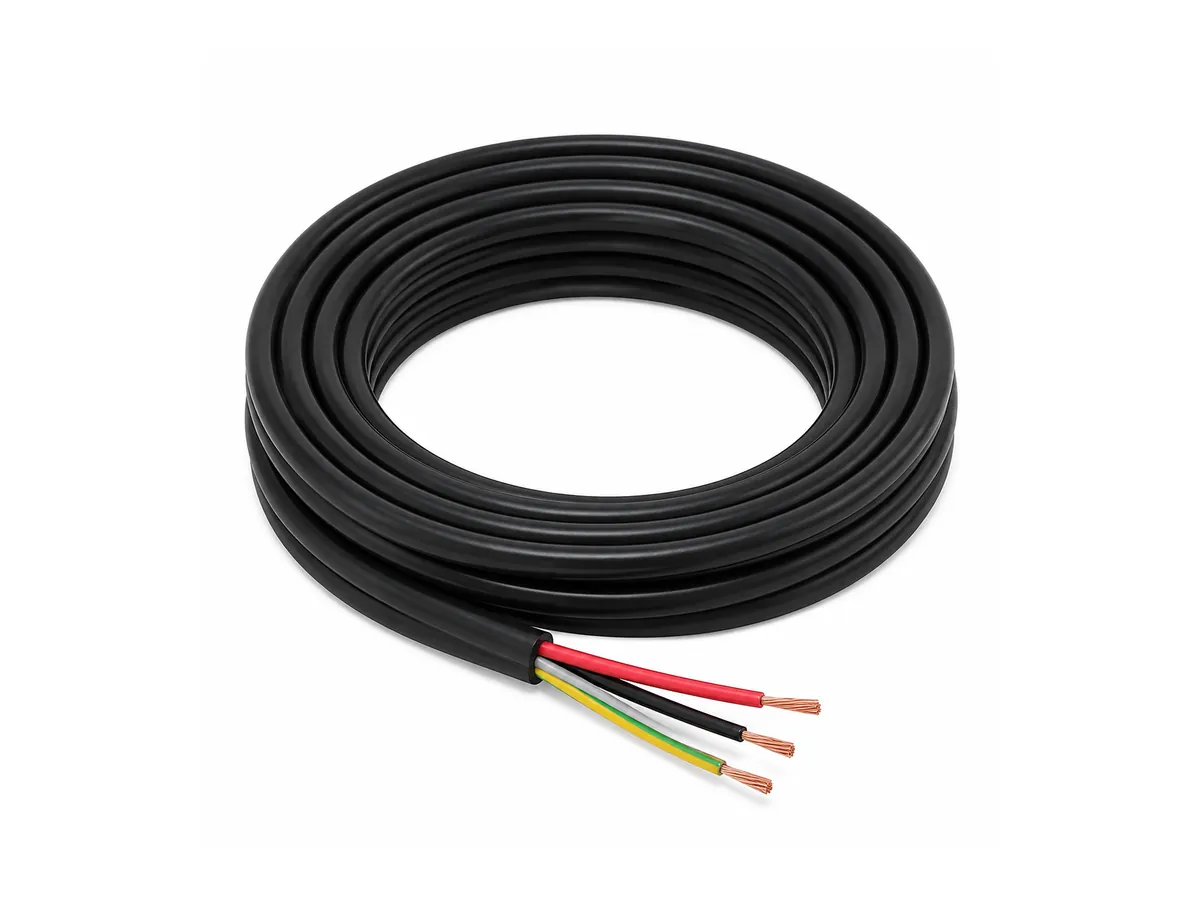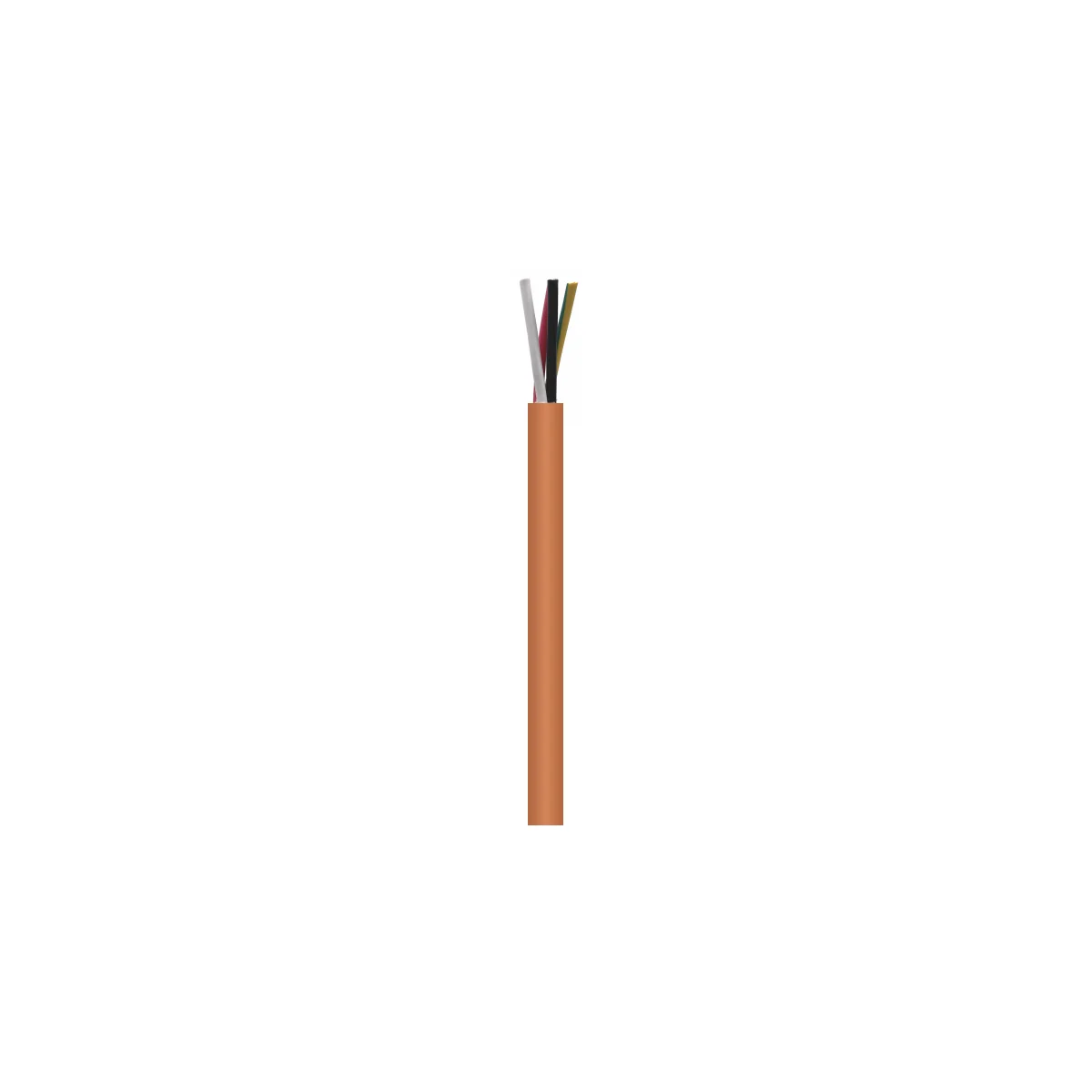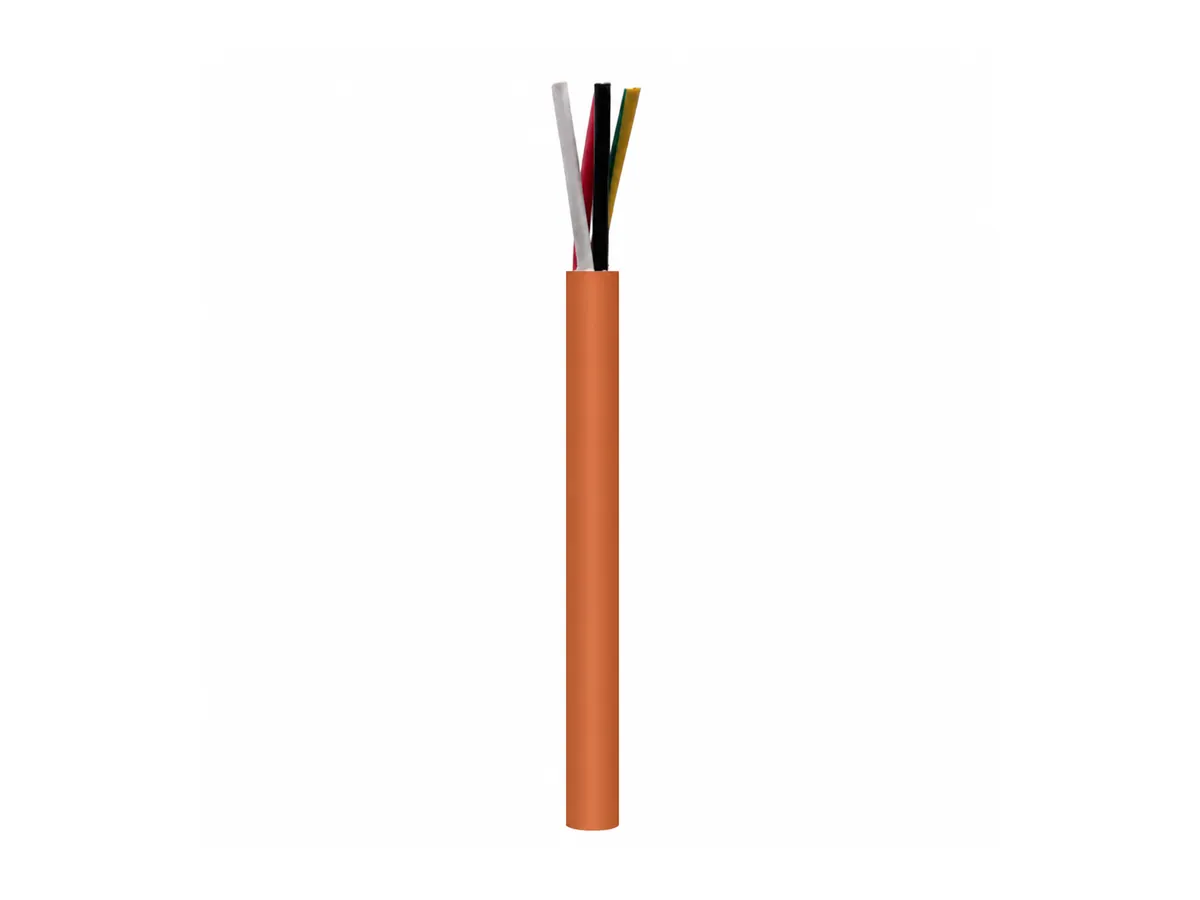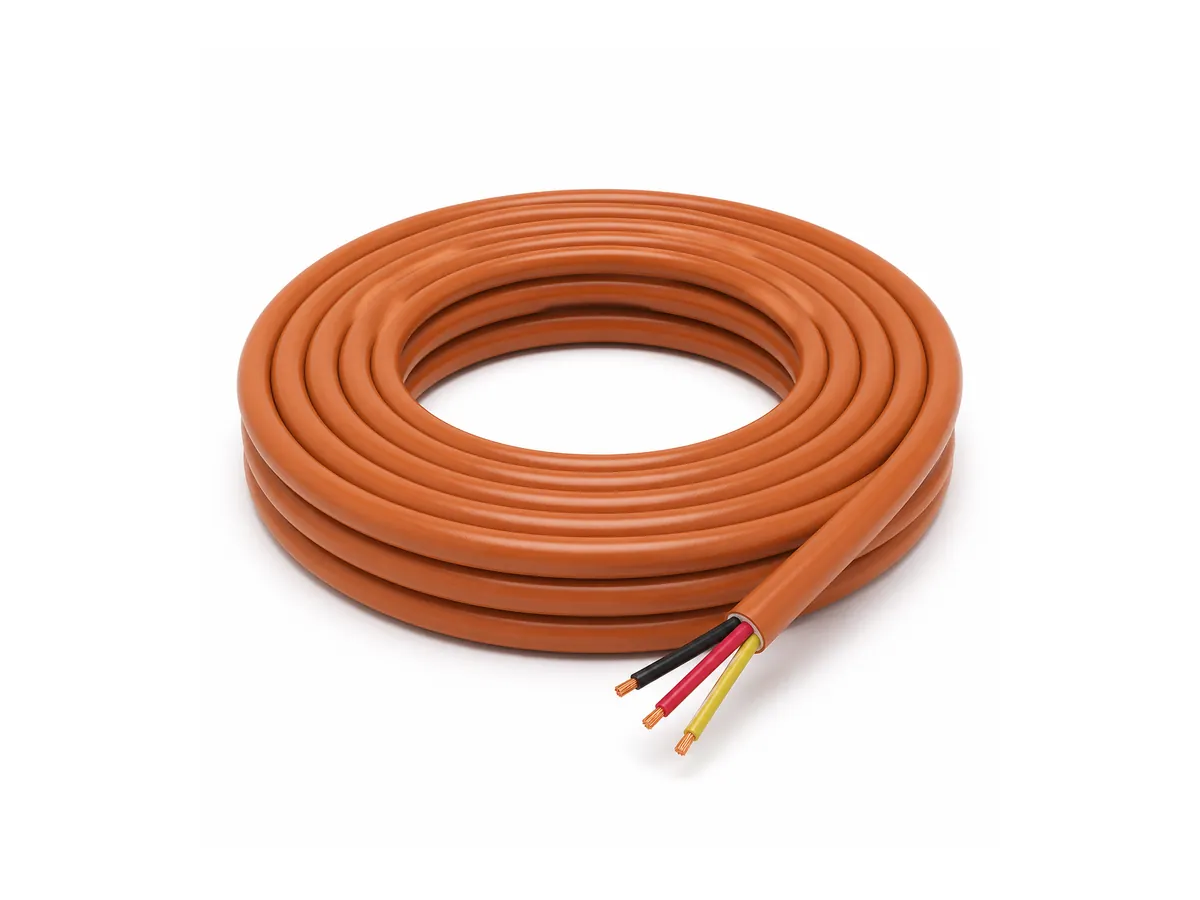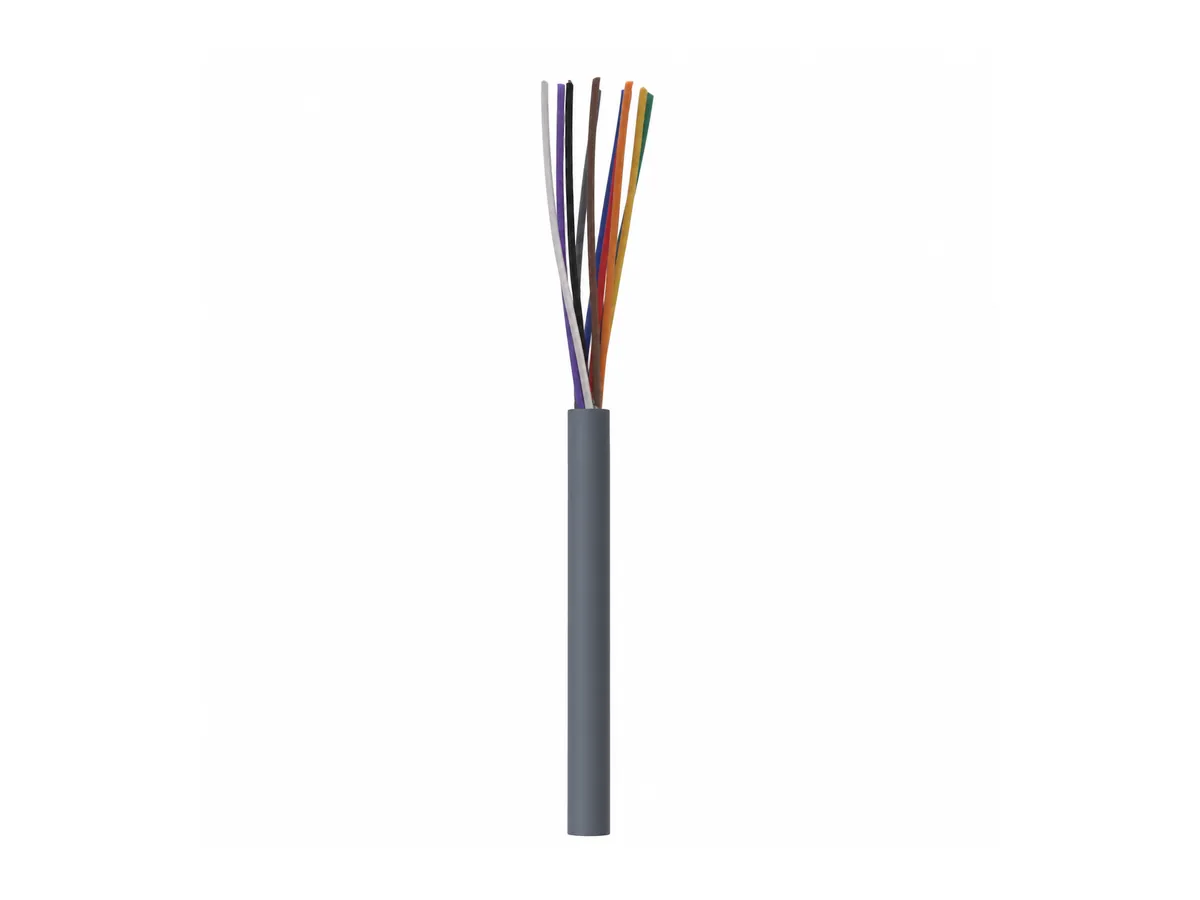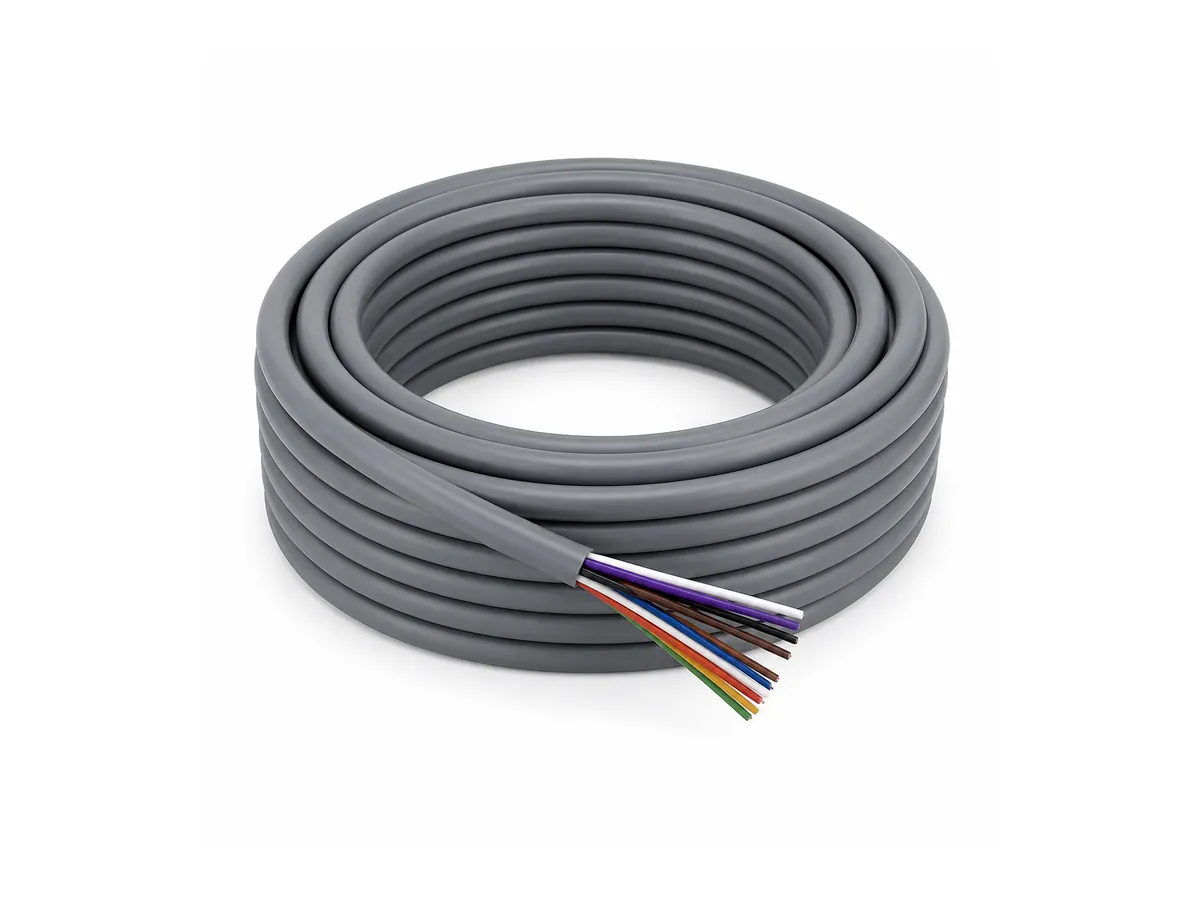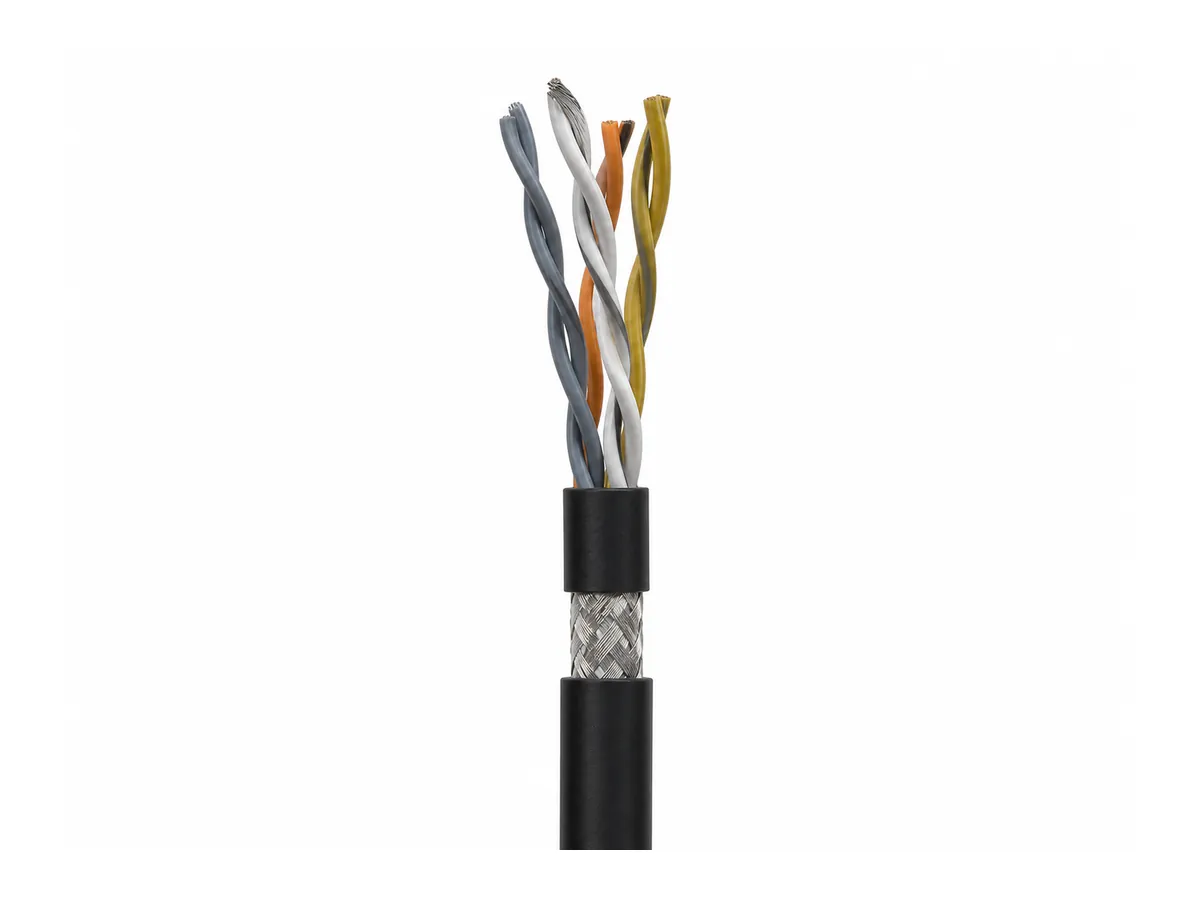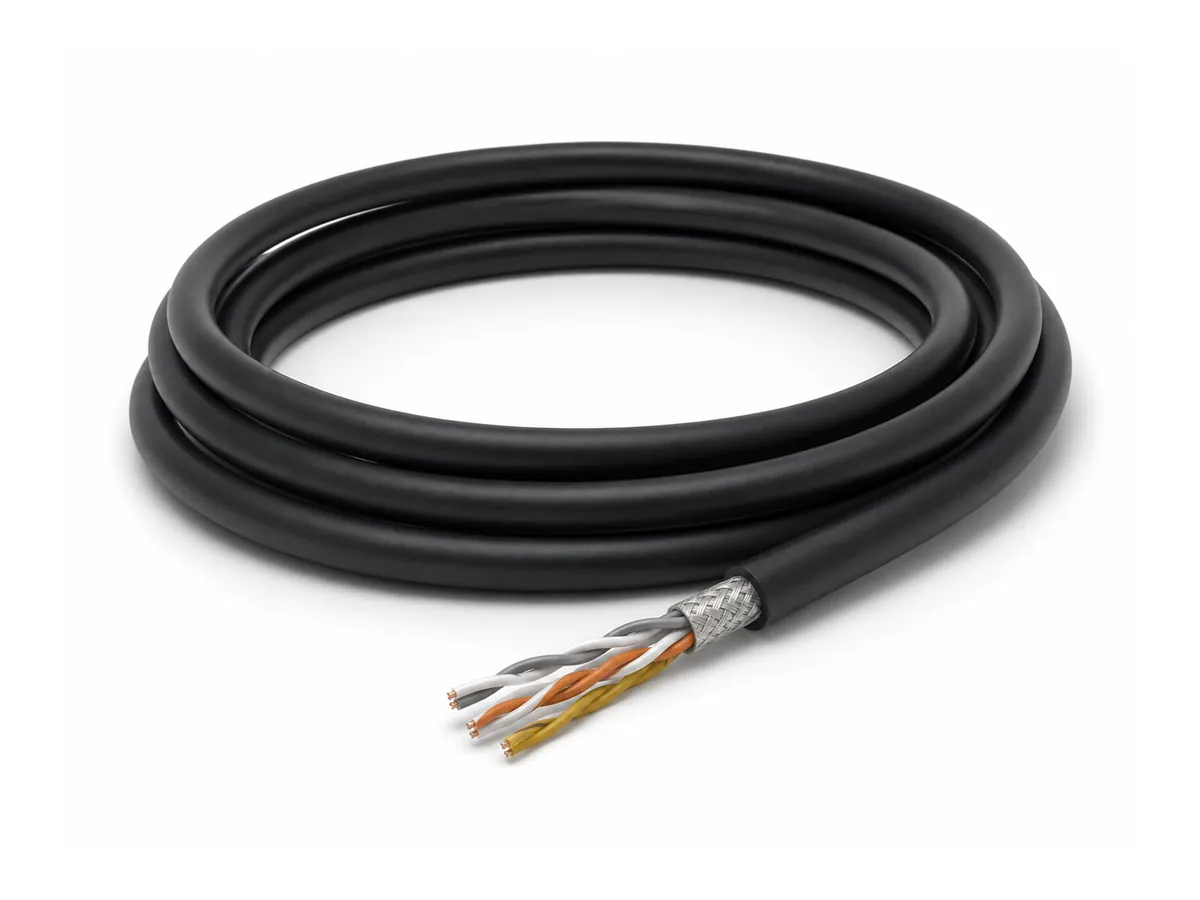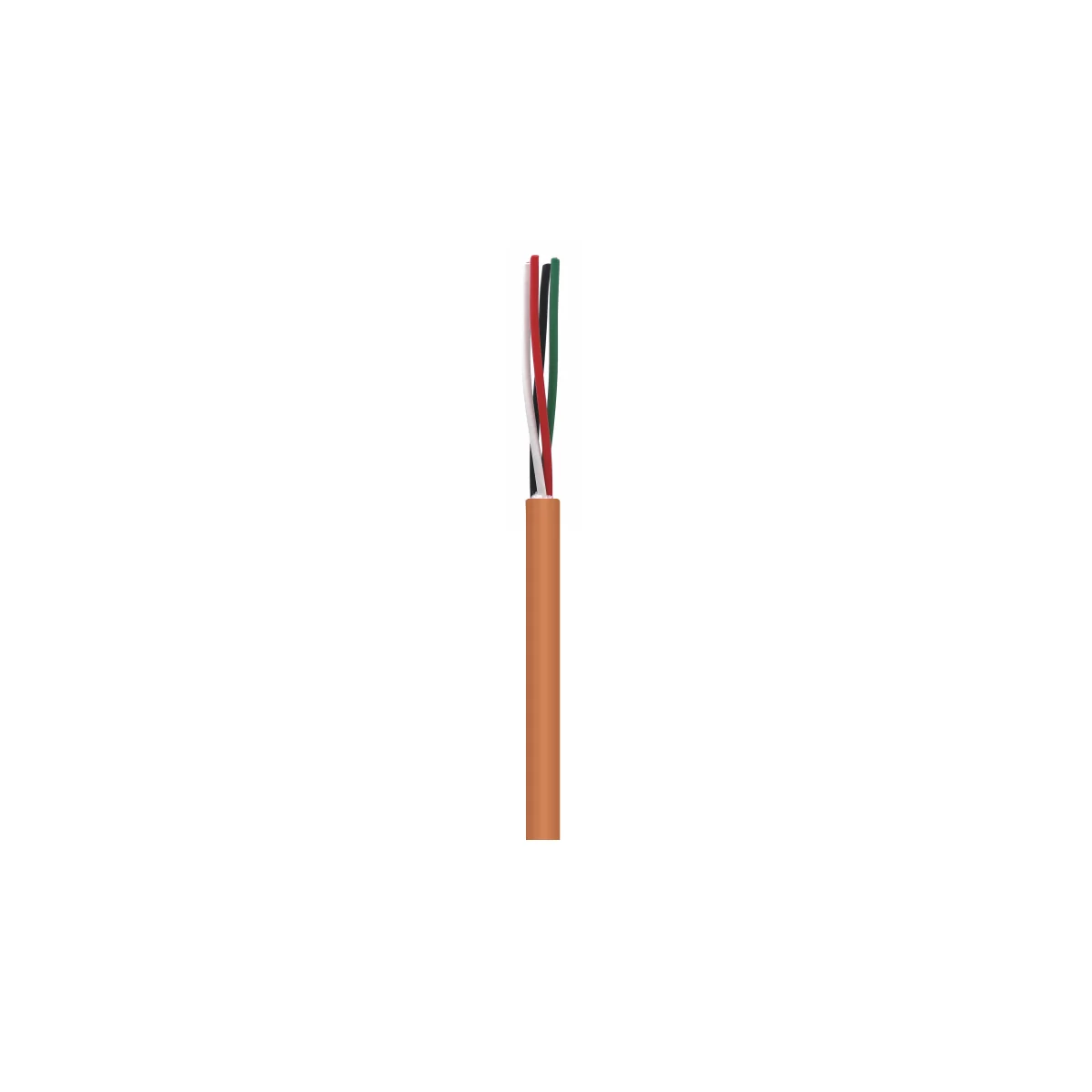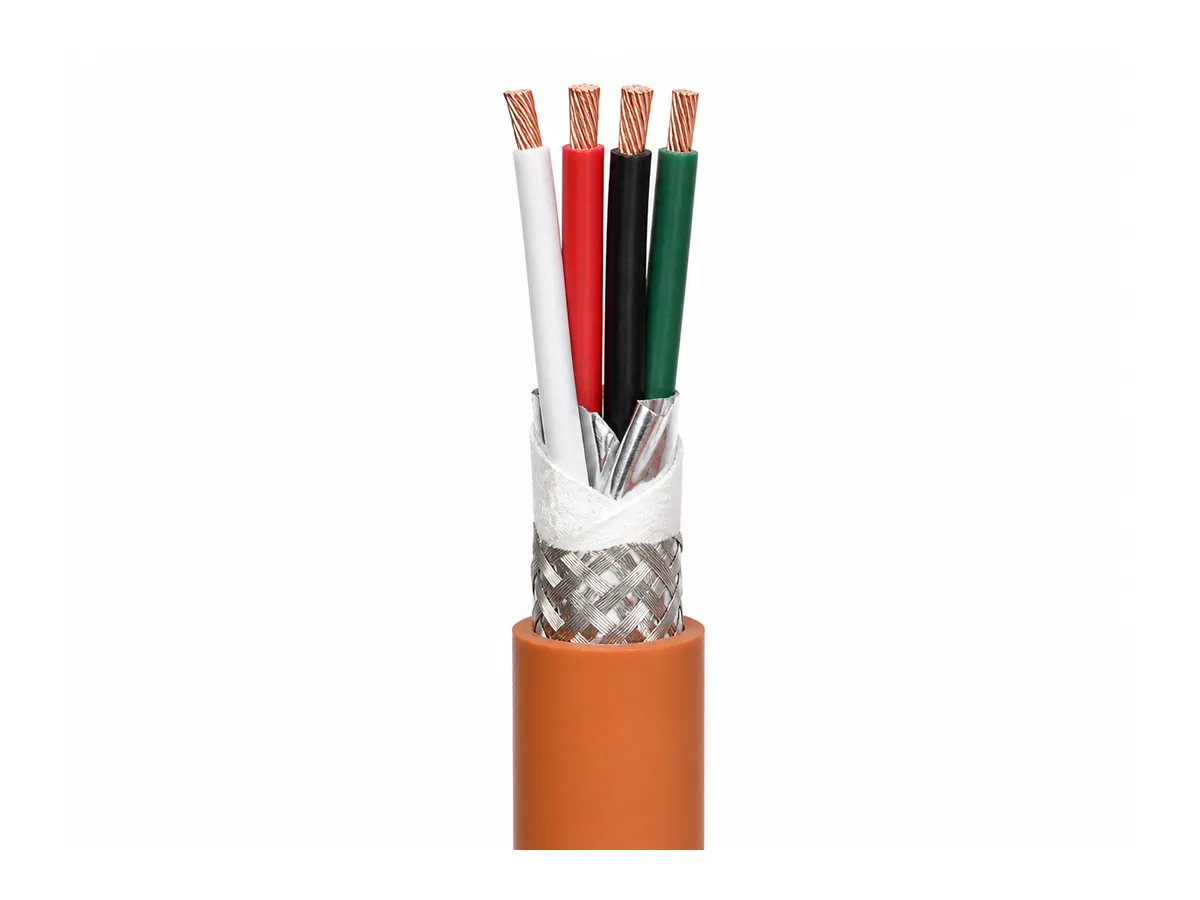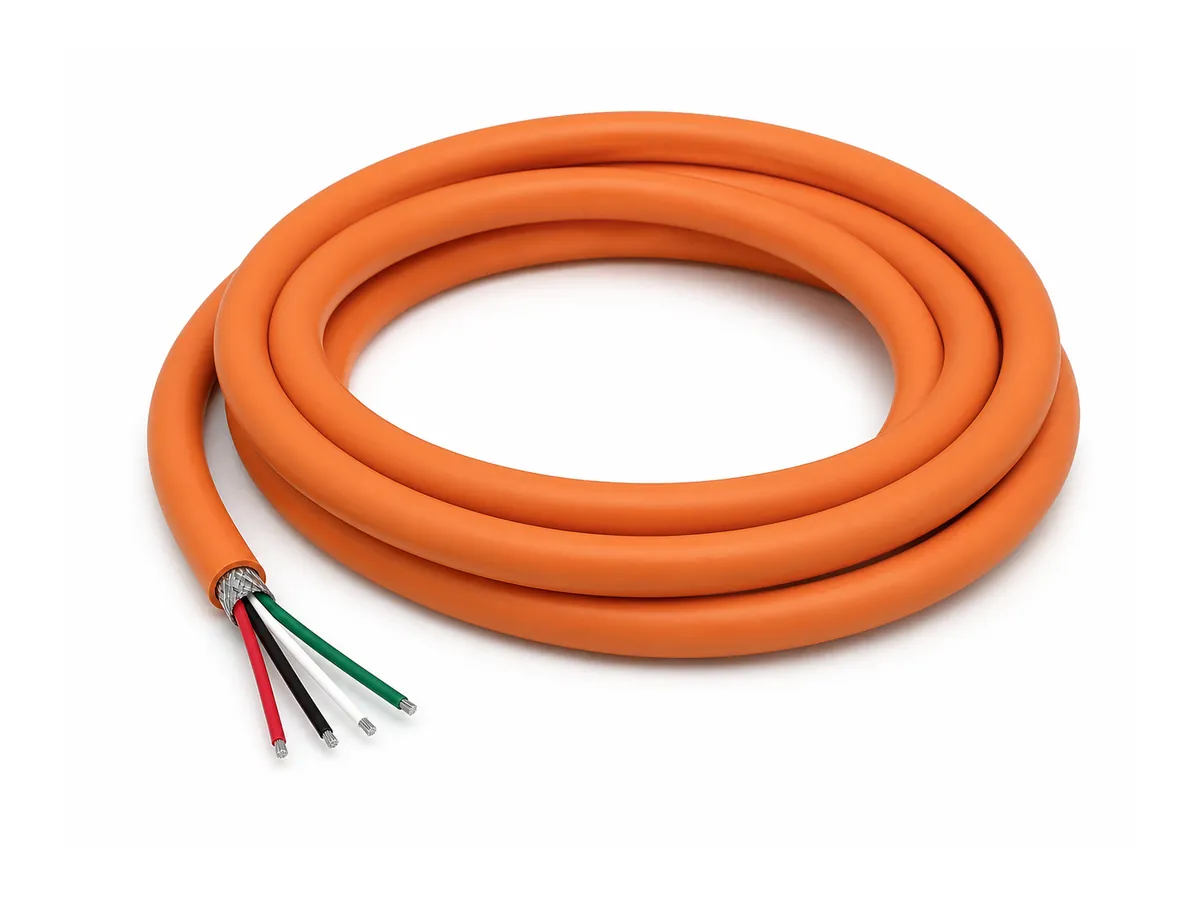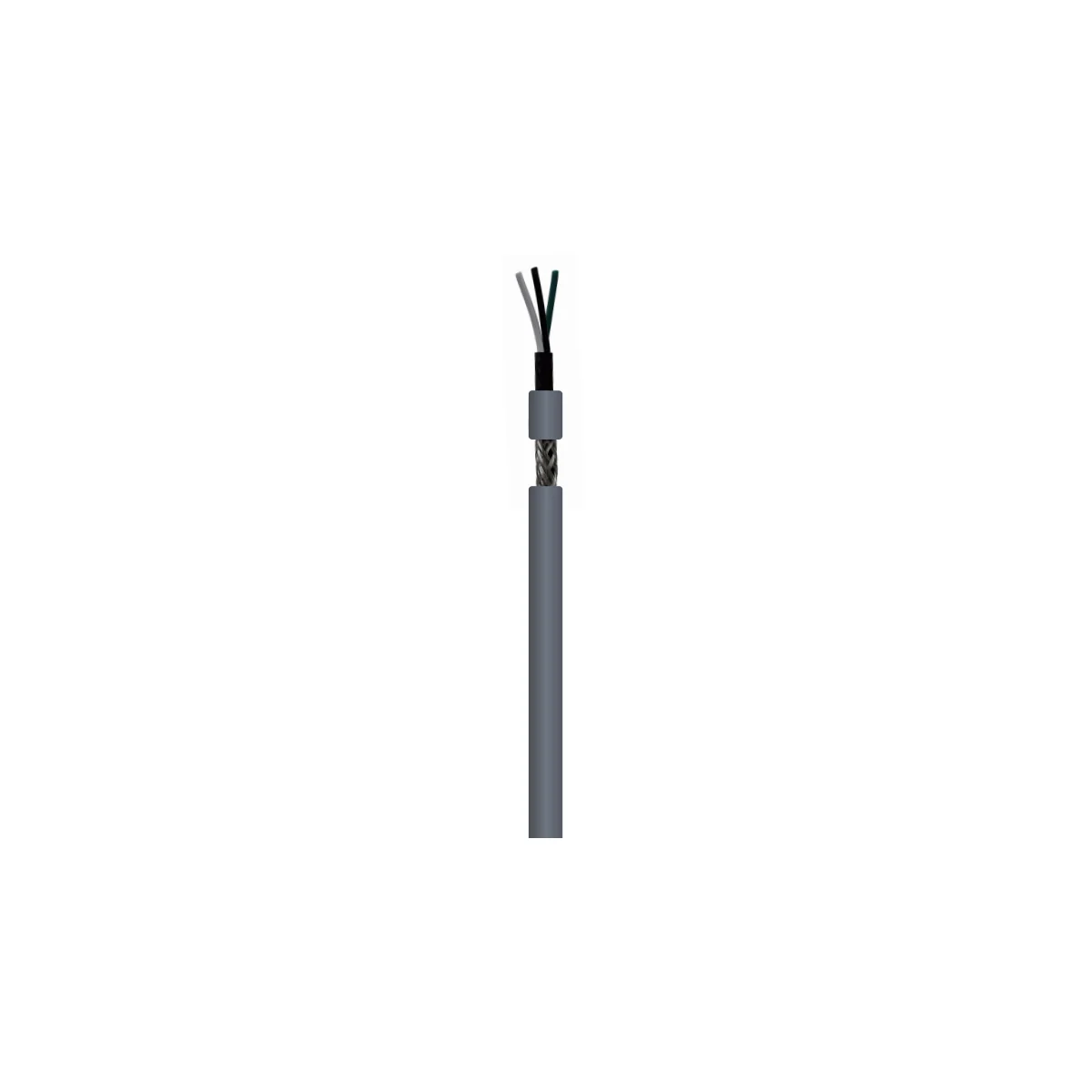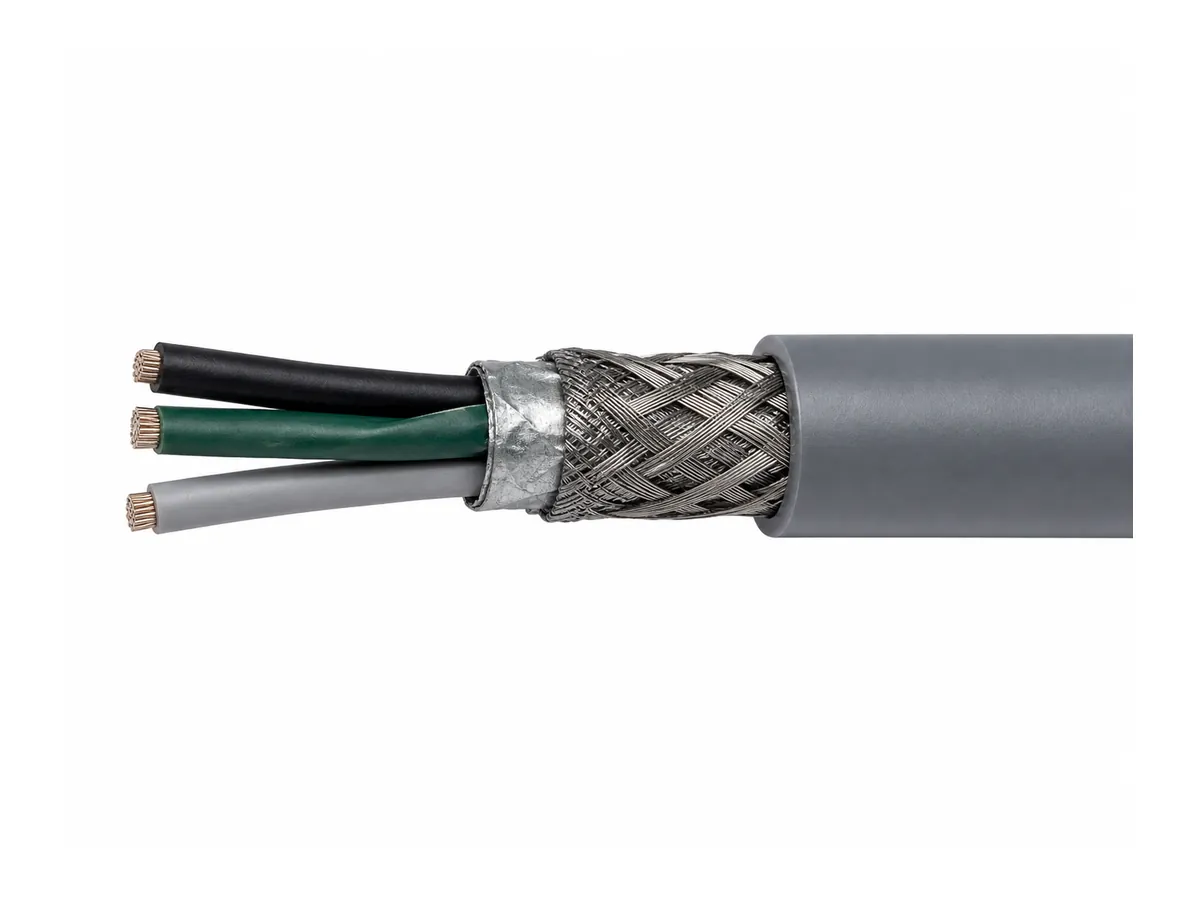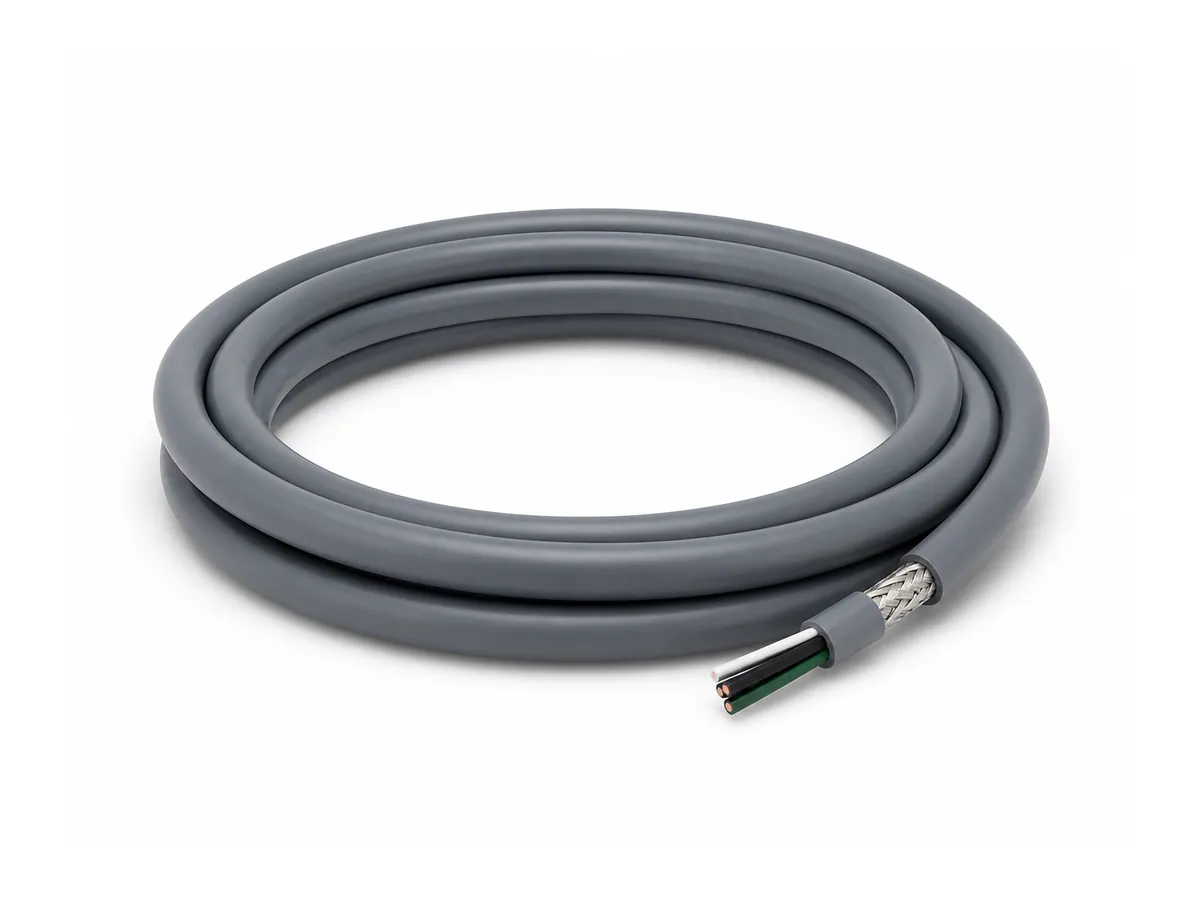
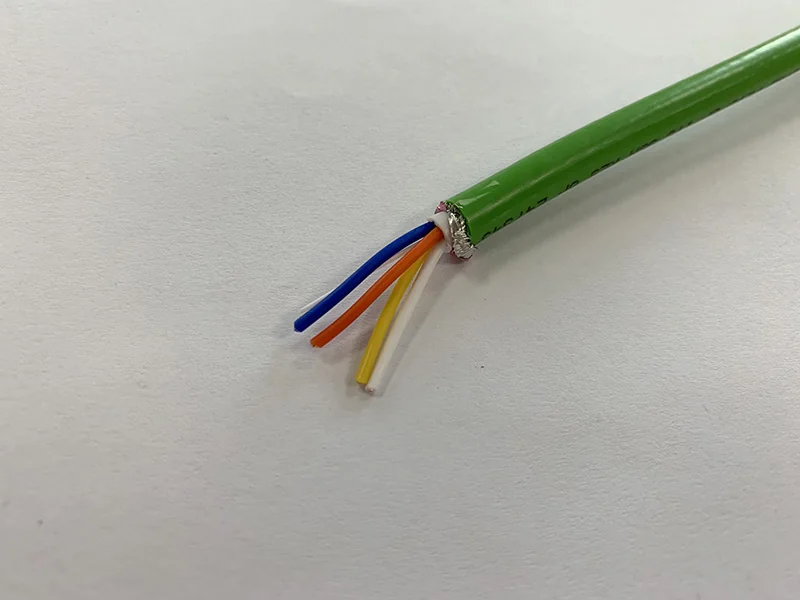
Drag chain cables act as moving connections between fixed controls and traveling machine components. They carry power, control, feedback or data while following a defined path inside a cable carrier. Correct cable construction is essential, but installation and maintenance often determine whether the system achieves stable service or suffers early failure.
Why Cable Carrier Applications Are Demanding
Every machine cycle bends the cable and creates internal movement between conductors, insulation, shields and jacket. Acceleration, long travel, tight radii and high cycle frequency increase mechanical stress. Oil, chips, coolant and abrasion can add environmental loading.
Prepare the Cable Before Installation
Store reels correctly and unwind cable tangentially rather than pulling it over a reel flange. Avoid loops and twists. Allow the cable to relax before placing it in the carrier, especially after transport or cold storage. Confirm that the cable is designed for continuous flex and that its dynamic bend radius is compatible with the carrier.
Arrange Cables Inside the Carrier
- Provide enough clearance for each cable to move freely.
- Use separators when cable diameters, weights or functions differ significantly.
- Avoid crossing, stacking or tightly bundling moving cables.
- Keep heavy hoses from pressing on smaller signal cables.
- Distribute weight to support smooth carrier travel.
Strain Relief and Fixed Points
Strain relief should be located according to the carrier and cable supplier’s instructions, outside the active bending section. Clamps must hold the cable without crushing the jacket. In long-travel gliding systems, fixing and guidance requirements may differ between moving and fixed ends.
Common Installation Failures
Corkscrewing usually indicates torsion, unsuitable core construction or incorrect routing. Jacket wear may result from overfilling, sharp edges or insufficient clearance. Conductor or shield fatigue can be accelerated by a bend radius below the approved dynamic value. A cable that feels soft by hand is not necessarily suitable for repeated movement.
Inspection and Preventive Maintenance
Inspect the carrier for broken links, debris and misalignment. Check cable jackets for polishing, cuts, swelling, flattening or migration. Watch for changing noise, uneven motion or increased tension. Electrical checks may include continuity, insulation testing and shield continuity according to the machine’s maintenance plan.
Document the Operating Conditions
Record travel, speed, acceleration, cycle rate, temperature, contamination and observed wear. This evidence helps distinguish a cable design issue from an installation or machine alignment problem and supports better replacement selection.
Conclusion
Drag chain cables are a critical part of automation reliability. Matching the cable to the motion profile and installing it without twist, compression or an undersized bend radius can significantly reduce preventable downtime.
Request Technical Support
Browse our industrial cable range and best-selling cable solutions. Send your application drawing, electrical requirements, motion data and purchasing quantity for a technical review and quotation.