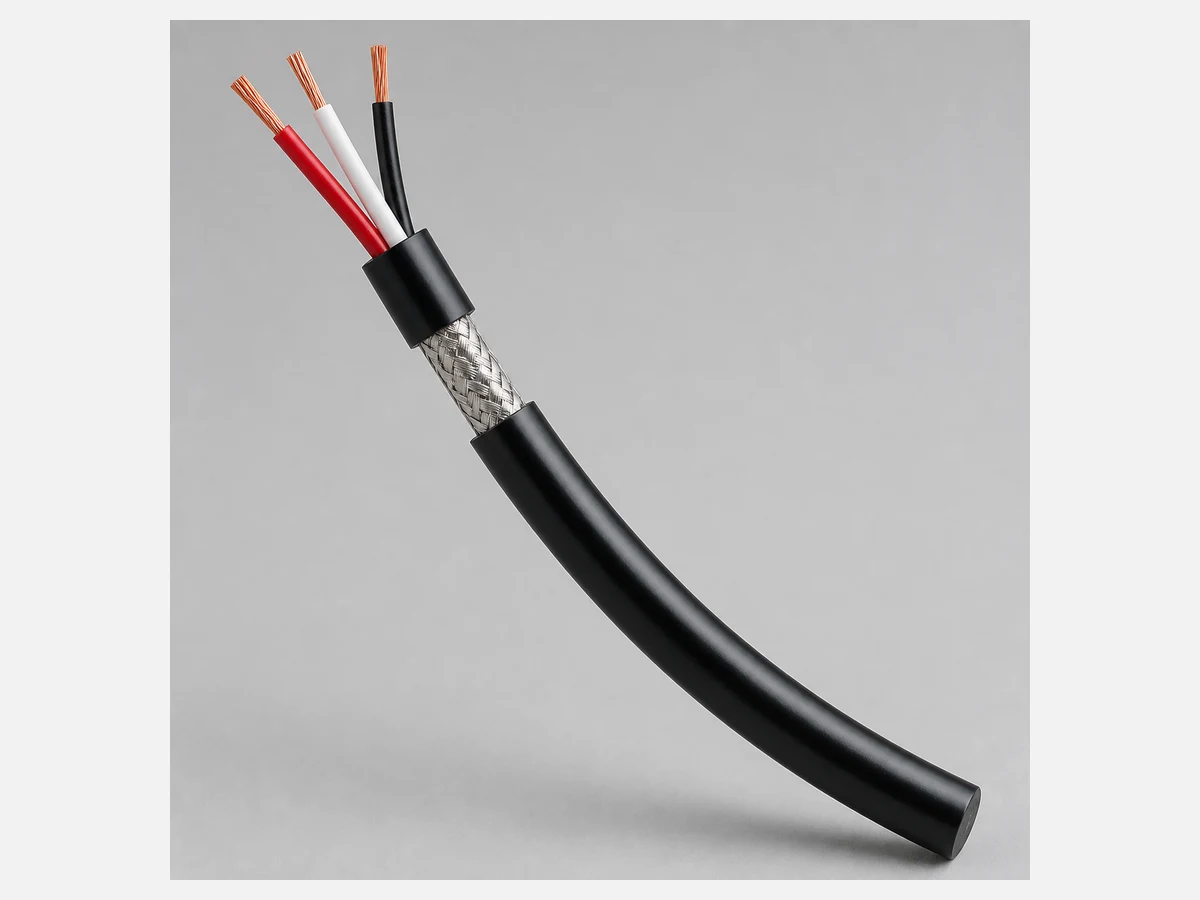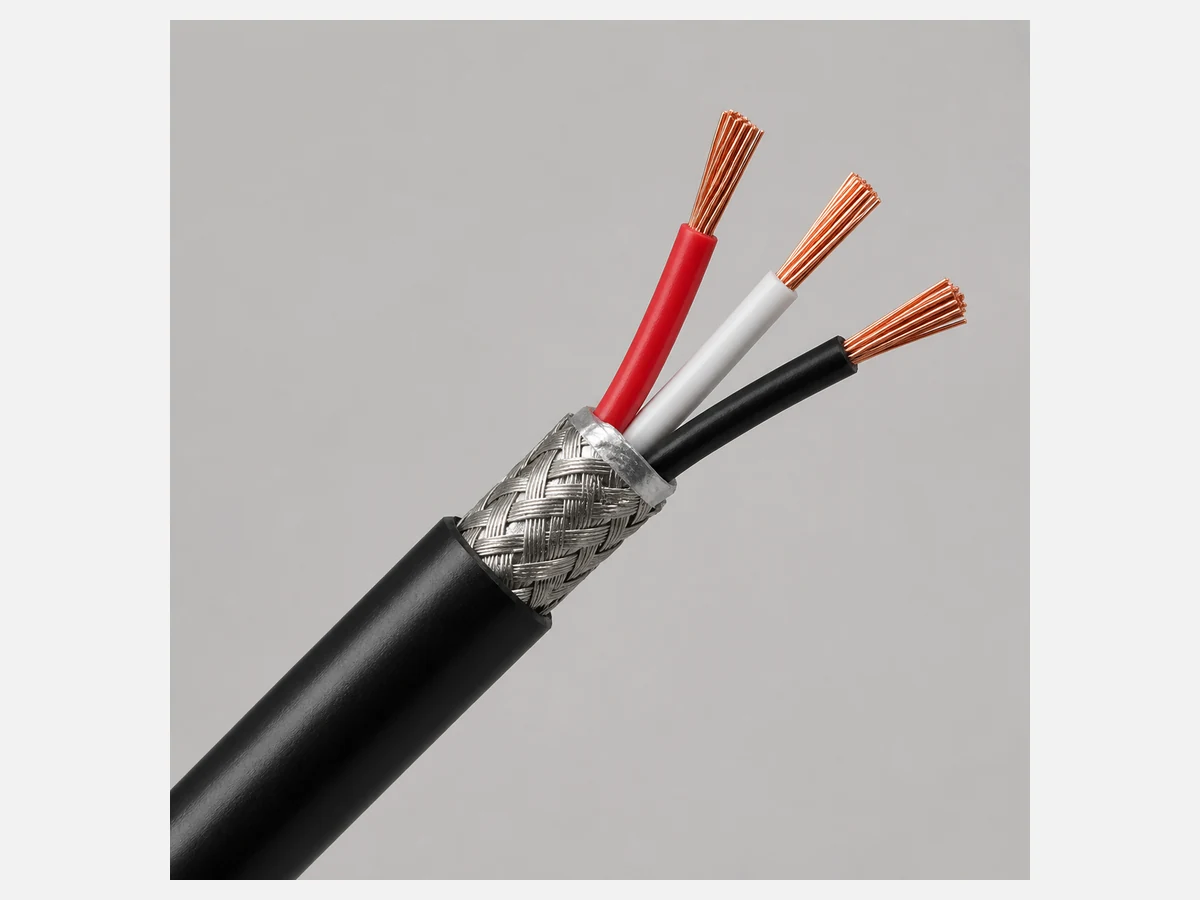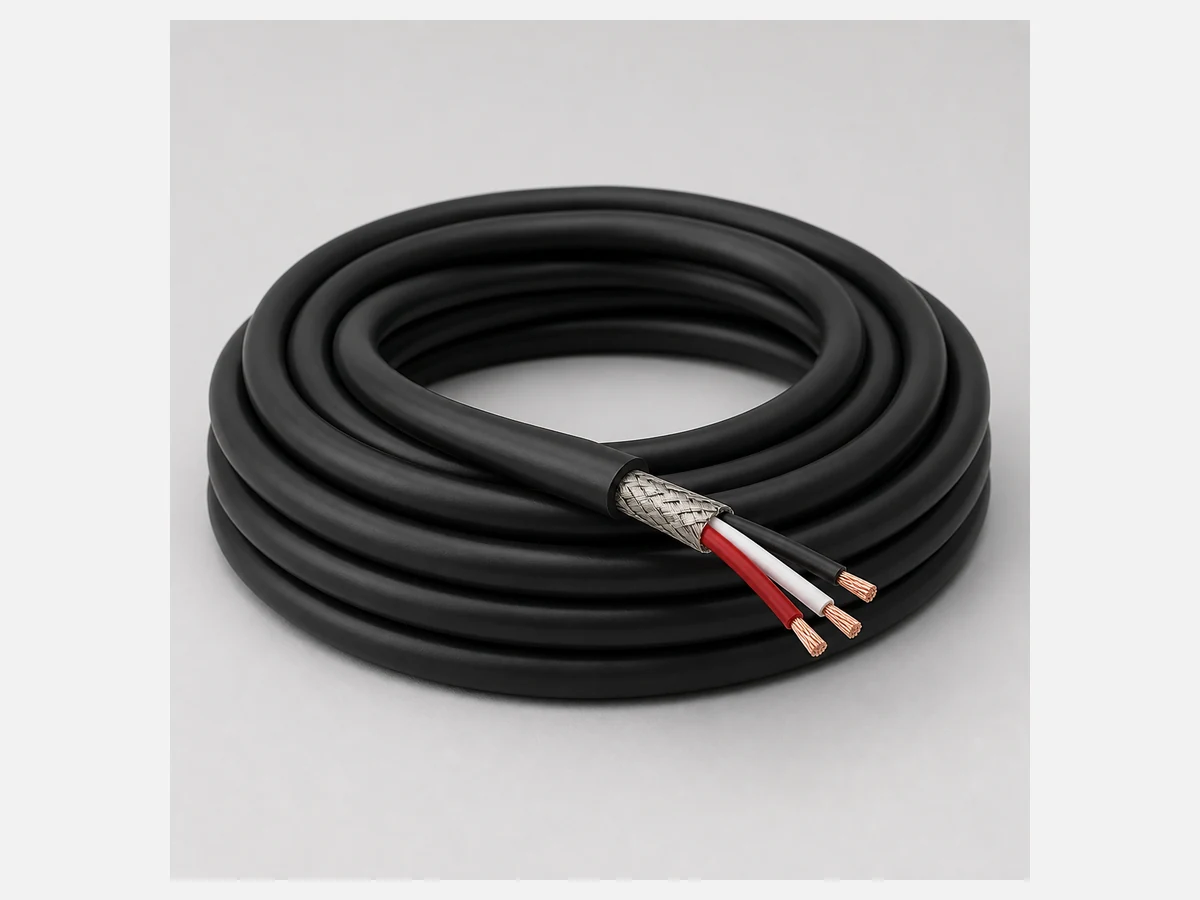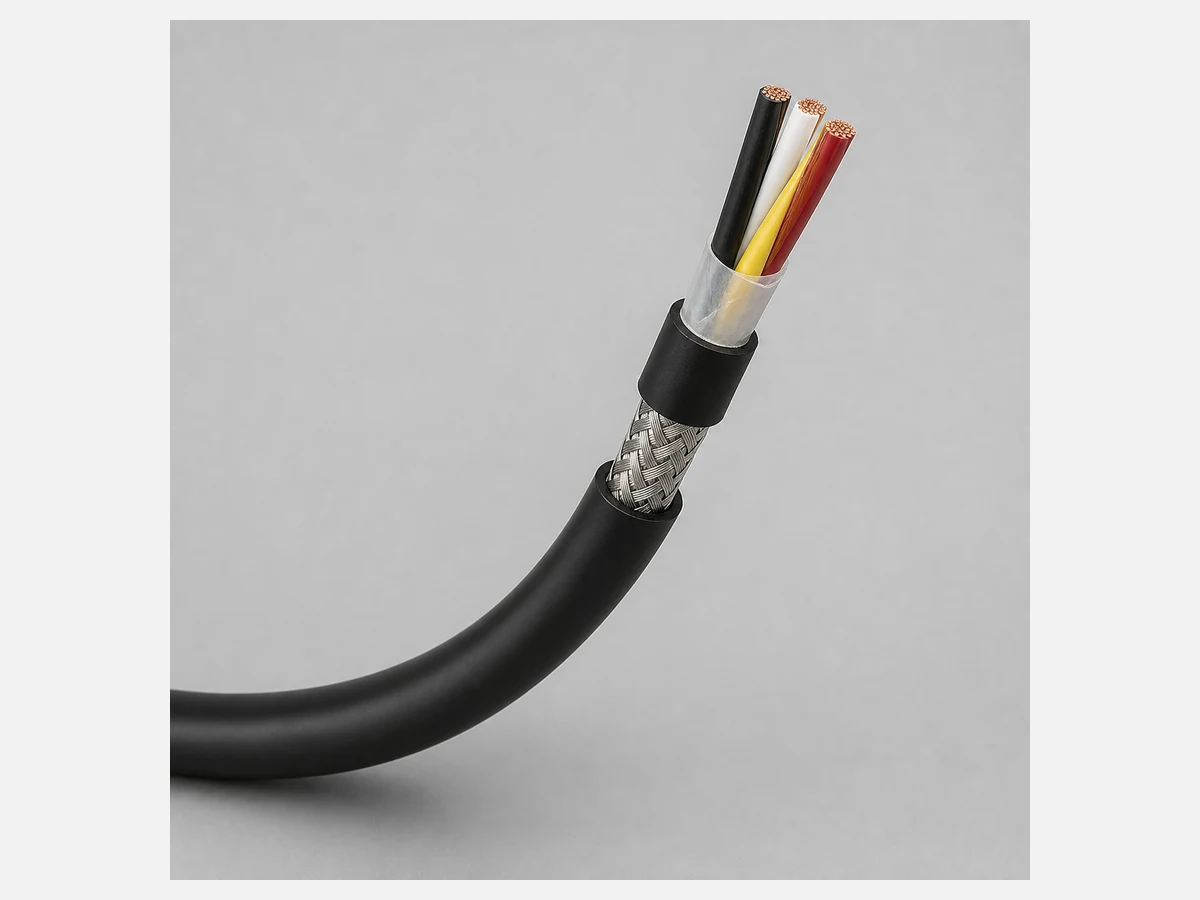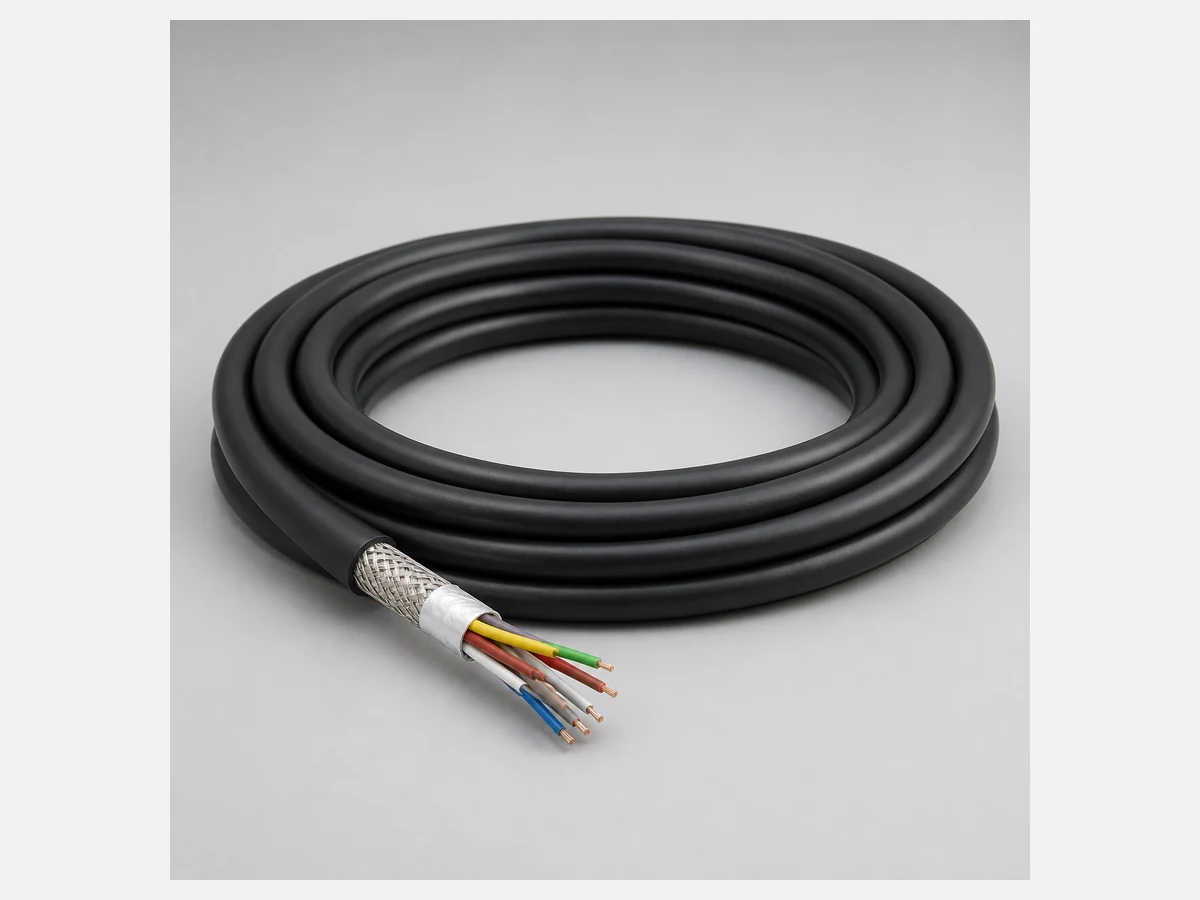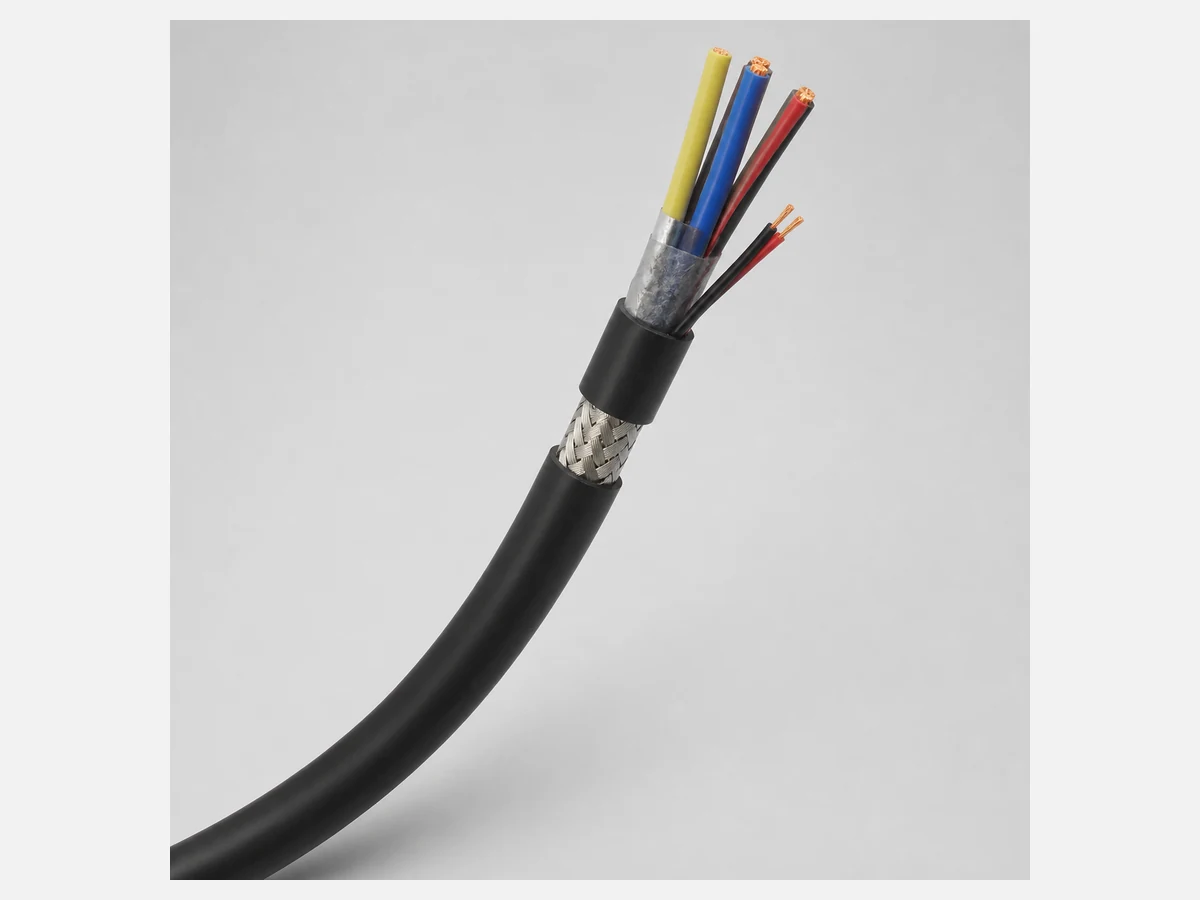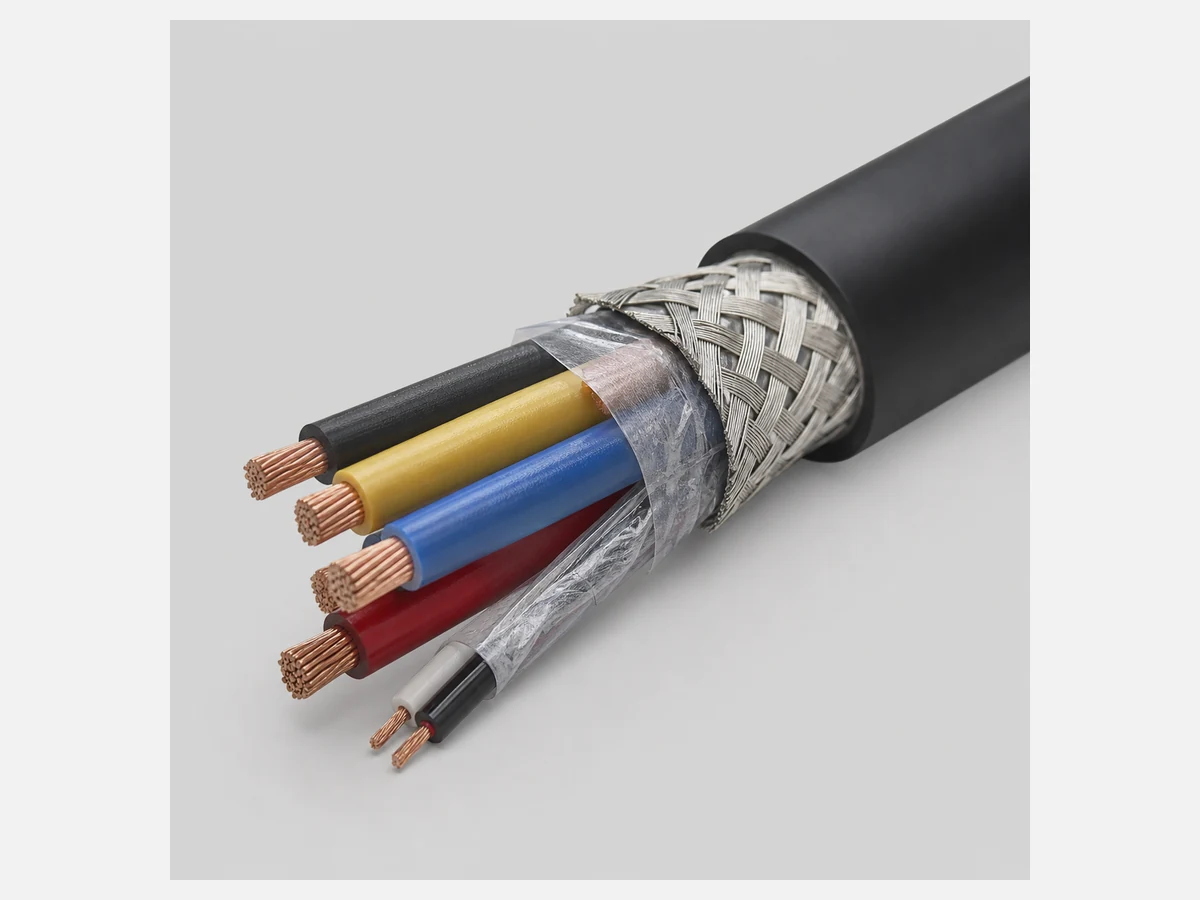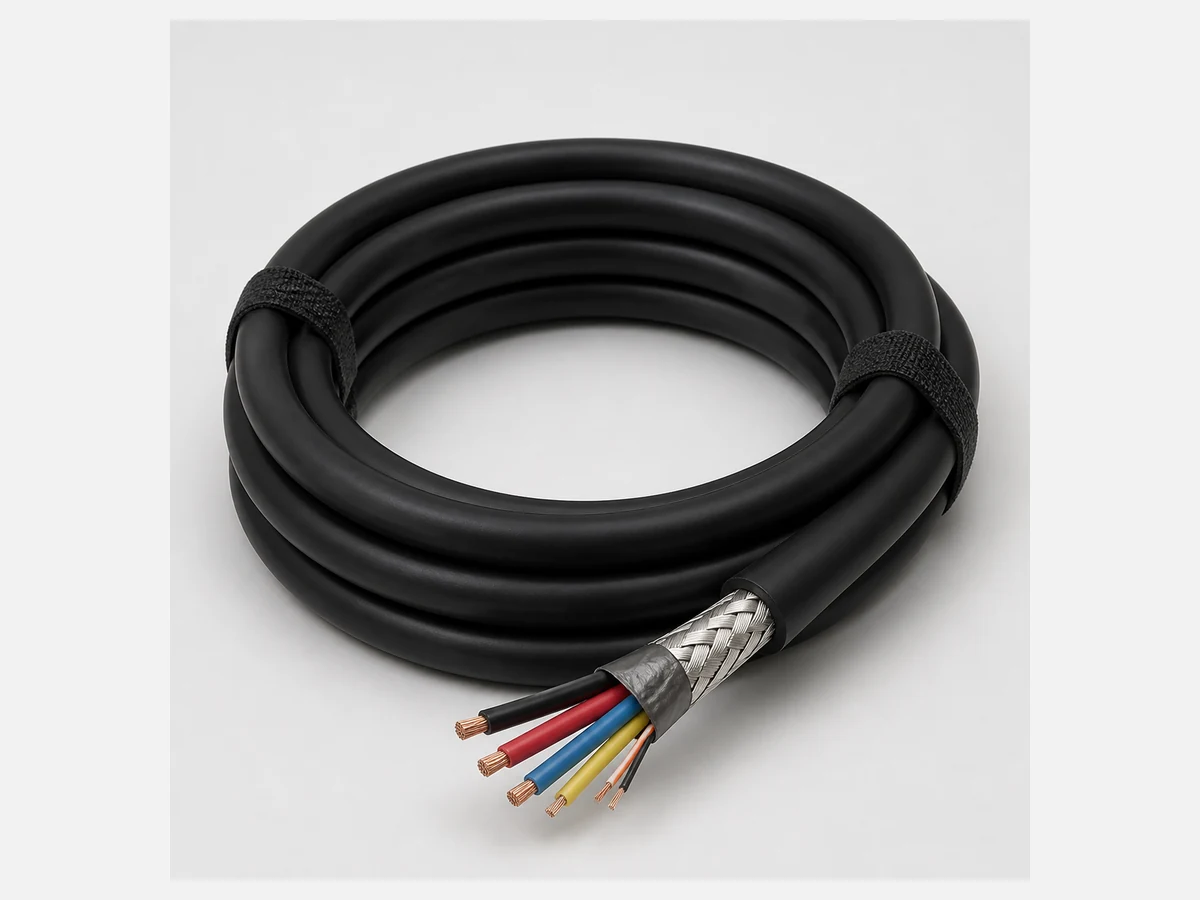
Cables transfer electrical energy or information, but no single cable construction suits every circuit. A motor feeder, encoder connection, industrial Ethernet link and emergency circuit place different demands on conductors, insulation, shielding, movement and fire performance.
Power Cables
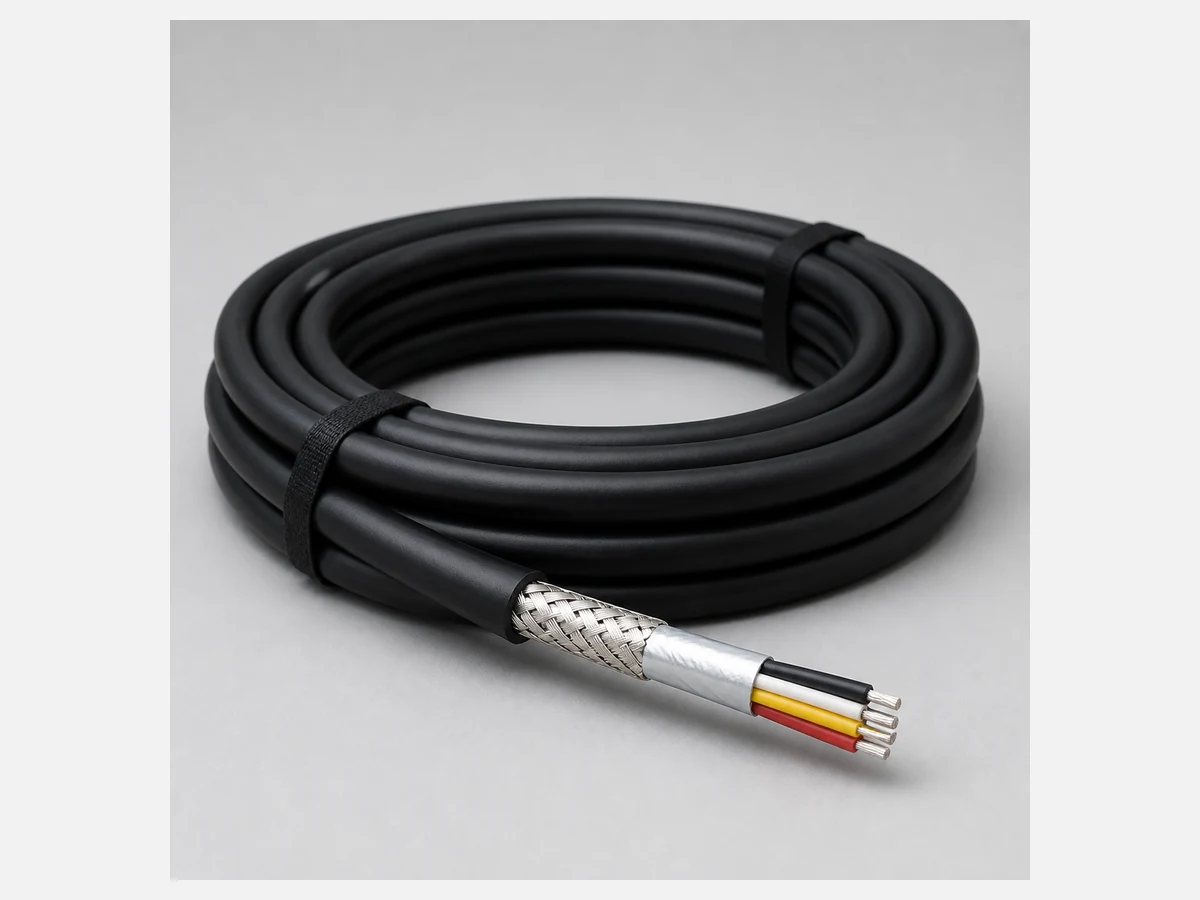
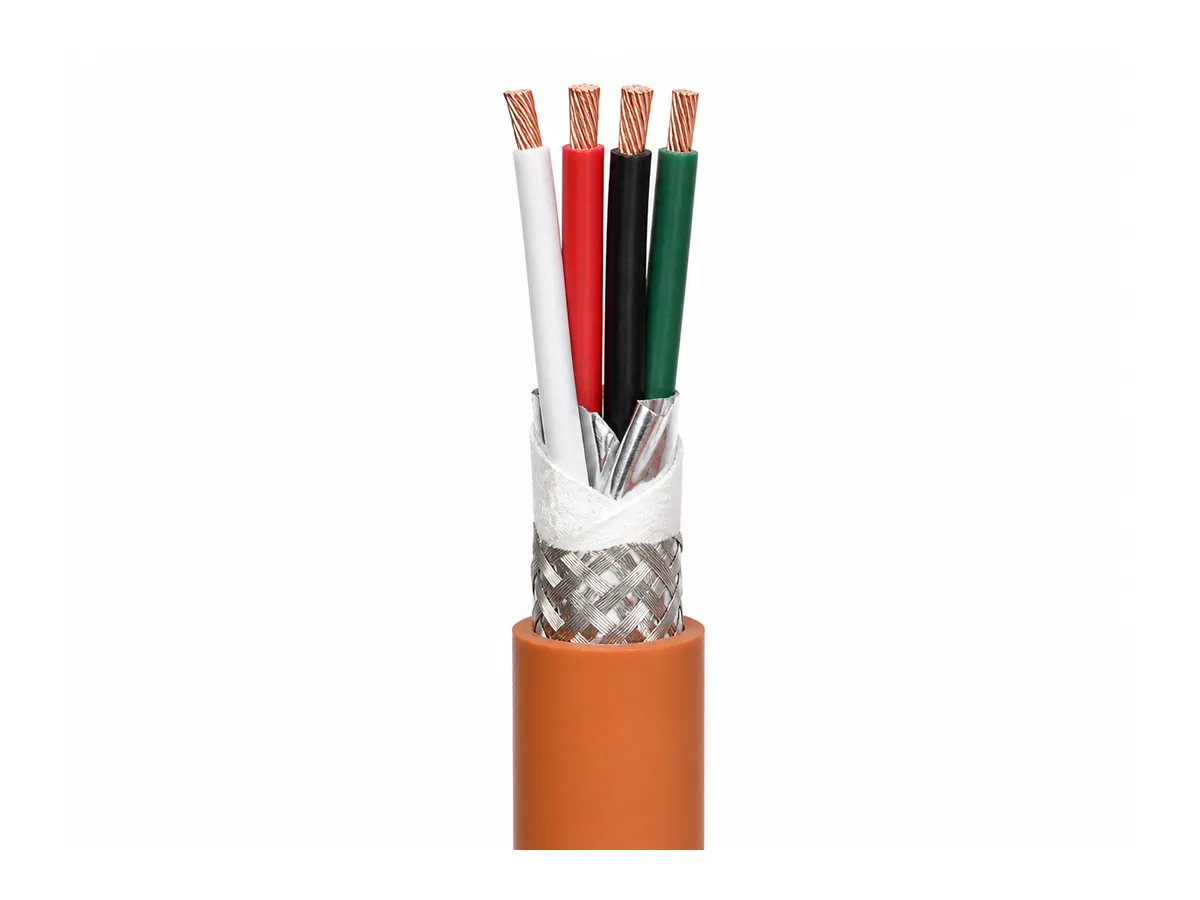
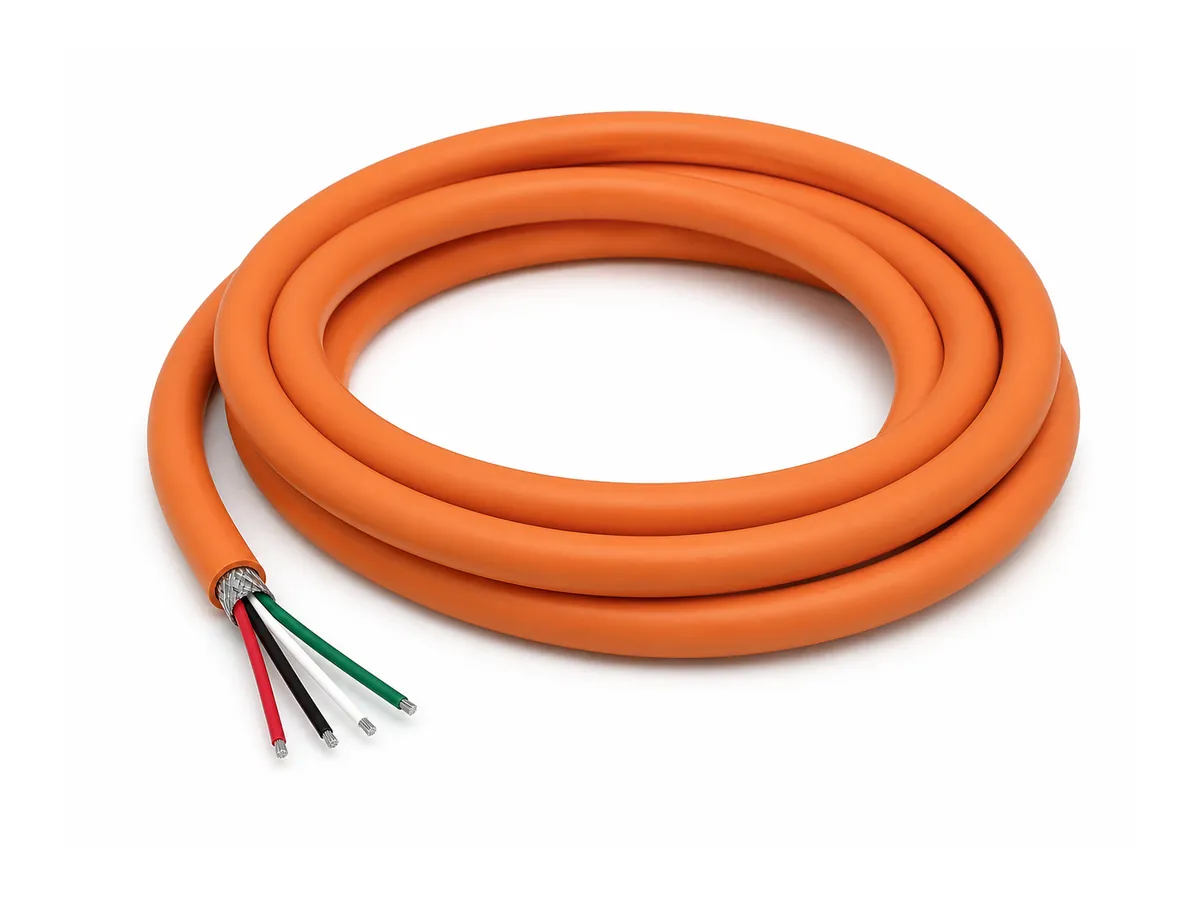
Power cables deliver energy to equipment and are selected by system voltage, load current, conductor size, installation method and allowable temperature rise. Flexible power cables for moving machinery require different conductor and core construction from fixed-distribution cables.
Control and Signal Cables
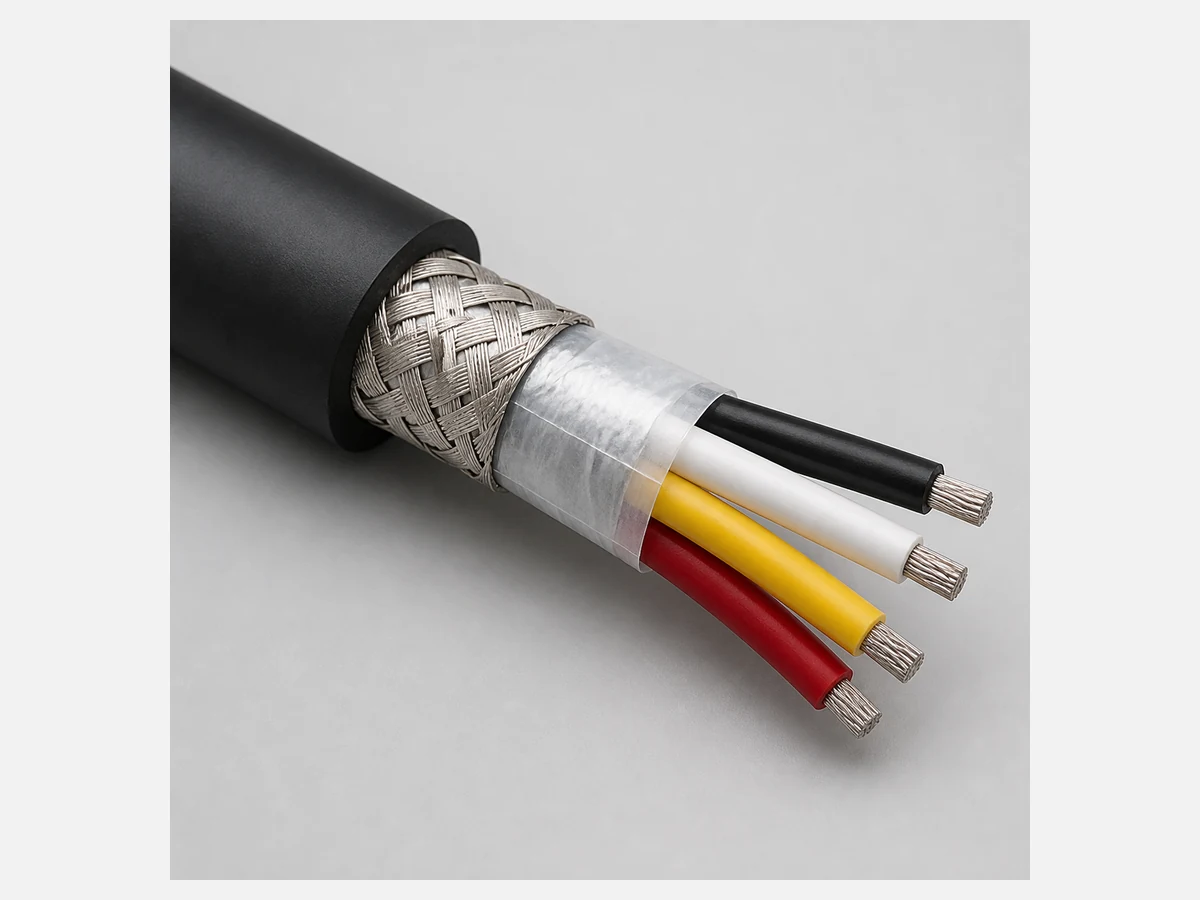
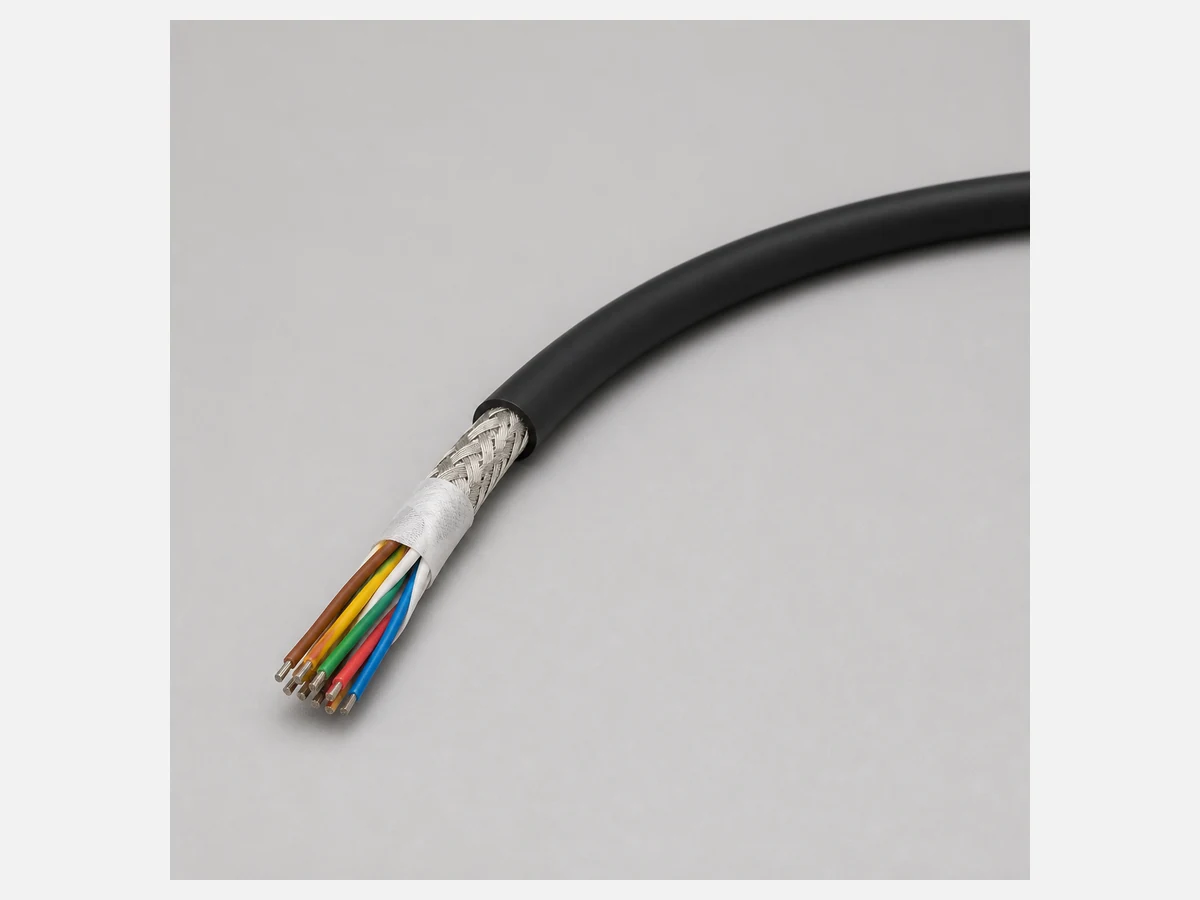
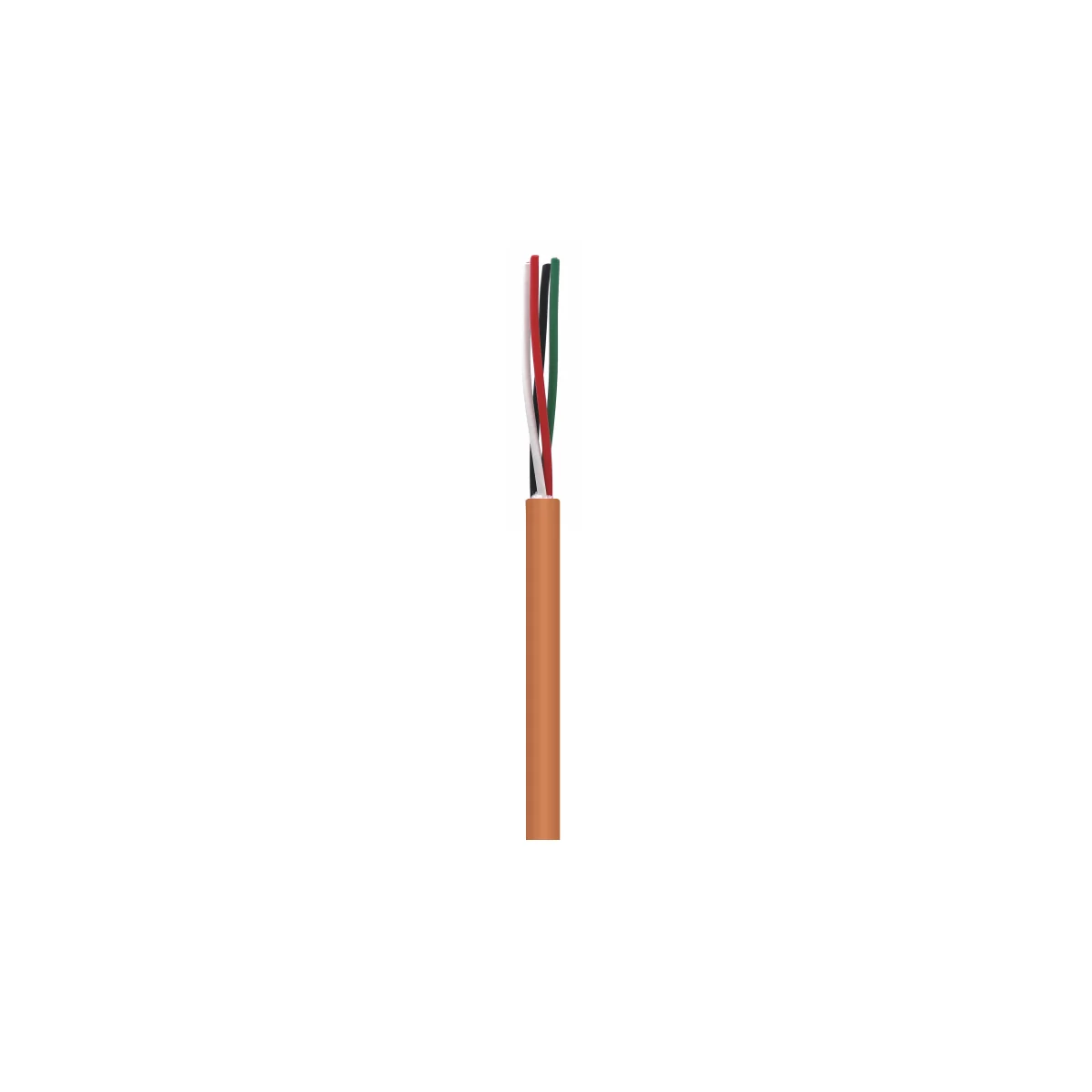
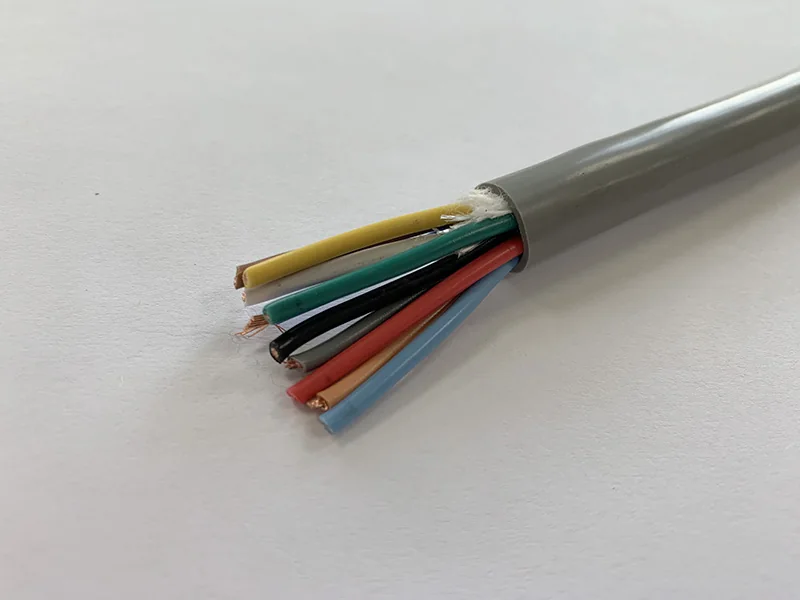
Control cables connect relays, sensors, actuators and machine I/O. Signal circuits may carry small analog or digital values that are more sensitive to electromagnetic interference. Core identification, pair twisting and shielding can be important for commissioning and stable operation.
Encoder and Feedback Cables
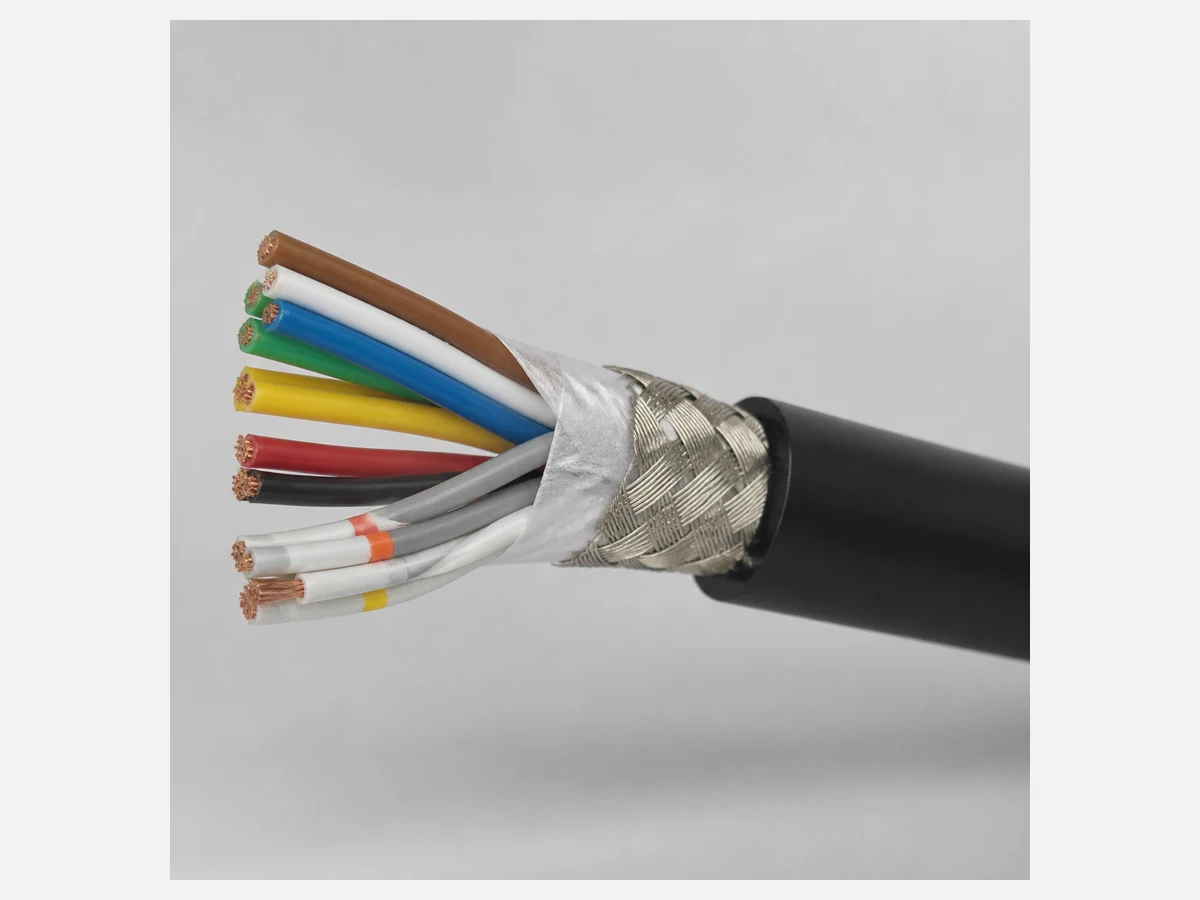
Servo systems depend on accurate feedback. Encoder cable construction may include dedicated power cores, twisted signal pairs and individual or overall shielding. Connector pinout and shield termination are part of the complete system design.
Industrial Data Cables
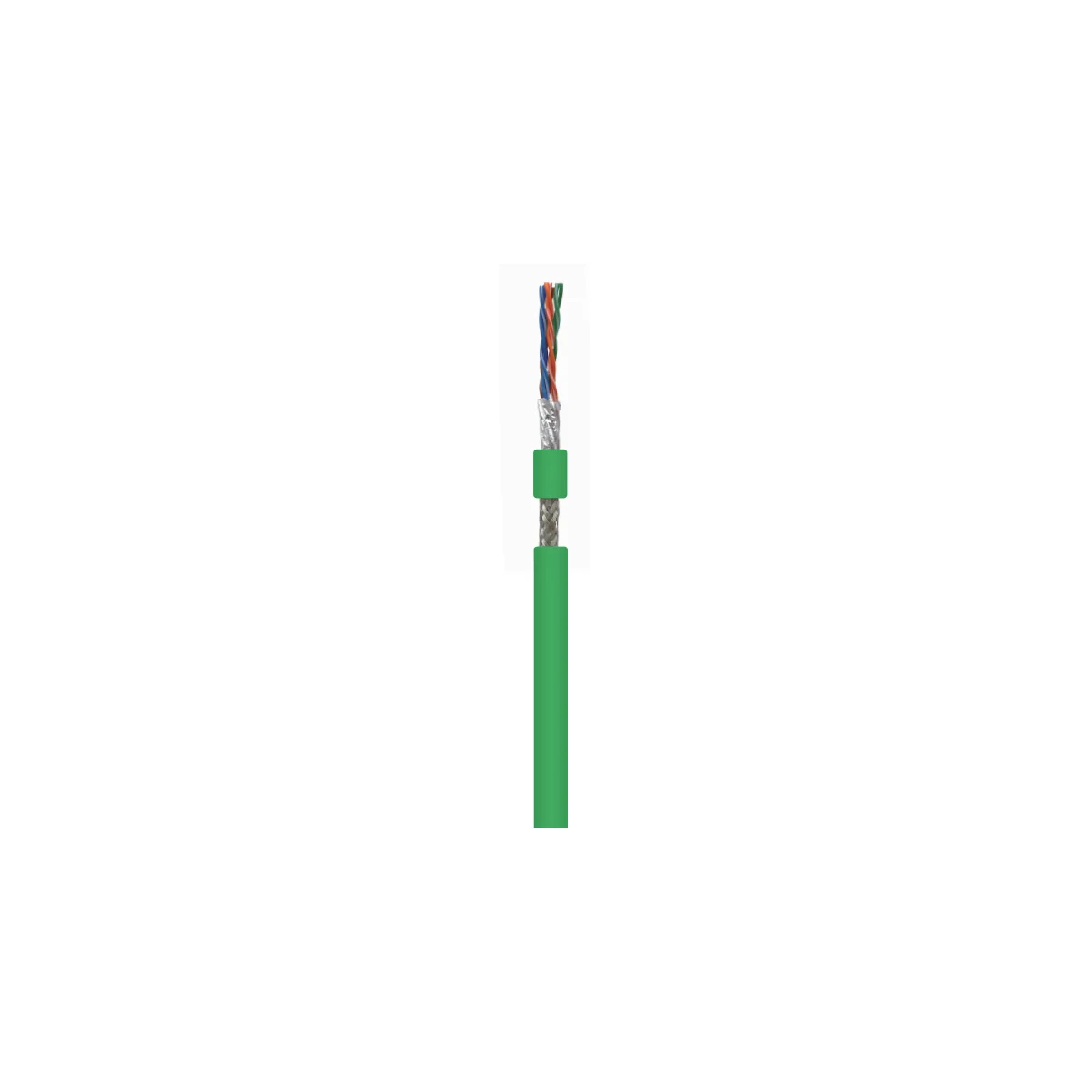
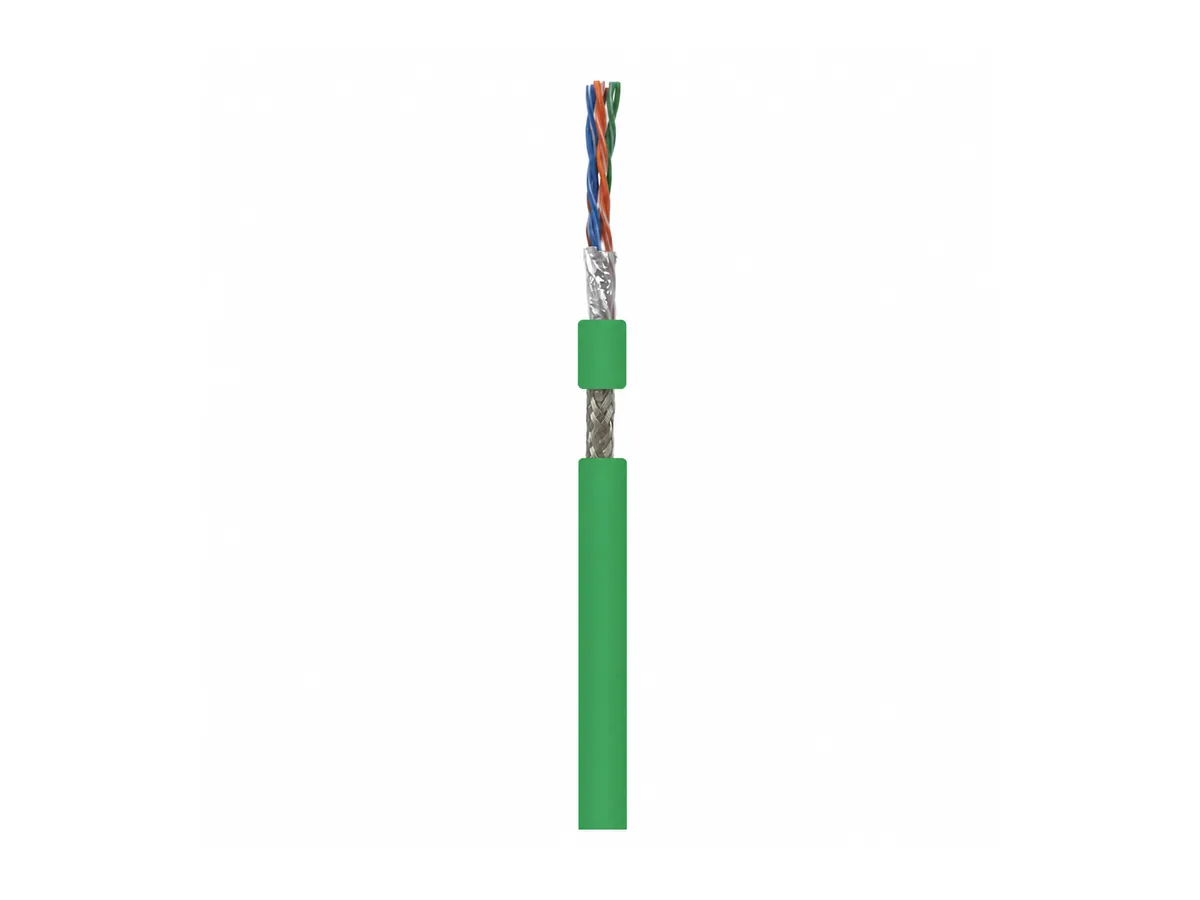
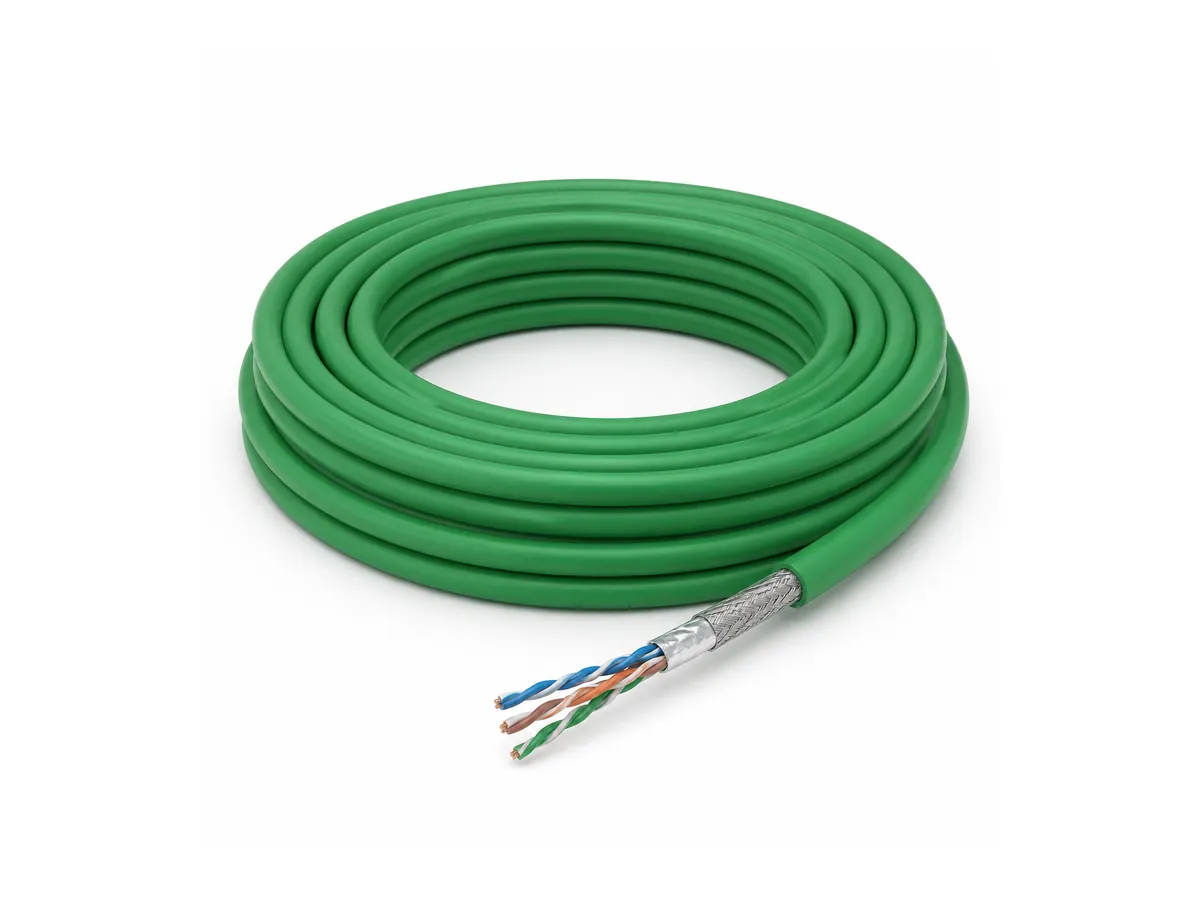
Ethernet and fieldbus cables must maintain defined electrical geometry and transmission characteristics. A generic multicore control cable should not replace a data cable merely because the conductor count matches.
Fixed, Flexible and Continuous-Motion Duty
Fixed cable is designed mainly for stationary installation. General flexible cable tolerates handling and occasional movement. Continuous-flex and torsion cables are engineered for repeated machine motion. Selecting the wrong movement category can cause conductor fatigue, shield failure or jacket damage.
Environmental Requirements
Oil, coolant, abrasion, sunlight, water, chemicals and temperature affect material selection. PVC, PUR, TPE, rubber and other compound families offer different performance profiles. Required properties must be confirmed for the specific product rather than inferred from a material name alone.
Fire Performance
Flame retardancy, low smoke, halogen content, circuit integrity and fire resistance are different characteristics. A cable should only be specified or marketed with a fire-performance claim supported by an applicable standard and test evidence.
How Buyers Should Specify Cable
Define electrical function, voltage, current, conductor count, signal type, shielding, movement, bend radius, environment, installation rules, marking, documentation and acceptance tests. This prevents unsuitable substitutions and enables comparable quotations.
Conclusion
Industrial systems use different cables because power delivery, signal integrity, motion and environmental protection require different designs. Clear application data leads to safer and more reliable cable selection.
Request Technical Support
Browse our industrial cable range and best-selling cable solutions. Send your application drawing, electrical requirements, motion data and purchasing quantity for a technical review and quotation.