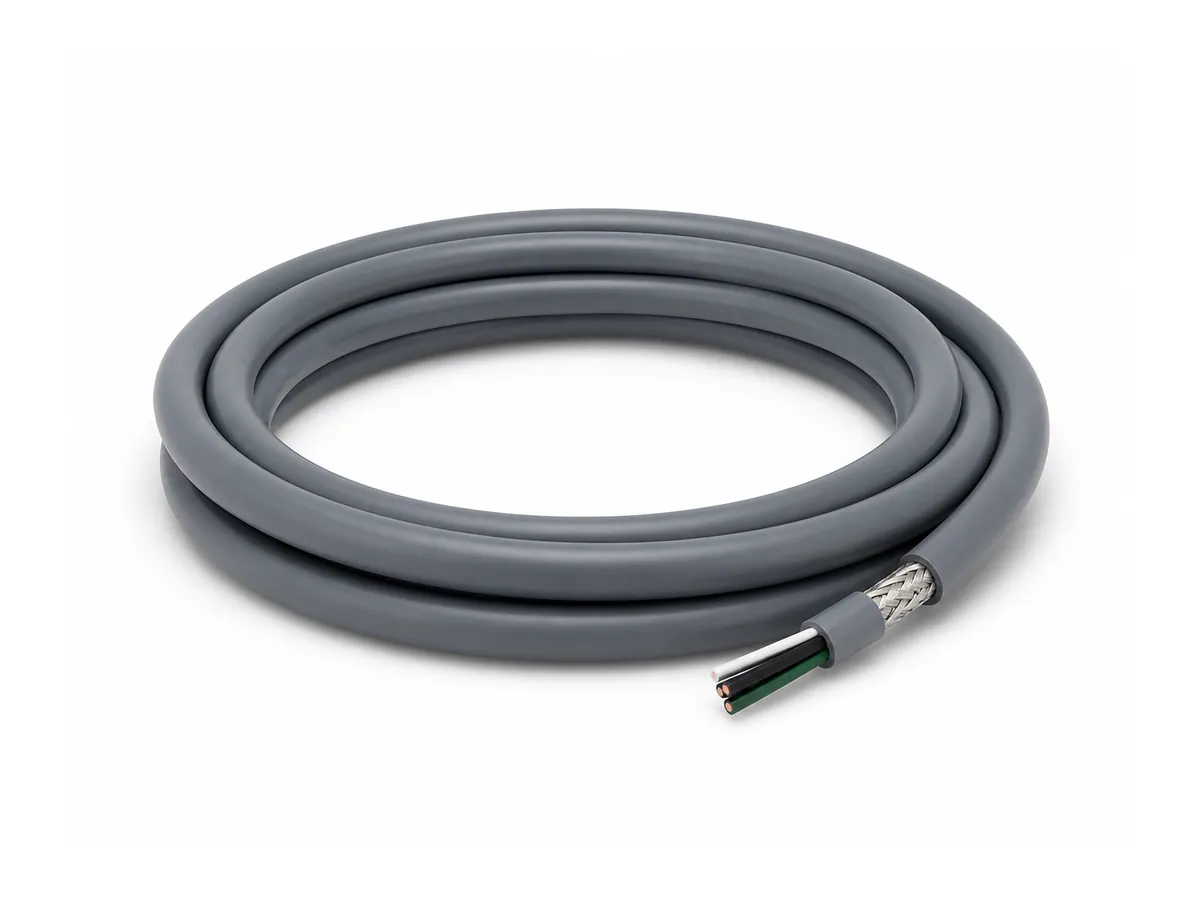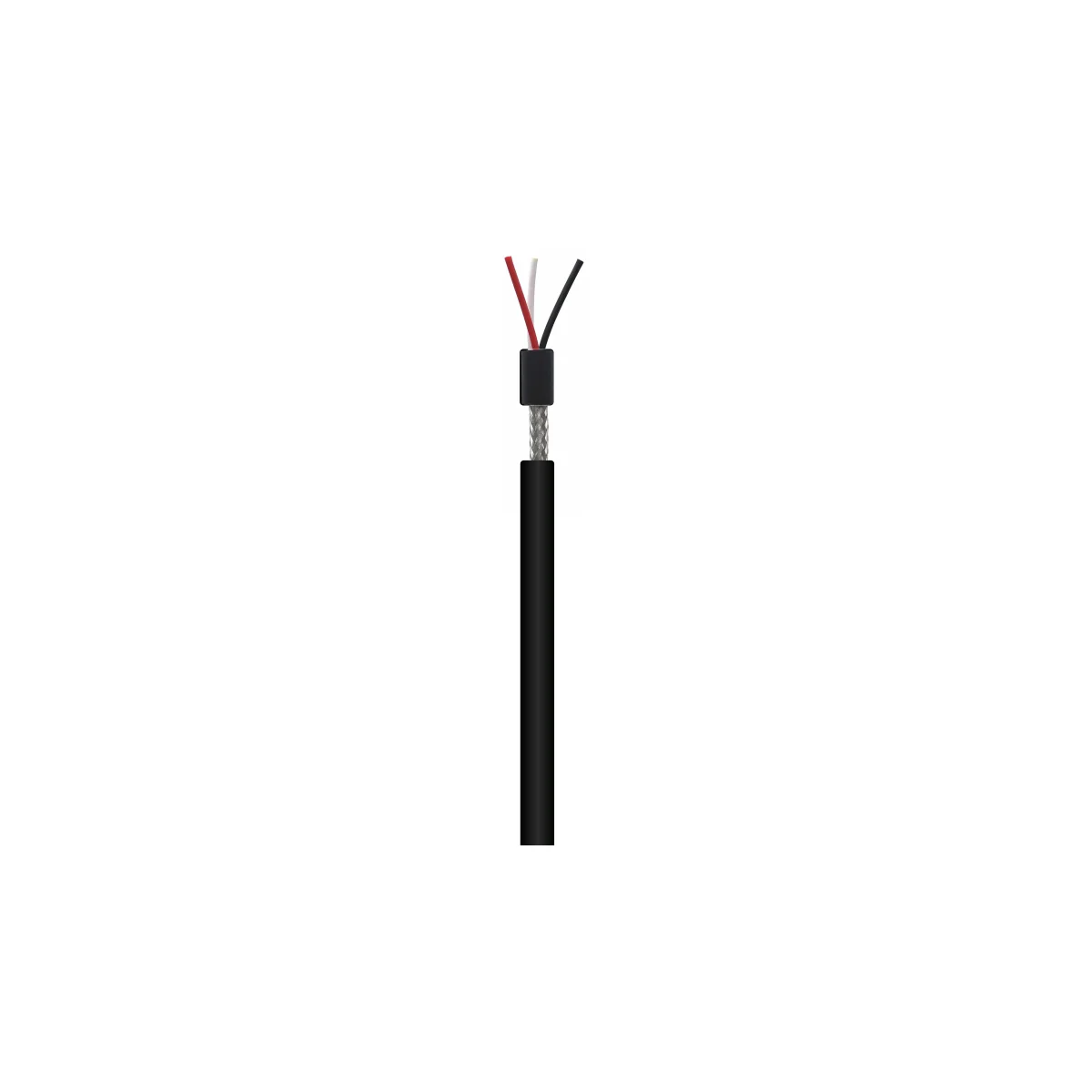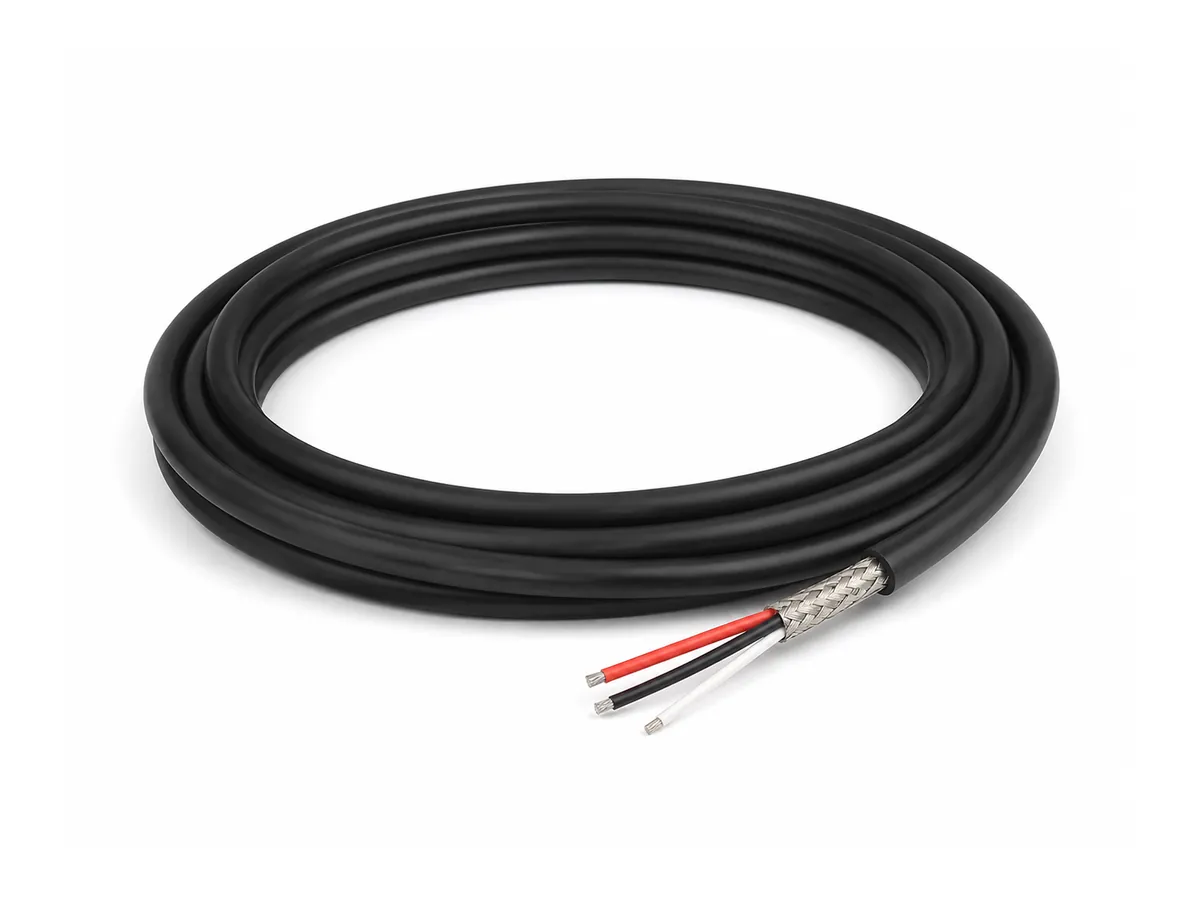
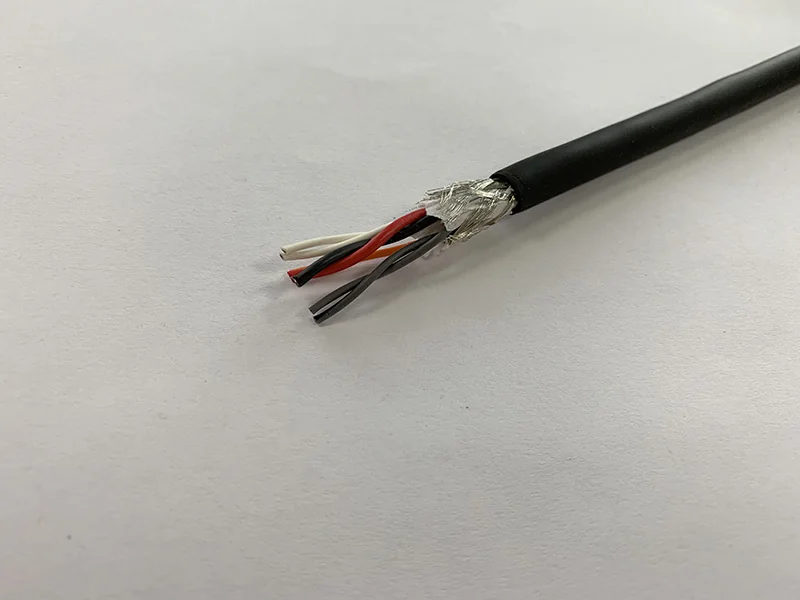
Control cables connect command, monitoring and interlock circuits in machinery and process systems. They may operate at lower current than main power feeders, but reliable control wiring is essential because a small signal failure can stop an entire production line.
Typical Control Cable Construction
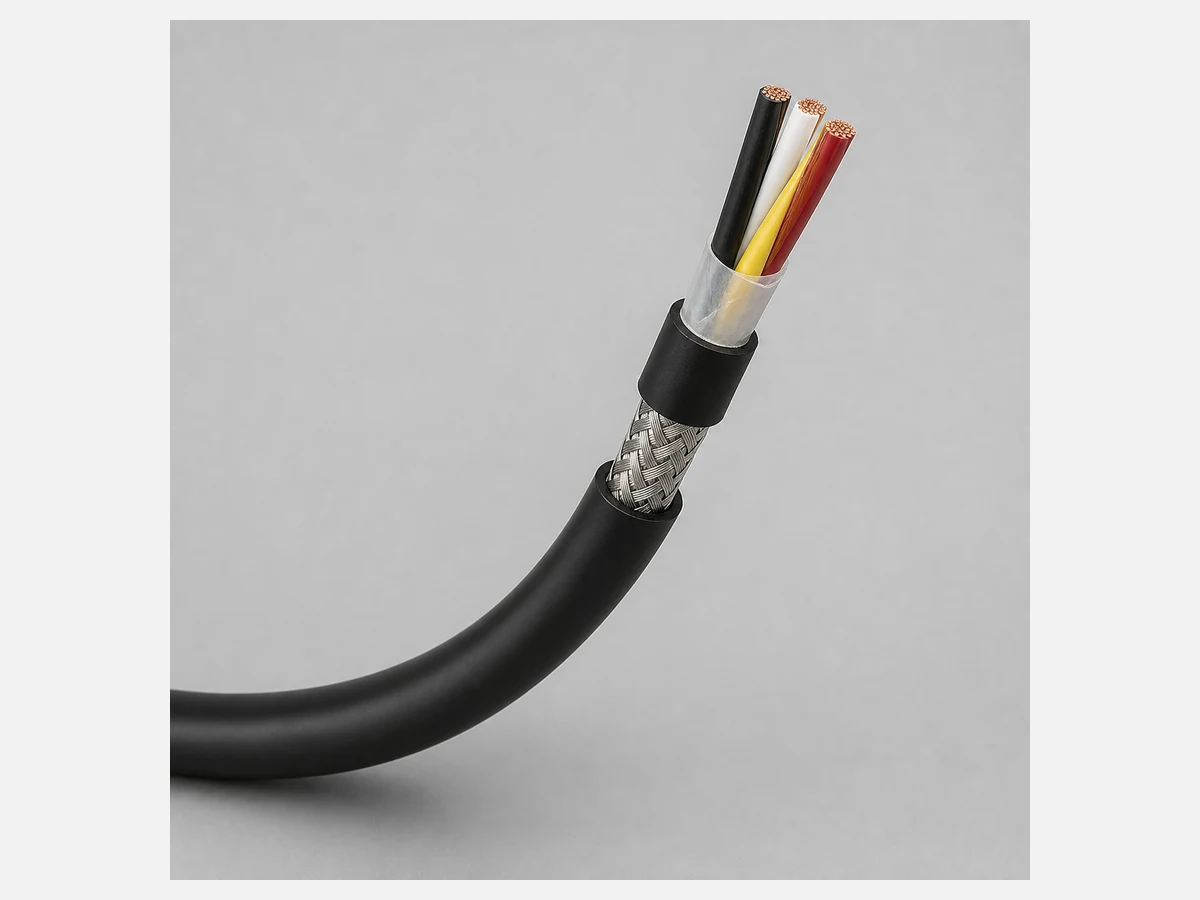
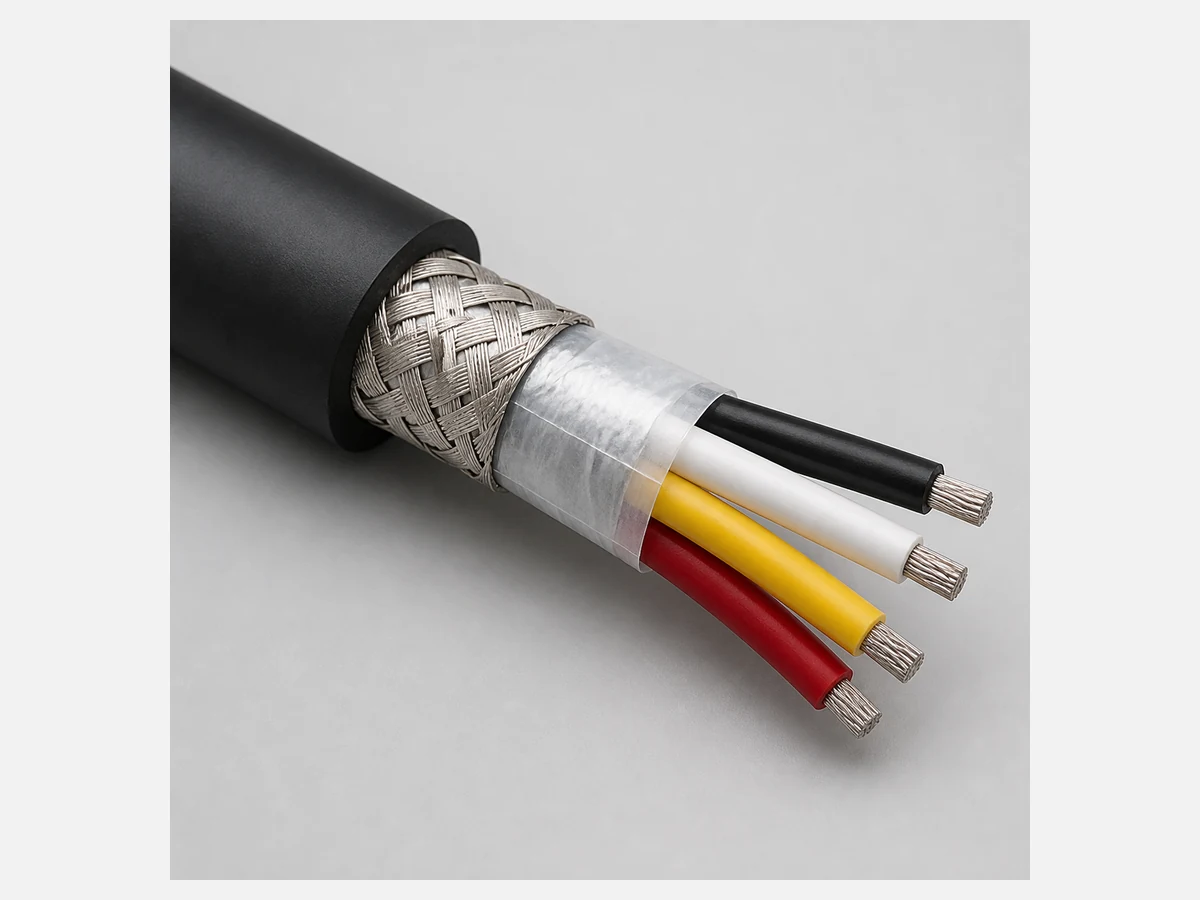
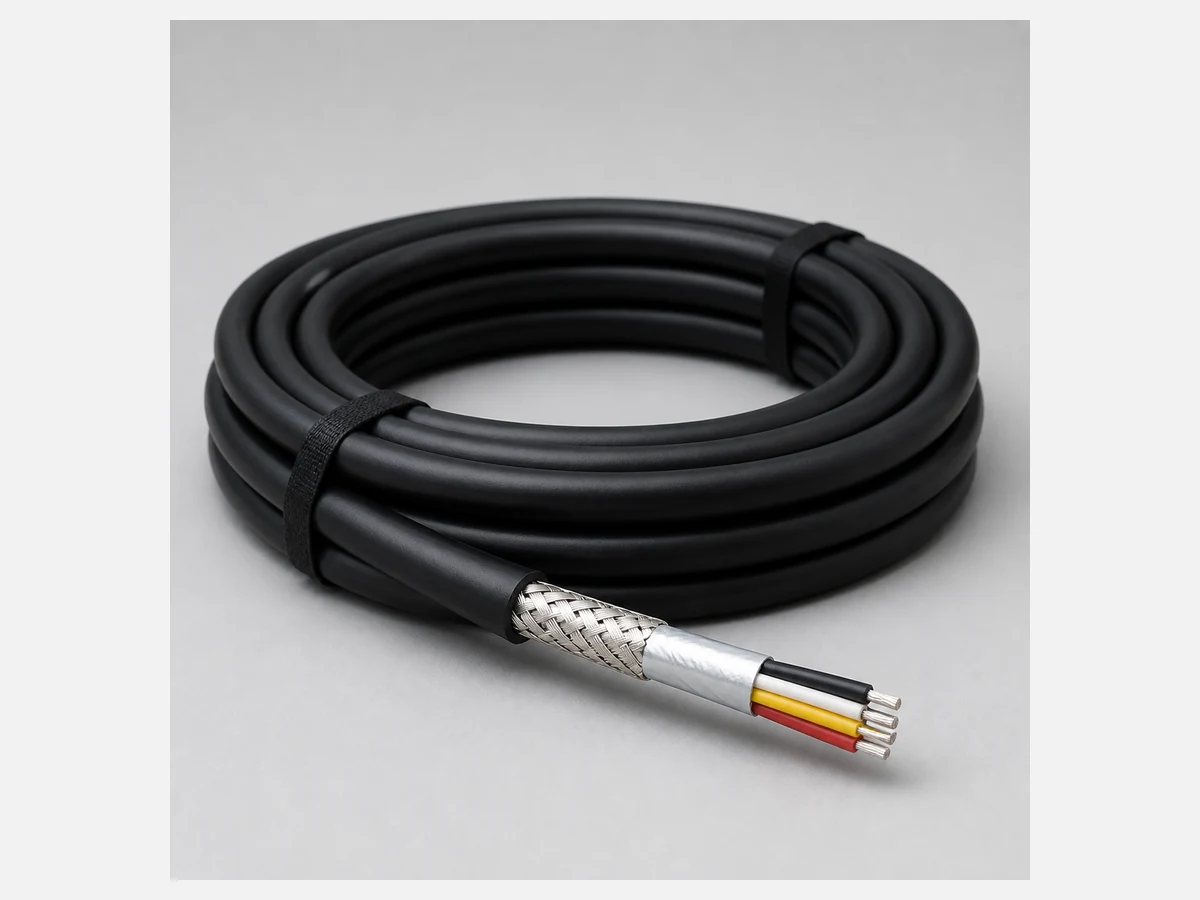
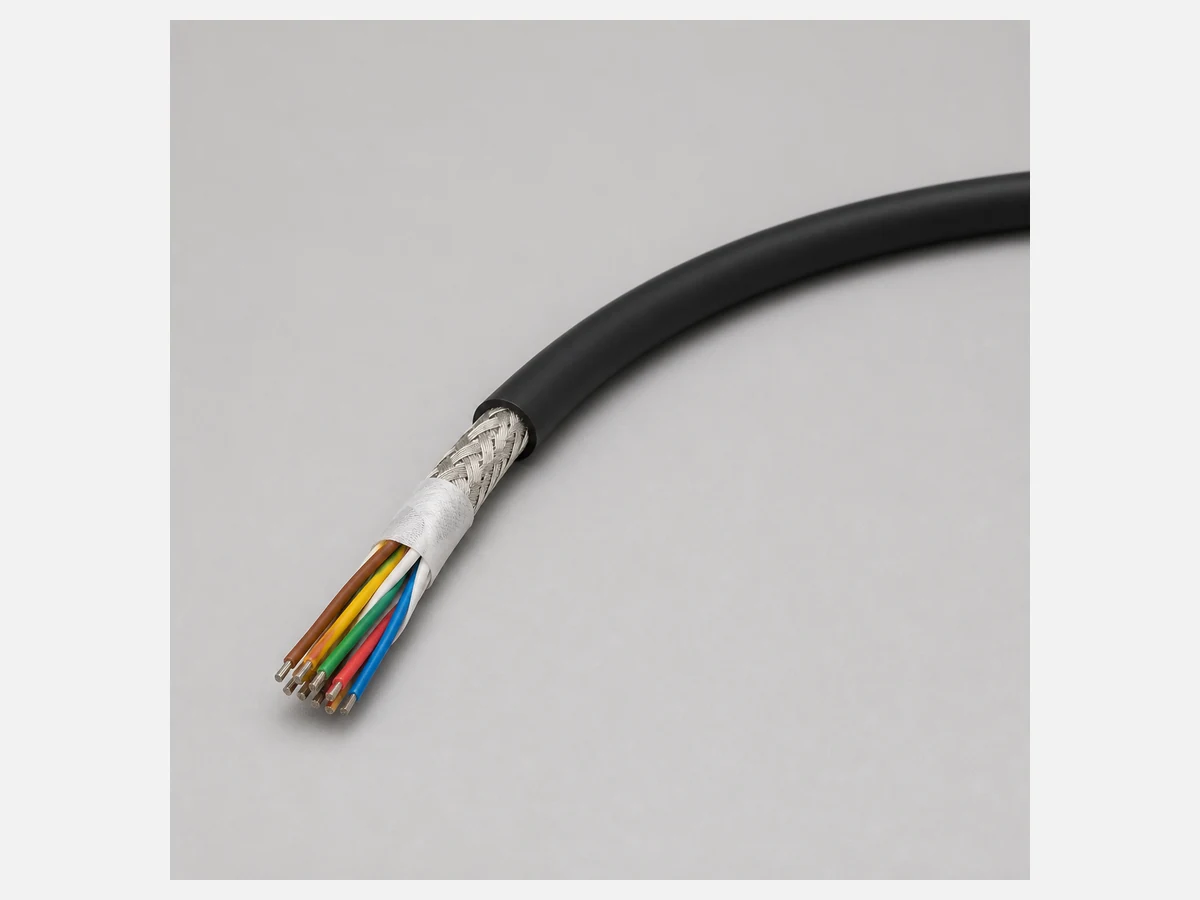
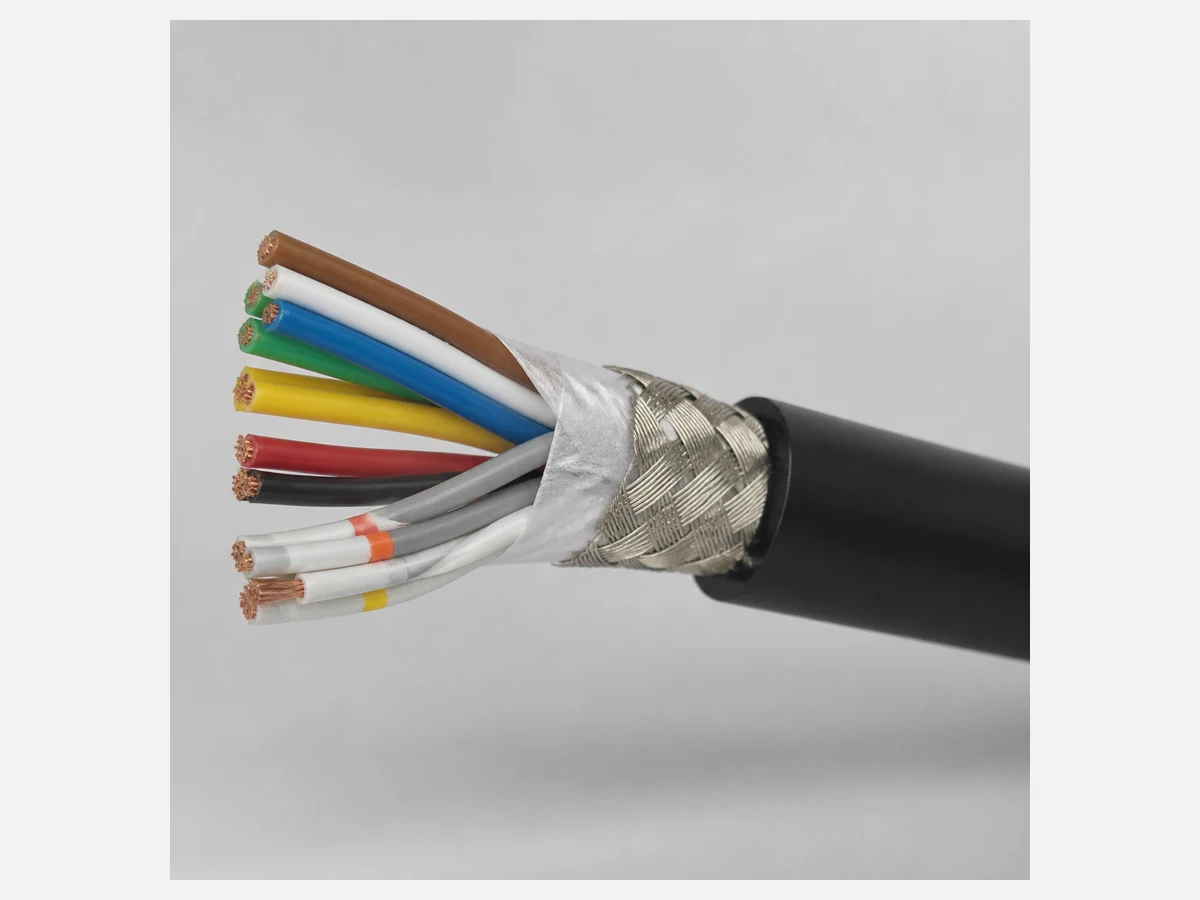
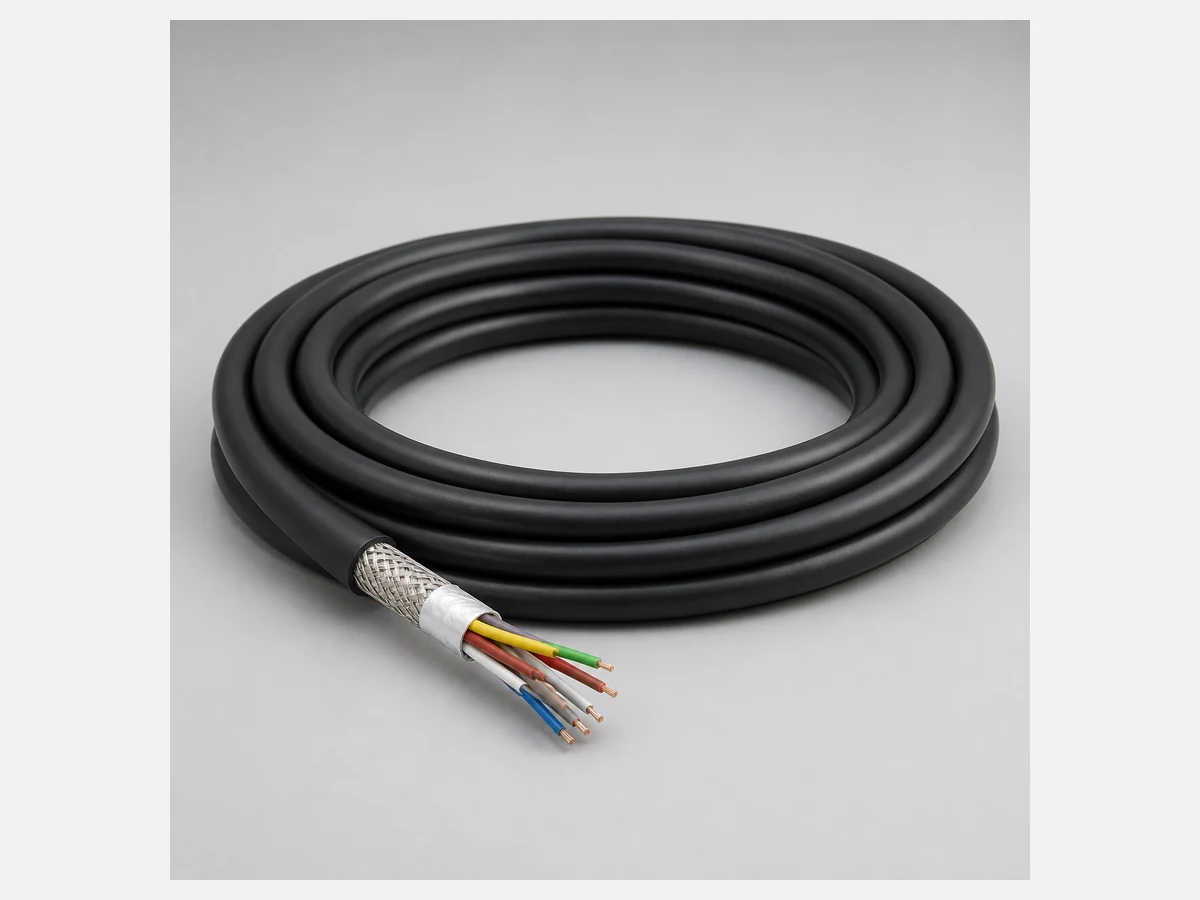
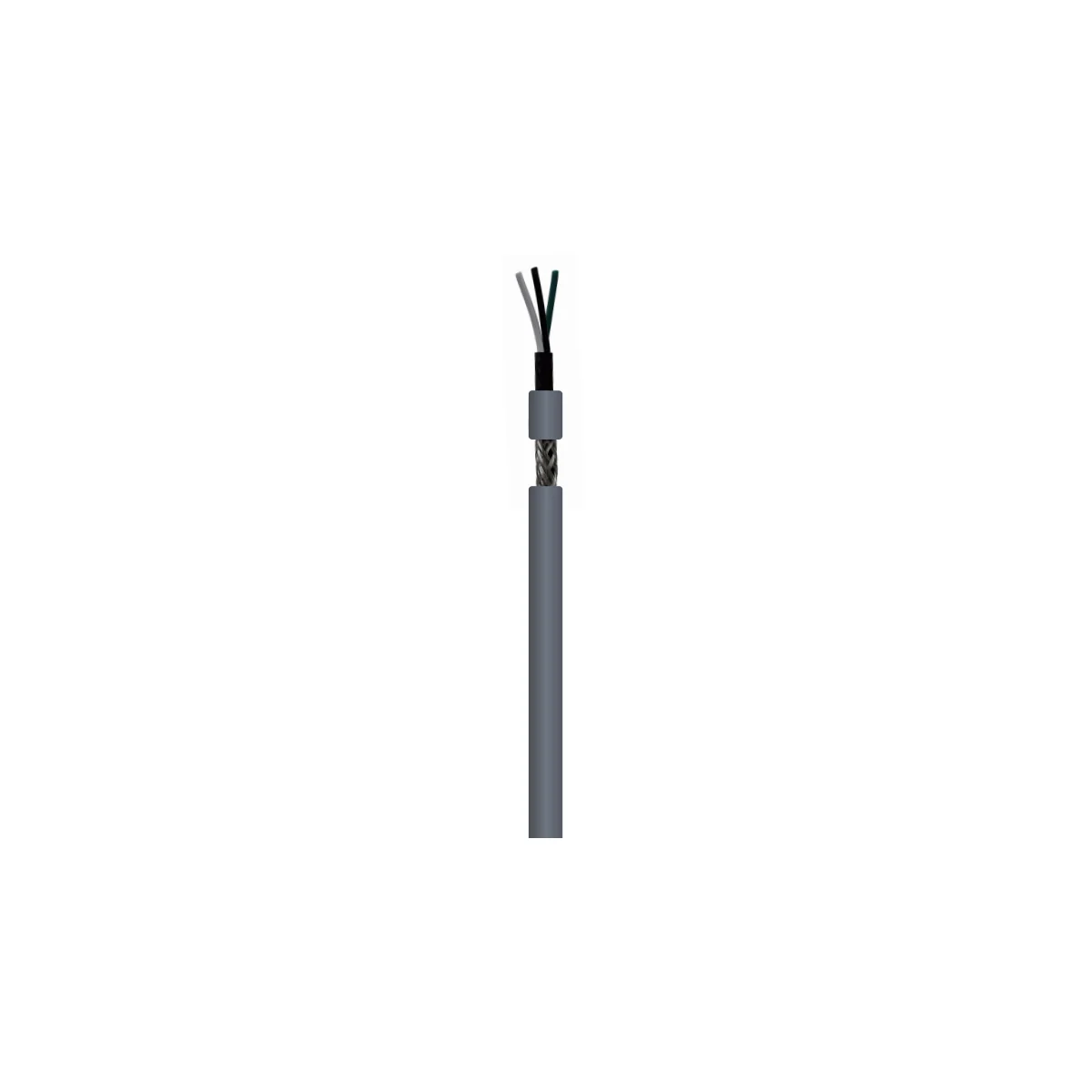
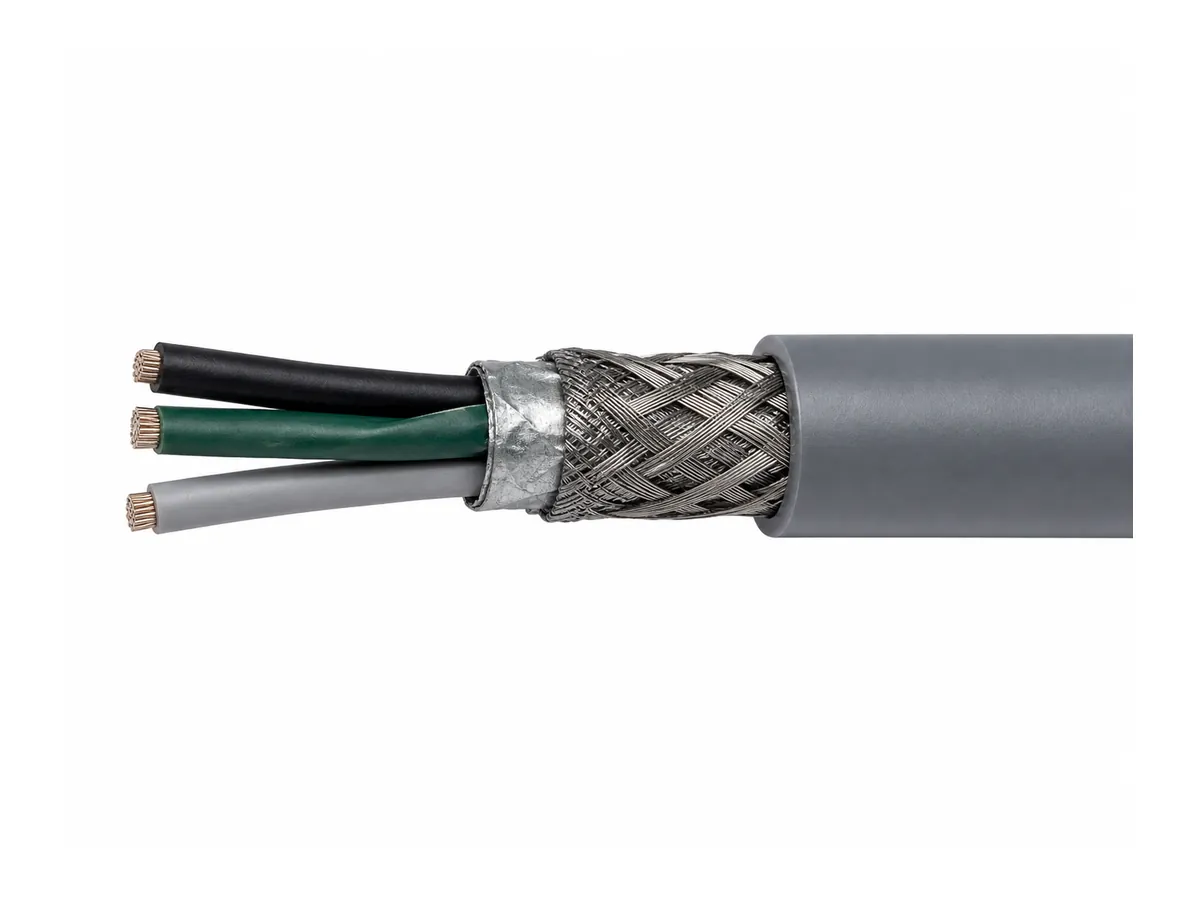
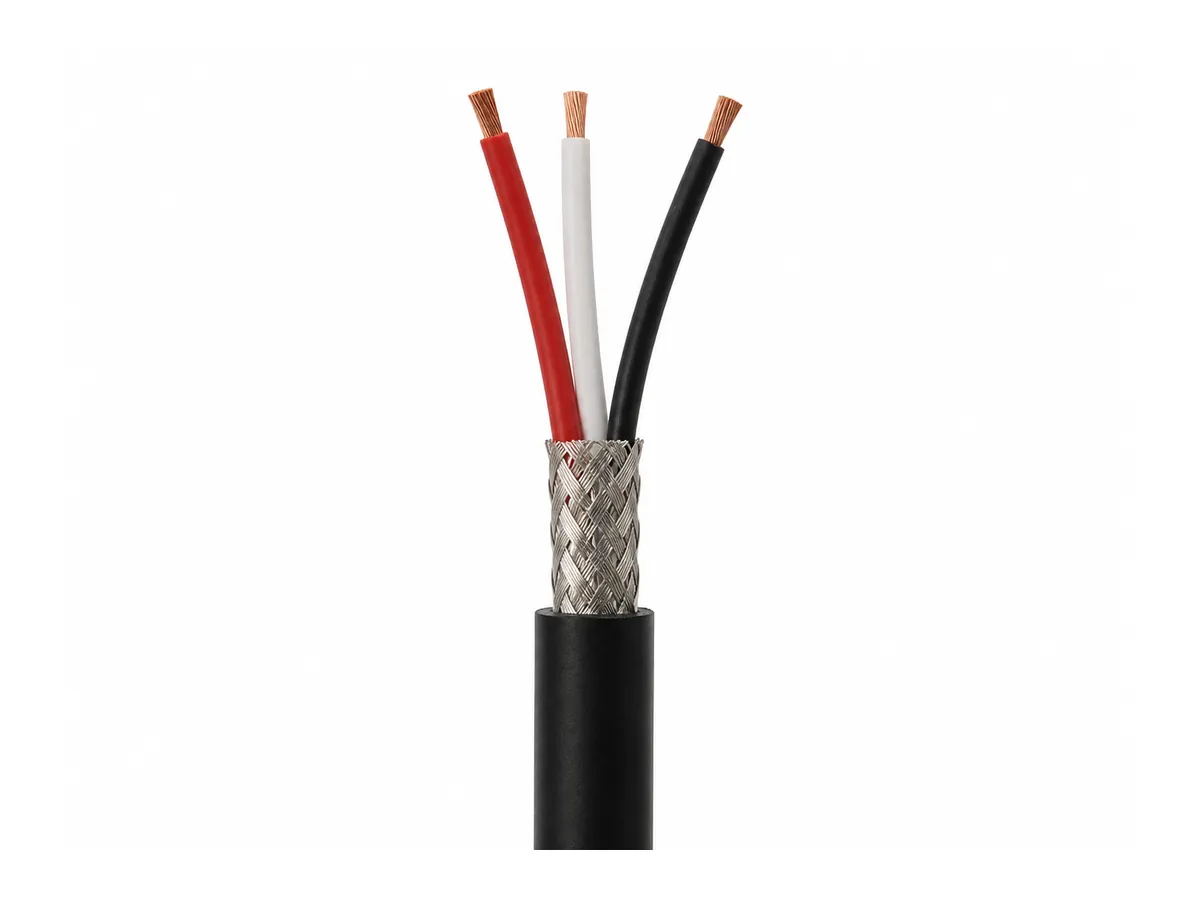
A control cable may contain several insulated copper conductors under an overall jacket. Depending on the application, it can also include twisted groups, fillers, wrapping, an inner sheath, drain wires or metallic shielding. Core numbers or colors simplify installation and maintenance.
Electrical Performance
Important checks include conductor resistance, continuity, insulation resistance and voltage withstand as applicable to the cable specification. Exact limits depend on conductor size, cable design and governing standard; values from an unrelated communication cable should not be applied to every control cable.
When Shielding Is Needed
Variable-frequency drives, contactors, servo systems and switching equipment can create electromagnetic interference. A copper braid, foil or combined shield may improve noise control when selected and terminated correctly. Sensitive analog signals may require individually shielded pairs in addition to an overall shield.
Shield Termination
Shield performance depends on installation. Grounding method, connector design, cabinet entry and bonding should follow the equipment manufacturer’s EMC plan. Long unshielded pigtails can reduce high-frequency effectiveness.
Control Cable vs Power Cable
Power cables are primarily sized to carry electrical energy. Control cables are arranged for multiple command and monitoring circuits, often with more cores and smaller conductor sizes. Voltage class, insulation thickness and applicable standards vary by product. Neither cable should replace the other without engineering review.
Control Cable vs Data Cable
A data cable may require defined impedance, pair balance and transmission testing. A shielded control cable does not automatically meet Ethernet or fieldbus performance simply because it contains twisted pairs.
Fixed and Moving Installations
Standard control cable may suit fixed trays or cabinet wiring. Cable used in drag chains or robot axes needs movement-specific conductor, core, shield and jacket design. State the dynamic bend radius, speed, acceleration and cycle requirement when requesting a moving control cable.
Buyer Checklist
- Number and size of conductors
- Rated voltage and temperature
- Fixed, occasional-flex or continuous-motion duty
- Overall or individual shielding
- Oil, abrasion, flame and environmental requirements
- Core identification, printing and packaging
- Applicable standards and test documentation
Conclusion
Control cable performance depends on the complete electrical and mechanical design, plus correct shielding and installation. A detailed circuit and environment specification enables a defensible cable choice.
Request Technical Support
Browse our industrial cable range and best-selling cable solutions. Send your application drawing, electrical requirements, motion data and purchasing quantity for a technical review and quotation.