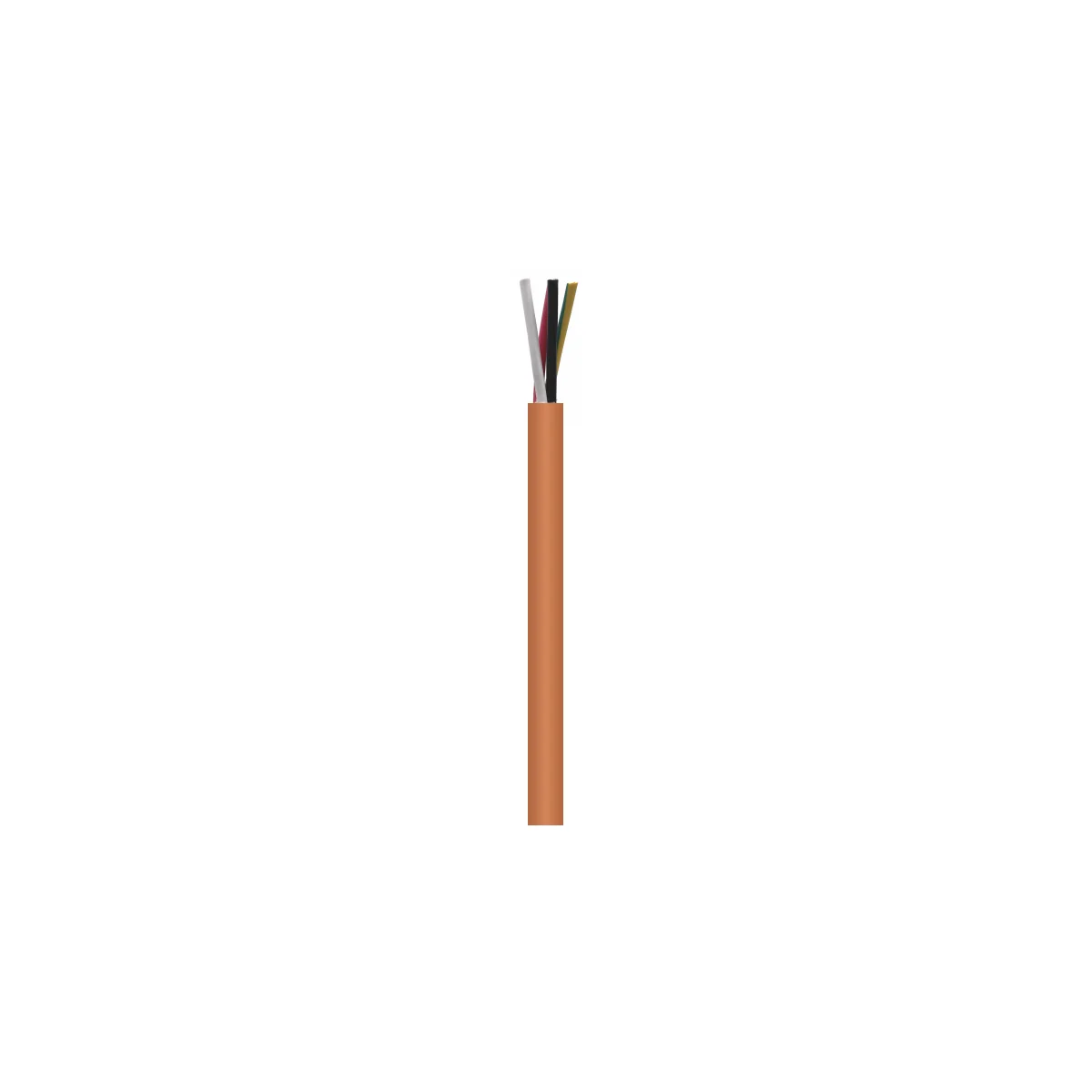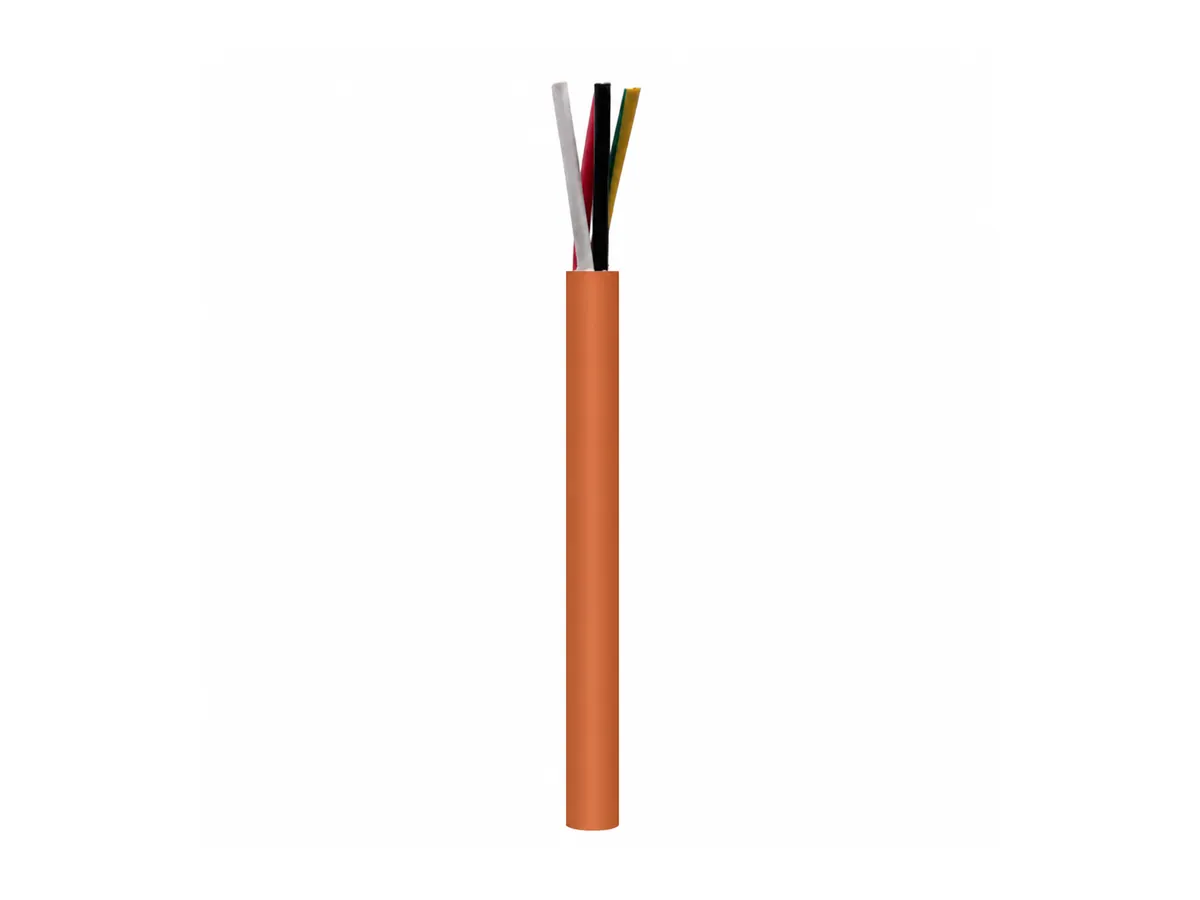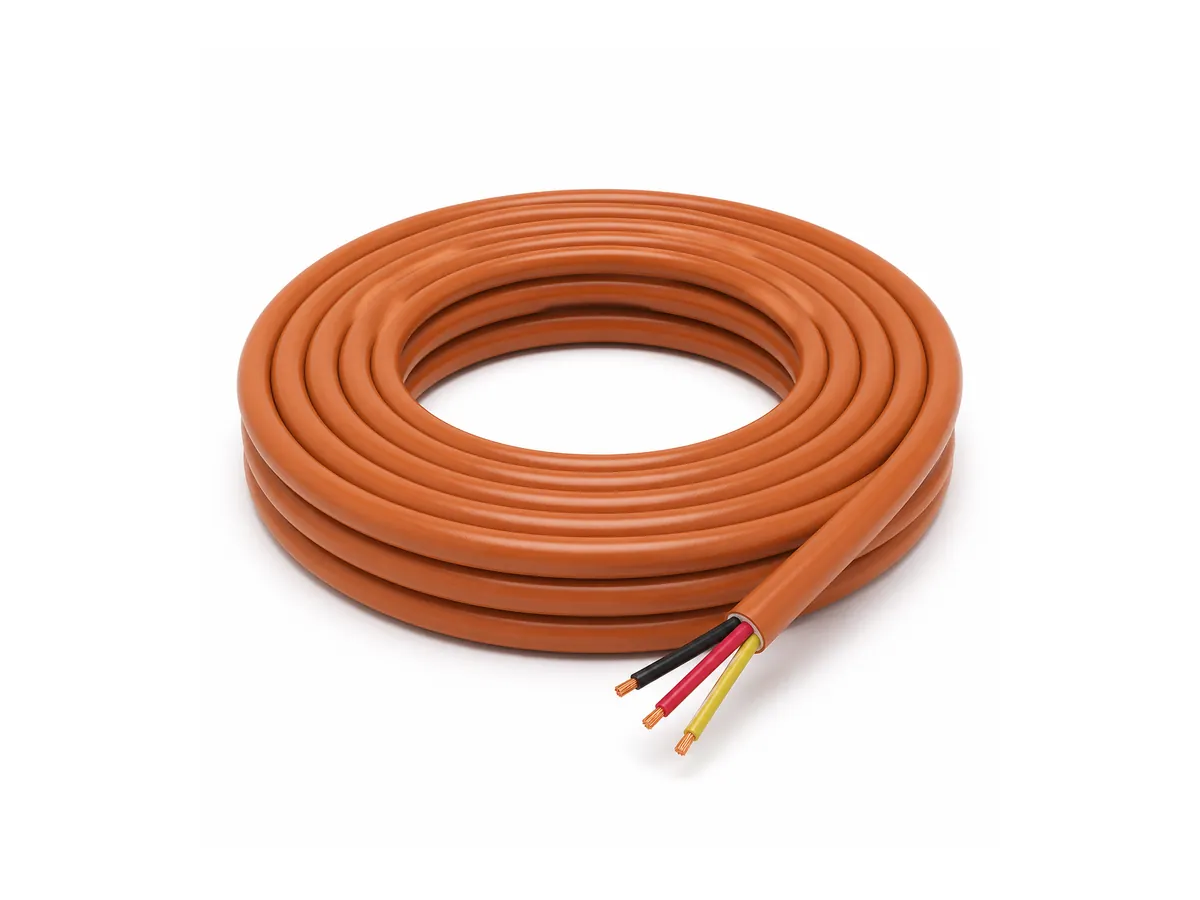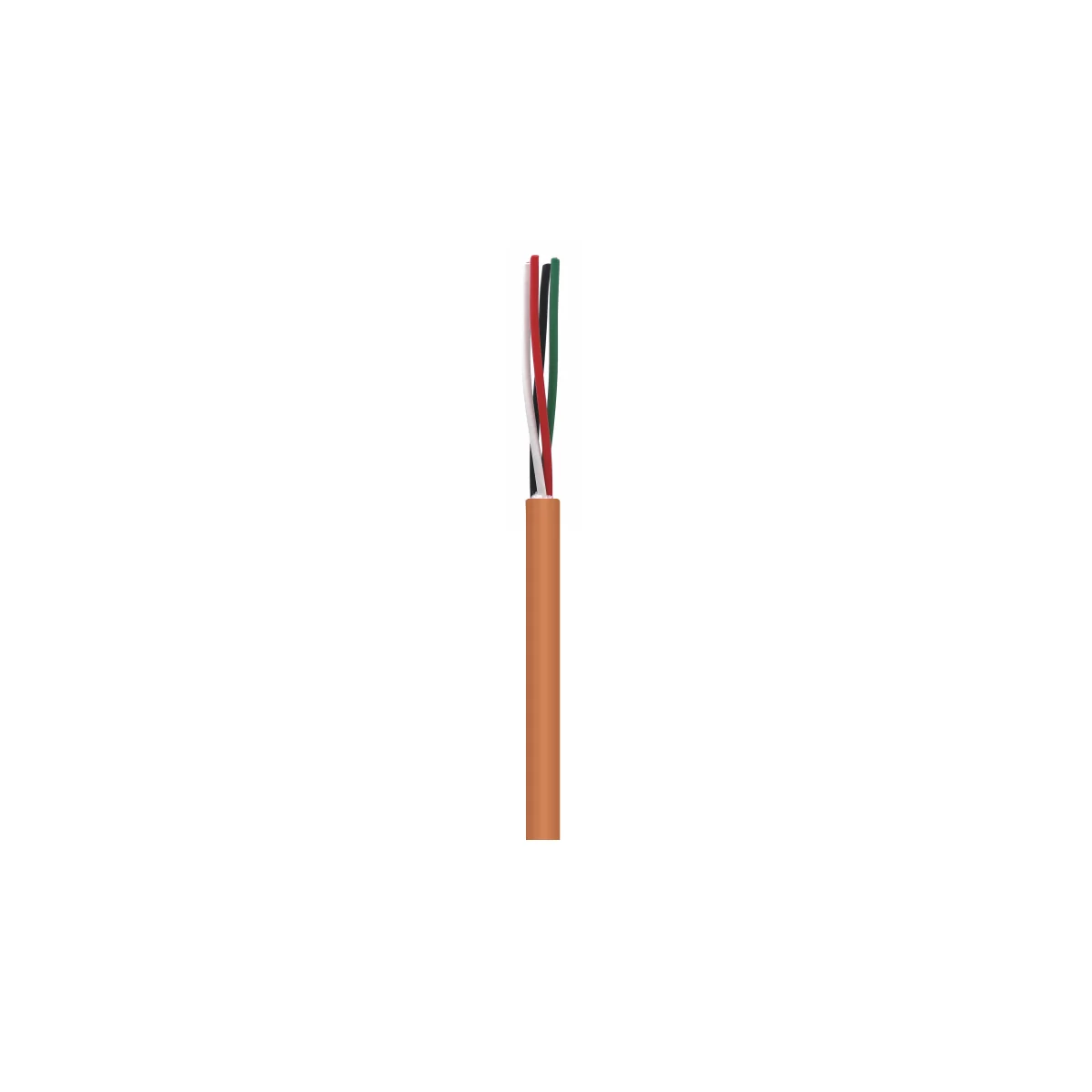
Power cables and control cables can look similar, yet they perform different jobs. Power cables deliver electrical energy to loads, while control cables carry commands, status signals and auxiliary circuits. The boundary is defined by the approved cable design and application, not by jacket color alone.
Primary Function
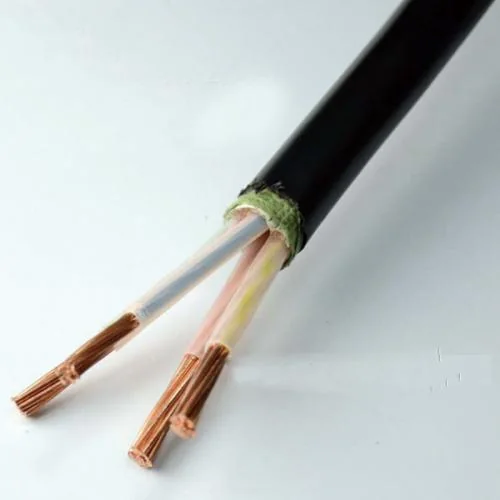
A power cable connects sources, distribution equipment, motors and other loads. Its conductor size is selected for current, voltage drop, short-circuit conditions and installation method. A control cable connects relays, sensors, interlocks, actuators and programmable control systems.
Conductor Size and Core Count
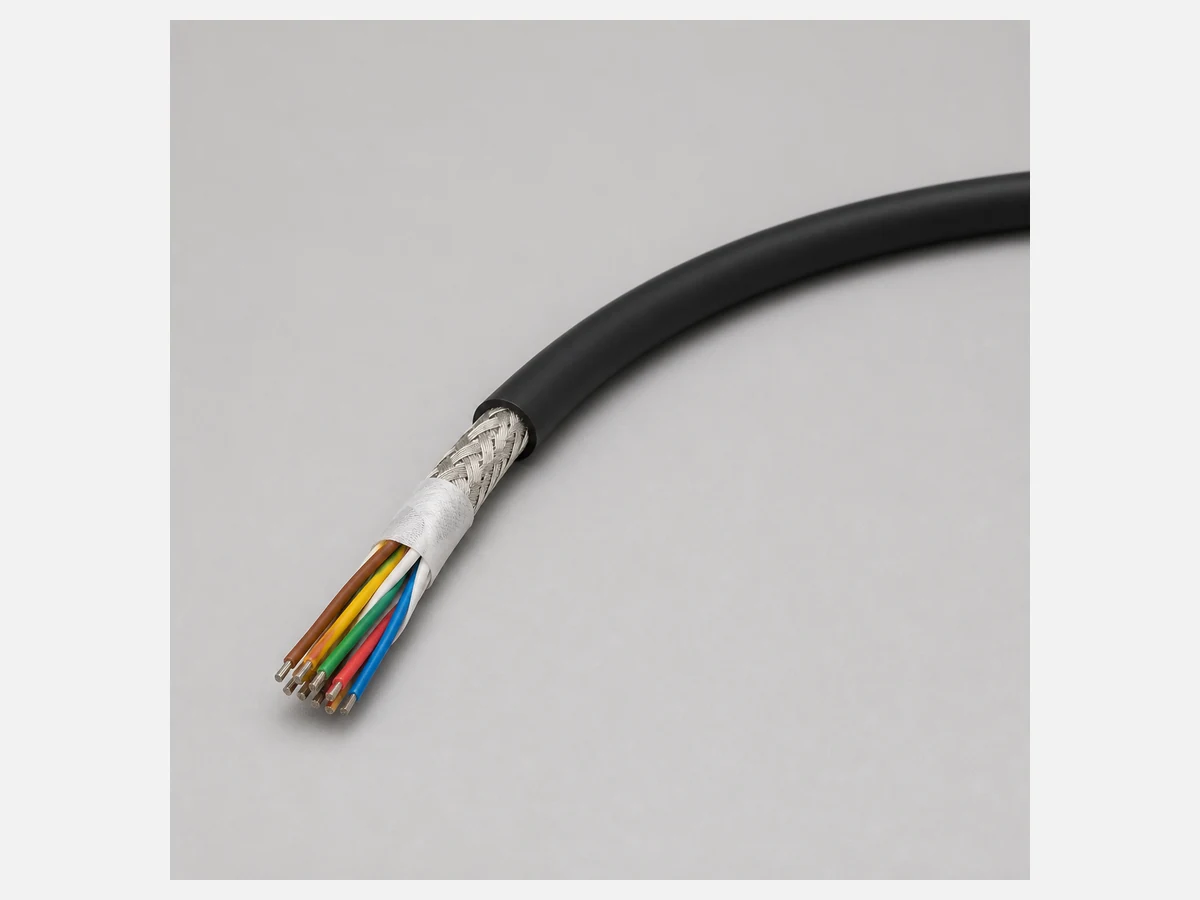
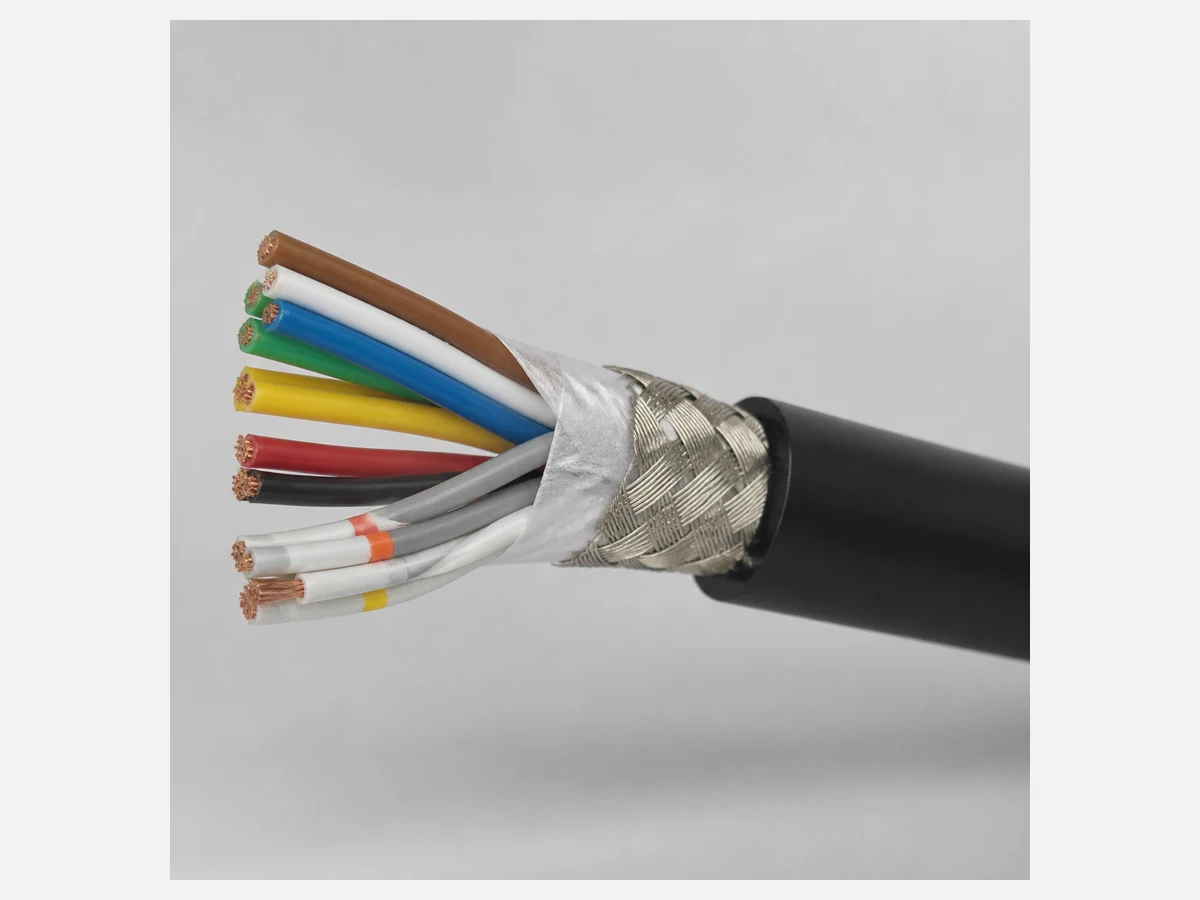
Power cables often use fewer, larger conductors, although configurations vary widely. Control cables commonly contain more cores of smaller cross-section to serve multiple circuits. These are tendencies rather than universal limits, so the product standard and drawing remain authoritative.
Voltage and Insulation
Both families are available in different voltage classes. The insulation system, thickness and tests must match the specified rating and governing standard. A commonly used rating in one market should not be treated as a universal definition of all control or power cables.
Shielding
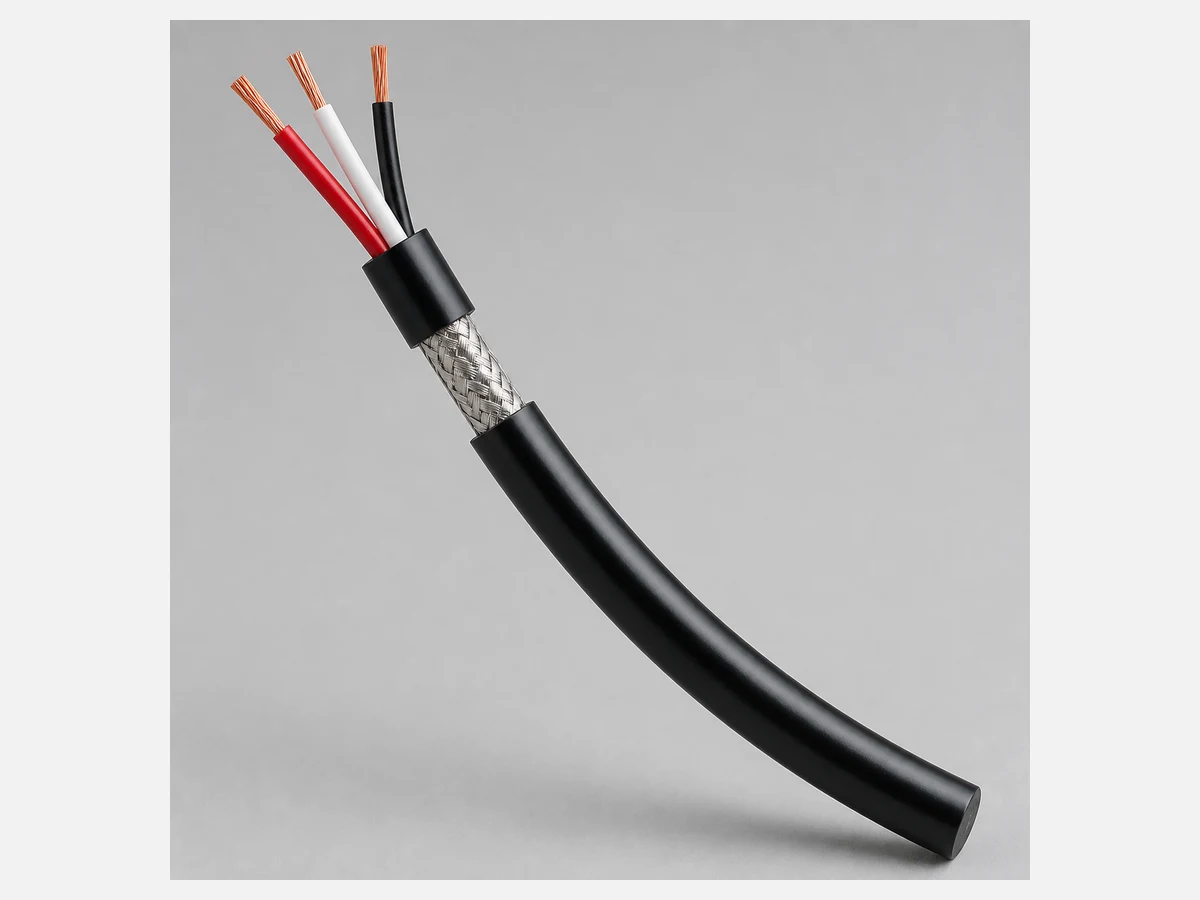
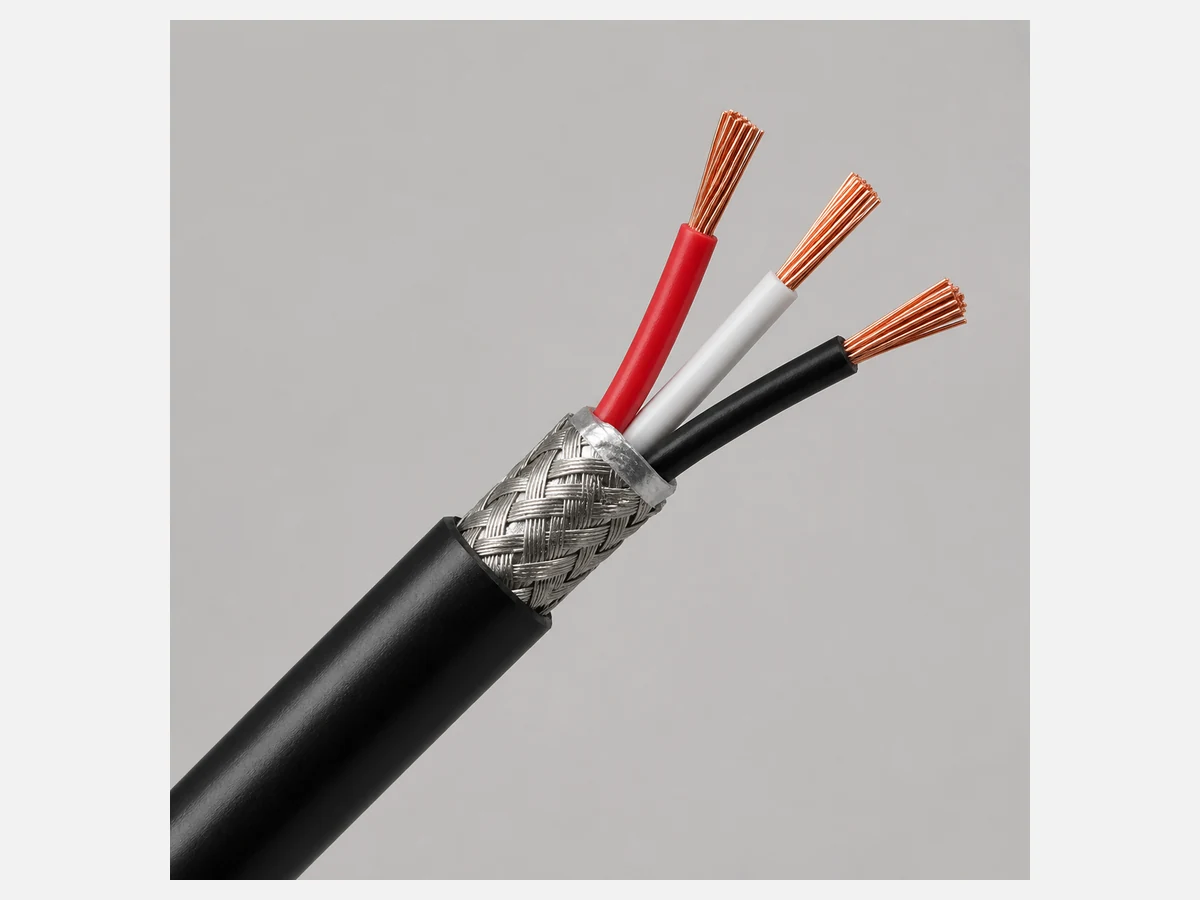
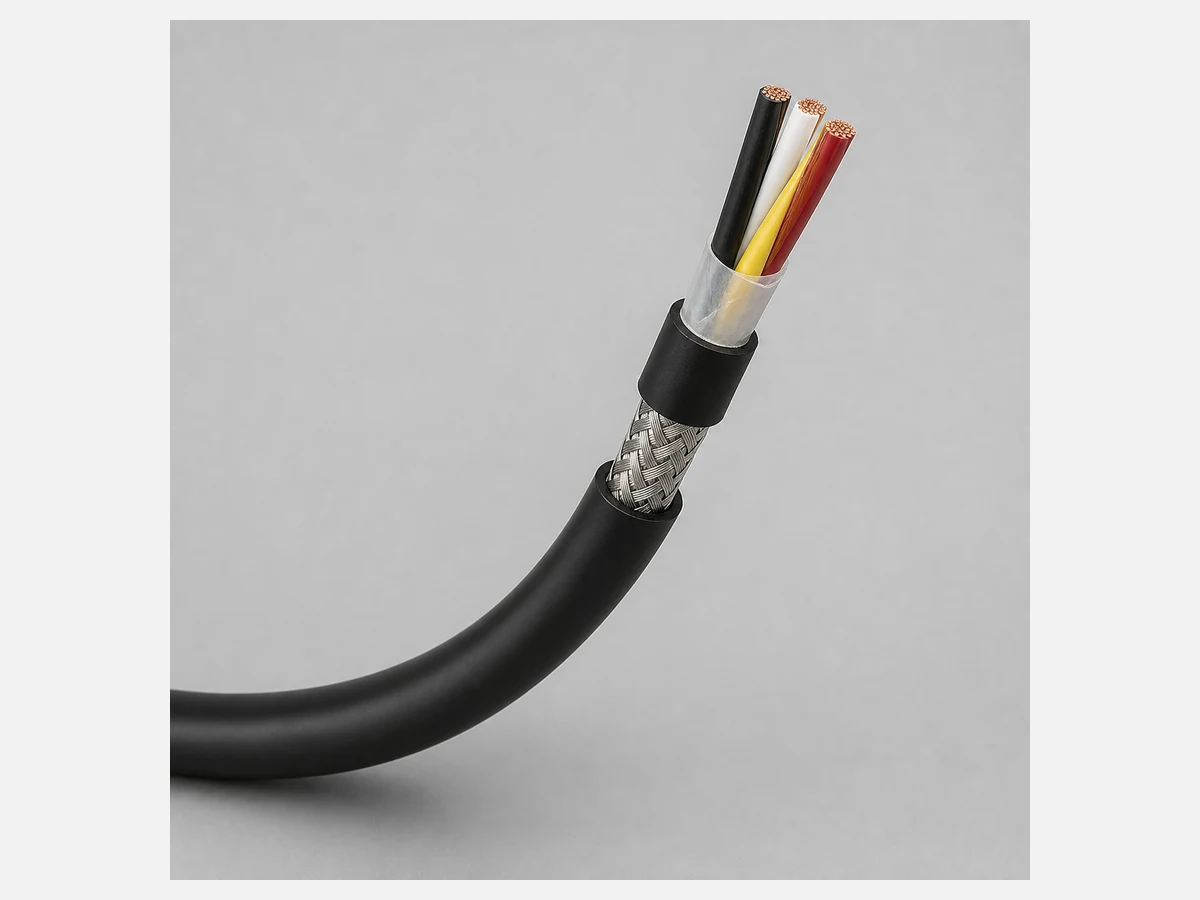
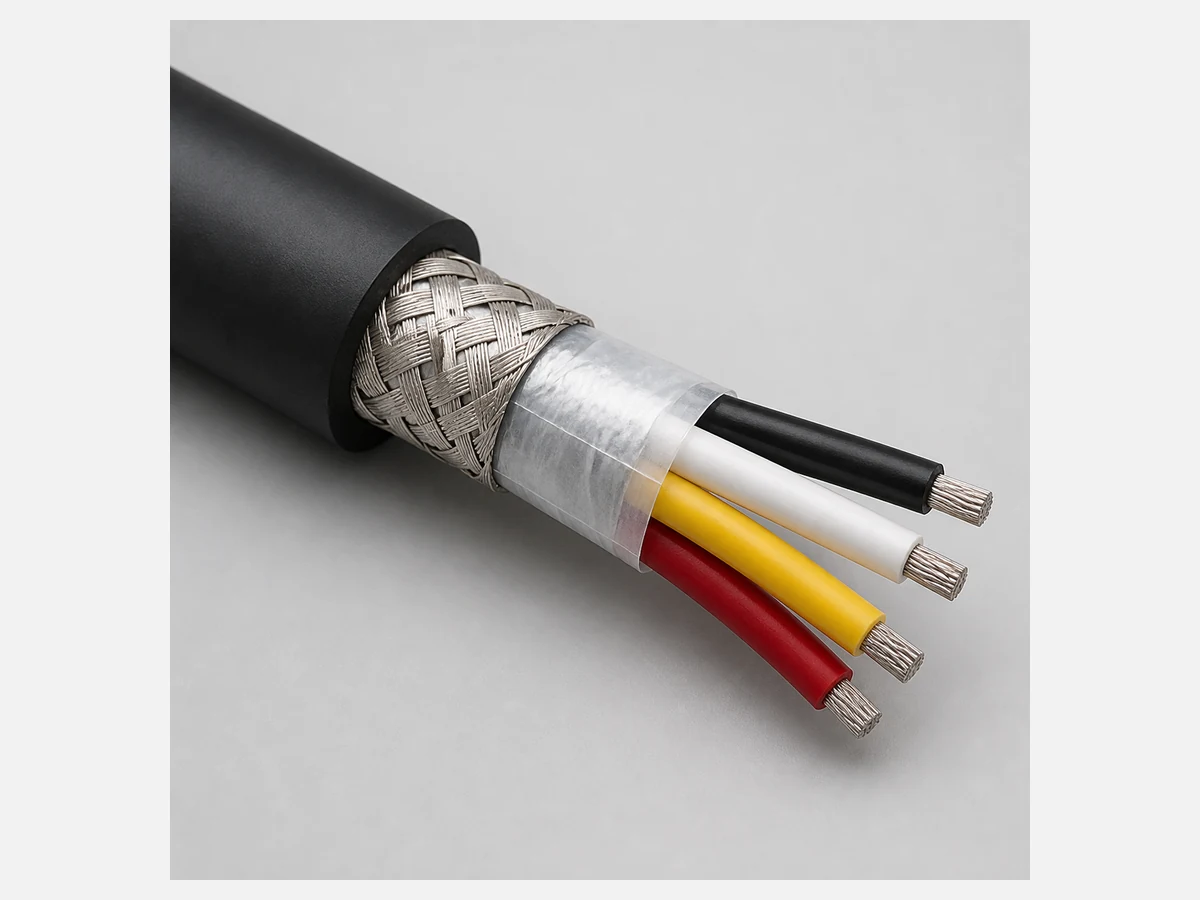
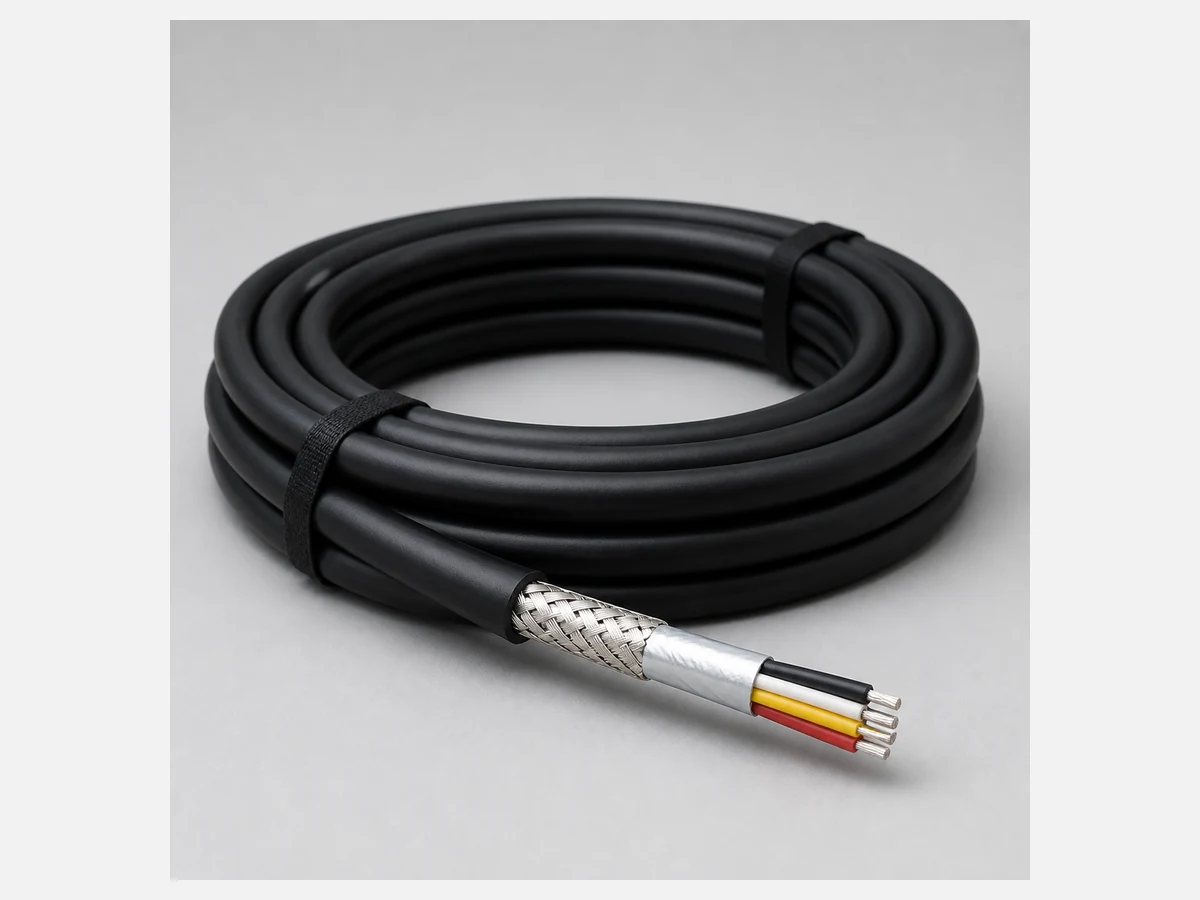
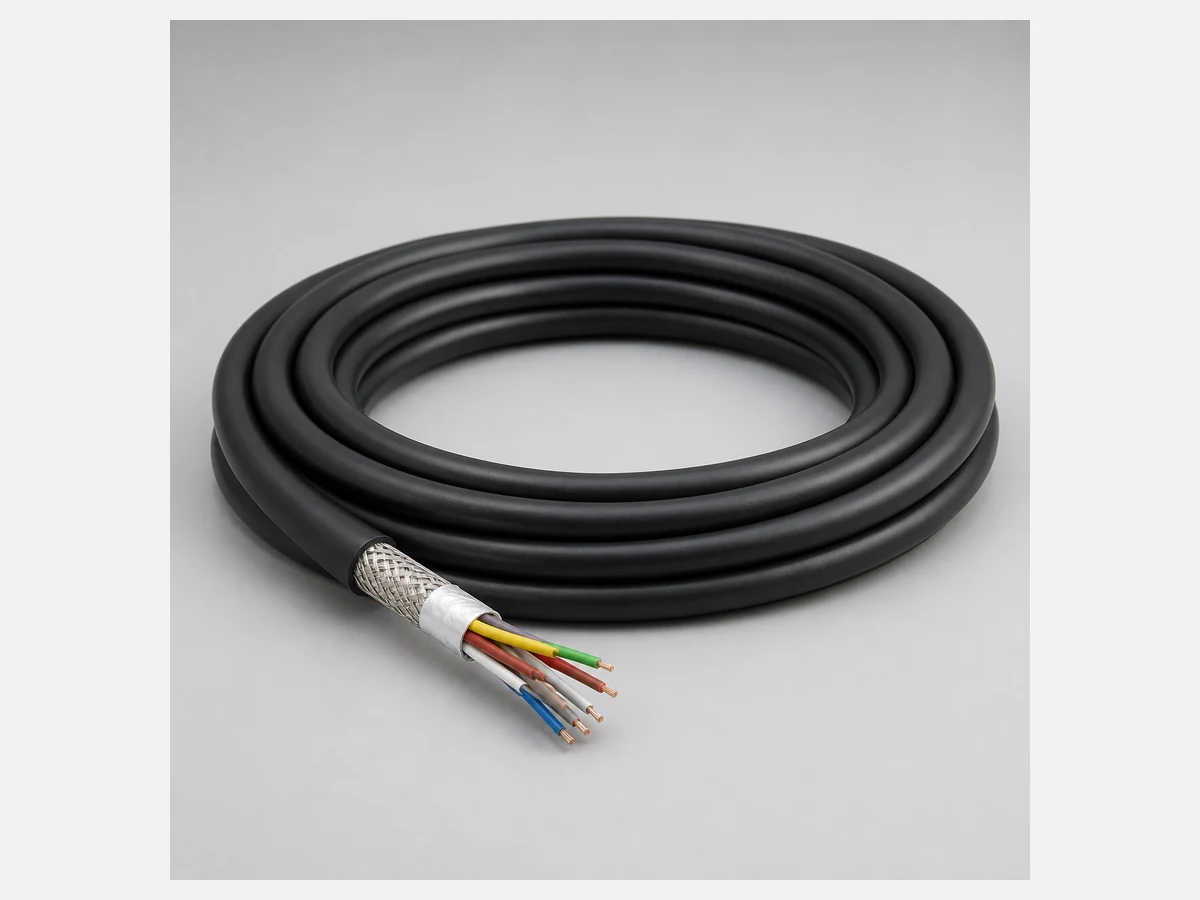
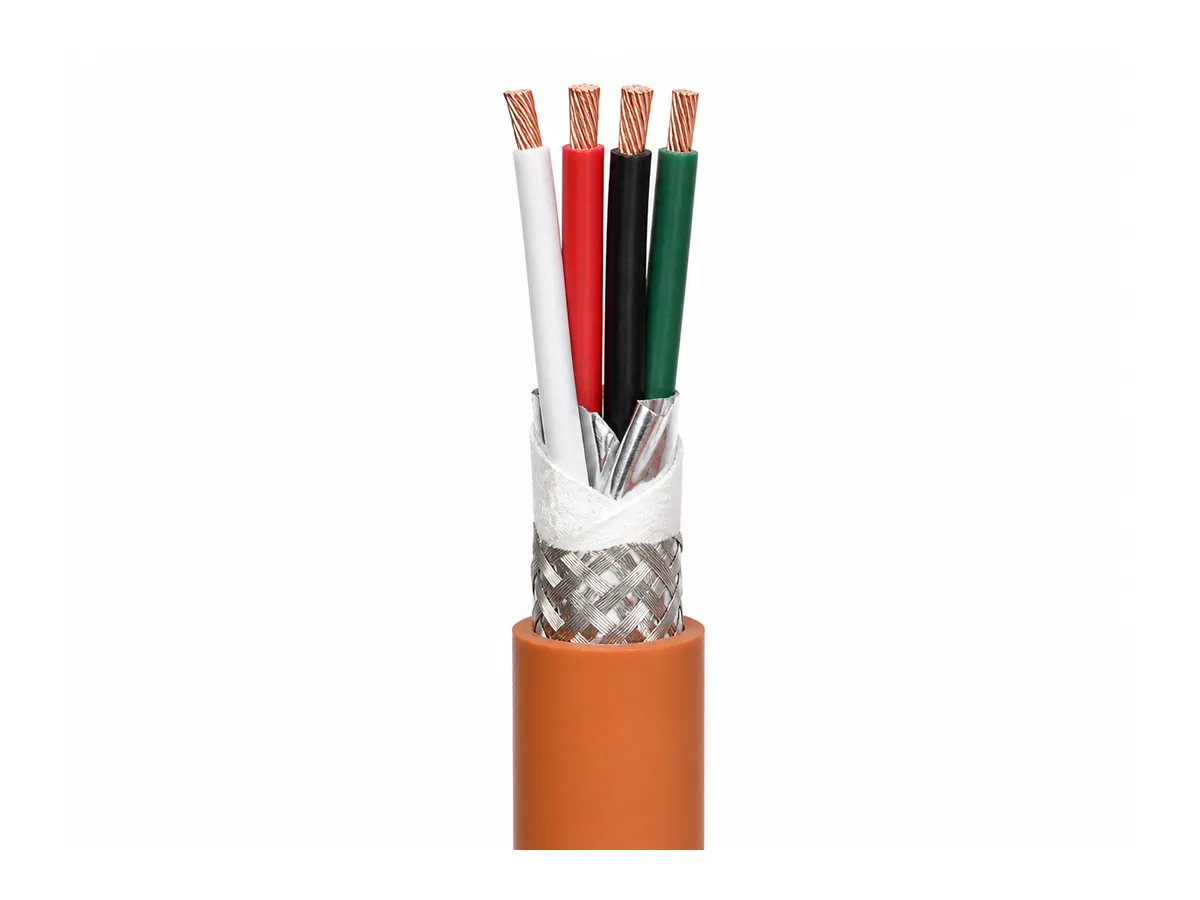
Main power cables may use screens or armor depending on voltage and installation. Control cables may use an overall braid or foil to reduce interference, especially near drives and switching equipment. Sensitive instrumentation circuits can require individually shielded pairs.
Core Identification
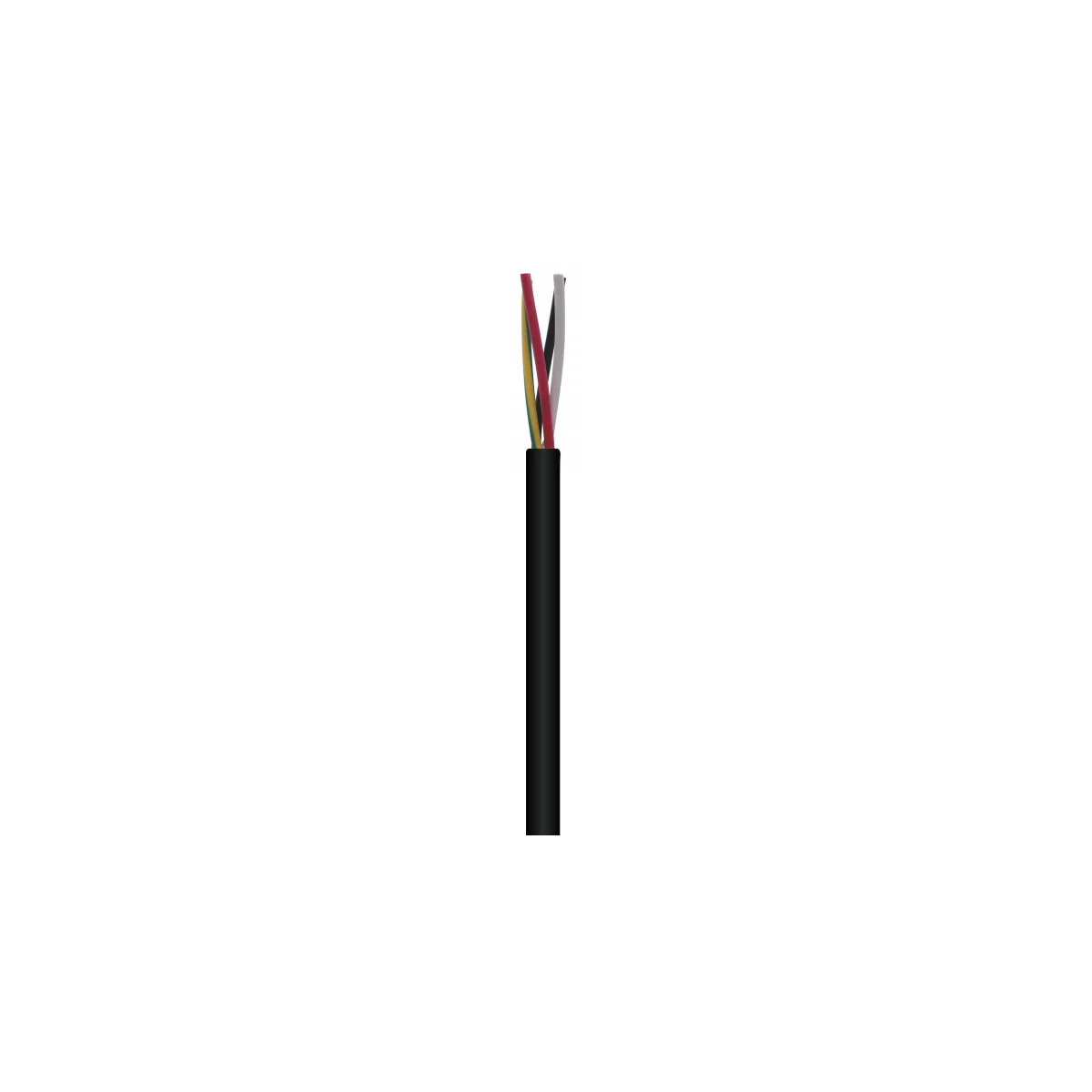
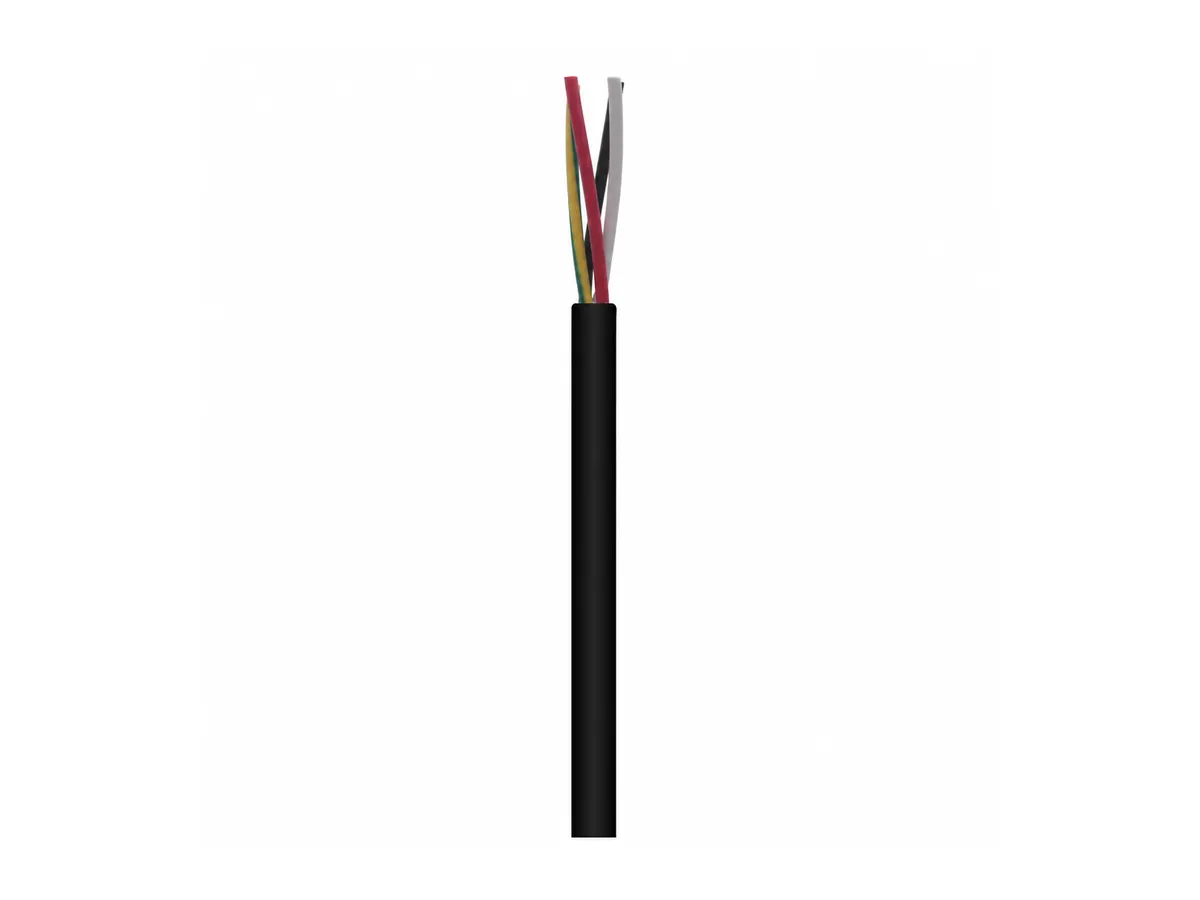
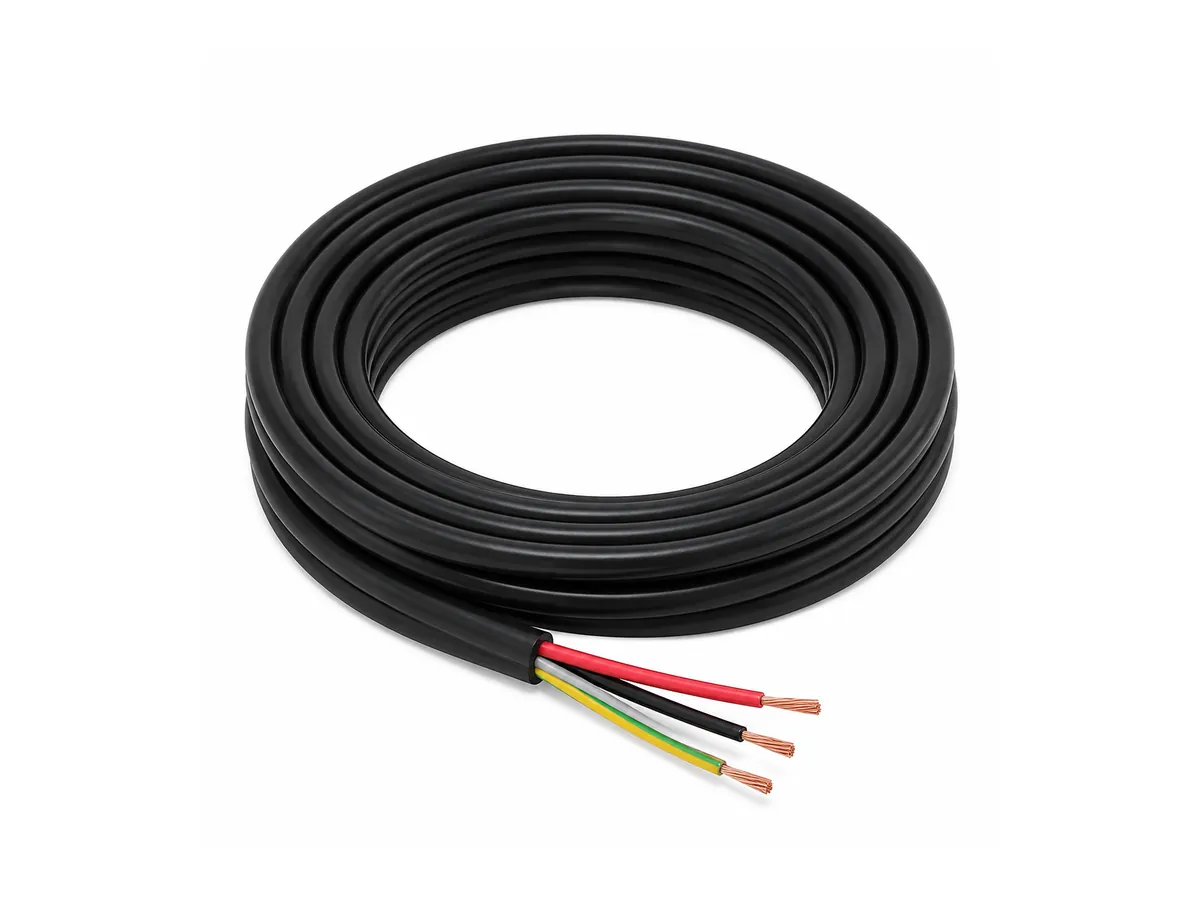
Power cores may use standardized colors for phases, neutral and protective conductors where applicable. Multicore control cables often use numbered black cores or other project-defined identification. Marking must follow the agreed standard and destination requirements.
Fixed and Moving Versions
Power and control functions can both be built into continuous-flex cables. A fixed cable should not be placed in a drag chain simply because its electrical rating is correct. Moving versions require fine-stranded conductors, stable core geometry, movement-compatible shielding and an appropriate jacket.
Typical Applications
- Power: motors, machinery supplies, distribution panels and energy systems.
- Control: sensors, relays, PLC I/O, interlocks and auxiliary circuits.
- Hybrid: custom assemblies combining power, control or feedback elements after engineering review.
Procurement Information
Specify voltage, current, conductor sizes, core count, standard, insulation and jacket, shielding, fixed or moving duty, temperature, environmental exposure, markings, packaging and required documents. Do not substitute one family for another without checking the equipment and installation rules.
Conclusion
Power and control cables solve different circuit requirements. Comparing purpose, ratings, construction and movement duty gives buyers a safer basis for selection than relying on general names.
Request Technical Support
Browse our industrial cable range and best-selling cable solutions. Send your application drawing, electrical requirements, motion data and purchasing quantity for a technical review and quotation.